

Selecting the Best Cervical and Lumbar Disc Replacement Surgeons and Hospitals in India: A Guide for Patients from Iraq
A doctor’s honest, question-by-question guide for patients from Iraq on vetting a disc replacement hospital in India — patient selection, accreditation, surgeon volume, and the exact questions worth asking before you book anything.
Over the years, I have noticed that disc replacement surgery attracts a specific kind of marketing enthusiasm, presented almost as a universal upgrade over spinal fusion. In my experience of 24 years advising patients through this exact decision, the honest picture is more nuanced: artificial disc replacement genuinely outperforms fusion for the right patient, but choosing the wrong candidate for it, someone with facet joint arthritis, spinal instability, or significant bone density loss, can turn a promising motion-preserving procedure into a poor outcome. This guide sets out exactly how to verify that the hospital and surgeon in front of you are making that distinction correctly.
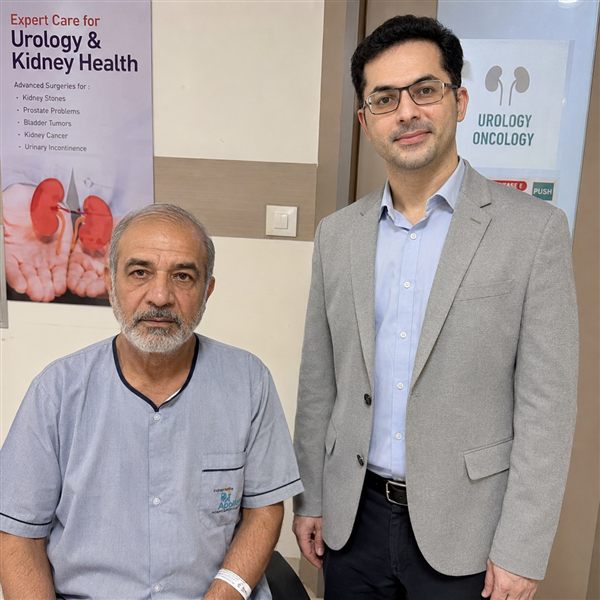
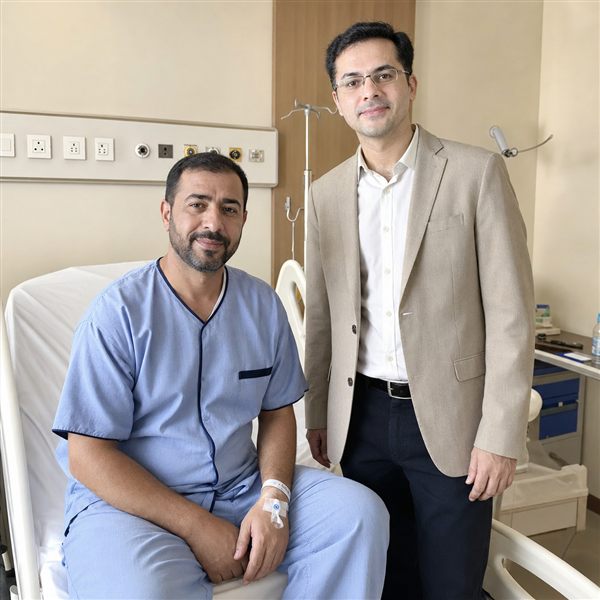
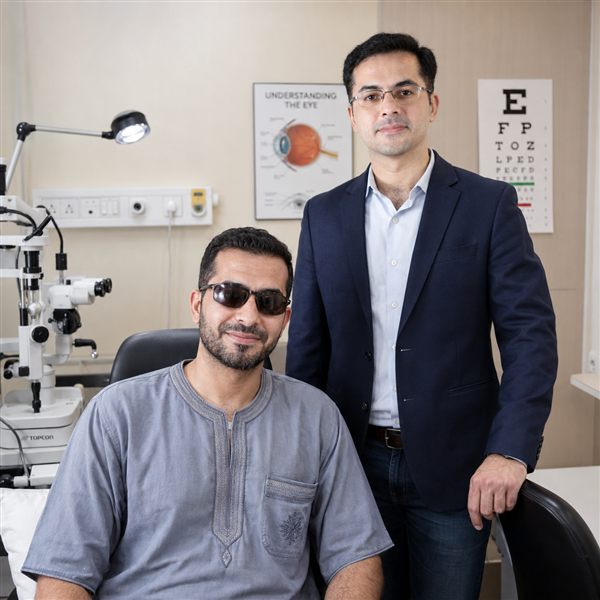
Healing Journeys of Iraqi Patients







Key Takeaways
- Cervical and lumbar artificial disc replacement should not be considered a universal upgrade over spinal fusion. The source stresses that disc replacement can be valuable for appropriately selected patients, but facet joint arthritis, spinal instability and significant bone-density loss may make a patient unsuitable. The most important decision therefore occurs before surgery: determining whether the patient's specific spinal anatomy and degeneration pattern are appropriate for motion preservation or whether fusion is more suitable.
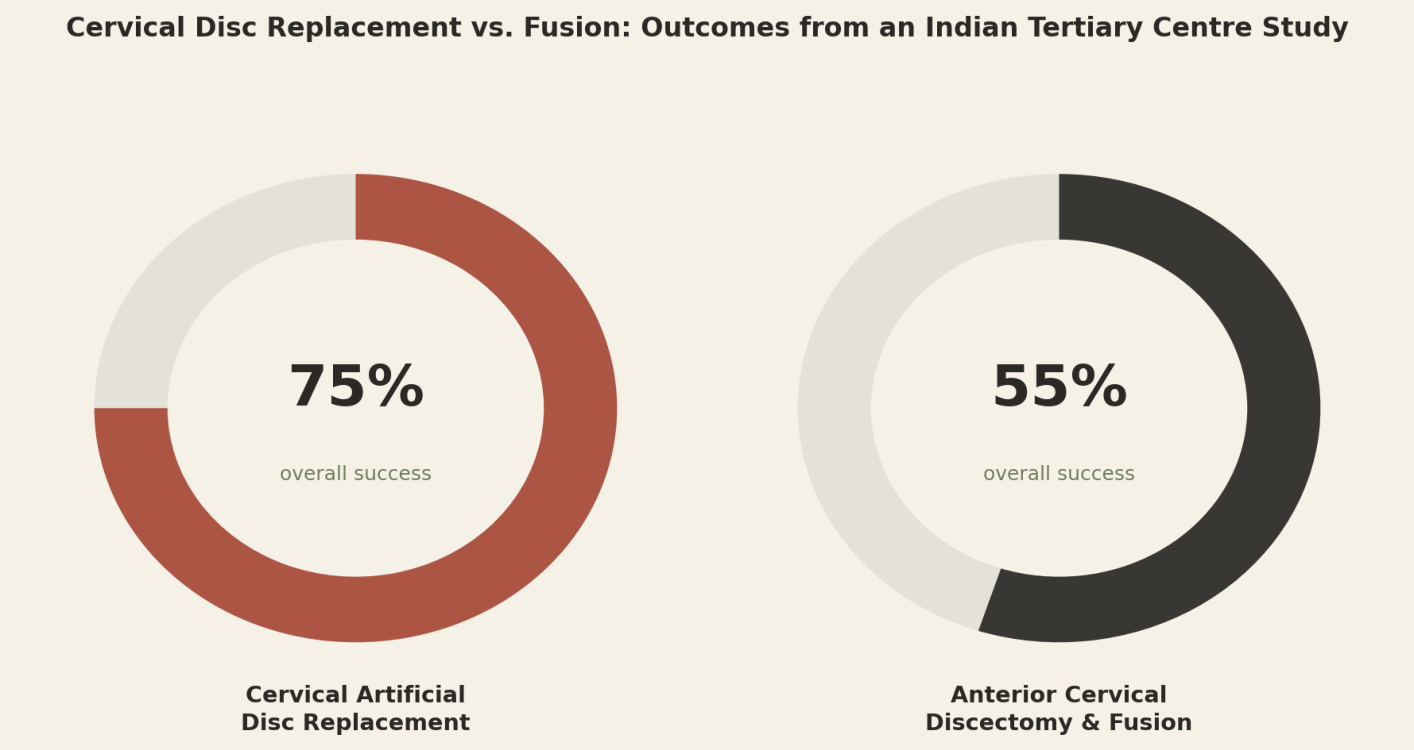
- The source cites a 40-patient comparative study from a tertiary neurosurgery centre in Kolkata in which cervical artificial disc replacement had an overall success rate of 75%, compared with 55% for anterior cervical discectomy and fusion. It also notes that larger international meta-analyses have associated cervical disc replacement with lower reoperation and adjacent-segment degeneration rates compared with fusion. These findings apply to appropriately selected patients rather than every patient with cervical disc disease.
- The visual comparison on page 2 presents the same study findings, showing 75% overall success for cervical artificial disc replacement and 55% for anterior cervical discectomy and fusion. The guide specifically advises Iraqi patients to establish whether their own spinal condition fits the disc-replacement profile before using such comparative figures to choose a procedure.
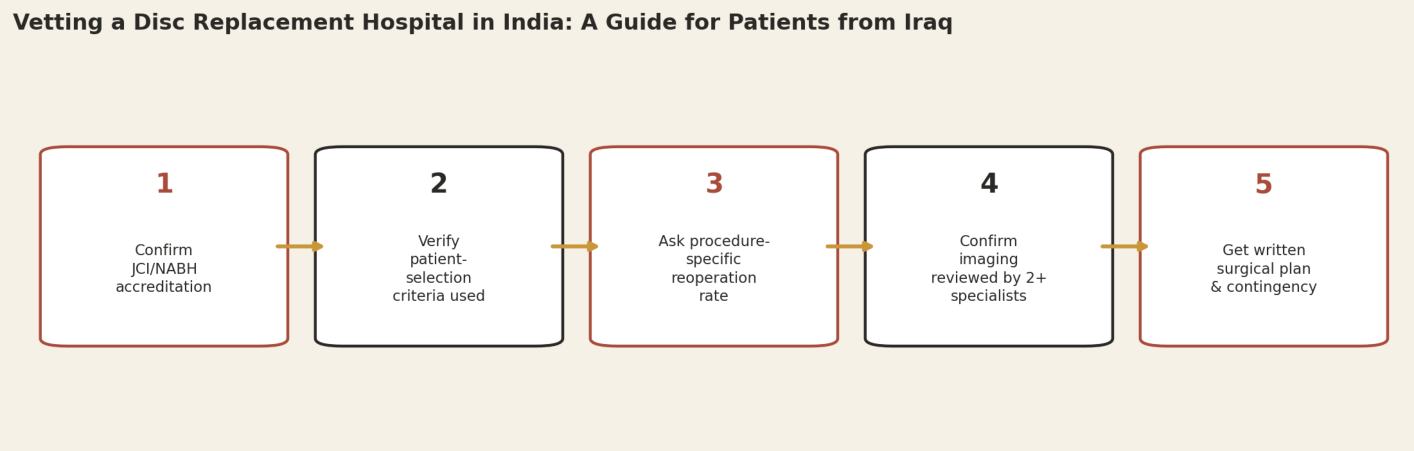
- Hospital accreditation is an important first screening criterion. The guide recommends verifying JCI and NABH accreditation and then asking whether the surgeon routinely considers both disc replacement and fusion according to the patient's pathology. A practice that appears to recommend disc replacement almost universally should be questioned because appropriate treatment depends on individual anatomy and risk factors.
- Patient selection and procedure-specific surgical experience are central to the guide's recommendations. Iraqi patients should ask which imaging findings, facet-joint condition, bone density and degree of spinal instability were considered before recommending disc replacement. They should also ask how many disc replacements the surgeon has performed at the patient's specific spinal level, the surgeon's own reoperation rate and whether the surgeon has comparable experience with fusion if that ultimately proves more appropriate.
- The source recommends a multidisciplinary approach rather than relying solely on one surgeon's assessment. Strong spine programmes may include a spine surgeon with specific fellowship training in motion-preservation techniques, a musculoskeletal radiologist who independently confirms imaging findings and a structured physiotherapy team for postoperative rehabilitation. The guide recommends confirming that imaging has been reviewed by more than one specialist before the final surgical recommendation.
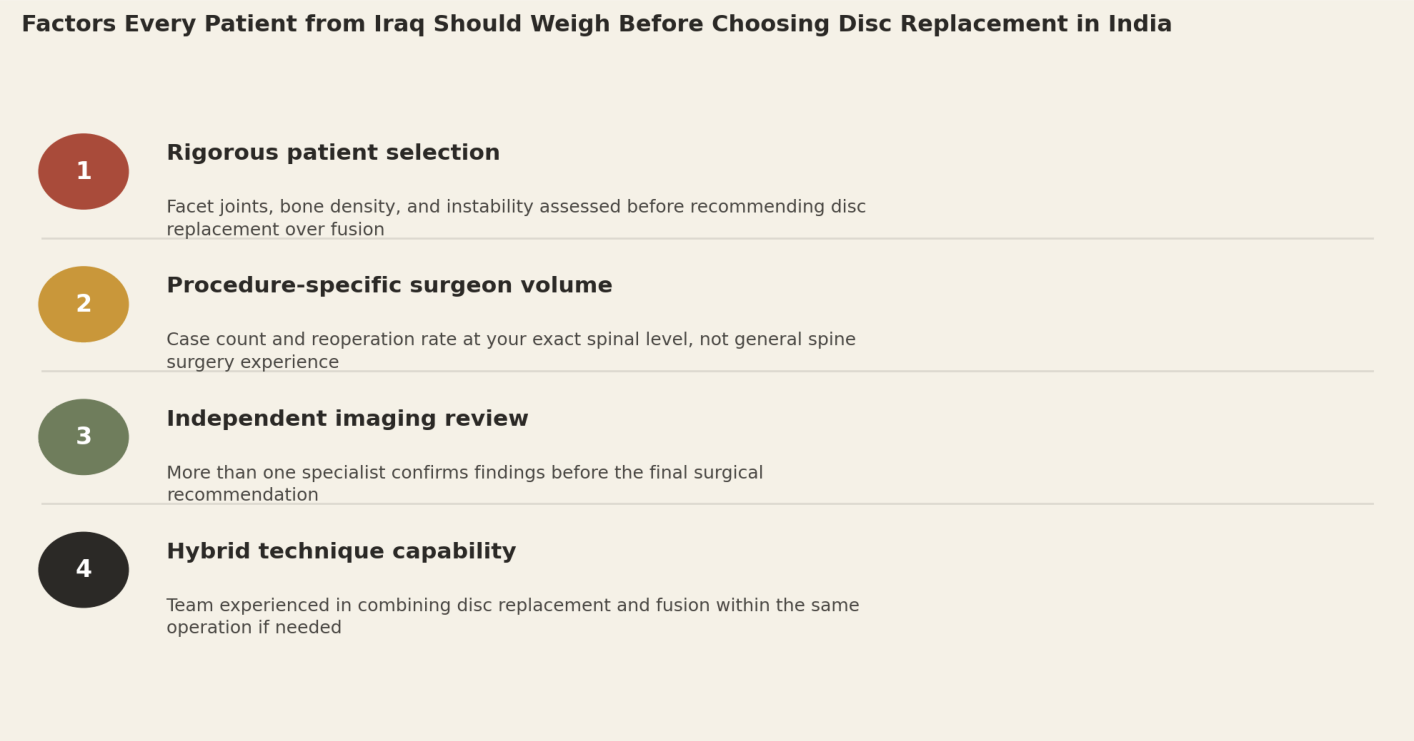
- The source identifies several warning signs: a surgeon who recommends disc replacement regardless of facet-joint condition or bone density without explaining why fusion has been excluded, a hospital that cannot provide a procedure-specific reoperation rate, and a surgeon who has not personally reviewed the patient's imaging in detail. The page 4 checklist summarises four factors: rigorous patient selection, procedure-specific surgeon volume, independent imaging review and hybrid-technique capability.
Quick Facts
- Treatment
- Cervical and lumbar artificial disc replacement
- Primary Patients
- Iraqi patients seeking advanced spine treatment in India
- Main Speciality
- Spine surgery and motion-preservation surgery
- Key Specialist
- Spine surgeon with specific disc-replacement experience
- Alternative
- Spinal fusion
- Cervical Study Success
- 75% disc replacement versus 55% fusion in the cited 40-patient study
- Patient Selection
- Facet joints, bone density and spinal stability should be assessed
- Cervical Levels
- The cited evidence concerns cervical disc replacement
- Lumbar Treatment
- Requires level-specific surgeon experience and patient selection
- Surgeon Volume
- Ask for experience at the exact spinal level
- Reoperation Data
- Request the surgeon's procedure-specific rate
- Imaging Review
- More than one specialist should review relevant imaging
- Radiologist
- Musculoskeletal radiologist may independently assess imaging
- Technology
- Intraoperative imaging or navigation may assist implant positioning
- Hybrid Surgery
- Disc replacement and fusion may be combined in selected multi-level cases
- Rehabilitation
- Structured physiotherapy is important after surgery
- Accreditation
- Verify JCI and NABH accreditation
- Contingency Planning
- Ask what happens if intraoperative findings differ from imaging
- Fusion Expertise
- Surgeon should also be experienced in fusion where appropriate
- Author
- Dr. Dheeraj Bojwani
- Experience
- 24+ Years
In Brief
For Iraqi patients considering cervical or lumbar disc replacement in India, the most important consideration is not the lowest quoted price or a general claim that artificial discs are better than fusion. The guide recommends confirming patient-selection criteria, surgeon experience at the specific spinal level, procedure-specific reoperation data, independent imaging review and a clear contingency plan if the findings during surgery differ from the preoperative assessment. The appropriate surgeon should be equally prepared to recommend fusion when the patient’s anatomy makes it the better option.
Why the Choice of Spine Surgeon in India Matters as Much as the Choice of Hospital
Based on my interactions with international patients, the clinical literature on this comparison is genuinely rich. A published Indian study from a tertiary neurosurgery centre in Kolkata, comparing cervical artificial disc replacement with anterior cervical discectomy and fusion in 40 patients, found overall success in 75 percent of the disc replacement group compared with 55 percent of the fusion group. Larger international meta-analyses pooling multiple randomised trials have consistently found that cervical disc replacement is associated with a lower rate of reoperation and a reduced rate of adjacent segment degeneration, the wear-and-tear that develops at the spinal levels next to a fusion, compared with fusion surgery. These are genuinely encouraging findings, but they apply specifically to patients who are appropriate candidates for disc replacement in the first place. The single most important decision in this entire process happens before the operating room: is your specific spine, and your specific pattern of disc degeneration, actually suited to a motion-preserving implant, or does it call for fusion instead.
How Patients from Iraq Can Verify a Spine Hospital’s Accreditation in India
The fastest filter I recommend to every Iraqi patient calling about disc replacement is verifiable accreditation, not marketing language. Joint Commission International, JCI, audits a hospital’s overall clinical safety systems against the same standard used across the United States and Europe. The National Accreditation Board for Hospitals and Healthcare Providers, NABH, is India’s own domestic equivalent, and in my experience of 24 years advising patients on this exact decision, a centre holding both marks together is a meaningfully stronger signal than either alone. For disc replacement specifically, ask one further, very direct question: does the surgeon routinely recommend both fusion and disc replacement depending on the individual patient, or does the practice appear to favour disc replacement in nearly every case regardless of the specific pathology.
Spine Surgery Patient-Selection and Volume Criteria That Predict Outcomes in India
Based on my interactions with dozens of spine surgery programmes over the years, the single clearest predictor of a good outcome in this specific field is rigorous patient selection, not simply surgical skill applied to whichever patient walks in. Ask directly, in writing:
- What specific imaging findings, facet joint condition, bone density, and degree of instability, were used to determine that disc replacement rather than fusion is appropriate for my case?
- How many disc replacement procedures, at my specific spinal level, has this surgeon performed, and what is their own reoperation rate for this procedure?
- If my case turns out to be more appropriate for fusion, is the surgeon equally experienced in that alternative, or does their practice lean toward one technique regardless of patient fit?
- What happens if intraoperative findings differ from what imaging suggested, and does the surgical team have a clear contingency plan?
A surgeon confident in their own patient-selection process will answer these specifically. A surgeon who recommends disc replacement immediately, before a full evaluation of your specific spinal anatomy, deserves a second opinion.
Vetting a Disc Replacement Hospital in India: A Guide for Patients from Iraq
Questions Patients from Iraq Should Ask About the Spine Surgery Team in India
Disc replacement and fusion surgery both benefit from more than a single surgeon’s judgment. In my experience of 24 years watching these programmes operate, the strongest units involve a spine surgeon with specific fellowship training in motion-preservation technique, a musculoskeletal radiologist to confirm imaging findings independently, and a structured physiotherapy team for post-operative rehabilitation, since recovery outcomes depend heavily on consistent, guided therapy afterward. Ask specifically who fills each of these roles for your case, and confirm that your imaging has been reviewed by more than one specialist before the final surgical recommendation is made.
Spine Surgery Technology Standards in India That Patients from Iraq Should Check
The specific technology available changes how precisely a surgeon can plan and execute either procedure. Ask whether the hospital uses intraoperative imaging or navigation to confirm implant placement during disc replacement, since accurate positioning of the artificial disc affects both its function and its longevity. For multi-level cases, ask whether the surgical team has specific experience combining disc replacement at one level with fusion at an adjacent level within the same operation, a hybrid approach that requires judgment beyond either technique alone. Ask directly which of these specific capabilities apply to your case, not simply whether the hospital owns the equipment somewhere in the building.
Red Flags Patients from Iraq Should Watch For When Choosing a Spine Hospital in India
Over the years, certain patterns have become reliable warning signs for me. A surgeon who recommends disc replacement for every patient regardless of facet joint condition or bone density, without a clear discussion of why fusion was ruled out, deserves direct questioning. A hospital that cannot state its own procedure-specific reoperation rate, offering only a general “very successful technique” reassurance, has not given you information you can actually use. And a surgeon who has not personally reviewed your imaging in detail, relying instead on a referral summary or a brief phone consultation before recommending surgery, is one of the clearest signals that the recommendation may not be individualised to your specific spine.
Factors Every Patient from Iraq Should Weigh Before Choosing Disc Replacement in India
A Closing Thought for Iraqi Families
Disc replacement is a genuinely valuable option for the right patient, and it deserves a surgeon who applies rigorous, individualised selection criteria rather than a one-size-fits-all recommendation, or the lowest quoted price. Based on my interactions with international patients over more than two decades, the patients who ask about patient-selection criteria, procedure-specific volume, and contingency planning consistently make better-informed decisions than those who accept a single confident recommendation without question. My role, and the role of any advisor a patient works with, should be to help you ask these exact questions and confirm honestly that the specific surgeon and specific hospital in front of you are the right fit for your exact spinal condition. Iraq’s patients deserve the same standard of scrutiny in this decision as any patient anywhere else in the world.
Sources & Further Reading
- Joint Commission International (JCI) — Accredited Organizations Directory (jointcommissioninternational.org)
- National Accreditation Board for Hospitals & Healthcare Providers (NABH), India (nabh.co)
- Asian Journal of Medical Sciences — Comparative Study of Cervical Artificial Disc vs. ACDF, Eastern India (nepjol.info/index.php/AJMS)
- PubMed Central — Cervical Artificial Disc Replacement Versus Fusion: A Health Technology Assessment (pmc.ncbi.nlm.nih.gov)
- North American Spine Society (NASS) — Patient Education on Disc Replacement (spine.org)
Frequently Asked Questions by Iraqi Patients about Selecting a Disc Replacement Surgeon and Hospital in India
Can Iraqi patients undergo cervical disc replacement in India?
Yes. The source specifically discusses cervical artificial disc replacement for Iraqi patients and compares it with anterior cervical discectomy and fusion. Suitability must be determined from the patient's individual spinal condition.
Can Iraqi patients undergo lumbar disc replacement in India?
Yes. The guide covers both cervical and lumbar disc replacement and stresses that lumbar treatment should also be based on careful patient selection and surgeon experience at the relevant spinal level.
Is cervical disc replacement better than fusion for Iraqi patients?
Not universally. The cited Indian study reported 75% overall success for disc replacement versus 55% for fusion, but the source stresses that these results apply to appropriately selected patients and do not mean disc replacement is suitable for everyone.
How do Iraqi patients know if they are suitable for artificial disc replacement?
The surgeon should assess imaging findings, facet-joint condition, bone density and spinal stability. These factors help determine whether motion preservation is appropriate or whether fusion would be safer or more suitable.
Should Iraqi patients ask about the surgeon's disc replacement experience?
Yes. Patients should ask how many disc replacement procedures the surgeon has performed at their specific spinal level and request the surgeon's own procedure-specific reoperation rate.
Can disc replacement and spinal fusion be performed together?
In selected multi-level cases, a hybrid approach may combine disc replacement at one level with fusion at an adjacent level. The source recommends asking whether the surgical team has specific experience with this technique.
Is imaging review important before disc replacement surgery in India?
Yes. The guide recommends detailed review of the patient's imaging and suggests that more than one specialist, including a musculoskeletal radiologist where appropriate, should confirm the findings before the final recommendation.
What technology should Iraqi patients ask about before disc replacement surgery?
Patients should ask whether intraoperative imaging or navigation is used to confirm artificial-disc positioning. Accurate positioning is important for implant function and longevity.
What should Iraqi patients ask if a surgeon recommends disc replacement instead of fusion?
They should ask why disc replacement is appropriate for their specific anatomy, how facet joints, bone density and instability were assessed, why fusion was ruled out and what the contingency plan would be if operative findings differ from the preoperative imaging.
What are the main warning signs when choosing a disc replacement surgeon in India?
Warning signs include recommending disc replacement for nearly every patient, failing to discuss fusion as an alternative, providing no procedure-specific reoperation data and recommending surgery without the surgeon personally reviewing the patient's imaging in detail.
Page Summary
Artificial disc replacement can be a valuable motion-preserving option for selected patients, but the source emphasises that candidacy must be determined individually. Facet-joint arthritis, spinal instability and significant bone-density loss can change the balance between disc replacement and fusion, making rigorous preoperative selection more important than a generic preference for one procedure.
For Iraqi patients travelling to India, the selection process should include accreditation verification, level-specific surgeon experience, independent imaging review, procedure-specific reoperation data and a clear contingency plan. The final decision should reflect the patient's spinal anatomy and pathology rather than a one-size-fits-all recommendation for disc replacement.
Citation Block
| Field | Details |
|---|---|
| Article / Topic | Selecting the Best Cervical and Lumbar Disc Replacement Surgeons and Hospitals in India |
| Primary Patients | Patients from Iraq |
| Treatment Area | Cervical and lumbar artificial disc replacement |
| Main Speciality | Spine surgery and motion preservation |
| Alternative Procedure | Spinal fusion |
| Cervical Comparative Study | 40-patient tertiary-centre study |
| Disc Replacement Success | 75% overall success in cited study |
| Fusion Success | 55% overall success in cited study |
| Potential Benefits | Lower reoperation and adjacent-segment degeneration reported in larger international analyses |
| Patient Selection | Must be based on individual spinal anatomy and pathology |
| Facet Joints | Condition should be assessed before disc replacement |
| Bone Density | Should be assessed for candidacy |
| Spinal Stability | Degree of instability should be evaluated |
| Surgeon Volume | Ask for exact spinal-level disc replacement experience |
| Reoperation Rate | Request procedure-specific surgeon data |
| Fusion Experience | Surgeon should be capable of offering fusion where appropriate |
| Imaging Review | Independent review by more than one specialist is recommended |
| Radiologist | Musculoskeletal radiologist may confirm imaging findings |
| Rehabilitation | Structured physiotherapy team |
| Implant Positioning | Intraoperative imaging or navigation may be used |
| Hybrid Technique | Disc replacement at one level with fusion at an adjacent level |
| Accreditation | JCI and NABH |
| Contingency Planning | Plan should address unexpected intraoperative findings |


Our Mission Statement
Our mission is to place patients at the centre of every healthcare decision by providing trustworthy, evidence-based, and unbiased medical information. We believe that informed patients make better decisions. Backed by personalised guidance from our experienced advisory team, we help patients understand their treatment options, compare them objectively, and confidently choose the path that best suits their medical needs and personal circumstances.
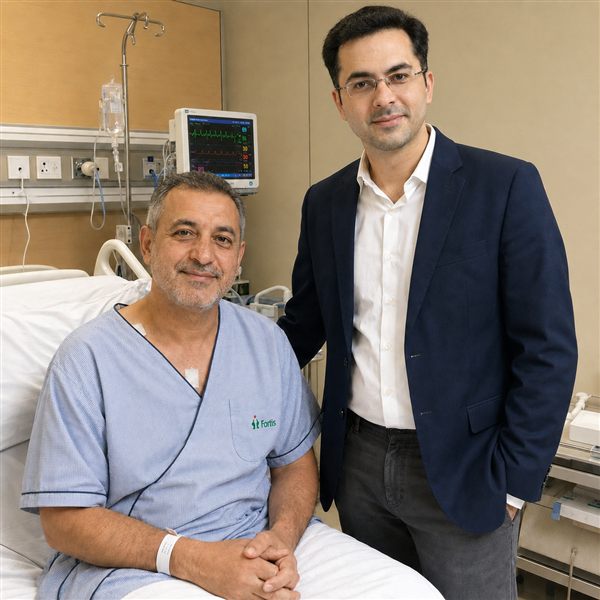
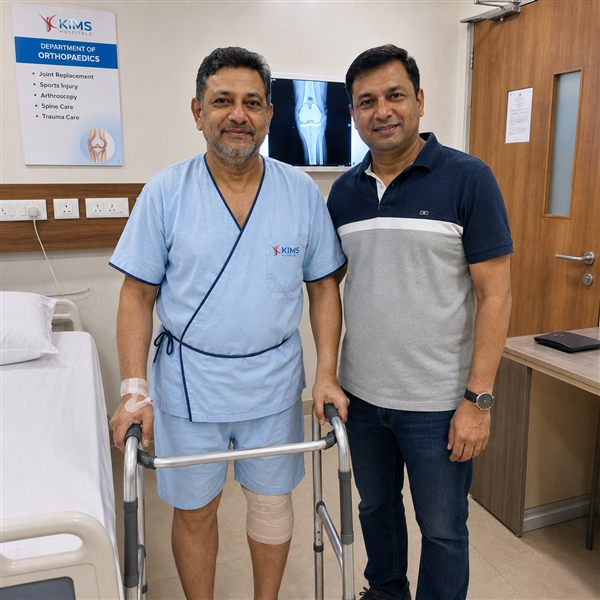
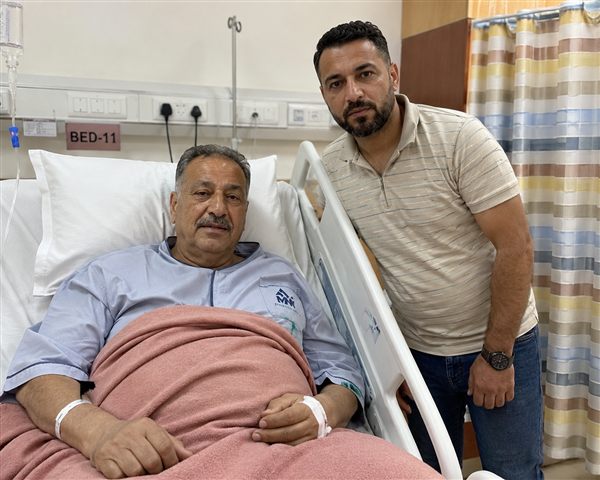
Patient Testimonials from Iraq









Ready to Take the First Step?
Share your Medical Reports with our Healthcare Managers Today and Get a FREE CONSULTATION, a Personalized Treatment Plan, and Complete Support from Arrival to Recovery.
Get Your Free ConsultationAreas We Serve
Indian Health Guru Consultants proudly assists patients from Iraq and surrounding Middle Eastern countries in accessing advanced, affordable and trusted medical treatment in India. Our team provides complete support for medical opinions, hospital selection, treatment planning, visa assistance, travel coordination, accommodation and post-treatment follow-up.
We regularly serve patients from:
- Iraq
- Turkey
- Iran
- Kuwait
- Jordan
- Syria
- Qatar
- Bahrain
- Oman
- Yemen
- Saudi Arabia
- United Arab Emirates
No matter where you are located, our experienced team is committed to making your medical journey to India safe, smooth, transparent and stress-free from the first enquiry to your return home.
From Iraq to India: Your Complete Patient Guide
- Radiotherapy and Modern Cancer Treatment in India for Iraqis
- Dental Surgery in India for Iraqis
- Pancreatic Cancer Surgery in India for Iraqis
- Hip Surgery in India for Iraqis
- Breast Cancer Treatment in India for Iraqi Patients
- HIPEC Cancer Surgery in India for Iraqis
- Paediatric Orthopaedic Surgery in India for Iraqis
- Parkinson's Treatment and DBS Surgery in India for Iraqis
- Cardiac Pacemaker Treatment in India for Iraqi Patients
- Cardiac Surgery in India for Iraqis
- Dental Implants and Smile Makeover in India for Iraqis
- Weight Loss and Bariatric Surgery in India for Iraqis: Cost & Guide
- Neurosurgery in India for Iraqis
- Cervical and Lumbar Disc Replacement Surgery in India for Iraqis
- Liver Transplant in India for Iraqis
- Spine Surgery in India for Iraqis
- Brain Tumour Surgery in India for Iraqi Patients
- Complex Joint Revision Surgery in India for Iraqis