

What Is Dental Surgery?
Dental surgery refers to a range of procedures performed to address issues related to the teeth, gums, and jaw. This specialized field encompasses various treatments, including tooth extractions, dental implants, and corrective jaw surgery, aimed at improving oral health and function. Dental surgery may be necessary for both preventive and restorative purposes, often involving the removal of damaged or diseased tissue to alleviate pain and prevent further complications. The procedures are typically carried out by oral surgeons or dentists with advanced training, ensuring that patients receive the highest standard of care.
Why Dental Surgery Is Performed?
Dental surgery is performed for a variety of reasons, primarily aimed at addressing issues related to oral health that cannot be effectively managed through non-surgical means. Common indications for dental surgery include the extraction of impacted teeth, such as wisdom teeth, which can cause pain, infection, or misalignment of adjacent teeth.
Additionally, surgical interventions may be necessary to treat periodontal disease, where advanced gum infection leads to the deterioration of supporting structures around the teeth. In cases of severe tooth decay or trauma, dental surgery may involve root canal therapy or the placement of dental implants to restore function and aesthetics. Furthermore, surgical procedures can also be employed to correct jaw misalignments, improve bite function, or enhance the overall appearance of the smile through cosmetic enhancements.
Common Types of Dental Surgery
Tooth Extraction: The most frequent dental surgery, involving the removal of a tooth that is severely decayed, damaged beyond repair, or causing overcrowding.
Wisdom Tooth Removal: A specific type of surgical extraction for third molars, often performed when they are impacted (trapped under the gums) to prevent pain or infection.
Dental Implants: Placing a permanent titanium post into the jawbone to act as a root for an artificial tooth (crown), restoring both function and appearance.
Root Canal Therapy (Endodontic Surgery): Used to treat the tooth’s inner pulp when it becomes infected. The surgeon removes the damaged tissue and seals the tooth to save it from extraction.
Gum Surgery (Periodontal Surgery): Procedures like flap surgery or gum grafts that treat advanced gum disease by removing infected tissue or repairing receding gums.
Bone Grafting: A procedure to rebuild or strengthen the jawbone, often necessary if the bone is too thin or soft to support a dental implant.
Corrective Jaw Surgery (Orthognathic Surgery): Corrects significant jaw misalignment that causes trouble with chewing, speaking, or breathing.
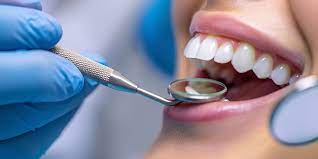
Dental Implant Surgery and Success Rate
Dental implant surgery is a sophisticated procedure designed to replace missing teeth, offering a durable and aesthetically pleasing solution for individuals suffering from tooth loss. The process typically involves the surgical placement of a titanium post into the jawbone, which serves as a sturdy foundation for a prosthetic tooth.
Success rates for dental implants are notably high, often exceeding 95%, depending on various factors such as the patient’s overall health, the quality of the bone, and adherence to post-operative care instructions. Factors like smoking, diabetes, and oral hygiene can significantly influence the outcome, making it essential for candidates to undergo thorough evaluations and consultations with their dental professionals.
With advancements in technology and techniques, the predictability and effectiveness of dental implant surgery continue to improve, providing patients with a reliable option for restoring their smiles and enhancing their quality of life.
Recovery and Healing After Dental Surgery
Recovery and healing following dental surgery is a crucial phase that requires careful attention to ensure optimal outcomes. Immediately after the procedure, patients may experience discomfort, swelling, and bleeding, which are normal responses to surgical intervention. It is essential to follow the dentist’s post-operative instructions meticulously, which typically include recommendations for pain management, dietary restrictions, and oral hygiene practices.
Soft foods are often advised to minimize irritation to the surgical site, while adequate hydration is vital for overall recovery. Additionally, applying ice packs to the affected area can help reduce swelling and alleviate pain during the initial days post-surgery. Patients should also be vigilant for any signs of complications, such as excessive bleeding or signs of infection, and contact their dental professional if such issues arise.
Engaging in gentle activities and avoiding strenuous exercise during the recovery period can further support healing. Overall, a combination of proper care, rest, and adherence to professional guidance will facilitate a smoother recovery process and promote long-term dental health.
How to Improve Dental Surgery Success
Improving the success rate of dental surgeries involves a multifaceted approach that encompasses preoperative preparation, surgical technique, and postoperative care. Initially, thorough patient assessment is crucial; this includes a comprehensive medical history review, diagnostic imaging, and any necessary laboratory tests to identify potential complications.
Dental Surgeons should employ advanced techniques and technologies, such as minimally invasive procedures and enhanced imaging systems, to reduce trauma and promote quicker recovery. Additionally, effective communication with patients about the procedure, expected outcomes, and aftercare instructions can significantly enhance their compliance and overall satisfaction. By focusing on these key areas, dental professionals can significantly enhance the likelihood of successful surgical outcomes.
Final Thought
When considering dental surgery, it is essential to approach the subject with a comprehensive understanding of the procedures involved, potential risks, and the anticipated outcomes. Dental surgery can encompass a variety of treatments, including extractions, implants, and corrective jaw surgery, each designed to address specific dental issues. Additionally, understanding the importance of pre-operative assessments and post-operative follow-ups can significantly enhance the overall success of the surgery. By prioritizing clear communication with healthcare providers and adhering to recommended guidelines, patients can navigate their dental surgery experience with greater confidence and peace of mind.
References:
https://www.mayoclinic.org/tests-procedures/dental-implant-surgery/about/pac-20384622