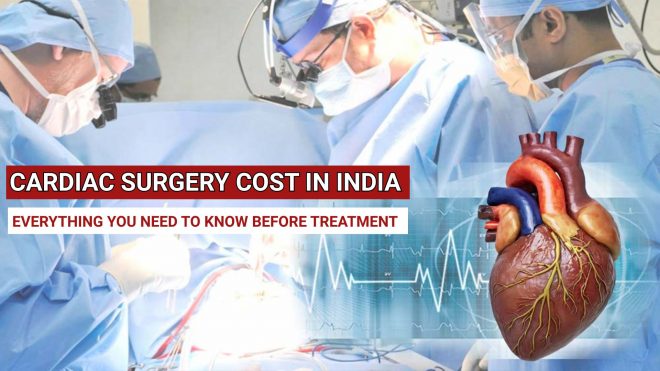
There are several circumstances that may indicate the need for this procedure, including severe coronary artery disease, significant heart valve dysfunction, or congenital heart defects. Additionally, patients experiencing debilitating symptoms such as chest pain, shortness of breath, or heart failure may require surgical intervention to improve their quality of life and overall heart function. It is essential to consult with a healthcare professional to determine the appropriate timing and necessity of cardiac surgery based on individual health conditions.
Types of Cardiac Surgery performed
Common Types of Cardiac Surgery
Coronary Artery Bypass Grafting (CABG): The most frequent heart surgery in adults, it creates a new path for blood to flow past blocked coronary arteries.
Heart Valve Repair or Replacement: Used to fix or replace diseased valves (aortic, mitral, tricuspid) with mechanical or biological (animal/human tissue) alternatives.
Aneurysm Repair: Involves replacing a weak, bulging section of an artery with a synthetic graft or patch.
Heart Transplant: Replacing a diseased heart with a healthy one from a deceased donor for advanced heart failure.
Congenital Heart Surgery: Corrective procedures performed on children or adults born with structural heart defects.
Maze Surgery: A procedure to treat atrial fibrillation by creating scar tissue to redirect electrical signals.
Device Implantation: Minor surgeries to place pacemakers or implantable cardioverter defibrillators (ICDs) to manage heart rhythms.
What is the cost of heart surgery in India?
The general range for major heart surgeries in India is between ₹1.5 Lakhs and ₹25 Lakhs.
Metric
Estimated Cost (INR)
Minimum Cost
₹1,00,000 (Subsidized/Government Hospital or minor procedure)
₹25,00,000+ (Complex surgeries like Heart Transplants)
What factors affect the cost of cardiac surgery in India?
Key Cost-Influencing Factors
Procedure Complexity: Basic surgeries like pacemaker implantation are less expensive than complex procedures like multi-vessel CABG (bypass), valve replacements, or heart transplants.
Hospital Type & Reputation: Government hospitals (like AIIMS) offer subsidized rates starting at ₹1 Lakh, whereas private or trust-run hospitals charge significantly higher due to advanced infrastructure and personalized services.
Surgical Technique: Minimally invasive or robotic-assisted surgeries often have a higher upfront cost due to specialized technology, though they may reduce overall expenses by shortening hospital stays.
Surgeon’s Expertise: Highly experienced or internationally trained surgeons with high success rates typically command higher professional fees.
Geographical Location: Major metropolitan cities like Mumbai, Delhi, or Bangalore often have higher costs compared to tier-2 cities like Patna or Nagpur due to overhead and living expenses.
Hospital Stay & Room Category: The length of stay in the ICU and the choice of room (e.g., general ward vs. private suite) directly impact the final bill.
Implants & Consumables: The cost of specialized medical components, such as drug-eluting stents, mechanical/biological valves, or imported pacemakers, varies significantly.
What is the Cardiac Surgery Cost in Different Cities in India?
The following table provides the estimated cost ranges for major heart surgeries (primarily CABG/Open Heart) across different Indian cities.
City
Minimum Cost (INR)
Maximum Cost (INR)
Nagpur
₹1,75,000
₹3,25,000
New Delhi
₹1,90,000
₹5,80,000
Mumbai
₹2,00,000
₹6,00,000
Bangalore
₹2,10,000
₹5,50,000
Chennai
₹2,25,000
₹5,00,000
Hyderabad
₹2,50,000
₹5,20,000
Kolkata
₹2,75,000
₹4,25,000
Pune
₹2,00,000
₹3,50,000
Ahmedabad
₹2,75,000
₹4,25,000
Detailed Breakdown of Cardiac Surgery Cost in India
1. Pre-Operative Costs (Diagnostic Phase)
Before surgery, a thorough evaluation is required to assess the heart’s condition and the patient’s fitness for the procedure.
Specialist Consultations: ₹1,000 – ₹2,000 per session.
Basic Tests: ECG (₹200–₹900), Echocardiogram (₹1,500–₹5,000), and Chest X-ray.
Advanced Imaging: Coronary Angiography (₹8,000–₹20,000) and Cardiac CT Scans (₹5,000–₹12,000).
Implants & Consumables: Mechanical valves (₹3L–₹7L) or stents (₹75k–₹3L) can significantly increase the bill.
3. Post-Operative Costs (Recovery Phase)
Recovery costs depend heavily on the duration of the hospital stay and any complications.
ICU Charges: ₹15,000 – ₹30,000 per day in private hospitals; usually accounting for 20-30% of the total bill.
Room Rent: Standard private rooms range from ₹3,000 to ₹8,000 per day after moving from the ICU.
Medications: Immediate post-surgical drugs and initial pharmacy bills range from ₹20,000 to ₹40,000.
Follow-up Care: Post-discharge medications and check-ups over the first month add ₹5,000 – ₹10,000.
What makes India a preferred destination for heart surgery?
India has emerged as a leading destination for heart surgery due to a combination of factors that enhance its appeal to both domestic and international patients. The nation is proud of its strong healthcare system, which includes cutting-edge hospitals outfitted with the latest medical technology and staffed by exceptionally skilled cardiologists and surgeons trained at esteemed institutions across the globe. Additionally, the cost of heart surgery in India is significantly lower than in many Western countries, making it an attractive option for patients seeking high-quality care without the financial burden.
The availability of a wide range of treatment options, including minimally invasive procedures and innovative techniques, further contributes to India’s reputation in the field of cardiac care. Moreover, the presence of a supportive ecosystem that includes pre-operative and post-operative care, as well as the ability to combine medical treatment with tourism, enhances the overall experience for patients. This unique blend of affordability, expertise, and comprehensive care solidifies India’s status as a preferred choice for heart surgery.
Conclusion
Cardiac surgery plays a crucial role in treating various heart conditions, significantly improving patient outcomes and quality of life. Advances in surgical techniques and technology have enhanced the safety and effectiveness of these procedures, allowing for more precise interventions. Despite inherent risks, the benefits often outweigh potential complications, making cardiac surgery a vital option for patients with severe cardiovascular issues. Ongoing research and innovation continue to refine these practices, promising even better results in the future.