
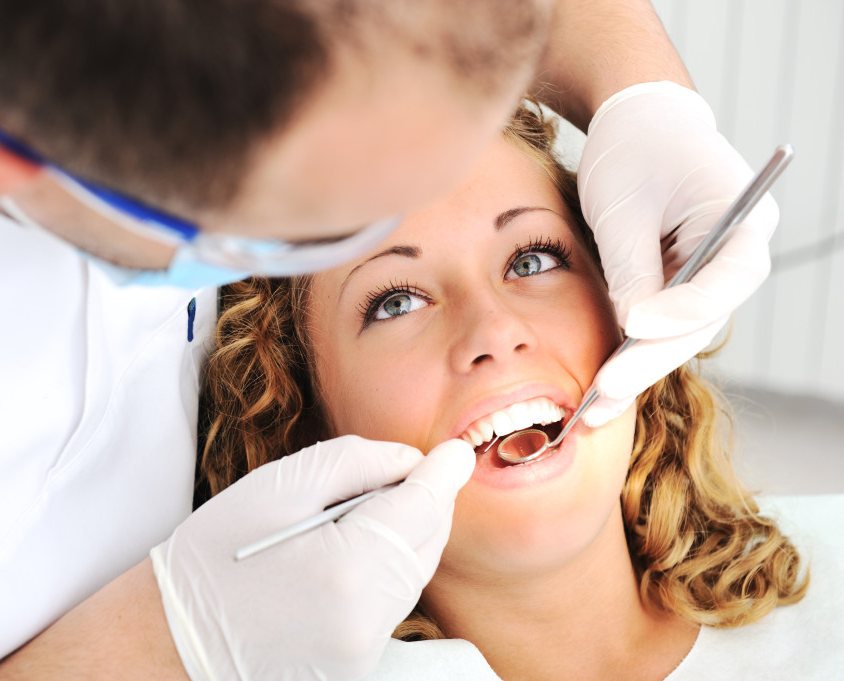
Dental surgery for an international patient may involve a single extraction or a coordinated full-mouth pathway combining infection control, endodontics, periodontal therapy, oral surgery, grafting and restorative dentistry. The correct plan should begin with diagnosis and preservation of teeth that have a predictable prognosis, rather than with a pre-set package.
Medical travel adds important questions: how many visits are genuinely required, which procedures can safely be combined, whether healing requires a second trip, how temporary teeth will be provided, which materials and systems are used, and who will manage complications after the patient returns home.
Dental problems are often painful, costly and sometimes embarrassing, and a low price abroad can be tempting. This guide is written to help you ask the questions that matter, understand what a sound plan looks like and recognize when a shorter, staged or more conservative approach is the safer one. It does not promise outcomes: every mouth, every tooth and every healing process is different.
Short Answer: Is India a Good Option for Dental Surgery?
For many patients, yes. Major Indian cities have multidisciplinary dental teams and modern imaging, and private self-pay treatment is usually far cheaper than in the USA, UK or Australia. But the best plan is not the one that does the most in the shortest visit. It starts with a tooth-by-tooth diagnosis, controls infection, respects biological healing and leaves you with a result you can maintain. Bone grafts and implant sites often need months to heal, so a second trip is sometimes the safer choice. Choose the right specialist, check sterilization, materials and laboratory, compare itemized quotations like for like, and arrange a local dentist for follow-up. Send your X-rays and records for a remote review.
| Topic | Planning Point |
|---|---|
| Common procedures | Surgical extractions, wisdom teeth, apicoectomy, periodontal surgery, cyst surgery, bone/soft-tissue grafting and pre-prosthetic surgery |
| Imaging | Intraoral X-rays, panoramic OPG and CBCT when 3D anatomy matters |
| Anaesthesia | Local anaesthesia; sedation or general anaesthesia for selected complex cases |
| Healing | Soft tissue often improves over days to weeks; bone grafts and implant sites can require months |
| International stay | Often 3-10 days for limited surgery; staged reconstruction may require two visits |
| Key risks | Pain, swelling, infection, bleeding, dry socket, nerve injury, sinus communication and graft failure |
| India cost advantage | Private self-pay treatment can be substantially lower than USA/UK/Australia, but compare materials and inclusions |
| Records to send | OPG, CBCT and intraoral X-rays, photographs, existing treatment plan, medical history, medicine list and details of previous implants or root-canal treatment |
| Major Indian hubs | Delhi NCR, Mumbai, Bengaluru, Chennai, Hyderabad, Ahmedabad, Kolkata, Kochi and other large cities |
| Companion | Useful after sedation or general anesthesia and after extensive surgery; an attendant visa can be arranged |
- Part 1 - Why India and is dental surgery right for you
- Part 2 - Assessment, medical history and imaging
- Part 3 - Extractions and wisdom teeth
- Part 4 - Root-end, gum and soft-tissue surgery
- Part 5 - Bone grafting and sinus lift
- Part 6 - Anesthesia, medicines and medical risk factors
- Part 7 - Complex care, staging and complications
- Part 8 - Choosing your surgeon, centre and city
- Part 9 - Recovery, follow-up and maintenance
- Part 10 - Cost, packages and quotations
- Part 11 - Your journey: records, travel, visa and going home
- Part 12 - Tools: questions, candidacy, FAQ and checklist
Why Do International Patients Choose India for Dental Surgery?
Patients travel for dental surgery for practical reasons, and the strongest ones are about reaching the right specialist and a well-run centre at a price that does not force a compromise on safety:
- Lower cost. Private Indian clinics often quote much less than self-pay prices in the USA, UK, Australia and other high-cost markets, although grafting, sedation and later restorative work can narrow the gap if they are not itemized.
- Multidisciplinary teams. Large centres offer oral surgeons, periodontists, endodontists and prosthodontists in one place, which helps with complex, sequenced plans.
- Modern imaging and digital workflows. Panoramic imaging, CBCT, intraoral scanning and CAD/CAM are widely available in good centres.
- Hospital backup. Complex surgery under general anesthesia can be done in facilities with hospital-level support.
- Shorter waits. Private care can often be scheduled promptly after a remote review.
- International patient support and English-speaking teams. Major clinics typically help with appointments, hospital letters for visas, airport pick-up and accommodation guidance.
- Efficient planning for limited surgery. A single extraction, wisdom-tooth surgery or apicoectomy can often be completed within a few days.
- A plan you can review first. A remote review of your X-rays can tell you which teeth are worth saving, which procedures are needed and whether a staged plan is safer, before you commit to travel.
Spreading facial swelling, fever, difficulty swallowing or breathing, uncontrolled bleeding, facial trauma, a suspected oral cancer or severe pain with illness needs prompt assessment where you are. Elective dental travel should never delay urgent treatment.
Low cost should be the beginning of your evaluation, not the end of it. The sections that follow explain which procedures you may actually need, how healing affects the timetable, how to judge a surgeon, centre and laboratory, and how to plan your stay and follow-up.
How Does India Compare with Other Medical Travel Destinations?
(Dental Surgery for International Patients in India)
Many patients also look at dental centres in other countries before deciding. There is no single best country for every patient; the right choice depends on where you live, your diagnosis and what you can verify about the specialist and the clinic. These are the factors worth comparing:
| Factor | What to compare | How India generally fares |
|---|---|---|
| Cost | The full itemized package: specialist, imaging, sedation, grafts, laboratory work and exclusions | Often much lower than self-pay pricing in Western countries; materials and scope can narrow the saving |
| Specialist level | Whether the right specialist performs each stage, and their experience in similar cases | Multidisciplinary teams exist in major cities; verify who does what |
| Infection control | Sterilization, single-use items, disinfection and waterline protocols | Good centres follow international principles; ask for specifics |
| Materials and laboratory | Which materials are used, which laboratory makes them and what documentation you receive | Varies; insist on traceability and written details |
| Healing and timetable | Whether the plan respects healing time and allows a second visit | A staged plan is often safer than compressing everything into one trip |
| Distance and stay | Length of the flight and the 3-10 days or more you may need to stay | Depends on where you live: relatively close for patients from South Asia, the Middle East and East Africa, and a long-haul journey from the Americas and parts of Europe |
| Visa | Visa type, processing time and attendant visa rules | India has a dedicated medical visa system with attendant categories; always confirm current rules for your nationality |
| Follow-up | Who will review healing and manage complications at home | Depends on the plan; ask for a defined pathway before you commit |
- Ask every clinic for the same itemized written plan: the tooth-by-tooth diagnosis, procedures, materials, anesthesia and exclusions.
- Compare diagnosis, specialist level and infection control first and the price second.
- Compare the total pathway cost: surgery, imaging, grafts, temporary teeth, laboratory work, a possible second trip, flights, accommodation and a companion.
- Judge the quality of the plan, not the number of procedures offered in one visit.
- Compare the follow-up plan: who will review healing and treat a complication after you return home?
What Is Dental Surgery?
Dental surgery includes procedures on teeth, roots, gums, jaw bone and supporting tissues. Some are performed by general dentists with surgical training; complex cases may require oral and maxillofacial surgeons, periodontists, endodontists or prosthodontists.
When Is Surgery Needed?
Common indications include non-restorable teeth, impacted wisdom teeth, persistent root-end infection, periodontal defects, cysts, inadequate bone for reconstruction and pathology requiring biopsy. Surgery should have a defined diagnosis and objective.
When Surgery May Not Be Needed
A painful tooth may sometimes be saved with root-canal treatment and restoration. Early periodontal disease may respond to nonsurgical therapy. Impacted wisdom teeth without disease do not automatically require removal.
Is Dental Surgery Right for You? A Short Checklist
| Question | Why it matters | Who answers it |
|---|---|---|
| Do I have a clear, tooth-by-tooth diagnosis? | Surgery should have a defined objective, and teeth with a predictable prognosis should be preserved | A dentist or specialist, with X-rays |
| Could the tooth be saved without surgery? | Root-canal treatment or non-surgical gum therapy may suffice | A dentist, endodontist or periodontist |
| Am I medically fit for the planned procedures? | Diabetes, blood thinners, bone medicines and radiotherapy can alter planning | Your physician and dentist |
| Can the plan respect healing time? | Grafts and implant sites can need months, so a second trip may be safer | The specialist, in writing |
| Do I have a local dentist for follow-up and maintenance? | Early review and long-term maintenance protect the result | You, with the clinic |
Preparing Yourself Before Dental Surgery (Prehab)
Preparation reduces risk. Always agree what is appropriate with your dentist, and never let preparation delay urgent treatment of infection:
- Getting a recent panoramic X-ray, and CBCT if one is advised, and collecting existing treatment plans
- Seeing your dentist for any urgent infection control and cleaning before you travel
- Reviewing medicines with your doctor, especially blood thinners and bone-strengthening medicines, without stopping them independently
- Controlling diabetes and blood pressure, and telling the team about allergies
- Stopping or substantially reducing smoking around surgery, as advised
- Improving daily oral hygiene, which lowers infection risk
- Asking your local dentist or specialist for a tooth-by-tooth prognosis if the plan is large
- Planning a companion if sedation or general anesthesia is likely, with accommodation near the clinic
- Keeping flights flexible until the treatment sequence is confirmed
Preparation should never delay urgent treatment. Your dentist will tell you if time is critical.
Pre-Travel Dental Assessment
Send a recent treatment plan, dental X-rays, panoramic OPG, CBCT if available, medical history, medication list and details of previous implants or root-canal treatment. Photos can help triage but do not replace examination.
Medical Conditions That Matter
Diabetes, anticoagulants, heart disease, immunosuppression, osteoporosis medicines, kidney/liver disease, bleeding disorders, allergies and previous head-neck radiotherapy can alter surgical planning and healing.
Dental X-rays and OPG
Intraoral radiographs show individual teeth and bone detail; panoramic imaging provides an overview of jaws, impacted teeth and major anatomy. Imaging should be recent enough to support the proposed procedure.
CBCT 3D Imaging
Cone-beam CT is useful when the relationship to the inferior alveolar nerve, maxillary sinus, bone dimensions or complex pathology must be assessed in three dimensions. It should be used when it changes planning, not routinely for every patient.
Assessment and Imaging for International Patients in India - At a Glance
| Item | What it shows | Key points to ask about |
|---|---|---|
| Intraoral X-rays | Individual teeth, roots and bone detail | Whether they are recent enough to support the plan |
| Panoramic OPG | Overview of jaws, impacted teeth and major anatomy | A common first image for remote review |
| CBCT | Three-dimensional relationship to the nerve and sinus, bone dimensions and complex pathology | Used when it changes planning, not routinely |
| Medical history and medicine list | Diabetes, anticoagulants, bone medicines, heart and other conditions | Which conditions change healing or bleeding risk |
| Photographs | Triage of the mouth and soft tissues | They do not replace examination |
| Tooth-by-tooth prognosis | Which teeth to keep, treat or remove, and in what order | Essential for large plans |
Tooth Extraction
Extraction is appropriate when a tooth is non-restorable, severely infected, fractured or strategically unsuitable. Atraumatic technique can preserve bone for future restoration.
Surgical Extraction
Broken roots, heavily damaged teeth or difficult anatomy may require a gum incision, limited bone removal and sectioning of the tooth. Sutures are often placed.
Wisdom Tooth Surgery in India
Impacted third molars can cause recurrent infection, decay, periodontal damage, cystic change or pain. CBCT may be appropriate when lower wisdom roots lie close to the inferior alveolar nerve.
Nerve Risk in Lower Wisdom Teeth
Injury to the inferior alveolar or lingual nerve can cause altered sensation of the lip, chin or tongue. Most sensory changes recover, but persistent injury is possible. High-risk anatomy should be discussed before surgery.
Coronectomy
In selected high-risk lower wisdom teeth, the crown may be removed while intentionally retaining roots close to the nerve. It is not appropriate when roots are infected or otherwise unsuitable.
Dry Socket
Alveolar osteitis causes significant pain several days after extraction when the socket clot breaks down. Smoking and traumatic extraction increase risk. Treatment focuses on local care and pain control.
Sinus Communication
Upper molar extraction can occasionally create a communication with the maxillary sinus. Small openings may heal with precautions; larger defects may need surgical closure.
Extractions and Wisdom Teeth - At a Glance
| Procedure or issue | What it involves | Key points to ask about |
|---|---|---|
| Simple extraction | Removal of a non-restorable, severely infected or fractured tooth | Whether bone preservation is planned for a future restoration |
| Surgical extraction | Incision, limited bone removal and sectioning for broken roots or difficult anatomy | Sutures and expected healing |
| Wisdom tooth surgery | Removal of impacted third molars causing infection, decay or pain | Whether CBCT is needed for lower roots near the nerve |
| Coronectomy | Crown removed with roots deliberately left near the nerve | Only for selected high-risk lower wisdom teeth with unsuitable roots excluded |
| Nerve injury | Altered sensation of the lip, chin or tongue | Most recover, but persistent injury is possible; discuss before surgery |
| Dry socket and sinus communication | Pain days after extraction, or an opening into the sinus after an upper molar extraction | Smoking raises dry-socket risk; larger sinus defects may need closure |
Root Canal Treatment vs Extraction
A restorable tooth with adequate periodontal support may be better preserved through endodontic treatment than extracted. Prognosis depends on remaining tooth structure, cracks, infection and restorability.
Apicoectomy / Root-End Surgery
When infection persists around the root tip despite appropriate root-canal treatment, an endodontic surgeon can remove the diseased root end and seal it retrogradely. CBCT often helps case selection.
Periodontal Surgery in India
Advanced gum disease can require flap surgery, regenerative procedures, osseous reshaping or grafting after nonsurgical therapy. Long-term success depends on plaque control and maintenance.
Gum Grafting
Connective-tissue or other soft-tissue grafts can treat selected recession defects, improve tissue thickness and protect roots. Cosmetic expectations should be realistic.
Crown Lengthening
Crown lengthening reshapes gum and sometimes bone to expose more tooth for restoration or selected aesthetic indications. Restorative planning should be coordinated before surgery.
Dental Cysts
Jaw cysts may require enucleation, marsupialization or biopsy depending on size and diagnosis. Tissue removed should be sent for histopathology when clinically indicated.
Biopsy of Oral Lesions
Persistent ulcers, red/white patches, unexplained swellings or suspicious lesions require proper evaluation. Medical travel should never delay urgent biopsy of a potentially malignant lesion.
Endodontic, Gum and Soft-Tissue Procedures - At a Glance
| Procedure | What it addresses | Key points to ask about |
|---|---|---|
| Root-canal treatment | A restorable tooth with adequate support, as an alternative to extraction | Remaining tooth structure, cracks and restorability |
| Apicoectomy | Persistent infection at the root tip despite root-canal treatment | Whether CBCT supports case selection |
| Periodontal surgery | Advanced gum disease after non-surgical therapy | Long-term success depends on plaque control and maintenance |
| Gum grafting | Selected recession, thin tissue and exposed roots | Realistic cosmetic expectations |
| Crown lengthening | Exposing more tooth for restoration or selected aesthetic needs | Coordinate restorative planning beforehand |
| Cyst surgery and biopsy | Jaw cysts and suspicious lesions | Tissue is sent for histopathology; never delay urgent biopsy |
Bone Grafting
Bone grafting can rebuild deficient jaw bone after tooth loss, infection or trauma. Materials may include autogenous bone, allograft, xenograft or synthetic substitutes, chosen according to defect and procedure.
Socket Preservation
Graft material can be placed after extraction to reduce collapse of the ridge when future implant or restorative treatment is planned. It does not completely prevent natural remodeling.
Guided Bone Regeneration
Barrier membranes and graft materials can regenerate selected horizontal or vertical defects. Larger defects are technically demanding and require longer healing.
Sinus Lift
Posterior upper-jaw implant sites may lack vertical bone because of sinus anatomy. Internal or lateral sinus augmentation can create bone volume, but sinus health and membrane integrity are important.
Soft-Tissue Management
Adequate keratinized tissue and stable gingival contours can improve hygiene, comfort and aesthetics around teeth and implants. Soft-tissue grafting may be staged or combined.
Grafting Procedures for International Patients in India - At a Glance
| Procedure | What it does | Key points to ask about |
|---|---|---|
| Socket preservation | Graft placed after extraction to reduce ridge collapse | It reduces but does not prevent natural remodeling |
| Bone grafting | Rebuilds deficient jaw bone using autogenous, allograft, xenograft or synthetic material | Which material is used and why |
| Guided bone regeneration | Membranes and grafts regenerate horizontal or vertical defects | Larger defects are demanding and need longer healing |
| Sinus lift | Creates bone volume in the posterior upper jaw | Sinus health and membrane integrity are important |
| Soft-tissue management | Adequate keratinized tissue around teeth and implants | May be staged or combined with grafting |
Sedation Dentistry
Oral, inhalational or intravenous sedation can reduce anxiety for selected patients. Sedation does not replace local anesthesia and requires appropriate monitoring and escort arrangements.
General Anaesthesia
General anesthesia may be used for extensive surgery, selected medically complex patients, severe anxiety or multiple impacted teeth. Hospital or accredited surgical-facility standards are important.
Antibiotics in Dental Surgery
Antibiotics are not automatically required for every extraction. They are used when infection pattern, procedure or medical risk justifies them. Unnecessary antibiotic use contributes to resistance.
Pain and Swelling
Swelling commonly peaks during the first few days after oral surgery and then improves. Analgesia, cold therapy when appropriate, hydration and instructions on oral hygiene are important.
Bleeding After Surgery
Mild oozing is common. Persistent active bleeding needs assessment, particularly in patients taking anticoagulants or with bleeding disorders. Anticoagulant changes should be coordinated with the prescribing physician.
Smoking and Healing
Smoking increases dry-socket risk and can impair soft-tissue and bone healing. Patients should stop or substantially reduce smoking around surgery according to clinical advice.
Diabetes and Dental Surgery
Poorly controlled diabetes can increase infection and healing problems. Elective complex reconstruction is safer when glucose control is optimized.
Bisphosphonates and Antiresorptive Drugs
Some antiresorptive and antiangiogenic medicines are associated with medication-related osteonecrosis of the jaw. Drug type, dose, indication and duration should be reviewed before invasive procedures.
Dental Surgery After Radiotherapy
Jaw surgery in previously irradiated tissue can carry impaired-healing and osteoradionecrosis risk. Radiation field and dose should be reviewed, and complex cases need specialist planning.
Medical Factors for International Patients in India - At a Glance
| Factor | Why it matters | What to ask or do |
|---|---|---|
| Blood thinners | Bleeding risk; many minor procedures can proceed with local measures | Never stop prescribed anticoagulants without medical advice |
| Diabetes | Poor control increases infection and healing problems | Optimize glucose before elective reconstruction |
| Bisphosphonates and antiresorptives | Associated with medication-related osteonecrosis of the jaw | Review the drug, dose, indication and duration before invasive procedures |
| Previous jaw radiotherapy | Impaired healing and osteoradionecrosis risk | Review the radiation field and dose; complex cases need specialist planning |
| Smoking | Raises dry-socket risk and impairs healing | Stop or reduce around surgery as advised |
| Sedation or general anesthesia | Needs monitoring and an escort | Confirm the anesthesia team and facility standard |
Full-Mouth Dental Rehabilitation in India
Patients with widespread disease may need staged periodontal treatment, endodontics, extractions, provisional restorations and later definitive prosthodontics. Biological priorities should precede cosmetic finishing.
Immediate vs Staged Treatment
Some procedures can be combined safely, while graft maturation, infection resolution and tissue healing may require months. A second trip is often preferable to compressing biology into an unrealistic schedule.
Temporary Teeth During Healing
Removable provisional dentures, temporary bridges or other solutions may be used while tissues heal. Their design should avoid damaging grafts or surgical sites.
Digital Dentistry
Intraoral scanning, digital smile planning, CAD/CAM and guided surgery can improve workflow and communication. Digital technology does not compensate for poor diagnosis or inadequate tissue support.
Complex Dental Infection
Facial swelling, fever, difficulty swallowing, trismus or spreading infection can become an emergency. Drainage, extraction/root treatment and antibiotics may be needed. Airway-threatening infection requires hospital care.
Failed Previous Dental Treatment
Retreatment should identify why the first procedure failed: recurrent decay, fracture, persistent infection, periodontal disease, poor implant position or prosthetic overload. Simply repeating the same treatment can reproduce failure.
Oral Surgery and Blood Thinners
Many minor dental procedures can be performed without stopping anticoagulants, using local hemostatic measures, but management depends on the drug and bleeding risk. Patients should never stop prescribed anticoagulation without medical advice.
Pregnancy and Dental Surgery
Urgent dental infection should be treated during pregnancy when necessary. Elective procedures, radiography and medication choices should be coordinated with obstetric considerations.
Older Patients
Age alone does not prevent dental surgery. Frailty, medications, bone quality, dexterity for hygiene and restorative goals matter more than chronological age.
Outcomes and Expectations
Successful dental surgery should resolve disease, preserve or rebuild function and create a stable foundation for restoration. Cosmetic appearance, chewing and longevity depend on the entire treatment plan, not the surgery alone.
Common Complications
Possible complications include pain, swelling, infection, bleeding, dry socket, delayed healing, nerve injury, sinus communication, adjacent-tooth damage, graft exposure or failure and need for further surgery.
Complications and Safety for International Patients in India - At a Glance
| Issue | What it can look like | What to ask or do |
|---|---|---|
| Infection | Facial swelling, fever, trismus or difficulty swallowing | Treat as an emergency if airway or swallowing is affected |
| Bleeding | Persistent active bleeding beyond mild oozing | Seek assessment, especially with anticoagulants |
| Dry socket | Significant pain several days after extraction | Local care and pain control |
| Nerve injury | Numbness or altered sensation of the lip, chin or tongue | Discuss risk before surgery; report persistent numbness |
| Sinus communication | Air or fluid passing between mouth and nose after an upper extraction | Ask about closure if the opening is large |
| Graft exposure or failure | Visible graft material, pus or loss of volume | Early review; a repeat procedure may be needed |
(Dental Surgery for International Patients in India)
Choosing a Dental Surgeon for International Patients in India
Choose the appropriate specialist for the procedure. Ask about training, case volume, similar complex cases, imaging, anesthesia arrangements, complication management and who performs each stage of a multidisciplinary plan.
Choosing a Dental Centre for International Patients in India
The centre should have appropriate sterilization, digital imaging, emergency support, reliable laboratory partners, traceable materials and access to relevant specialists. Complex general-anesthesia surgery is better suited to facilities with hospital-level backup.
Sterilization and Infection Control
Ask about instrument sterilization, single-use items, surface disinfection and waterline protocols. International patients should expect the same infection-control principles used in high-quality care elsewhere.
Dental Laboratory Quality
Crowns, bridges and prostheses depend on laboratory accuracy and material traceability. Ask what material is being used, which laboratory manufactures it and what documentation is provided.
Major Dental Treatment Hubs for International Patients in India
Delhi NCR, Mumbai, Bengaluru, Chennai, Hyderabad, Ahmedabad, Kolkata, Kochi and other large cities offer multidisciplinary dental care. Specialist quality and continuity matter more than city alone.
Warning Signs of an Unreliable Offer
Medical travel works best when the information you receive is specific, itemized and clinically sensible. Be cautious if you see any of the following:
- A full-mouth plan with no tooth-by-tooth diagnosis or prognosis
- Recommending extraction of many teeth without explaining why they cannot be saved
- A promise to complete grafting, implants and final restorations in a few days when biology needs months
- No named specialist for surgery, or no information on who performs each stage
- Vague answers on sterilization, materials, laboratory or traceability
- General-anesthesia surgery offered in a clinic with no hospital backup
- A very low package price with imaging, grafts, anesthesia and follow-up excluded
- No plan for follow-up or for treating a complication after you return home
- Pressure to decide or pay quickly
What a Good International Patient Service Should Provide
A well-run programme should make the journey easier and safer at every stage:
- A named coordinator and a direct line to the clinical team before you travel
- Review of your actual X-rays by a dentist or specialist, and a written provisional plan with a tooth-by-tooth prognosis for larger cases
- Honest discussion of alternatives, including preserving teeth, non-surgical treatment and a second opinion
- Clarity about which procedures can be combined, which must wait for healing and whether a second visit is advised
- An itemized written estimate covering imaging, surgery, anesthesia, grafts, temporaries, laboratory work, follow-up and exclusions
- Information on sterilization, materials, the laboratory and documentation you will receive
- A hospital or clinic letter for your medical visa application, and guidance for attendant visas
- Airport pick-up, assistance on arrival and accommodation near the clinic
- Interpreter support where needed
- Radiographs or CBCT, an operative record, graft and material details, prescriptions and a maintenance plan when you leave
- A defined pathway after you return home, including a named local dentist and what to do about a complication
(Dental Surgery for International Patients in India)
Recovery After Extraction and Oral Surgery for International Patients in India
For many routine procedures, discomfort and swelling improve over several days. More extensive grafting or multiple extractions can require longer. Patients should follow diet, hygiene, medication and activity instructions.
Eating After Dental Surgery
Soft, nutritious food and adequate hydration support recovery. Avoid trauma to the surgical area and follow procedure-specific instructions. Very hot foods and alcohol may be restricted early.
Oral Hygiene After Surgery
Cleanliness reduces infection risk, but vigorous brushing directly over fresh surgical sites may be restricted. Chlorhexidine or other rinses may be recommended selectively.
Return to Work
Many patients return to desk work within a few days after limited surgery. Multiple extractions, general anesthesia or major grafting may require more recovery time.
Flying After Dental Surgery
Routine uncomplicated dental surgery usually permits air travel after early stability, but sinus surgery, significant swelling, bleeding or general anesthesia can justify delay. Patients should receive individualized clearance.
Why Follow-Up Matters
Early review identifies infection, wound breakdown, dry socket, graft exposure and occlusal problems. Staged treatment requires documented healing before the next phase.
Long-Term Maintenance
Periodontal maintenance, professional cleaning, caries prevention, night guards when indicated and review of restorations are essential. Surgery cannot compensate for poor long-term hygiene.
Second Opinions for Large Treatment Plans
For extensive full-mouth plans, a second opinion can help determine which teeth are genuinely hopeless, which can be preserved and whether the sequence is biologically sound. This is particularly valuable before irreversible extractions.
Around Dental Surgery: What to Expect
| Stage | What usually happens |
|---|---|
| Before surgery | Remote review, a recent OPG or CBCT, control of infection, correction of medical risks, and final consent on the plan, materials and the number of visits |
| Day of surgery | Local anesthesia, sometimes with sedation, or general anesthesia for complex cases; surgery, sutures and sometimes grafts or temporary teeth |
| First days | Swelling that peaks in the first few days, pain control, soft food, gentle hygiene and monitoring for bleeding or infection |
| Early recovery in India | Review of healing, suture removal as needed and clearance to fly, commonly after 3-10 days for limited surgery |
| After you return home | Follow-up with a local dentist, documented healing before the next phase, possible second visit months later, and long-term maintenance |
Indicative Dental Surgery Costs for International Patients in India
| Procedure | Broad International-Patient Planning Range |
|---|---|
| Simple extraction | US$30-90+ per tooth |
| Surgical / impacted wisdom tooth | US$75-225+ per tooth |
| Root-canal treatment | US$90-260+ per tooth |
| Apicoectomy | US$190-450+ per tooth |
| Periodontal flap surgery | US$190-525+ per region |
| Gum graft | US$225-600+ per site |
| Socket / localized bone graft | US$190-525+ |
| Sinus lift / larger graft | US$450-1,125+ |
| Complex cyst / oral surgery | US$375-1,500+ depending on pathology |
These are broad private-care planning estimates rather than guaranteed prices. Imaging, sedation, general anesthesia, pathology, graft materials, hospital charges and definitive restorative work can be separate.
What Should the Quotation Include?
Ask for itemization of consultation, imaging, surgeon, anesthesia or sedation, graft and membrane materials, pathology, medicines, temporary teeth, laboratory work, definitive restorations and follow-up. If treatment is staged, obtain the expected cost of both visits.
Why Dental Quotations Differ
Differences can reflect specialist level, complexity, graft materials, laboratory materials, CBCT, sedation, hospital setting and whether provisional and definitive restorations are included. A lower quotation may simply describe a smaller scope.
Dental Surgery Cost - India vs Other Countries
| Representative Procedure | India | USA | UK Private | Australia Private | Approx. India Saving* |
|---|---|---|---|---|---|
| Impacted wisdom tooth | $75-225+ | $500-1,500+ | $350-800+ | $400-1,000+ | Approx. 36-95% |
| Apicoectomy | $190-450+ | $1,000-2,500+ | $700-1,500+ | $800-1,800+ | Approx. 36-92% |
| Bone graft / sinus augmentation | $450-1,125+ | $2,500-6,000+ | $1,500-4,000+ | $2,000-5,000+ | Approx. 25-93% |
*Broad private/self-pay comparisons only. Procedure definitions and materials differ, so actual savings should be calculated from matched written quotations.
Budgeting for the Whole Pathway, Not Just the Procedure
The procedure is only one part of the budget. Ask for the surgical quotation, then add:
- A contingency for an extra procedure found at examination, a complication, or an extra week in India
- Imaging, including CBCT, and any pathology, if they are not in the quotation
- Sedation or general anesthesia and any hospital charges, which are often separate
- Graft and membrane materials, temporary teeth and laboratory work for definitive restorations
- A second trip, if grafting or reconstruction needs months of healing before the next stage
- Return flights for you and a companion, with flexibility to change dates
- Accommodation near the clinic for the whole stay, commonly several days to 7-10 days
- Local transport, meals and airport transfers
- Visa fees, travel insurance and any attendant visa costs
- Follow-up, maintenance and hygiene visits with your dentist at home
Dental Quotation Comparison Table
| Item | Clinic A | Clinic B |
|---|---|---|
| Diagnosis / tooth-by-tooth plan | ||
| Specialist performing surgery | ||
| Imaging / CBCT | ||
| Surgery fees | ||
| Sedation / anesthesia | ||
| Graft / membrane materials | ||
| Pathology | ||
| Temporary restorations | ||
| Definitive laboratory work | ||
| Follow-up | ||
| Second visit required? | ||
| Complication exclusions | ||
| Total pathway estimate |
Remote Review Before Travel
Send OPG/CBCT and intraoral X-rays, photographs, existing treatment plans, medical history and details of implants/restorations. For large plans, request a tooth-by-tooth prognosis and sequence.
- Recent OPG panoramic X-ray and, if available, CBCT
- Intraoral X-rays and clinical photographs
- Current dental treatment plan and charting
- Medical history, allergies and medicine list
- Details of previous implants, root-canal treatment and restorations
- Records of any previous oral surgery or sinus problems
- Blood thinner or bisphosphonate details, if relevant
- Passport copy
Typical International-Patient Journey
Remote review is followed by arrival examination and imaging confirmation, disease-control treatment, surgery, early review and either definitive restoration or a planned healing interval. Some reconstructions require a second visit months later.
How Long to Stay in India
A limited extraction or minor surgery may need only several days; multiple procedures or grafting commonly justify 7-10 days. Staged reconstruction may require a later trip after healing.
When a Second Trip Is Better
Bone graft maturation and soft-tissue healing cannot be accelerated safely for travel convenience. A second visit can produce a more predictable result than rushing definitive work.
Airline and Travel Practicalities After Dental Surgery
Airline rules differ, so confirm each point with your airline and surgeon before you fly:
| Topic | What to arrange |
|---|---|
| Fit-to-fly clearance | Ask your surgeon to confirm in writing that you are safe to travel, stating the procedures and dates, and carry it in hand luggage |
| Sinus surgery caution | After a sinus lift or upper-jaw surgery, ask specifically when flying is safe, as pressure changes can be uncomfortable and may affect healing; avoid nose-blowing |
| Swelling and bleeding | Do not fly while swelling is increasing or bleeding is not controlled; allow the early peak of swelling to pass before a long flight |
| Medicines | Carry pain relief, antibiotics, mouthwash and any prescribed medicines in hand luggage with a prescription |
| Soft food and hydration | Pack soft, easily eaten food and drink water; avoid hot drinks and straws if advised |
| Records | Carry X-rays or CBCT copies, operative notes, graft and material details and the follow-up plan |
| Flexible tickets and insurance | Book a flexible return and check what travel insurance covers for surgical complications; do not schedule extensive surgery just before an inflexible long-haul departure |
Accommodation and Attendant
Stay within practical reach of the clinic during early recovery. A companion is useful after sedation/general anesthesia or extensive surgery.
Visa and Travel Planning for International Patients in India
Verify current Indian visa requirements and keep flights flexible until the treatment sequence is confirmed. Extensive reconstruction should not be scheduled immediately before an inflexible long-haul departure.
Records to Take Home
Obtain radiographs/CBCT, operative notes, pathology where relevant, material/graft details, prescriptions, laboratory documentation and a clear maintenance/follow-up plan.
Arranging Your Follow-Up Care at Home Before You Leave
Set up your home team before you travel and confirm it again before you fly home:
| Who | Role |
|---|---|
| Local dentist | Examines you in person, checks healing, removes sutures if needed and continues maintenance using your records |
| Emergency dentist or emergency department | Knows what surgery you have had and can see you urgently for swelling, fever, bleeding or severe pain, using your records |
| Periodontist and hygienist | Manages gum disease and long-term maintenance cleaning |
| Oral surgeon or family doctor | Handles bleeding, infection or problems after sinus surgery, and reviews general health and medicines |
| Dental laboratory or restorative dentist | Completes definitive crowns or restorations if work is staged |
| Overseas surgical team | Teleconsultations, review of X-rays and advice on the plan |
- Written fit-to-fly clearance
- Operative note and procedure list
- Radiographs or CBCT copies
- Graft and material details
- Pathology report, where relevant
- Medicine and diet/hygiene instructions
- Warning signs and emergency contacts
- Follow-up and maintenance schedule
- Plan and timing for the second visit, if any
- Name of the local dentist who will see you
Warning Signs After Returning Home
Urgent review is needed for increasing facial swelling, fever, difficulty swallowing or breathing, uncontrolled bleeding, persistent numbness, severe worsening pain, pus, graft exposure or sinus symptoms after upper-jaw surgery.
Increasing facial swelling, fever, difficulty swallowing or breathing, bleeding that will not stop, persistent numbness, severe worsening pain, pus, an exposed graft or sinus symptoms after upper-jaw surgery needs urgent assessment where you are. Difficulty breathing or swallowing is an emergency: go to an emergency department. Tell the team what surgery you have had, show your records, and contact your surgical team afterwards.
Twenty Questions to Ask the Dental Surgeon in India
- 1. What is my diagnosis, tooth by tooth?
- 2. Which teeth can be saved and which cannot?
- 3. Why is surgery recommended rather than root-canal treatment or monitoring?
- 4. Who will perform my surgery, and how many of this procedure do they do?
- 5. Do I need a CBCT scan, and why?
- 6. Will I have local anesthesia, sedation or general anesthesia?
- 7. What is the risk to nearby nerves or the sinus in my case?
- 8. Is a bone graft needed, and what graft material will be used?
- 9. How many visits will I need, and is a second trip advisable?
- 10. What temporary teeth will I have in the meantime?
- 11. What materials and laboratory will be used for definitive work?
- 12. How are instruments sterilized and materials traced?
- 13. Do I need antibiotics, and which medicines will I take?
- 14. How long will healing take at each stage?
- 15. When is it safe to fly home?
- 16. What is included and excluded in the quotation?
- 17. Who treats complications, and at whose cost?
- 18. How do my other medical conditions or medicines affect the plan?
- 19. What records will I receive for my dentist at home?
- 20. What symptoms mean I need urgent help once I am home?
Who May Be a Good Candidate for Dental Treatment in India?
Medical travel can be reasonable when the diagnosis is clear, the patient is medically fit, the required specialist and materials are available, adequate healing time is respected and follow-up can continue at home. Cost savings are most meaningful for coordinated multi-procedure treatment when quality is comparable.
When Travel Should Not Delay Local Care
Spreading dental infection, airway symptoms, uncontrolled bleeding, facial trauma, suspected oral cancer and severe acute pain with systemic illness require prompt local assessment. Elective travel should not delay urgent treatment.
Frequently Asked Questions About Dental Surgery by International Patients in India
1. What does dental surgery cost in India?
Broad private planning ranges are around US$30-90+ for a simple extraction, US$75-225+ for a surgical wisdom tooth, US$190-450+ for an apicoectomy and US$450-1,125+ for a sinus lift or larger graft. Imaging, sedation and restorations can be separate.
2. How much can I save compared with my home country?
Savings are often substantial for multi-procedure plans, but they vary by procedure. Compare matched written quotations rather than headline ranges.
3. How long should I stay in India?
A limited extraction or minor surgery may need several days; multiple procedures or grafting commonly justify 7-10 days.
4. Will I need a second trip?
Possibly. Bone grafts and soft tissue need months to heal, and definitive restoration may have to wait for that healing.
5. Can all my dental work be done in one visit?
Sometimes, for limited plans. Extensive cases are usually better staged so that infection is controlled and healing is respected.
6. What is a dry socket?
A painful condition after extraction when the blood clot is lost from the socket. Avoid smoking, straws and vigorous rinsing, and seek review if pain worsens after a few days.
7. Can nerve injury happen after wisdom tooth removal?
It is uncommon but possible, especially for lower wisdom teeth close to the nerve. Ask your surgeon how close your tooth is and whether a CBCT scan is advised.
8. Will I need antibiotics?
Not always. They are used for infection or selected high-risk situations, and your surgeon will decide according to your case.
9. I take blood thinners. Can I have surgery?
Often yes, but do not stop them on your own. Your dentist, surgeon and prescribing doctor should agree a plan beforehand.
10. When can I fly after dental surgery?
After simple extractions, often within a few days once bleeding and swelling are controlled. After sinus lift or major surgery, wait for your surgeon's written clearance.
11. When can I return to work?
After simple procedures usually within a few days; after extensive surgery or grafting you may need a week or longer.
12. What is a sinus lift?
A procedure that adds bone to the floor of the sinus in the upper jaw so that there is enough bone for an implant.
13. Is bone grafting painful?
It is done under anesthesia, and discomfort and swelling afterwards are usually managed with medicines and cold packs.
14. What is an apicoectomy?
A surgery that removes the tip of a tooth root and seals it, usually when infection persists after root-canal treatment.
15. Can a tooth with a failing root canal be saved?
Sometimes, by retreatment or apicoectomy. A specialist assessment with imaging will show whether the tooth has a good outlook.
16. Can I eat normally afterwards?
You will usually need soft, cool food at first and should avoid chewing on the surgical area until your surgeon allows it.
17. Is anesthesia safe?
Local anesthesia and sedation are very safe in suitable patients, but your medical history should be reviewed beforehand and monitoring should be available.
18. What records should I send before travel?
OPG/CBCT, X-rays, photographs, your current treatment plan, medical history, medicine list and details of previous implants or root-canal work.
19. What warning signs mean I need urgent care at home?
Increasing facial swelling, fever, difficulty swallowing or breathing, uncontrolled bleeding, persistent numbness, severe worsening pain, pus or an exposed graft.
20. What matters most when choosing a clinic?
A clear tooth-by-tooth diagnosis, an appropriate specialist, sterilization standards, material traceability, honest staging and dependable follow-up.
21. Can I travel alone for dental surgery?
For simple procedures under local anesthesia, many patients do. After sedation, general anesthesia or extensive surgery, a companion is advisable, as you will need help getting home and managing early recovery.
22. What if I am unwell or have an urgent dental problem?
Do not delay urgent care to travel. Spreading infection, airway symptoms, bleeding and severe pain with fever need prompt local assessment, and elective travel should wait.
23. Is a lower price a reason to choose a clinic?
No. Compare the specialist, materials, scope and follow-up first. A lower quotation may simply describe a smaller scope and leave out imaging, sedation, grafts or restorations.
24. Can my home dentist follow me after surgery?
Often yes, but only if they have agreed in advance and received your X-rays, operative notes and material details. Confirm this before you leave India.
Dental Surgery Checklist for International Patients in India
Final Perspective for International Patients
(Dental Surgery for International Patients in India)
Dental treatment in India can offer significant private-care savings and access to multidisciplinary expertise, but successful medical travel depends on diagnosis, specialist selection and respect for healing time. The patient should understand which teeth are being saved, which are being removed, why grafting is necessary, what can safely be completed during one visit and what must wait. For extensive cases, the best plan is usually staged: eliminate infection, stabilize periodontal disease, perform necessary surgery, allow biological healing and then complete definitive reconstruction. A treatment plan that promises every stage immediately may be convenient for travel but not necessarily optimal for long-term oral health. International patients should return home with complete records and a named local dentist or specialist who can continue maintenance and respond to complications. The goal is not merely lower-cost dentistry; it is durable, maintainable oral health with a treatment sequence that remains sound after the flight home.
- 1. Mayo Clinic - Wisdom tooth extraction: https://www.mayoclinic.org/tests-procedures/wisdom-tooth-extraction/about/pac-20395268
- 2. Cleveland Clinic - Tooth extraction: https://my.clevelandclinic.org/health/treatments/22120-tooth-extraction
- 3. Government of India - Indian Visa Online (e-Medical Visa and e-Medical Attendant Visa): https://indianvisaonline.gov.in/evisa/
Important Medical Note. This guide provides general educational information and does not replace examination by a qualified dentist or dental specialist. Diagnosis, surgical need, imaging, medication, anesthesia, grafting, cost, travel timing and recovery must be individualized. Acute infection, trauma, uncontrolled bleeding or suspicious oral lesions require prompt local professional assessment.