

Urosurgery and Reconstructive Urology in India for Omanis: A Doctor’s Guide to Making the Right Decision
A practical guide for Omani patients covering urethral stricture surgery, urethroplasty, graft selection, costs, catheter removal and follow-up.
Urethral stricture disease is a condition many patients live with for years before seeking proper treatment, often cycling through repeated dilations or temporary procedures that address symptoms without fixing the underlying problem. It is also a condition patients are frequently reluctant to discuss openly, which can delay a genuinely effective, one-time solution. Over 24 years of advising Gulf patients on reconstructive urology, I want to speak plainly about what actually resolves this condition for good. Oman's hospitals, including Apollo Hospital Muscat, Badr Al Samaa, Aster Al Raffah, and Burjeel Medical Centre, provide urology consultation and can manage a range of urinary tract conditions. This guide is written to help Omani patients understand, honestly and without sales pressure, what genuinely fixes urethral stricture disease and other reconstructive urology conditions, and what to check carefully before deciding where to have surgery.
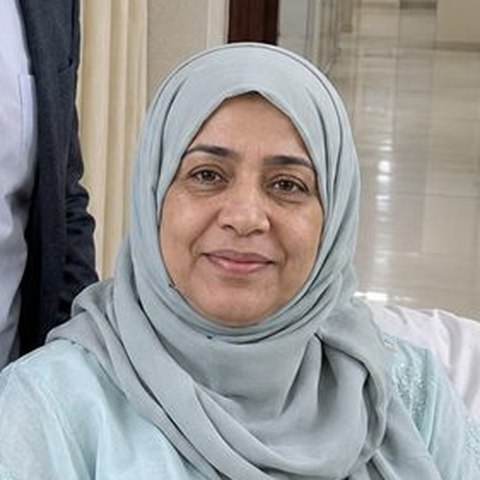
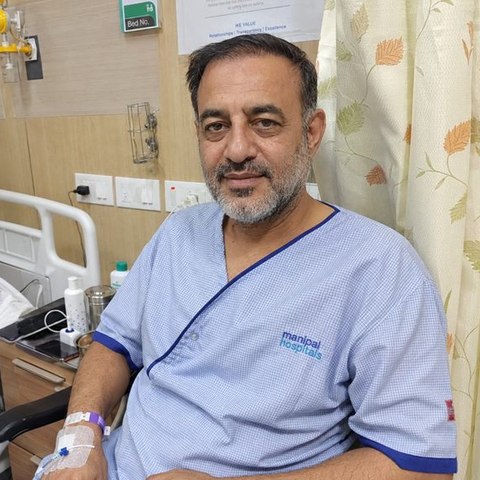
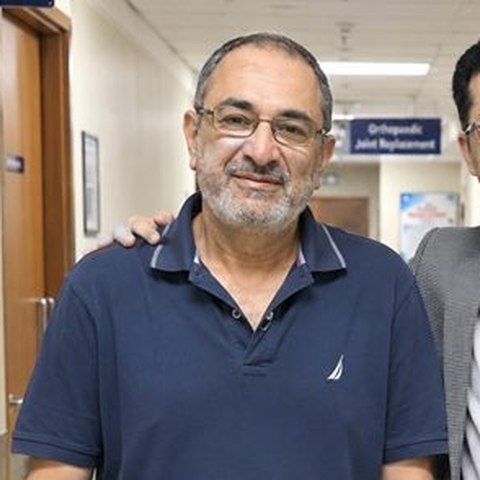
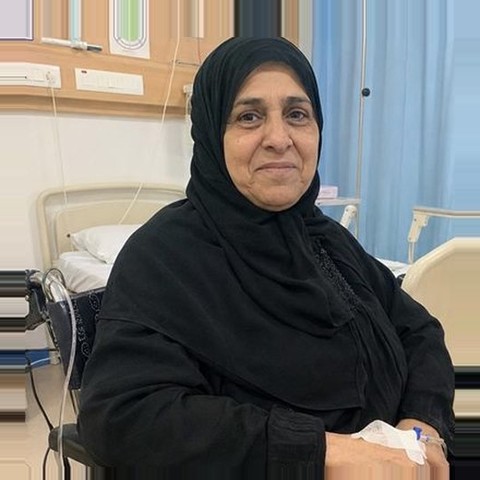
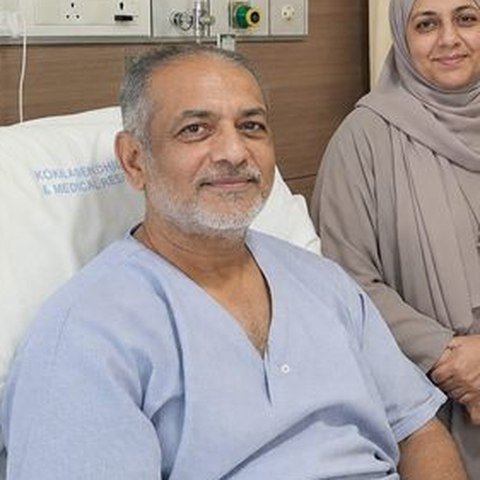
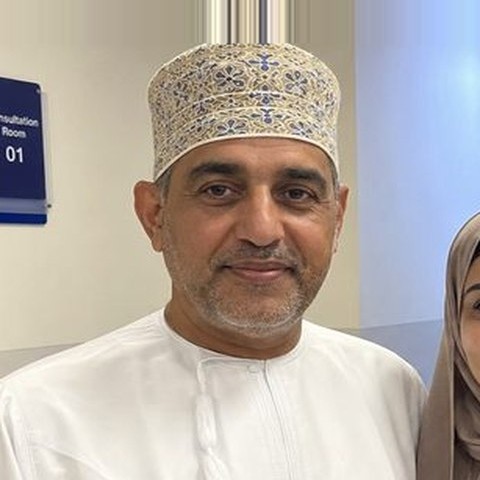
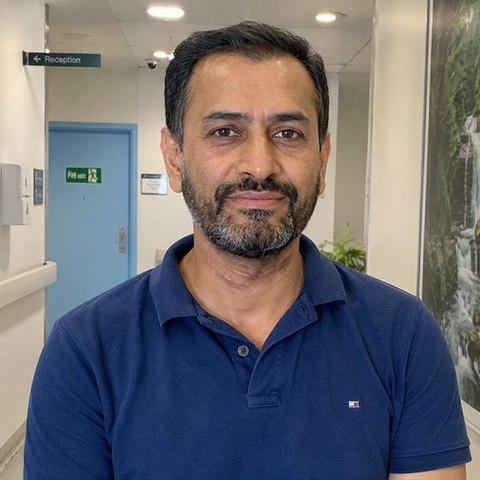
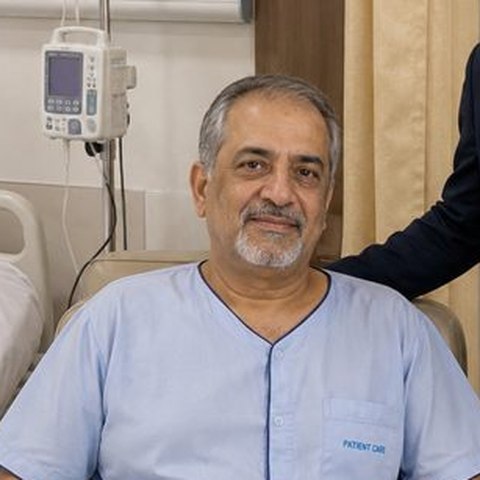
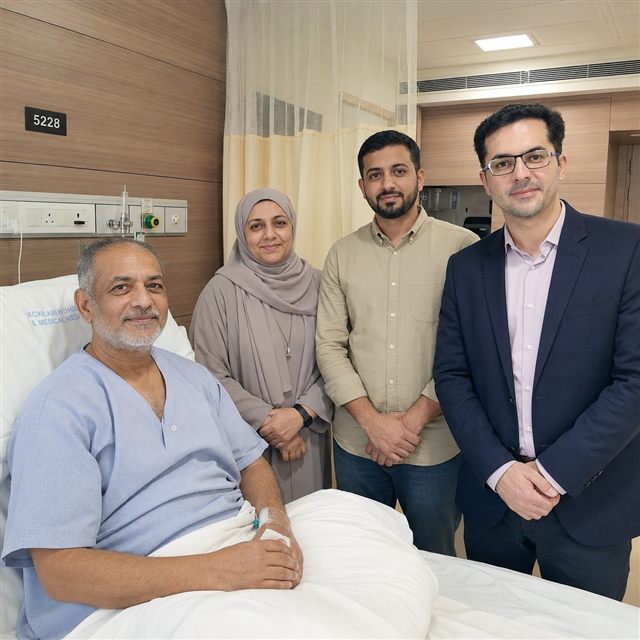
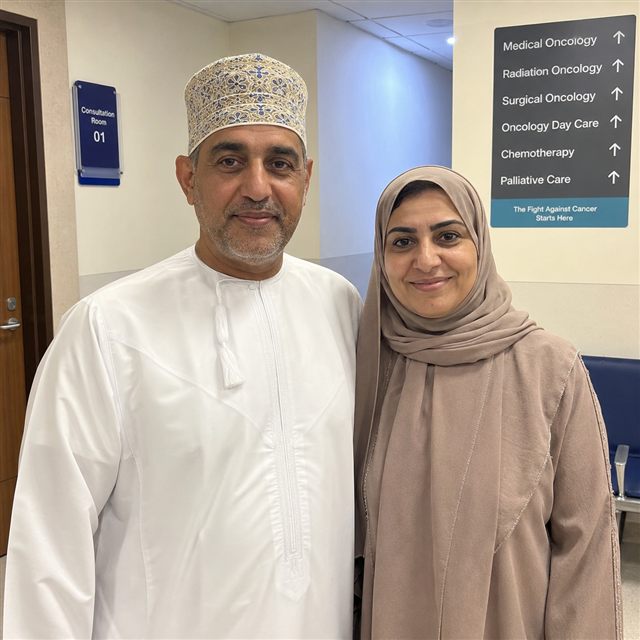
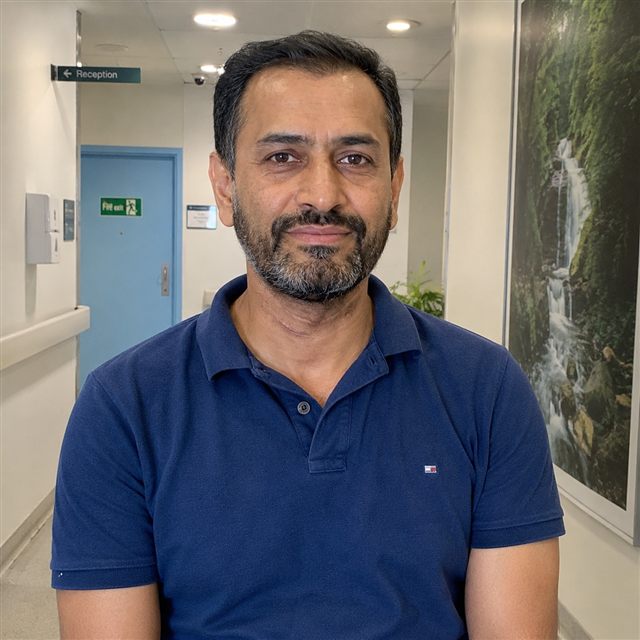
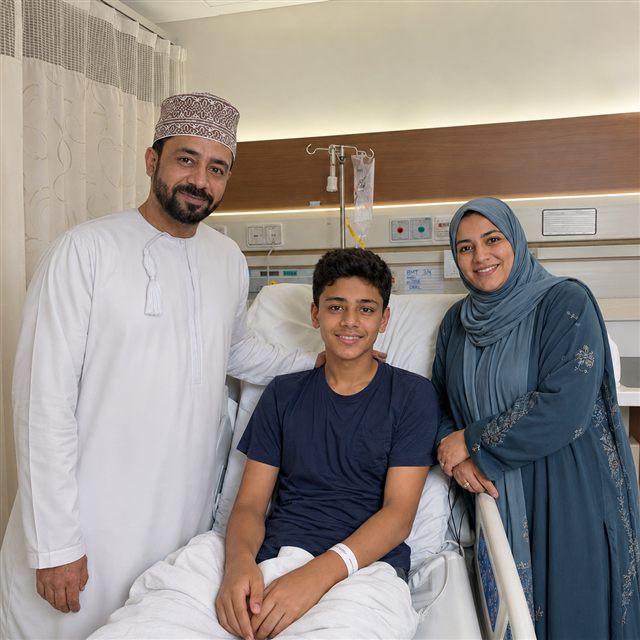
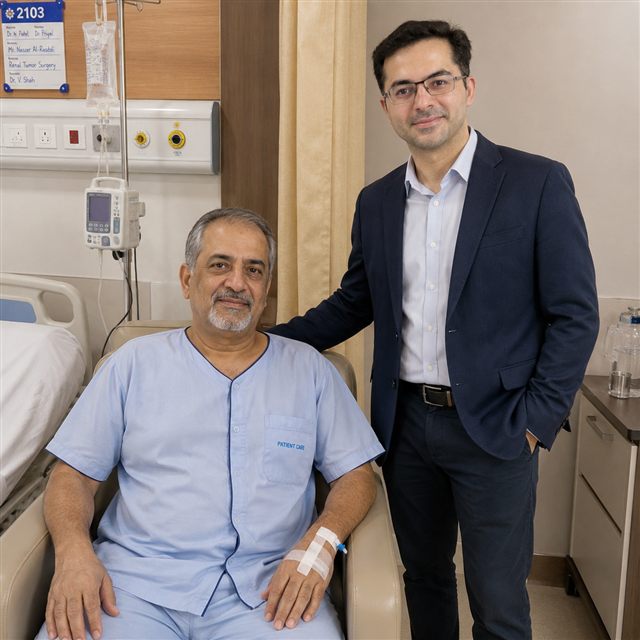
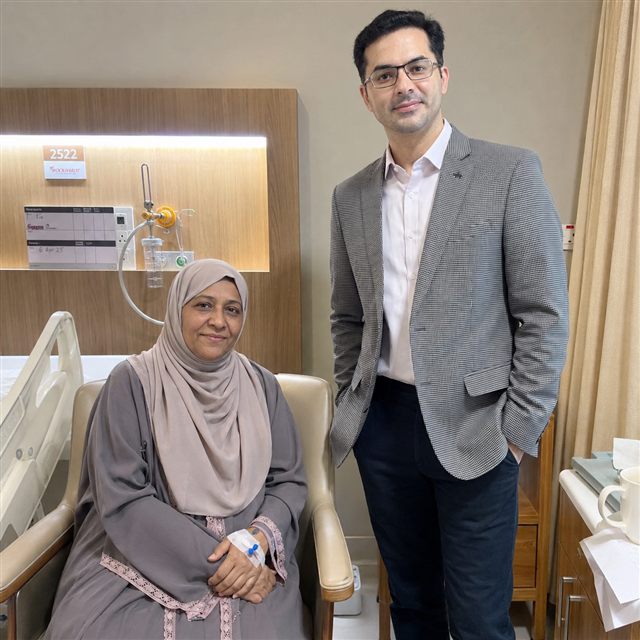
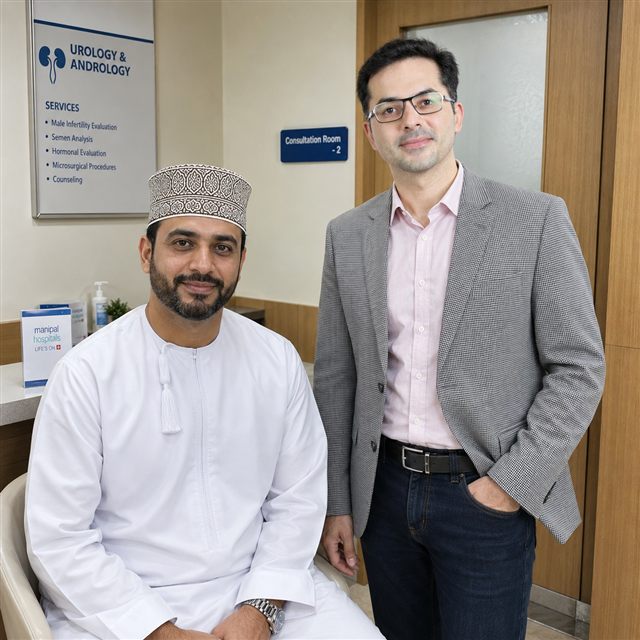
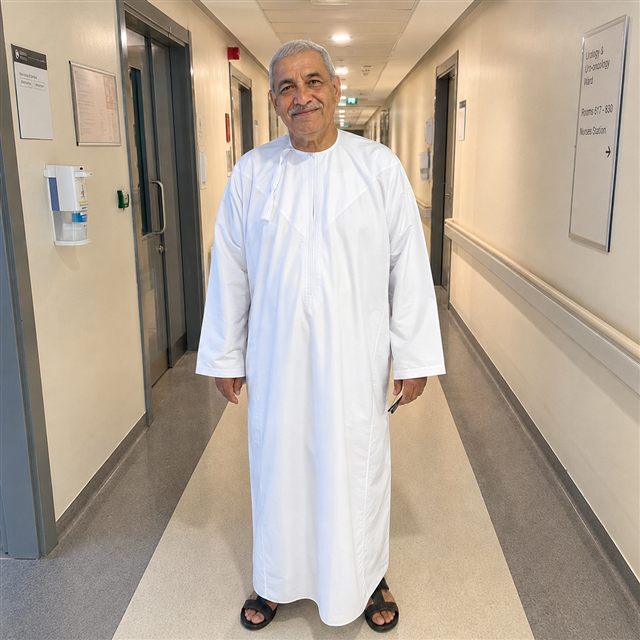
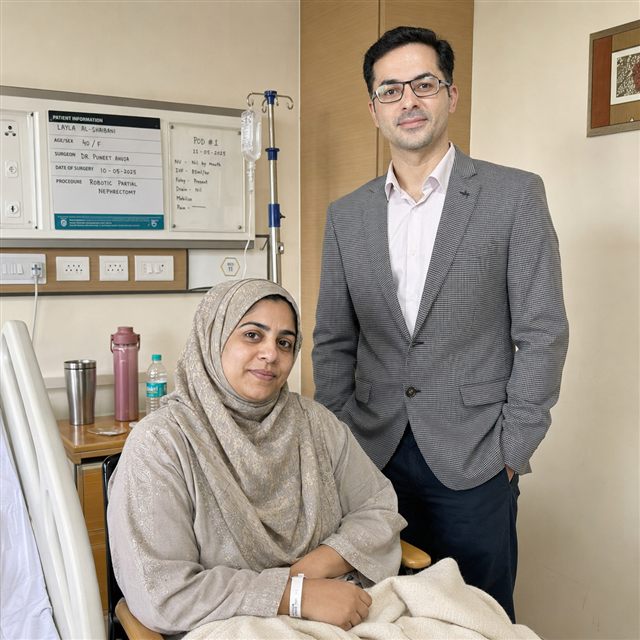
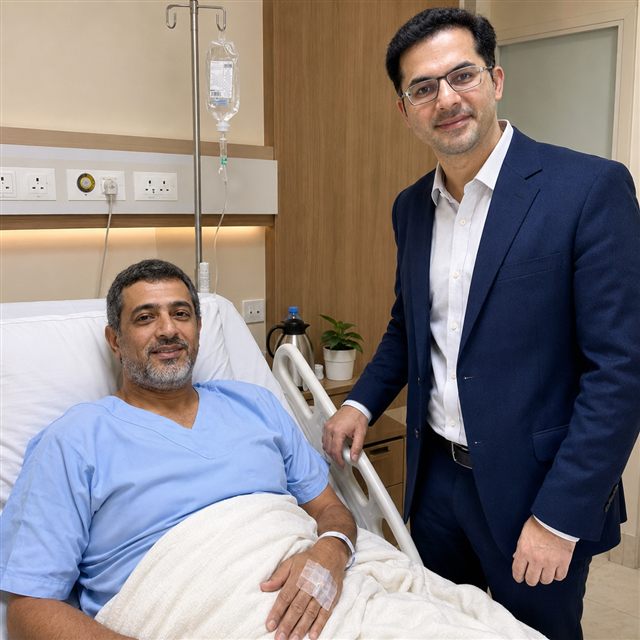
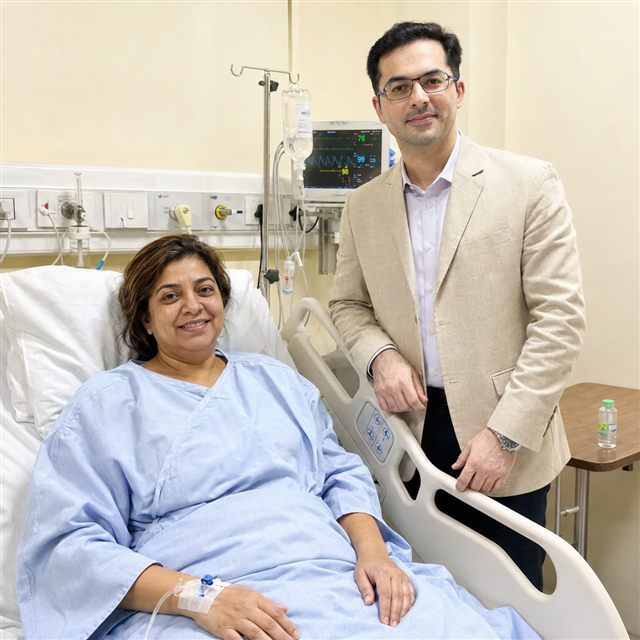
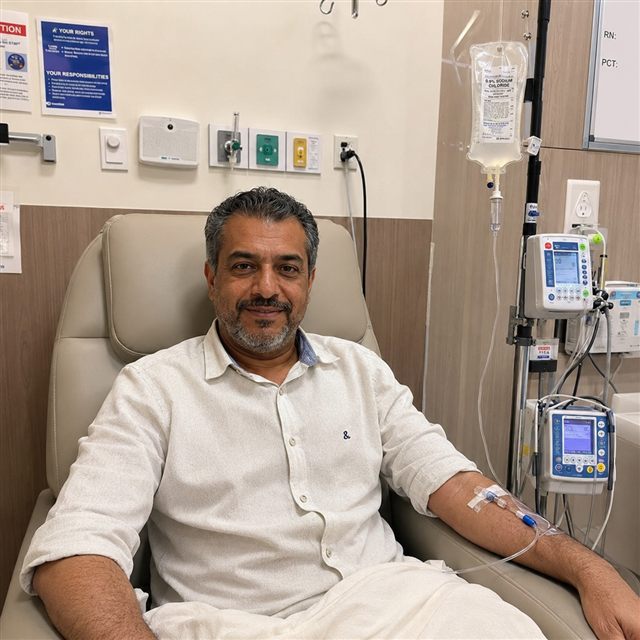
Healing Journeys of Omani Patients

Key Takeaways
- Urethral stricture disease occurs when scar tissue narrows the urethra, potentially causing recurring urinary symptoms. The guide explains that infection, injury and previous catheter use can contribute to strictures and that repeated temporary procedures may not address the underlying scar tissue.
- Dilation and internal urethrotomy can provide temporary relief, but recurrence may occur because the scarred segment remains. The guide presents urethroplasty as the durable reconstructive approach, with reported success rates typically between 85% and 95%.
- The appropriate urethroplasty technique depends strongly on the location and length of the stricture. Short strictures may be treated with excision and primary anastomosis, while longer or more complex strictures may require a tissue graft, commonly using buccal mucosa from inside the cheek.
- A retrograde urethrogram is important for mapping the stricture before surgery. The guide recommends obtaining proper imaging and having it reviewed by an independent reconstructive urologist before finalising the surgical plan.
- India's leading reconstructive urology centres in Delhi, Mumbai, Chennai and Bengaluru provide access to fellowship-trained specialists experienced with urethroplasty, graft harvesting and complex or previously failed cases. The source stresses that specific urethroplasty experience is more meaningful than general urology volume alone.
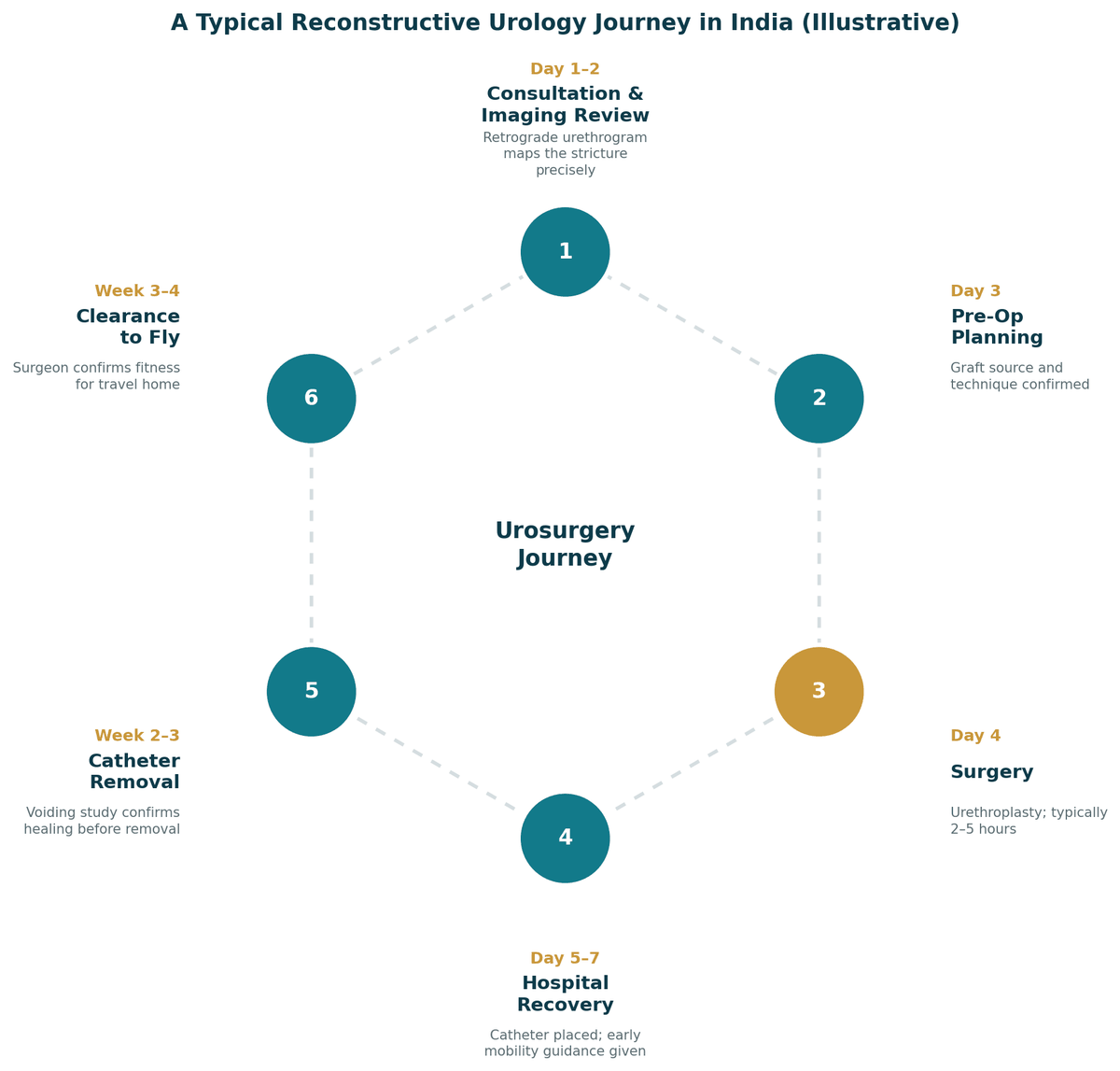
- The page 2 urosurgery journey diagram presents an illustrative pathway beginning with consultation and imaging review on days 1–2, graft-source and technique planning on day 3, urethroplasty on day 4, hospital recovery during days 5–7, catheter removal around weeks 2–3 after a healing assessment and clearance to fly around weeks 3–4.
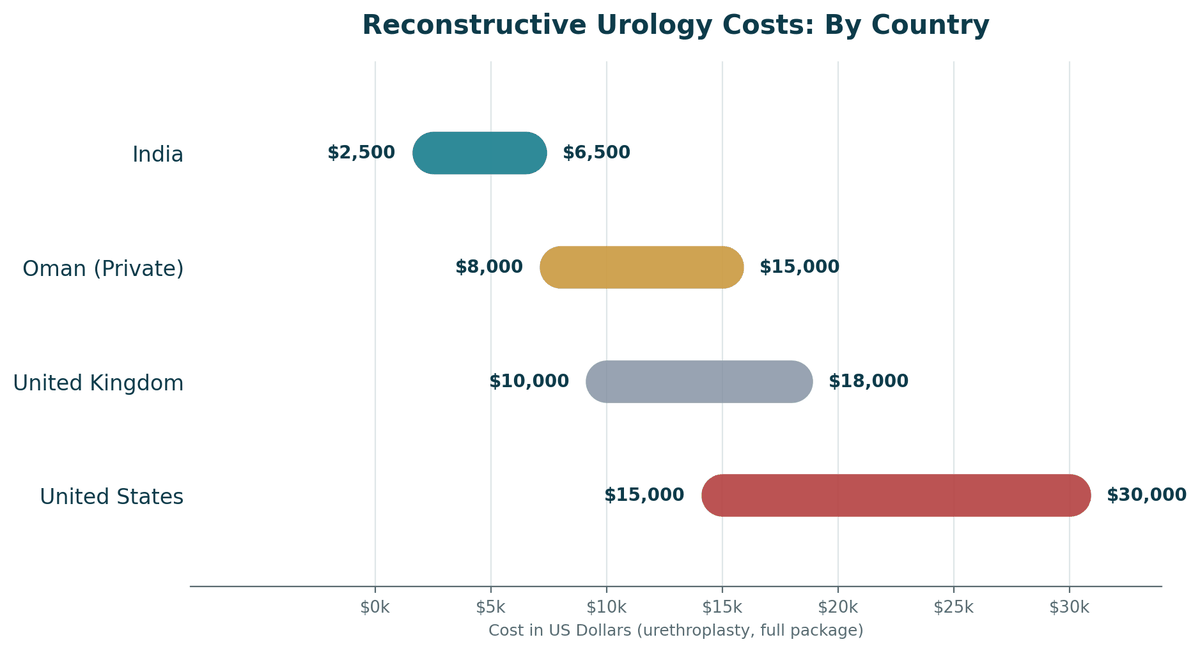
- The page 3 cost chart and comparison table uses urethroplasty as the representative benchmark. It gives a full-package cost of US$2,500–6,500 in India, compared with US$8,000–15,000 in private Oman, US$10,000–18,000 in private UK care and US$15,000–30,000+ in the United States.
- The guide warns that a short, straightforward stricture and a long, multi-segment or previously failed stricture are very different operations. Omani patients should therefore obtain a stricture-specific quotation after the retrograde urethrogram has been reviewed rather than relying on a general urethroplasty price.
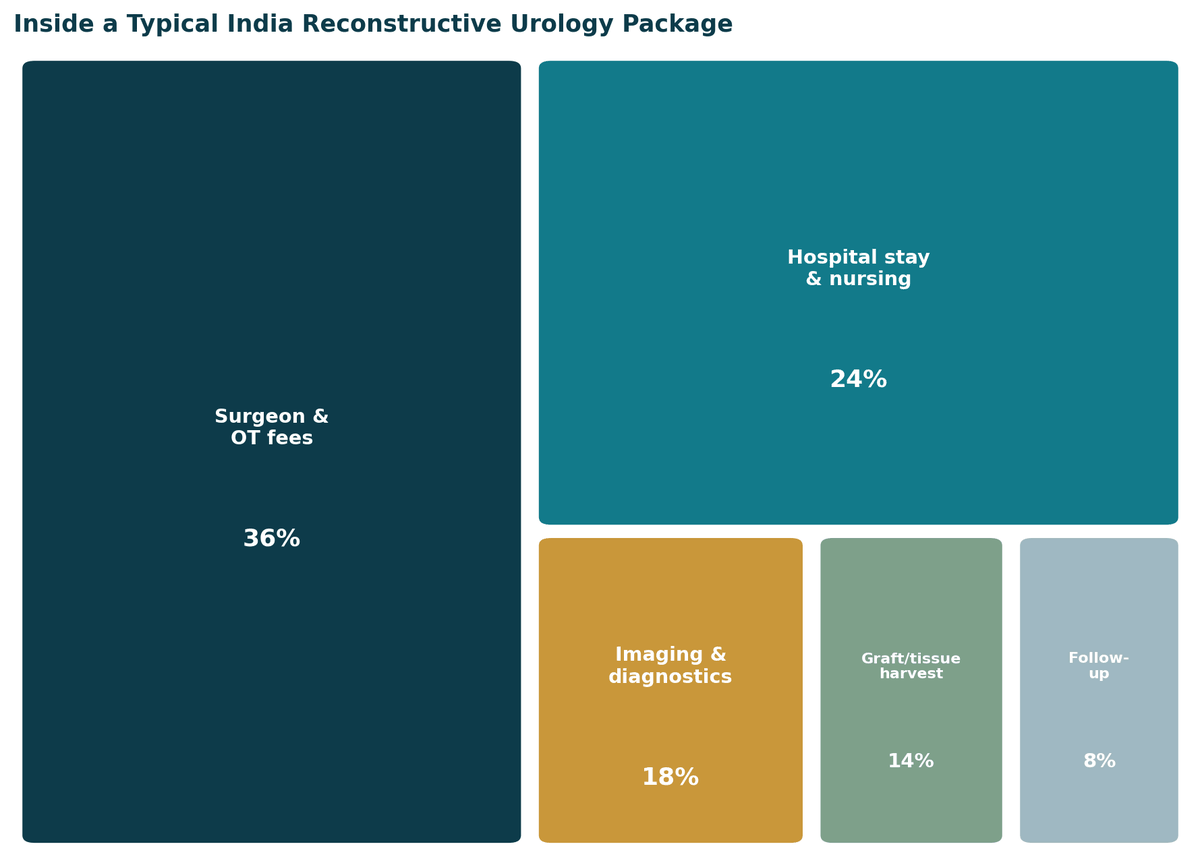
- The page 4 package graphic illustrates an India reconstructive urology package with surgeon and OT fees at 36%, hospital stay and nursing at 24%, imaging and diagnostics at 18%, graft or tissue harvest at 14% and follow-up at 8%.
- A temporary catheter is normally used after urethroplasty, and its removal is not based simply on a fixed number of days. The guide explains that a voiding study confirming healing determines when the catheter can safely be removed, so Omani patients should keep their travel plans flexible.
- If a graft is required, patients should ask exactly which tissue source is planned and why. Buccal mucosa is commonly used, but the guide emphasises that the choice should be explained according to the patient's individual stricture.
- Omani patients should confirm insurance and Ministry of Health arrangements before travelling. The guide notes that some Omani insurance plans and employer health schemes may offer partial reimbursement for overseas treatment, while others may not cover it.
- The source recommends obtaining the complete package in writing, including surgery, imaging, graft harvesting when required and follow-up. It also recommends checking the surgeon's annual urethroplasty-specific volume, because reconstructive urology has a specialised technical learning curve.
Quick Facts
- Treatment
- Urosurgery and reconstructive urology
- Primary Patients
- Omani patients requiring reconstructive urological care
- Main Condition
- Urethral stricture disease
- Main Procedure
- Urethroplasty
- Other Approaches
- Dilation and internal urethrotomy may provide temporary relief
- Urethroplasty Success
- Typically 85–95%
- Main Graft
- Buccal mucosa graft when required
- Key Imaging
- Retrograde urethrogram
- Key Specialist
- Reconstructive Urologist / Urethroplasty Specialist
- Main India Cities
- Delhi, Mumbai, Chennai and Bengaluru
- India Cost
- US$2,500–6,500
- Oman Private Cost
- US$8,000–15,000
- UK Private Cost
- US$10,000–18,000
- US Cost
- US$15,000–30,000+
- Consultation / Imaging
- Days 1–2
- Pre-Op Planning
- Day 3
- Urethroplasty
- Day 4
- Hospital Recovery
- Days 5–7
- Catheter Removal
- Around weeks 2–3, after healing assessment
- Clearance to Fly
- Around weeks 3–4
- Package Breakdown
- Surgeon/OT 36%, hospital/nursing 24%, imaging/diagnostics 18%, graft/tissue harvest 14%, follow-up 8%
- Surgeon Check
- Verify annual urethroplasty-specific volume
- Catheter Check
- Plan for removal according to voiding-study results
- Cost Check
- Obtain a stricture-specific written quotation
- Insurance
- Check Omani insurance or employer reimbursement
- Ministry of Health
- Clarify overseas-treatment requirements
- Follow-Up
- Coordinate continuing urological care in Oman
- Author
- Dr. Dheeraj Bojwani
- Experience
- 24+ Years
In Brief
Urosurgery and reconstructive urology in India can provide Omani patients with specialised evaluation and treatment for urethral stricture disease and other reconstructive urinary conditions. The guide focuses particularly on urethroplasty, explaining how stricture location and length determine the surgical technique and whether a buccal mucosa graft may be required. Representative urethroplasty cost is US$2,500–6,500 in India compared with US$8,000–15,000 in private Oman. Proper imaging, surgeon-specific urethroplasty experience, flexible catheter-removal planning and long-term follow-up are important before travelling.
Why Repeated Dilation Is Rarely the Real Answer
Urethral stricture — a narrowing of the urethra caused by scar tissue, often from prior infection, injury, or catheter use — is commonly managed initially with dilation or internal urethrotomy, procedures that temporarily open the narrowed segment. These can provide short-term relief, but for many patients the stricture recurs, sometimes repeatedly, because the underlying scar tissue was never actually removed. Urethroplasty, by contrast, removes the diseased segment of urethra entirely and reconstructs it, either by rejoining healthy tissue directly or using a graft, most commonly taken from the inside of the cheek (buccal mucosa). This is genuinely the gold-standard, durable solution, with success rates typically reported between 85 and 95 percent.
The right surgical technique depends heavily on where the stricture sits and how long it is. Short strictures near the prostate are often treated with excision and primary anastomosis, directly rejoining healthy tissue. Longer or more complex strictures typically require a tissue graft to bridge the gap. Understanding which category your specific stricture falls into, through proper imaging such as a retrograde urethrogram, is essential before any surgical plan is finalised.
What Makes India a Strong Option for Reconstructive Urology
India's leading urology centres, concentrated in Delhi, Mumbai, Chennai, and Bengaluru, perform a very high volume of urethroplasty and other reconstructive urology procedures each year, giving surgeons genuinely deep, specific experience with the technical demands of graft harvesting and precise urethral reconstruction. This volume matters significantly, since urethroplasty success is closely tied to a surgeon's specific, repeated experience with this exact technique — general urology volume alone is not the same thing.
India also gives patients access to fellowship-trained reconstructive urologists who manage the full spectrum of stricture complexity, from straightforward to previously failed, multiply-recurrent cases, alongside the imaging capability to properly map a stricture before surgery. And because Indian hospitals have spent two decades building international urology pathways for Gulf and African patients, Omani patients arrive to Arabic-speaking coordinators and a well-tested process for reviewing imaging before travel is even booked.
This does not mean every stricture needs to travel for surgery. It means that given how much surgeon-specific experience affects urethroplasty outcomes, and how frustrating repeated failed dilation can become, a centre with genuine reconstructive urology expertise deserves serious consideration for a definitive, one-time solution.
Cost Comparison: India vs. Oman vs. Western Countries
The figures below use urethroplasty as a representative benchmark, since it is the most common reconstructive urology procedure, in approximate US dollars, for a full package at an accredited private hospital.
| Destination | Typical Cost (Urethroplasty) | What This Usually Includes |
|---|---|---|
| India | US $2,500 – $6,500 | Surgeon and OT fees, hospital stay, imaging, and standard nursing care |
| Oman (private) | US $8,000 – $15,000 | Surgeon fees, hospital stay, diagnostics; varies by hospital tier and case complexity |
| United Kingdom (private) | US $10,000 – $18,000 | Surgery and hospital stay; follow-up often billed separately |
| United States | US $15,000 – $30,000+ | Highly variable by state and hospital; complex or multi-segment cases can exceed this range |
A few honest caveats specific to reconstructive urology. First, get a stricture-specific quote once your retrograde urethrogram has been reviewed, since a short, straightforward stricture and a long, multi-segment, previously-failed one are very different undertakings at different price points. Second, if a graft is required, ask specifically what tissue source is planned and why, since buccal mucosa is standard but not universal. Third, a temporary catheter is standard after urethroplasty, and its removal is timed based on a voiding study confirming healing, not a fixed calendar date, so build some flexibility into your travel plans around this step.
What a Typical Omani Patient Should Weigh Before Deciding Reconstructive Urology in India
Having guided patients through this exact decision for 24 years, here is what I encourage every Omani family to work through before committing to a hospital:
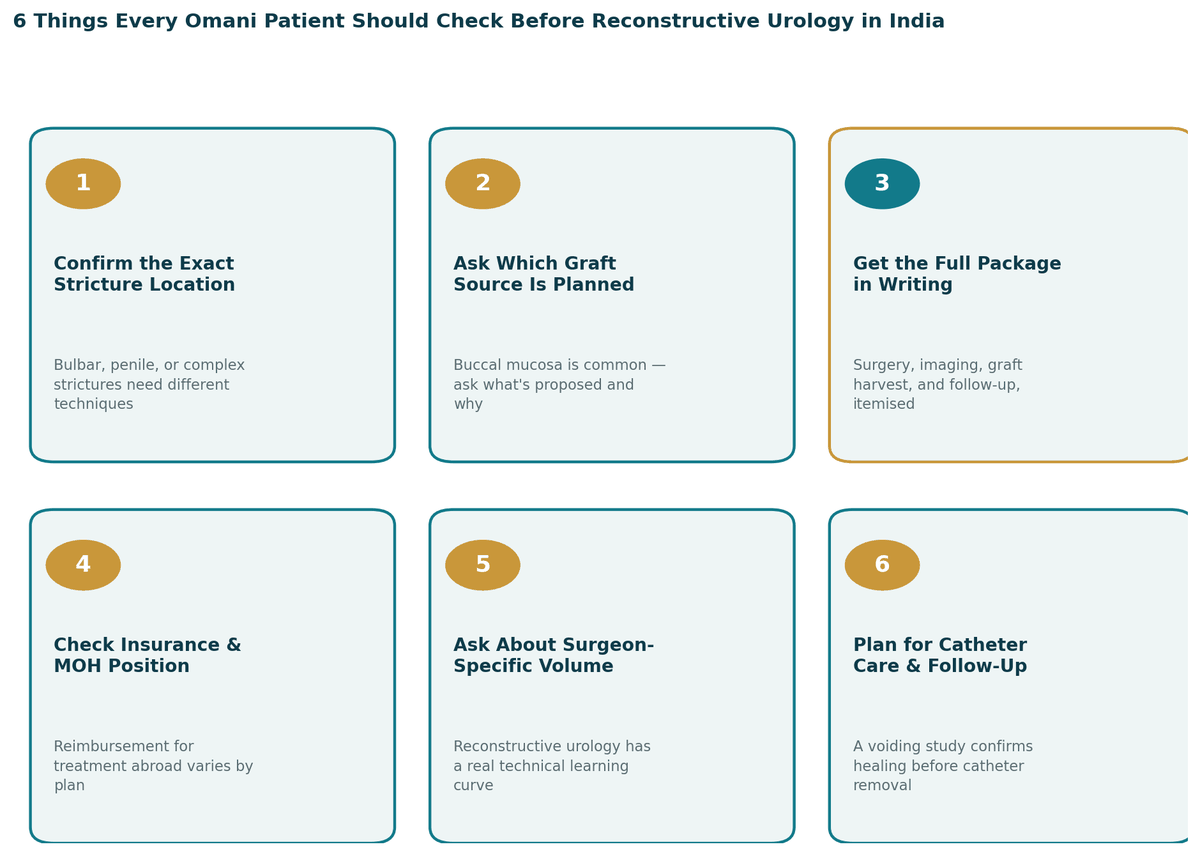
- Get proper imaging before assuming which procedure applies to you. Send your retrograde urethrogram, or arrange one, and share it with an independent reconstructive urologist in India before committing. Stricture location and length genuinely determine the right approach.
- Ask specifically which graft source is planned, if one is needed. Understand why a particular tissue source is being recommended for your specific case.
- Get the full package itemised in writing. Surgery, imaging, graft harvest if needed, and follow-up should each be clear before you travel.
- Check your insurance and Ministry of Health position. Some Omani insurance plans and employer health schemes offer partial reimbursement for treatment abroad; others do not cover it at all. Clarify this before you travel, not after.
- Ask specifically about the surgeon's urethroplasty-specific volume. This is a genuinely specialised technique. Ask how many urethroplasties, not general urology procedures, the specific surgeon performs each year.
- Plan for a flexible catheter-removal timeline. Removal depends on a voiding study confirming healing, not a fixed date. Build some flexibility into your travel plans around this step.
A Direct Word to Close
Urethral stricture disease is genuinely fixable, permanently, in the great majority of cases — but only with a definitive reconstructive procedure, not another round of dilation. If you have been living with recurring symptoms and repeated temporary fixes, it is worth asking directly whether urethroplasty, done properly the first time, could end that cycle entirely. Sharing your imaging with an independent reconstructive urologist, and asking that specific question, is a reasonable and worthwhile first step.
Sources & Further Reading
- National Institute of Diabetes and Digestive and Kidney Diseases (NIDDK), National Institutes of Health — Urethral Stricture Disease (niddk.nih.gov)
- MedlinePlus, U.S. National Library of Medicine (NIH) — Urethral Stricture (medlineplus.gov)
- American Urological Association (AUA), non-profit professional association — Urethral Stricture Disease Guidelines (auanet.org)
- Urology Care Foundation, non-profit organization — Urethral Stricture Disease (urologyhealth.org)
- NHS (UK National Health Service) — Urethral Stricture (nhs.uk)
Frequently Asked Questions by Omani Patients about Urosurgery and Reconstructive Urology in India
Can Omani patients undergo reconstructive urology surgery in India?
Yes. The guide presents India as an option for Omani patients requiring specialised reconstructive urology, particularly for urethral stricture disease and urethroplasty.
What is urethroplasty for an Omani patient with urethral stricture?
Urethroplasty reconstructs the narrowed urethra by removing the diseased segment and reconnecting healthy tissue or using a graft. The guide presents it as the durable reconstructive approach.
Is repeated dilation a permanent solution for Omani patients?
The guide explains that dilation and internal urethrotomy may provide temporary relief but can be followed by recurrence because the underlying scar tissue remains.
What is the success rate of urethroplasty for Omani patients?
The guide states that urethroplasty success rates are typically reported between 85% and 95%, although the appropriate technique and individual case complexity affect outcomes.
How much does urethroplasty cost in India for Omani patients?
The representative full-package cost is US$2,500–6,500 in India. Complex, long or previously failed strictures may require a different quotation.
How does urethroplasty cost in India compare with private Oman?
The guide gives US$2,500–6,500 in India compared with US$8,000–15,000 in private Oman. The final cost depends on stricture complexity, graft requirements and hospital package.
Why is a retrograde urethrogram important before an Omani patient travels to India?
It helps establish the location and length of the stricture. These details directly influence whether direct reconnection or graft-based reconstruction is appropriate.
How long does an Omani patient need to stay in India for urethroplasty?
The illustrated pathway extends approximately three to four weeks, including surgery, hospital recovery, catheter care, healing assessment and clearance to fly.
When is the catheter removed after urethroplasty?
The guide states that catheter removal generally occurs around weeks 2–3, but the timing depends on a voiding study confirming adequate healing rather than a fixed calendar date.
What should Omani patients check before choosing reconstructive urology surgery in India?
Confirm the stricture location and length, obtain an independent imaging review, ask about the planned graft source, verify the surgeon's urethroplasty-specific experience, obtain an itemised package, check insurance and Ministry of Health requirements and keep travel plans flexible around catheter removal.
Page Summary
This six-page guide explains urosurgery and reconstructive urology in India for Omani patients, with particular focus on urethral stricture disease, urethroplasty, graft selection, costs, catheter care and recovery. The page 2 journey diagram illustrates consultation, imaging review, surgical planning, urethroplasty, hospital recovery, catheter removal and clearance to fly over approximately three to four weeks. The page 3 cost chart compares urethroplasty at US$2,500–6,500 in India with US$8,000–15,000 in private Oman, while page 4 shows the main components of an illustrative India package. Pages 5–6 emphasise accurate imaging, graft selection, surgeon-specific urethroplasty experience, written costing, insurance and flexible catheter-care planning.
Citation Block
| Field | Details |
|---|---|
| Article / Topic | Urosurgery and Reconstructive Urology in India |
| Country / Patients | India / Omani Patients |
| Main Condition | Urethral stricture disease |
| Main Procedure | Urethroplasty |
| Key Specialist | Reconstructive Urologist / Urethroplasty Specialist |
| Reported Success Rate | 85–95% |
| Main Graft | Buccal mucosa |
| Key Imaging | Retrograde urethrogram |
| Main India Cities | Delhi, Mumbai, Chennai and Bengaluru |
| India Cost | US$2,500–6,500 |
| Oman Private Cost | US$8,000–15,000 |
| UK Private Cost | US$10,000–18,000 |
| US Cost | US$15,000–30,000+ |
| Consultation / Imaging | Days 1–2 |
| Pre-Op Planning | Day 3 |
| Surgery | Day 4 |
| Hospital Recovery | Days 5–7 |
| Catheter Removal | Around weeks 2–3 after healing assessment |
| Clearance to Fly | Around weeks 3–4 |
| Package Breakdown | Surgeon/OT 36%, hospital/nursing 24%, imaging/diagnostics 18%, graft/tissue harvest 14%, follow-up 8% |
| Stricture Assessment | Confirm location and length before selecting technique |
| Graft Selection | Confirm tissue source and rationale |
| Surgeon Volume | Verify urethroplasty-specific annual experience |
| Catheter Planning | Removal depends on a voiding study confirming healing |
| Cost Check | Obtain a case-specific written quotation |
| Insurance / MOH | Clarify overseas-treatment reimbursement before travel |
| Follow-Up | Arrange continuing urological care in Oman |
| Key Selection Criterion | Specific reconstructive urology and urethroplasty expertise |
| Important Warning | Do not rely on repeated dilation or a generic surgery quotation without first establishing the stricture's exact location, length and appropriate reconstructive technique |


Our Mission Statement
Our mission is to place patients at the centre of every healthcare decision by providing trustworthy, evidence-based, and unbiased medical information. We believe that informed patients make better decisions. Backed by personalised guidance from our experienced advisory team, we help patients understand their treatment options, compare them objectively, and confidently choose the path that best suits their medical needs and personal circumstances.
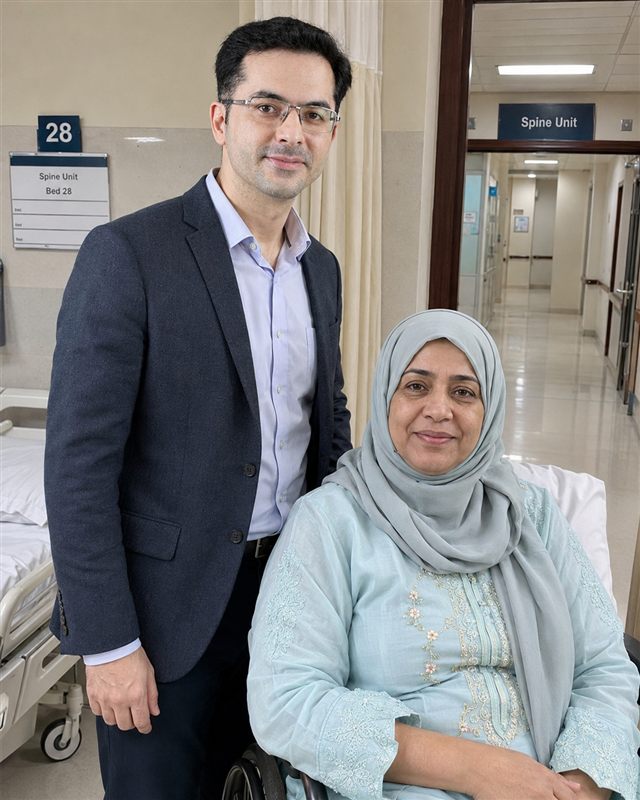
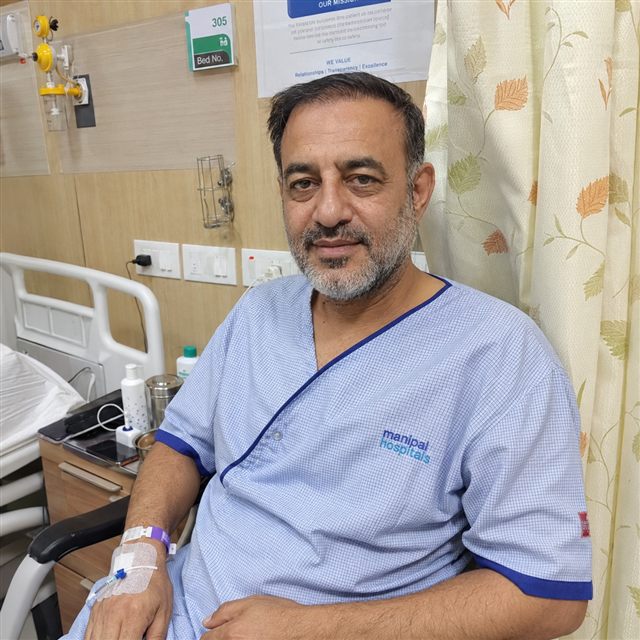
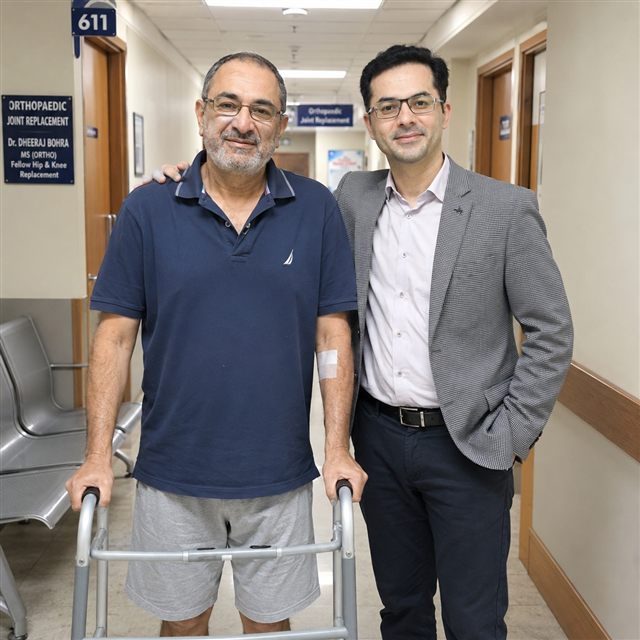
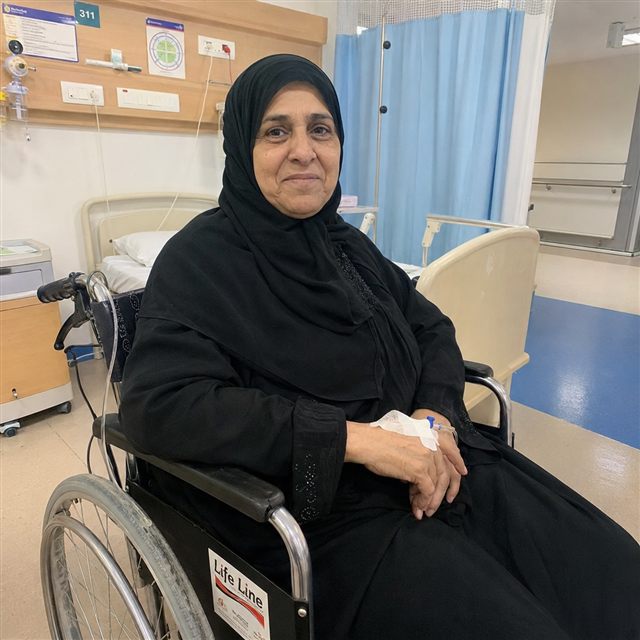
Patient Testimonials from Oman
Ready to Take the First Step?
Share your Medical Reports with our Healthcare Managers Today and Get a FREE CONSULTATION, a Personalized Treatment Plan, and Complete Support from Arrival to Recovery.
Get Your Free ConsultationAreas We Serve
Indian Health Guru Consultants proudly assists patients from Oman and surrounding Middle Eastern countries in accessing advanced, affordable and trusted medical treatment in India. Our team provides complete support for medical opinions, hospital selection, treatment planning, visa assistance, travel coordination, accommodation and post-treatment follow-up.
We regularly serve patients from:
- Oman
- Turkey
- Iran
- Kuwait
- Jordan
- Syria
- Qatar
- Bahrain
- Yemen
- Iraq
- Saudi Arabia
- United Arab Emirates
No matter where you are located, our experienced team is committed to making your medical journey to India safe, smooth, transparent and stress-free from the first enquiry to your return home.
From Oman to India: Your Complete Patient Guide
- Weight Loss and Bariatric Surgery in India for Omanis: Cost & Guide
- Brain Tumor Surgery in India for Omanis: Cost & Guide
- Cancer Treatment in India for Omanis: Cost & Guide
- Cardiac Surgery in India for Omanis: Cost & Guide
- Breast Cancer Treatment in India for Omanis: Cost & Guide
- Neurosurgery in India for Omanis: Cost & Guide
- Spine Surgery in India for Omanis: Cost & Guide
- Bone Marrow Transplant in India for Omanis: Cost & Guide
- Kidney Transplant in India for Omanis: Cost & Guide
- Best Dentists and Clinics for Dental Surgery in India for Omani Patients
- Best Doctors and Hospitals for Blood Cancer Treatment in India for Omani Patients
- Best Bone Marrow Transplant Doctors and Hospitals in India for Omani Patients
- Best IVF and Fertility Doctors and Hospitals in India for Omani Couples
- Best Bariatric Surgeons and Hospitals for Weight Loss Surgery in India for Omani Patients
- Best Brain Tumor Surgery Doctors and Hospitals in India for Omani Patients
- Best Cardiac Surgeons and Hospitals in India for Omani Patients
- Best Colorectal Cancer Surgeons and Hospitals in India for Omani Patients
- Best Surgeons and Hospitals for Complex Joint Revision Surgery in India for Omani Patients