

Prostate Cancer Treatment and Surgery in India for Omanis: A Doctor’s Guide to Making the Right Decision
A practical guide for Omani patients covering prostate cancer treatment choices, robotic prostatectomy, nerve-sparing surgery, costs and recovery.
Prostate cancer occupies an unusual place in oncology: many cases grow so slowly that active surveillance, simply monitoring closely without immediate treatment, is a genuinely appropriate and evidence-based choice, not a delay of necessary care. Yet the instinct on hearing “cancer” is almost always to want it removed immediately. Over 24 years of advising Gulf men through this diagnosis, I have found that slowing down enough to understand which category a specific diagnosis falls into is one of the most valuable things a patient can do. Oman's hospitals, including Apollo Hospital Muscat, Badr Al Samaa, Aster Al Raffah, and Burjeel Medical Centre, provide urology and oncology consultation, and are the right starting point for PSA testing, biopsy, and staging. This guide is written to help Omani men understand, honestly and without sales pressure, the genuine treatment choices involved in prostate cancer, and what to check carefully before deciding where to have surgery.
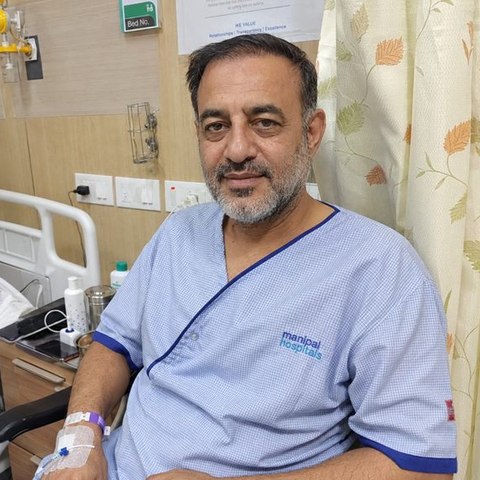
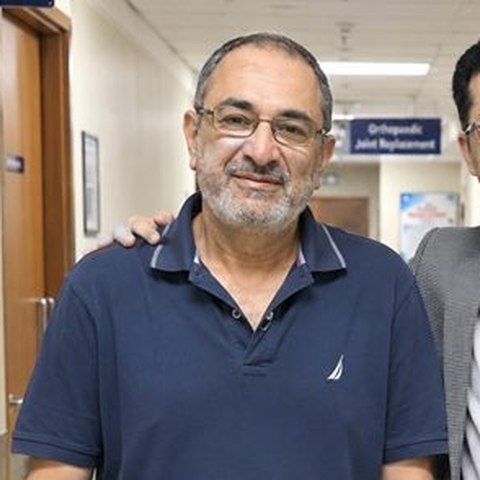
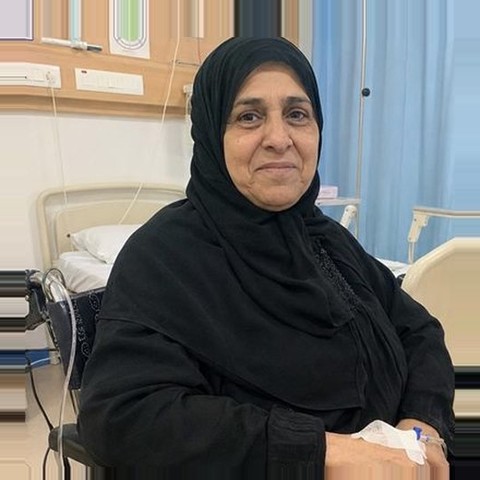
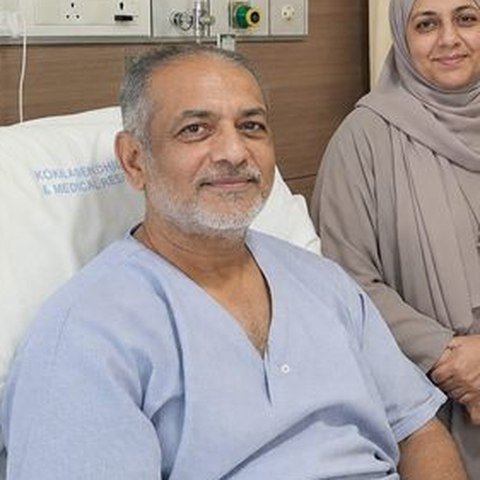
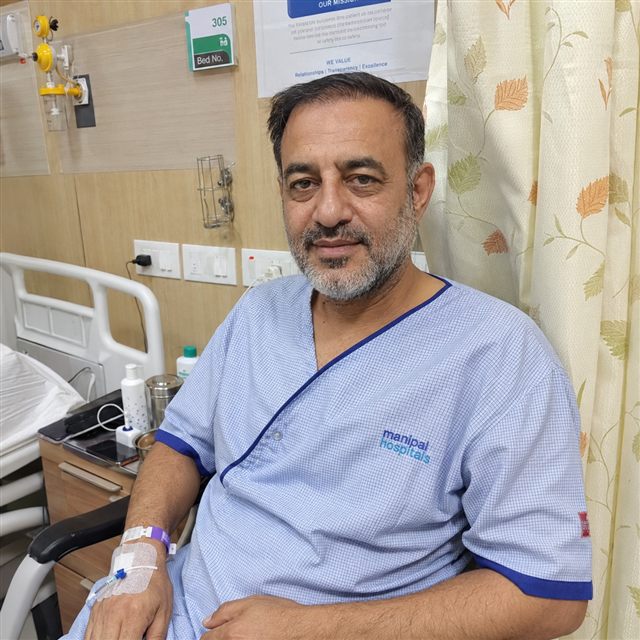
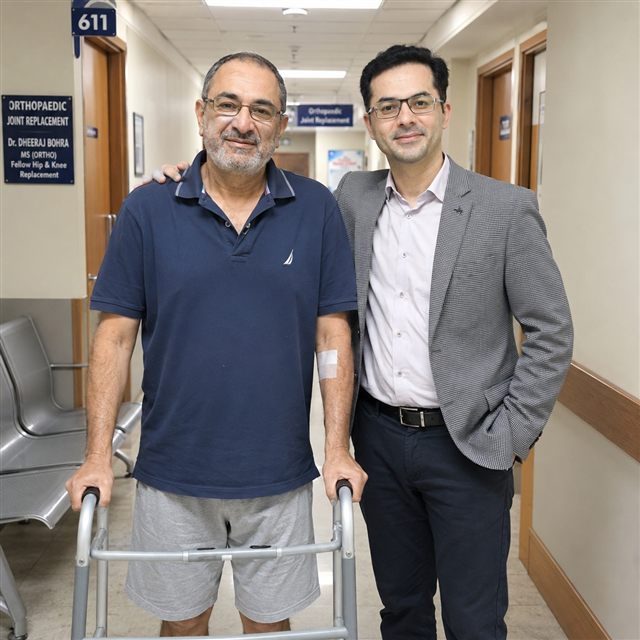
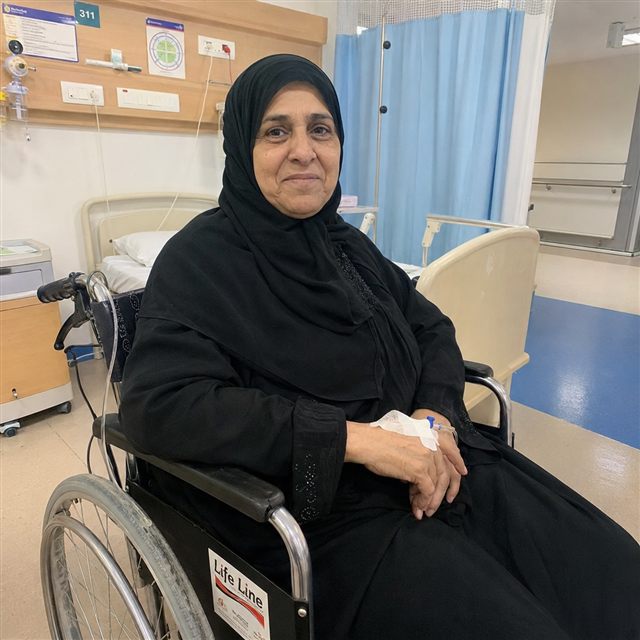
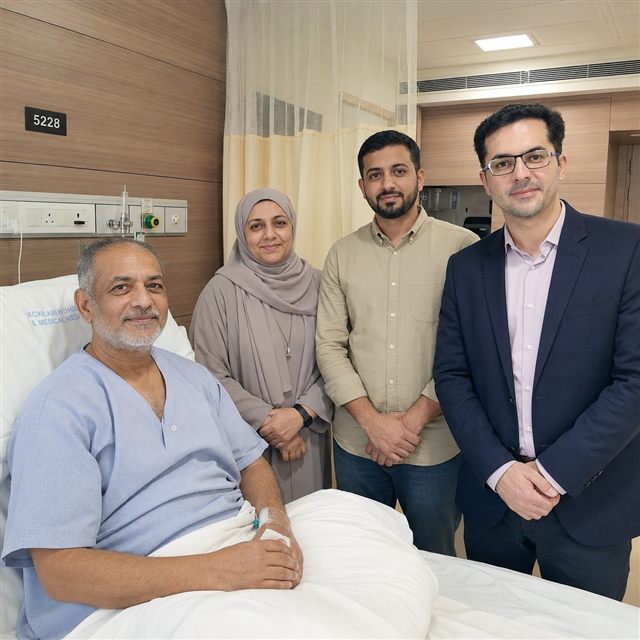
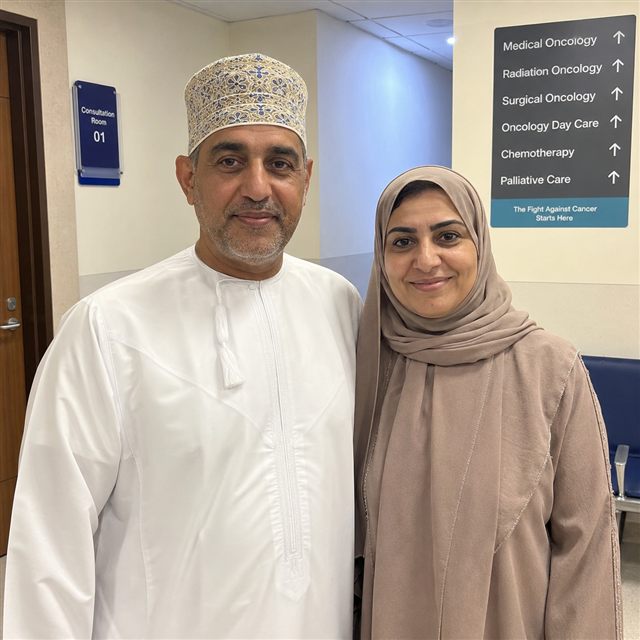
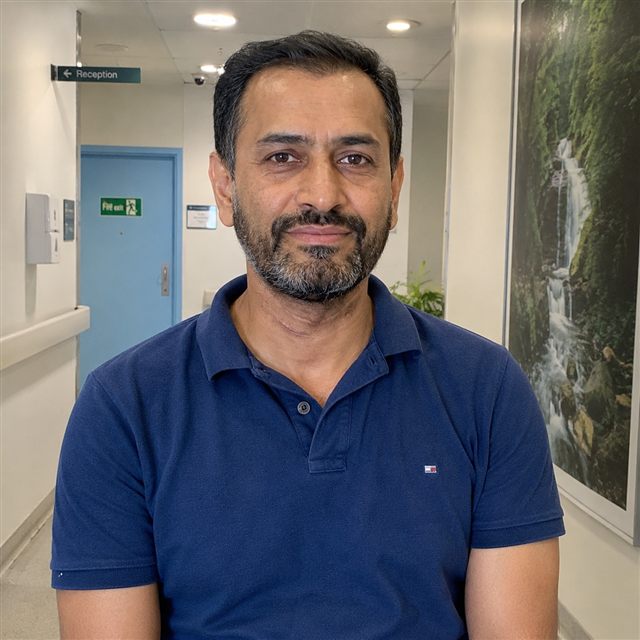
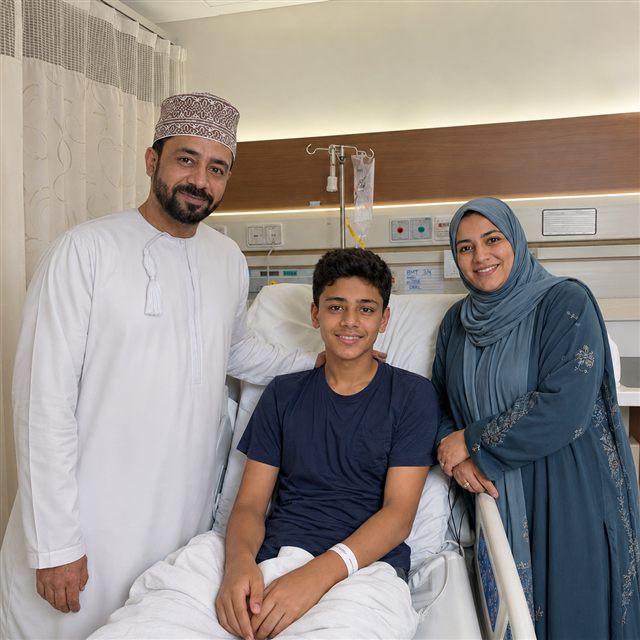
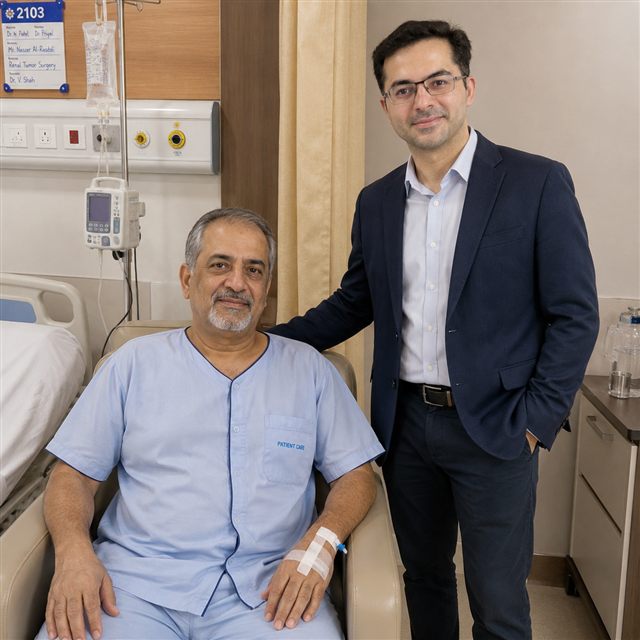
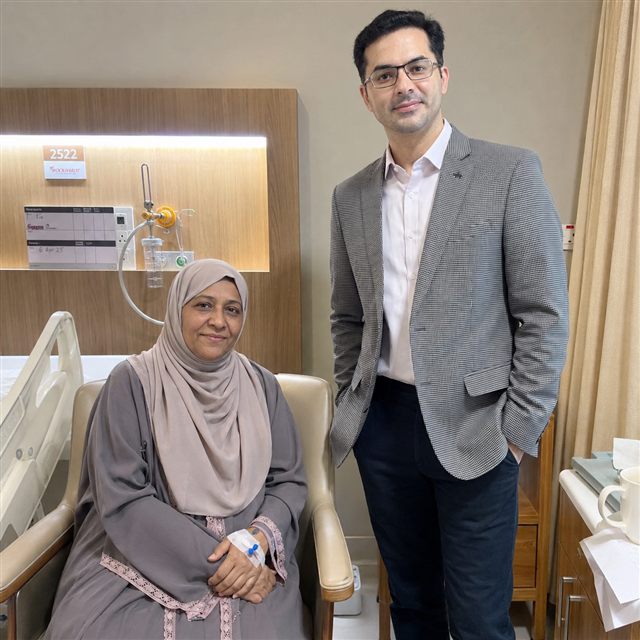
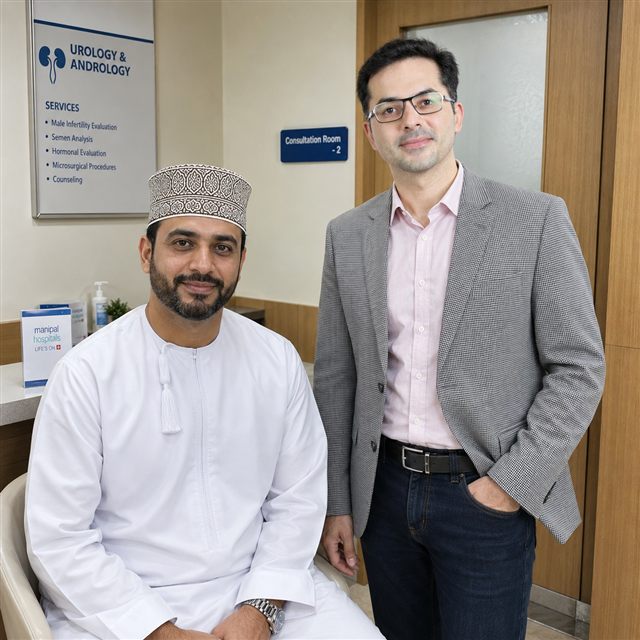
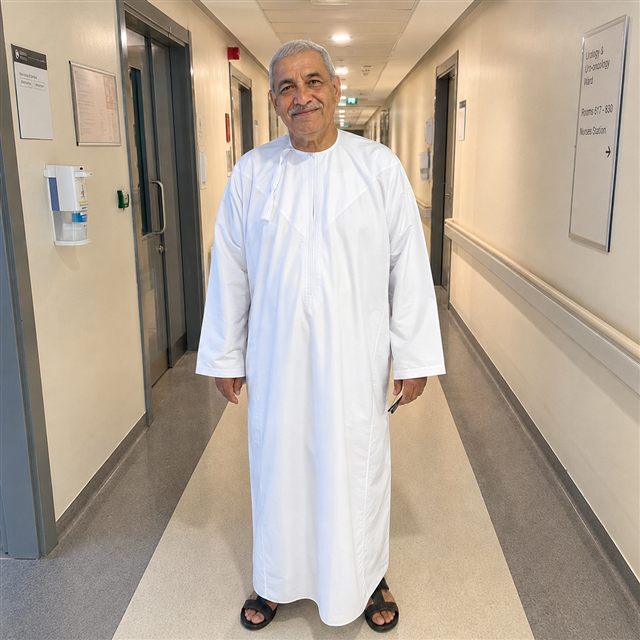
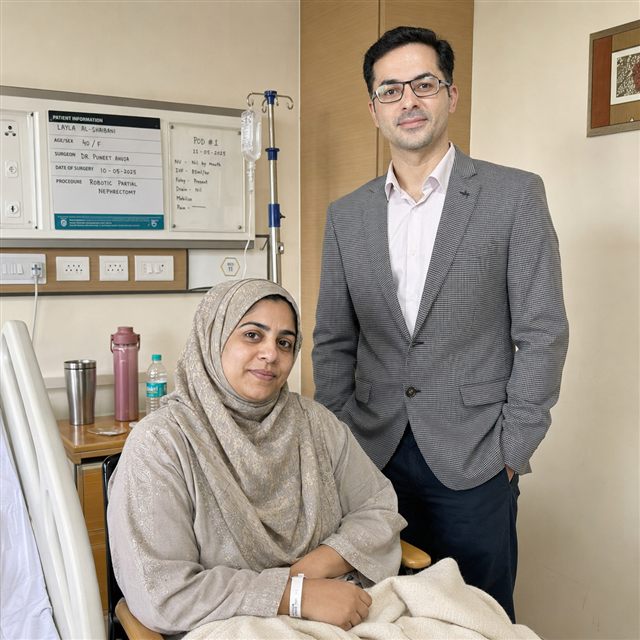
Healing Journeys of Omani Patients


Key Takeaways
- Prostate cancer does not automatically require immediate surgery. The guide explains that many low-risk, localised cancers can be managed through active surveillance, with regular PSA testing, imaging and repeat biopsies while treatment is reserved for evidence of progression.
- Radiation therapy is another important alternative for many localised prostate cancers. External-beam radiation and brachytherapy may provide broadly comparable cancer control to surgery in appropriate patients, so Omani men should understand all reasonable options before deciding.
- When surgery is appropriate, radical prostatectomy may be considered for higher-risk or larger tumours and for patients who prefer surgical removal. Nerve-sparing surgery is particularly important when technically possible because it aims to preserve the nerves associated with continence and sexual function.
- India's major urologic oncology centres in Delhi, Mumbai, Chennai and Bengaluru perform high volumes of robotic-assisted radical prostatectomies. The guide notes that India has well over 180 robotic surgical systems and hundreds of trained robotic surgeons, while emphasising that individual surgeon experience remains especially important.
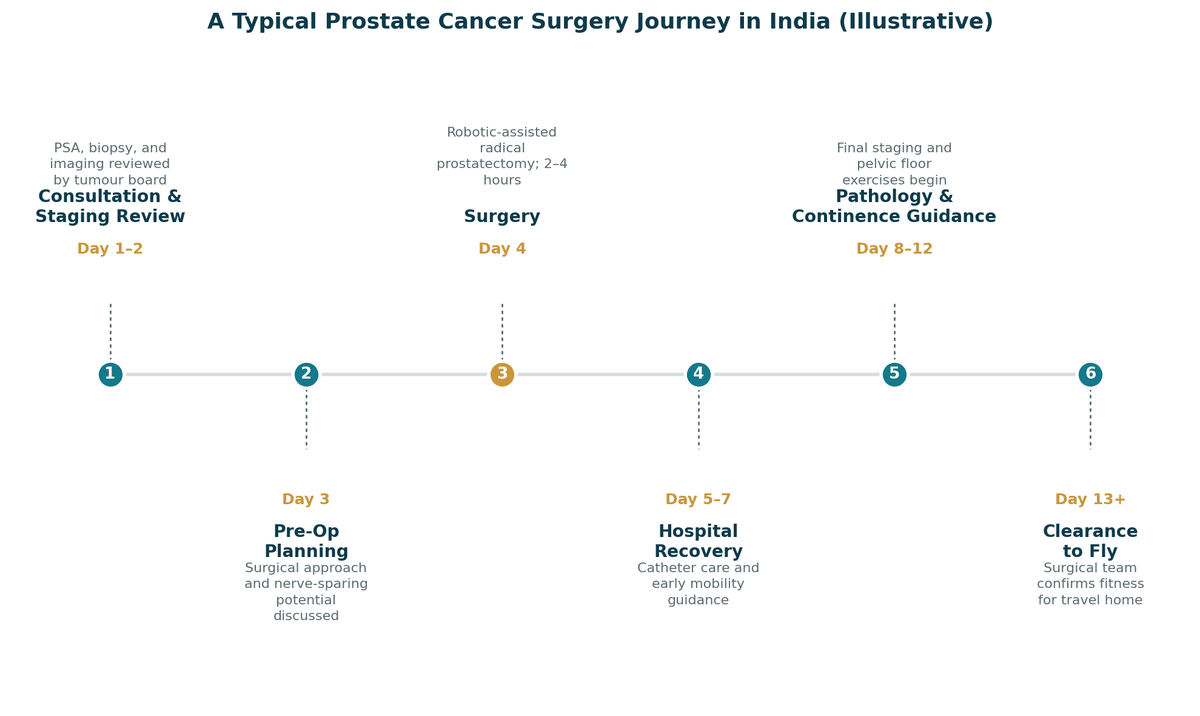
- The page 2 treatment journey diagram illustrates an example pathway beginning with PSA, biopsy and imaging review during days 1–2, pre-operative planning on day 3, robotic prostatectomy on day 4, hospital recovery during days 5–7, final pathology and pelvic-floor guidance during days 8–12, and clearance to fly from day 13 onward.
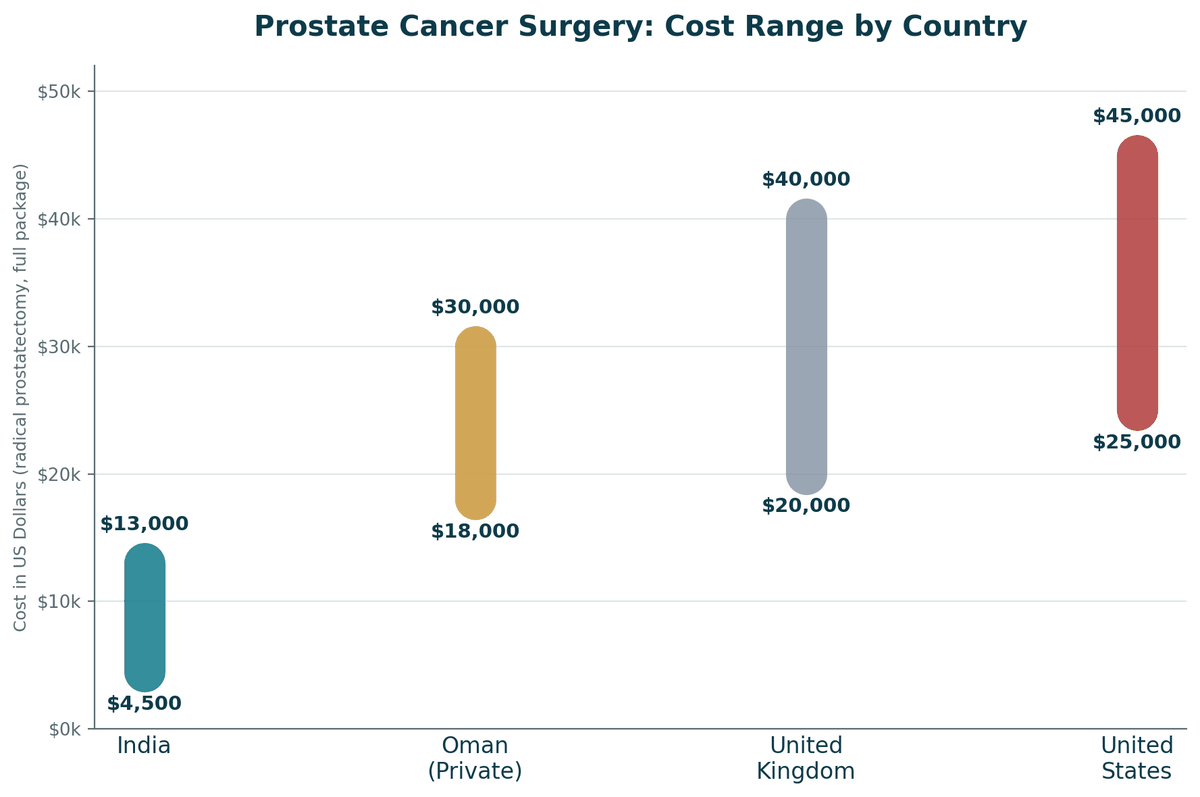
- The page 3 cost chart and comparison table gives a representative robotic radical prostatectomy cost of US$4,500–13,000 in India, compared with US$18,000–30,000 in private Oman, US$20,000–40,000 in private UK care and US$25,000–45,000+ in the United States.
- The source stresses that cost should not be the first decision. Before comparing quotations, the patient should establish whether surgery is genuinely appropriate for his cancer-risk category and whether active surveillance or radiation would be equally reasonable.
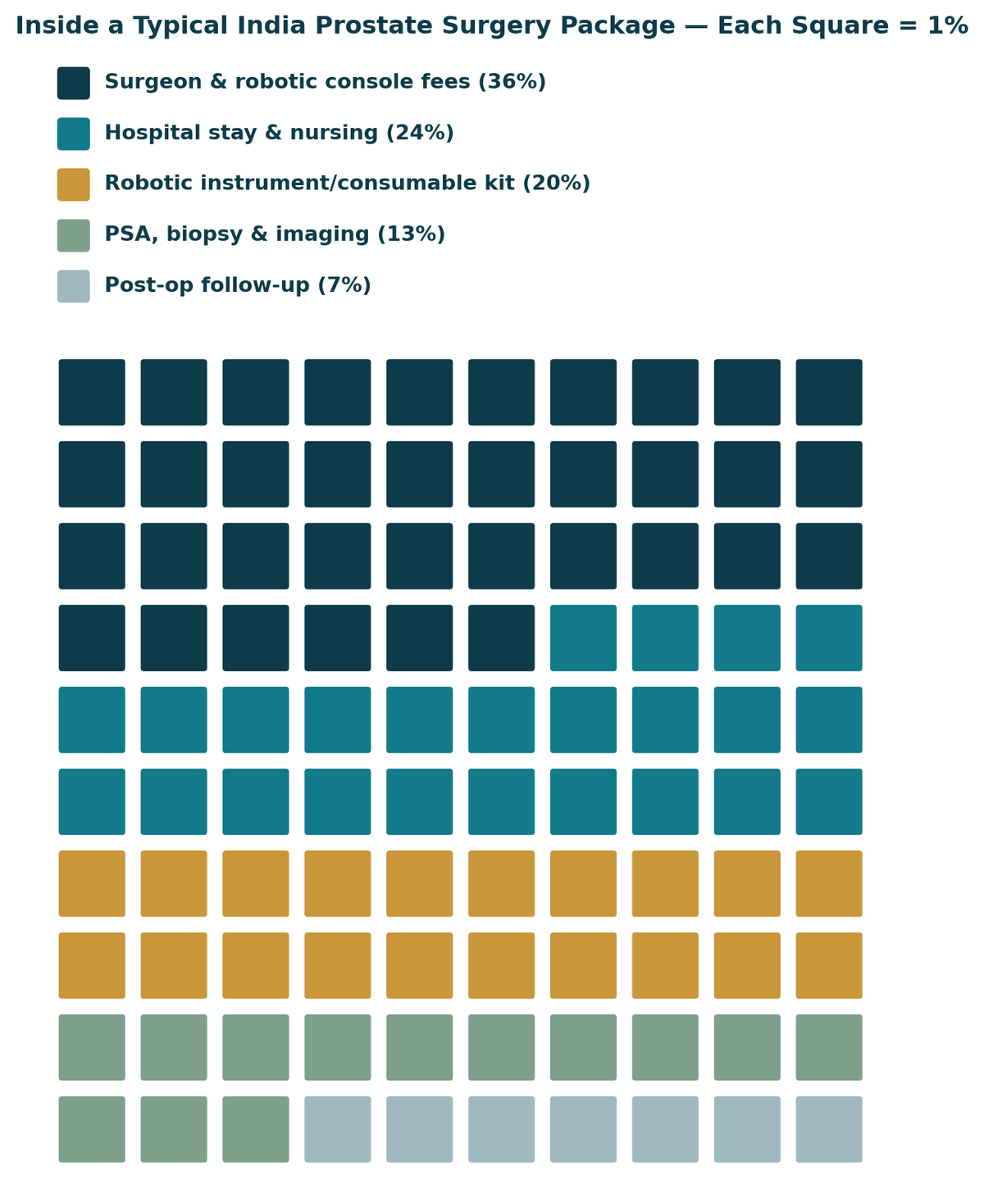
- The page 4 package graphic shows an illustrative India prostate-surgery package divided into surgeon and robotic-console fees at 36%, hospital stay and nursing at 24%, robotic instruments and consumables at 20%, PSA/biopsy/imaging at 13%, and post-operative follow-up at 7%.
- The guide recommends asking directly whether nerve-sparing surgery is possible in the individual case. The location of the cancer in relation to the nerve bundles affects whether nerve preservation can safely be attempted and influences expectations for continence and sexual-function recovery.
- Pelvic-floor rehabilitation is another important part of recovery. The guide recommends arranging structured pelvic-floor exercises in Oman after surgery because this support can help continence recovery.
- Omani patients should send their PSA history and biopsy results for independent urologic-oncology review before travelling. A multidisciplinary assessment should consider surveillance, radiation and surgery rather than automatically directing every patient toward an operation.
- The source also recommends checking insurance and Ministry of Health arrangements before travel. Some Omani insurance plans and employer health schemes may provide partial reimbursement for treatment abroad, while others may not provide coverage.
Quick Facts
- Treatment
- Prostate cancer treatment and surgery
- Primary Patients
- Omani men with prostate cancer
- Main Treatment Options
- Active surveillance, radiation therapy and surgery
- Main Surgery
- Robotic-assisted radical prostatectomy
- Radiation Options
- External-beam radiation and brachytherapy
- Key Specialist
- Urologic Oncologist / Robotic Prostate Surgeon
- Key Surgical Technique
- Nerve-sparing prostatectomy when appropriate
- Main India Cities
- Delhi, Mumbai, Chennai and Bengaluru
- India Cost
- US$4,500–13,000
- Oman Private Cost
- US$18,000–30,000
- UK Private Cost
- US$20,000–40,000
- US Cost
- US$25,000–45,000+
- Consultation & Staging Review
- Days 1–2
- Pre-Op Planning
- Day 3
- Robotic Surgery
- Day 4
- Hospital Recovery
- Days 5–7
- Pathology & Continence Guidance
- Days 8–12
- Clearance to Fly
- Day 13+
- Package Breakdown
- Surgeon/robotic console 36%, hospital/nursing 24%, robotic instruments/consumables 20%, PSA/biopsy/imaging 13%, post-op follow-up 7%
- Second Opinion
- Independent urologic-oncology review before travel
- Surgeon Check
- Confirm prostatectomy-specific experience
- Nerve-Sparing Check
- Ask whether nerve preservation is feasible
- Rehabilitation
- Arrange pelvic-floor exercises after surgery
- Insurance
- Check Omani insurance or employer reimbursement
- Ministry of Health
- Clarify overseas-treatment requirements
- Follow-Up
- Coordinate continence and oncology care in Oman
- Author
- Dr. Dheeraj Bojwani
- Experience
- 24+ Years
In Brief
Prostate cancer treatment in India for Omani patients should begin with an assessment of the cancer's risk category rather than an automatic decision to operate. The guide covers active surveillance, radiation and radical prostatectomy, with robotic-assisted surgery highlighted for patients in whom surgery is appropriate. A representative robotic prostatectomy costs US$4,500–13,000 in India compared with US$18,000–30,000 in private Oman. Nerve-sparing feasibility, surgeon-specific prostatectomy experience and pelvic-floor rehabilitation are important considerations for recovery and quality of life.
Surgery Is Not Automatically the Right First Answer
Low-risk, localised prostate cancer — small volume, low Gleason score, confined to the prostate — is frequently managed with active surveillance, involving regular PSA monitoring, periodic imaging, and repeat biopsies, with treatment reserved for if and when the disease shows signs of progressing. This approach avoids the real side effects of treatment, particularly incontinence and erectile dysfunction, for cancers that may never have caused a problem in a man's lifetime. Radiation therapy, including external beam radiation and brachytherapy, is another genuine alternative to surgery for many localised cases, with broadly comparable cancer control in appropriate candidates.
Surgery, specifically radical prostatectomy, becomes the clearer choice for higher-risk or larger tumours, younger patients who want the certainty of removal, or cases where a patient, after understanding all the options, simply prefers surgical treatment. When surgery is the right path, nerve-sparing technique — carefully preserving the nerve bundles that run alongside the prostate — is central to preserving continence and sexual function afterward, and whether it is possible depends on how close the cancer sits to those nerves. This is a specific, important question to raise directly with your surgeon, not an assumption to make.
What Makes India a Strong Option for Prostate Cancer Surgery
India's leading urologic oncology centres, concentrated in Delhi, Mumbai, Chennai, and Bengaluru, perform a very high volume of robotic-assisted radical prostatectomies each year, with the country now home to well over 180 robotic surgical systems and hundreds of trained robotic surgeons. This volume matters directly for prostate surgery, where continence and potency outcomes are closely tied to a specific surgeon's cumulative experience with the nerve-sparing technique.
India also gives patients access to genuine multidisciplinary review that properly considers active surveillance, radiation, and surgery on equal footing, rather than defaulting to whichever option a specific specialist happens to offer. And because Indian hospitals have spent two decades building international oncology pathways for Gulf and African patients, Omani patients arrive to Arabic-speaking coordinators and a well-tested process for reviewing PSA history and biopsy results before travel is even booked.
This does not mean surgery, or travel for it, is right for every diagnosis. It means that for cases where surgery is genuinely the appropriate choice, a high-volume robotic surgery centre with a track record in nerve-sparing technique deserves serious consideration, given how directly this affects quality of life afterward.
Cost Comparison: India vs. Oman vs. Western Countries
The figures below use robotic-assisted radical prostatectomy as a representative benchmark, since it is now the most common surgical approach, in approximate US dollars, for a full package at an accredited private hospital.
| Destination | Typical Cost (Radical Prostatectomy) | What This Usually Includes |
|---|---|---|
| India | US $4,500 – $13,000 | Surgeon fees, robotic instrument use, hospital stay, and standard nursing care |
| Oman (private) | US $18,000 – $30,000 | Surgeon fees, hospital stay, diagnostics; varies by hospital tier and surgical approach |
| United Kingdom (private) | US $20,000 – $40,000 | Surgery and hospital stay; follow-up often billed separately |
| United States | US $25,000 – $45,000+ | Highly variable by state and hospital; some centres quote considerably higher |
A few honest caveats specific to prostate cancer. First, confirm that surgery is genuinely the recommended path for your specific risk category before comparing any quotes, since active surveillance or radiation may be equally appropriate, and a responsible team will discuss this openly rather than assuming surgery. Second, ask directly whether nerve-sparing technique is planned for your case, and what the realistic expectations are for continence and sexual function recovery given your specific cancer's location. Third, pelvic floor rehabilitation meaningfully improves continence recovery timelines, so ask how this will be arranged once you are back in Oman.
What a Typical Omani Patient Should Weigh Before Deciding Prostate Surgery in India
Having guided patients through this exact decision for 24 years, here is what I encourage every Omani family to work through before committing to a hospital:
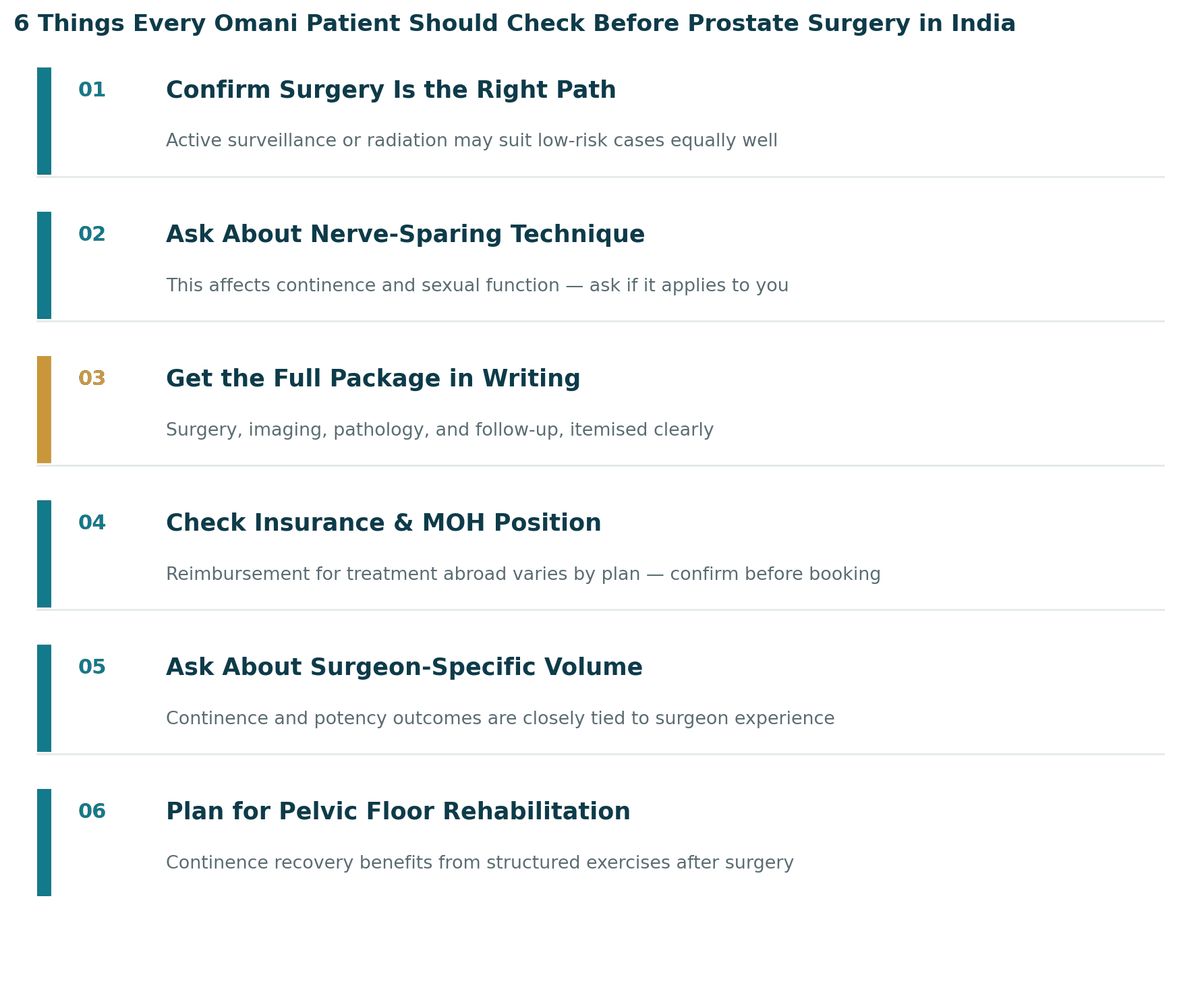
- Confirm surgery is genuinely the right path for your risk category. Send your PSA history and biopsy results to an independent urologic oncology team in India before committing. Ask directly whether active surveillance or radiation are reasonable alternatives for your specific case.
- Ask specifically about nerve-sparing technique. Understand whether this is possible for your case, and what it means for continence and sexual function afterward.
- Get the full package itemised in writing. Surgery, imaging, pathology, and follow-up should each be clear before you travel.
- Check your insurance and Ministry of Health position. Some Omani insurance plans and employer health schemes offer partial reimbursement for treatment abroad; others do not cover it at all. Clarify this before you travel, not after.
- Ask specifically about the surgeon's prostatectomy-specific volume. Continence and potency outcomes are closely tied to a surgeon's cumulative experience with this specific procedure and technique.
- Plan for pelvic floor rehabilitation after surgery. Structured exercises meaningfully aid continence recovery. Arrange this support in Oman before you leave India.
A Measured Closing Thought
Of all the cancers covered in this series, prostate cancer may be the one where patience genuinely serves patients best — not patience about seeking care, but patience about which care. Understanding your specific risk category, and genuinely weighing surveillance, radiation, and surgery against each other, tends to lead to better decisions than the instinct to remove the diagnosis as quickly as possible. An honest, multidisciplinary opinion on your specific case, covering all three main paths rather than just surgery, is worth obtaining before any decision is finalised.
Sources & Further Reading
- National Cancer Institute (NCI), National Institutes of Health — Prostate Cancer Treatment (cancer.gov)
- MedlinePlus, U.S. National Library of Medicine (NIH) — Prostate Cancer (medlineplus.gov)
- American Cancer Society (ACS), non-profit organization — Surgery for Prostate Cancer (cancer.org)
- American Urological Association (AUA), non-profit professional association — Prostate Cancer Treatment Options (auanet.org)
- NHS (UK National Health Service) — Prostate Cancer Treatment (nhs.uk)
Frequently Asked Questions by Omani Patients about Prostate Cancer Treatment and Surgery in India
Can Omani patients receive prostate cancer treatment and surgery in India?
Yes. The guide presents India as an option for Omani men who need specialised urologic-oncology assessment or surgery, particularly when robotic prostatectomy is genuinely appropriate.
Does every Omani man with prostate cancer need surgery?
No. Low-risk, localised prostate cancer may be managed with active surveillance, while radiation can also be an appropriate alternative for many localised cases.
What is robotic prostatectomy for an Omani prostate cancer patient?
Robotic-assisted radical prostatectomy removes the prostate using a surgeon-controlled robotic system. The guide highlights nerve-sparing technique when it is technically safe and appropriate for the tumour's location.
How much does robotic prostate cancer surgery cost in India for Omani patients?
The guide gives a representative cost of US$4,500–13,000 for robotic radical prostatectomy in India. The final quotation depends on the hospital, surgical approach and package inclusions.
How does prostate cancer surgery cost in India compare with private Oman?
The representative India range is US$4,500–13,000 compared with US$18,000–30,000 in private Oman. Patients should compare complete packages rather than headline surgery prices alone.
How long does an Omani patient typically stay in India after robotic prostatectomy?
The illustrated pathway reaches clearance to fly from day 13 onward. It includes pre-operative review, surgery, hospital recovery, final pathology and continence guidance.
What should an Omani patient ask about nerve-sparing prostate surgery?
The patient should ask whether nerve-sparing is possible for his specific tumour and what realistic expectations exist for continence and sexual-function recovery. The answer depends partly on the cancer's location.
Should an Omani prostate cancer patient get a second opinion before travelling to India?
Yes. The guide recommends sending PSA history and biopsy results to an independent urologic-oncology team and asking whether surveillance, radiation or surgery is the most appropriate option.
Will an Omani patient need pelvic-floor rehabilitation after prostate surgery?
The guide recommends structured pelvic-floor exercises after surgery to support continence recovery. Omani patients should arrange this rehabilitation before returning home.
What should Omani patients check before choosing prostate cancer surgery in India?
Confirm that surgery is appropriate for the cancer-risk category, ask about nerve-sparing, verify the surgeon's prostatectomy-specific experience, obtain an itemised package, check insurance and Ministry of Health requirements and arrange follow-up care in Oman.
Page Summary
This six-page guide explains prostate cancer treatment and surgery in India for Omani patients, focusing on risk-based treatment decisions, active surveillance, radiation, robotic prostatectomy, costs and recovery. The page 2 journey diagram illustrates the pathway from PSA, biopsy and imaging review through robotic surgery, recovery, pathology and clearance to fly. The page 3 cost chart compares India at US$4,500–13,000 with private Oman at US$18,000–30,000, while page 4 shows the main components of an illustrative prostate-surgery package. Pages 5–6 emphasise nerve-sparing assessment, surgeon-specific experience, pelvic-floor rehabilitation, insurance and Ministry of Health checks and independent multidisciplinary review.
Citation Block
| Field | Details |
|---|---|
| Article / Topic | Prostate Cancer Treatment and Surgery in India |
| Country / Patients | India / Omani Patients |
| Main Treatment Options | Active surveillance, radiation and surgery |
| Key Specialist | Urologic Oncologist / Robotic Prostate Surgeon |
| Main Surgery | Robotic-assisted radical prostatectomy |
| Radiation Options | External-beam radiation and brachytherapy |
| Key Surgical Technique | Nerve-sparing when appropriate |
| Main India Cities | Delhi, Mumbai, Chennai and Bengaluru |
| India Cost | US$4,500–13,000 |
| Oman Private Cost | US$18,000–30,000 |
| UK Private Cost | US$20,000–40,000 |
| US Cost | US$25,000–45,000+ |
| Initial Review | Days 1–2 |
| Robotic Surgery | Day 4 |
| Hospital Recovery | Days 5–7 |
| Pathology / Continence Guidance | Days 8–12 |
| Clearance to Fly | Day 13+ |
| Package Breakdown | Surgeon/robotic console 36%, hospital/nursing 24%, robotic instruments 20%, PSA/biopsy/imaging 13%, post-op follow-up 7% |
| Risk Assessment | Confirm the cancer-risk category before choosing surgery |
| Nerve-Sparing Check | Establish whether nerve preservation is technically possible |
| Surgeon Volume | Ask about prostatectomy-specific experience |
| Rehabilitation | Arrange structured pelvic-floor exercises in Oman |
| Insurance / MOH | Confirm overseas-treatment reimbursement before travel |
| Second Opinion | Review PSA, biopsy and treatment options independently |
| Follow-Up | Coordinate oncology and continence care in Oman |
| Key Selection Criterion | Appropriate treatment choice plus experienced prostatectomy team |
| Important Warning | Do not choose surgery simply because the diagnosis is cancer; active surveillance or radiation may be appropriate alternatives for some patients |


Our Mission Statement
Our mission is to place patients at the centre of every healthcare decision by providing trustworthy, evidence-based, and unbiased medical information. We believe that informed patients make better decisions. Backed by personalised guidance from our experienced advisory team, we help patients understand their treatment options, compare them objectively, and confidently choose the path that best suits their medical needs and personal circumstances.
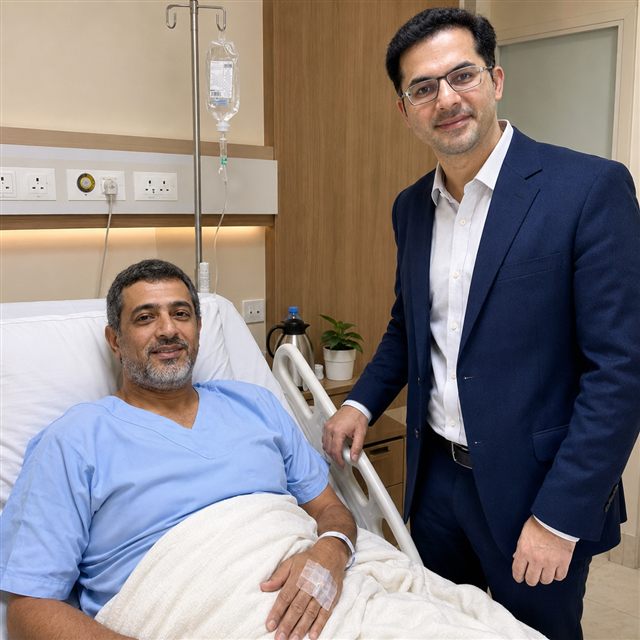
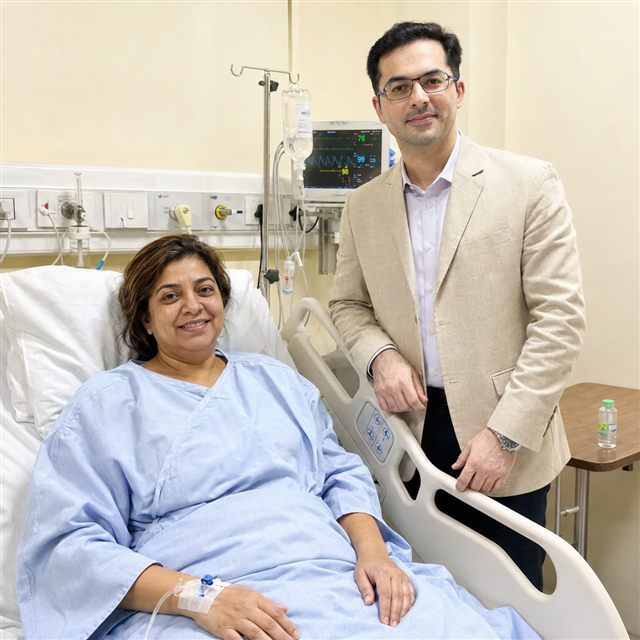
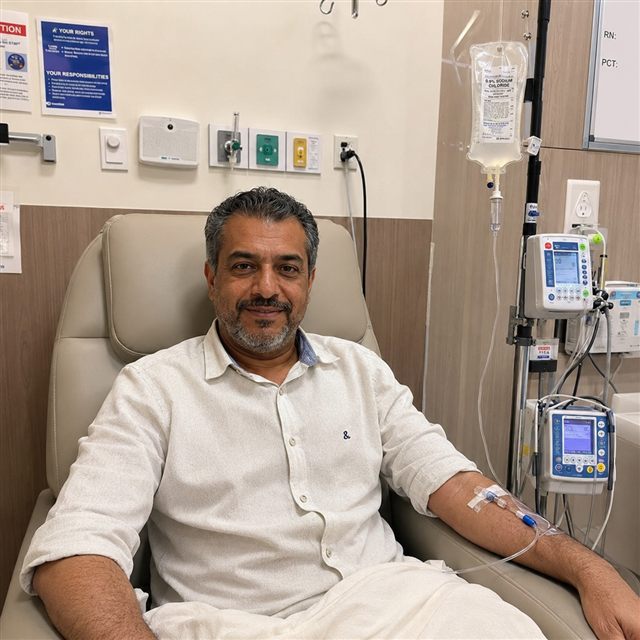
Patient Testimonials from Oman
Ready to Take the First Step?
Share your Medical Reports with our Healthcare Managers Today and Get a FREE CONSULTATION, a Personalized Treatment Plan, and Complete Support from Arrival to Recovery.
Get Your Free ConsultationAreas We Serve
Indian Health Guru Consultants proudly assists patients from Oman and surrounding Middle Eastern countries in accessing advanced, affordable and trusted medical treatment in India. Our team provides complete support for medical opinions, hospital selection, treatment planning, visa assistance, travel coordination, accommodation and post-treatment follow-up.
We regularly serve patients from:
- Oman
- Turkey
- Iran
- Kuwait
- Jordan
- Syria
- Qatar
- Bahrain
- Yemen
- Iraq
- Saudi Arabia
- United Arab Emirates
No matter where you are located, our experienced team is committed to making your medical journey to India safe, smooth, transparent and stress-free from the first enquiry to your return home.
From Oman to India: Your Complete Patient Guide
- Weight Loss and Bariatric Surgery in India for Omanis: Cost & Guide
- Brain Tumor Surgery in India for Omanis: Cost & Guide
- Cancer Treatment in India for Omanis: Cost & Guide
- Cardiac Surgery in India for Omanis: Cost & Guide
- Breast Cancer Treatment in India for Omanis: Cost & Guide
- Neurosurgery in India for Omanis: Cost & Guide
- Spine Surgery in India for Omanis: Cost & Guide
- Bone Marrow Transplant in India for Omanis: Cost & Guide
- Kidney Transplant in India for Omanis: Cost & Guide
- Best Dentists and Clinics for Dental Surgery in India for Omani Patients
- Best Doctors and Hospitals for Blood Cancer Treatment in India for Omani Patients
- Best Bone Marrow Transplant Doctors and Hospitals in India for Omani Patients
- Best IVF and Fertility Doctors and Hospitals in India for Omani Couples
- Best Bariatric Surgeons and Hospitals for Weight Loss Surgery in India for Omani Patients
- Best Brain Tumor Surgery Doctors and Hospitals in India for Omani Patients
- Best Cardiac Surgeons and Hospitals in India for Omani Patients
- Best Colorectal Cancer Surgeons and Hospitals in India for Omani Patients
- Best Surgeons and Hospitals for Complex Joint Revision Surgery in India for Omani Patients