

Plastic and Reconstructive Surgery in India for Omanis: A Doctor’s Guide to Making the Right Decision
A practical guide for Omani patients covering burn, trauma, cancer and congenital reconstruction, grafts, flaps, costs, recovery and staged treatment.
Reconstructive plastic surgery occupies genuinely different territory from cosmetic surgery, even though the two fields share techniques and sometimes even the same surgeons. This is surgery to restore function and form after burns, trauma, cancer treatment, or congenital conditions like cleft lip and palate — medically necessary work, not elective enhancement. Over 24 years of advising Gulf families through reconstructive decisions, I want to draw that distinction clearly, because it changes how the entire process should be approached. Oman's hospitals, including Apollo Hospital Muscat, Badr Al Samaa, Aster Al Raffah, and Burjeel Medical Centre, provide surgical consultation and can manage many reconstructive needs locally. This guide is written to help Omani patients and families understand, honestly and without sales pressure, what complex reconstructive surgery genuinely involves, and what to check carefully before deciding where to have it done.
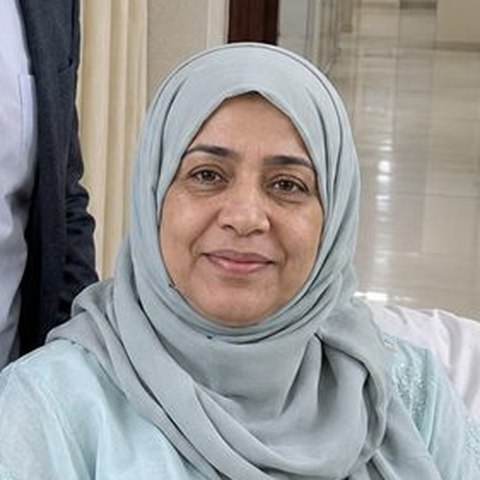
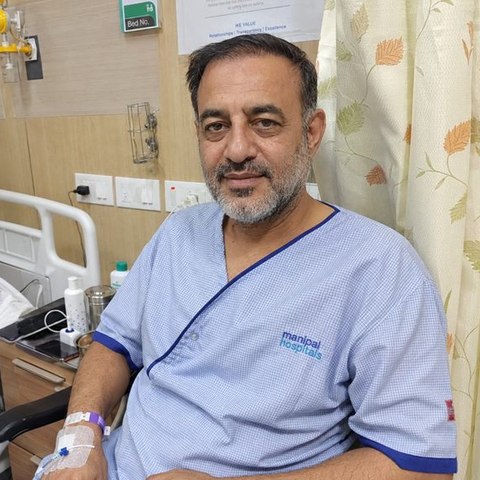
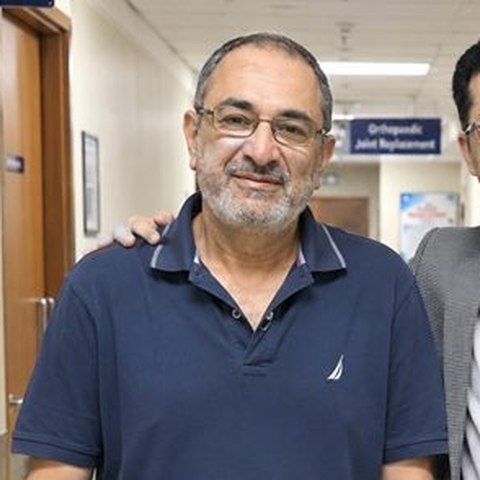
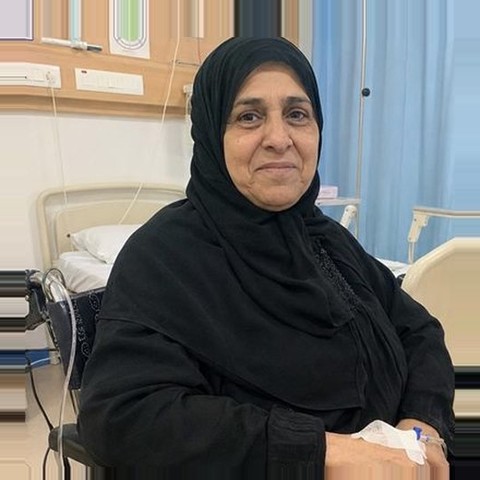
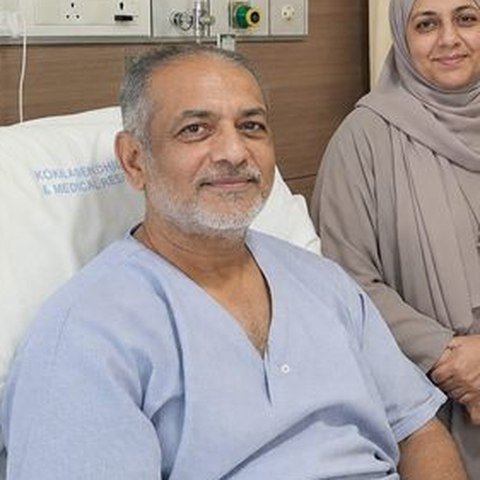
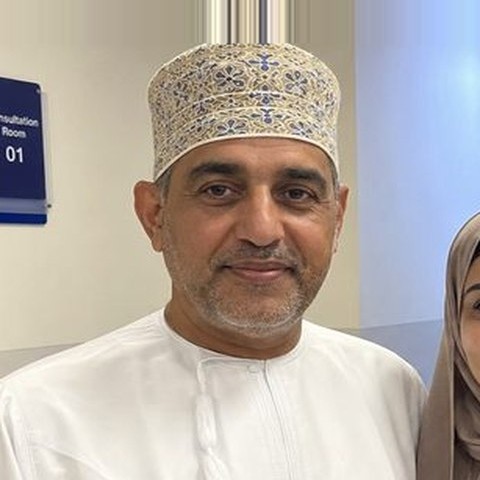
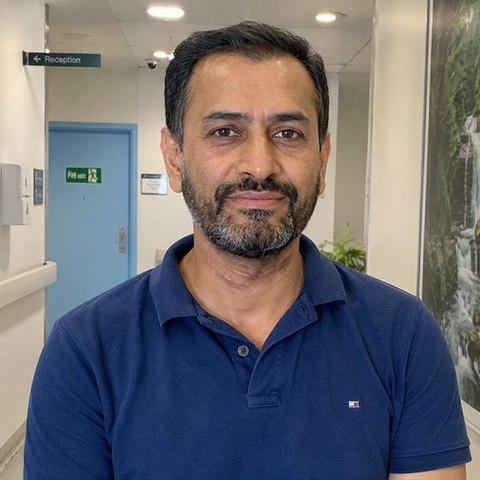
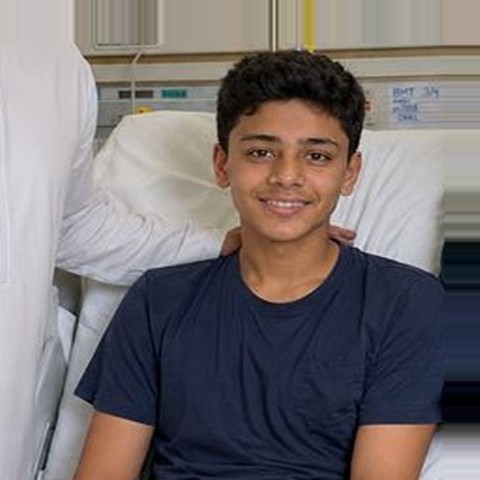
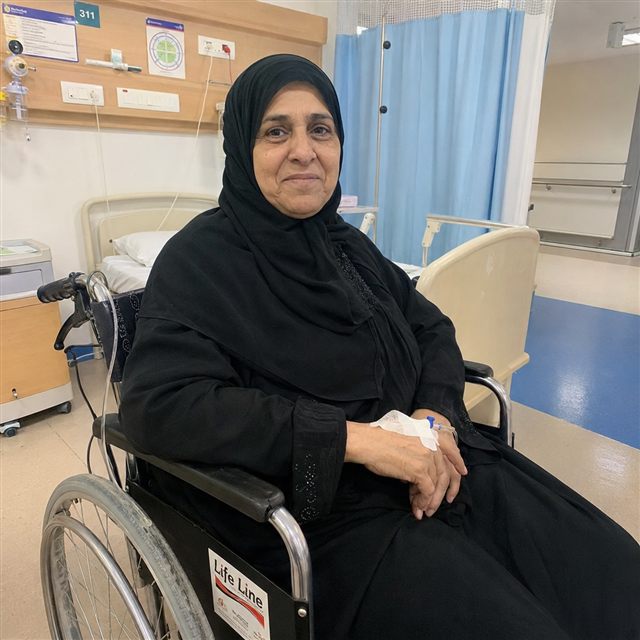
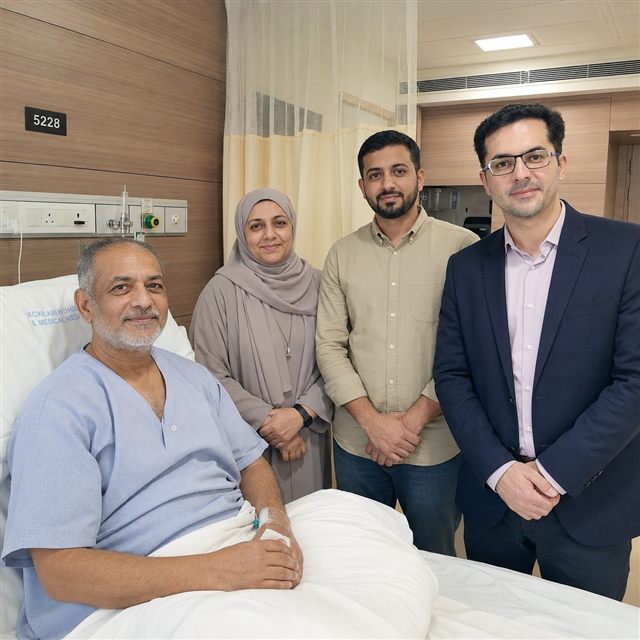
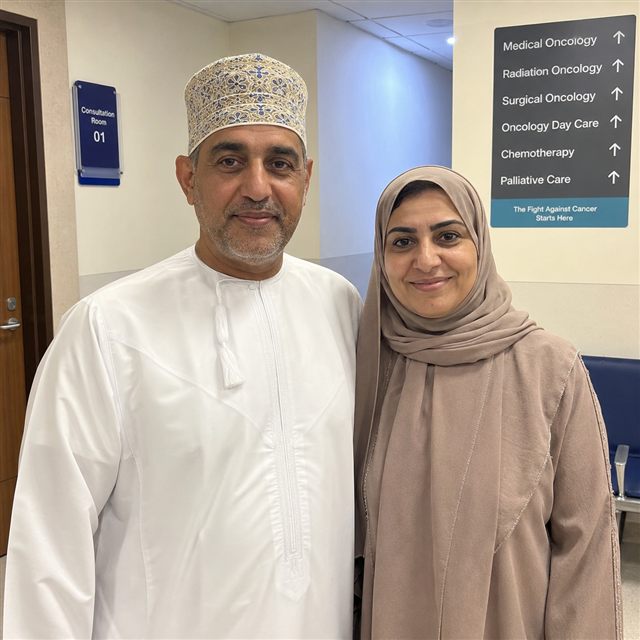
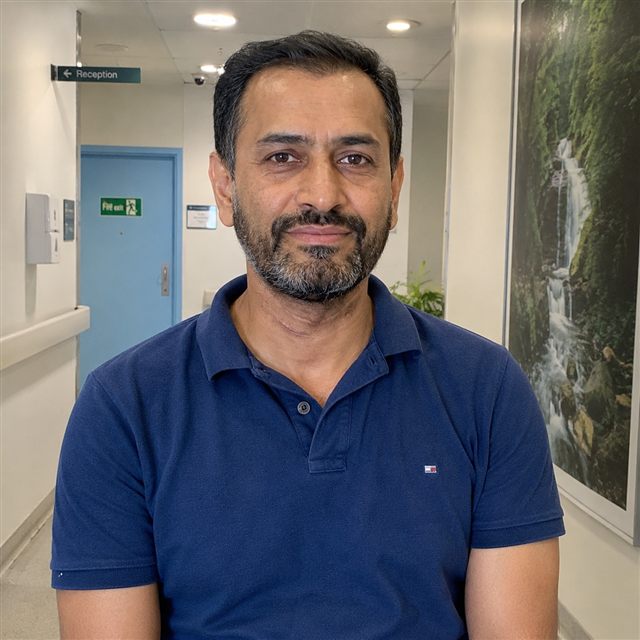
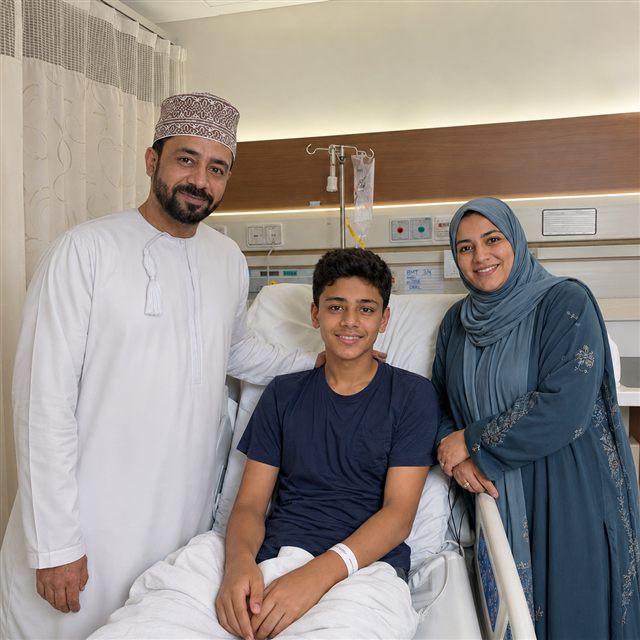
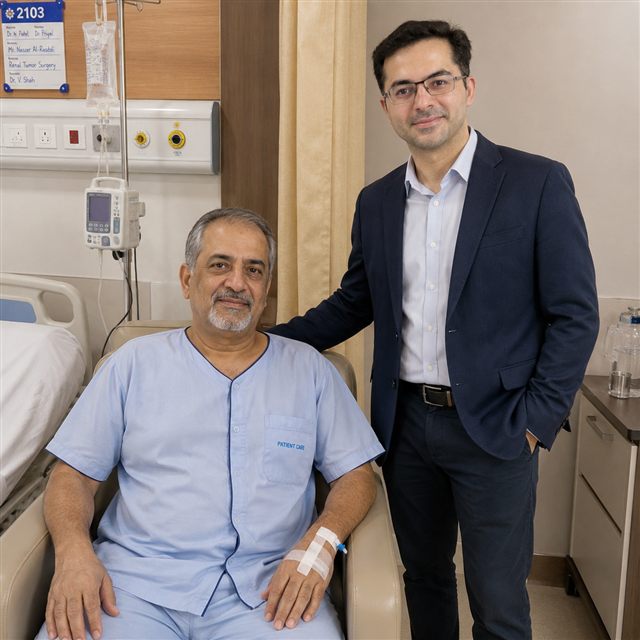
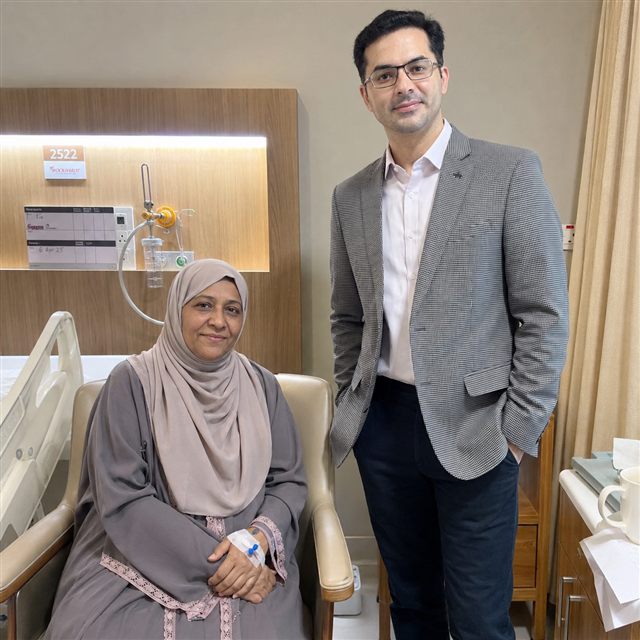
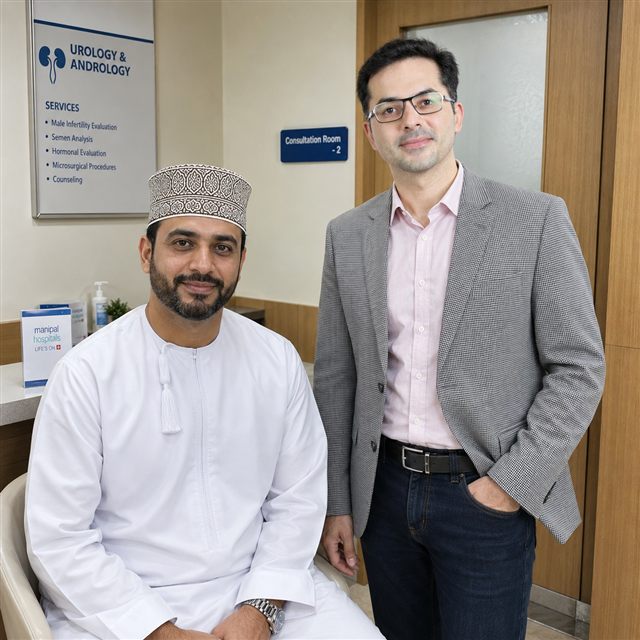
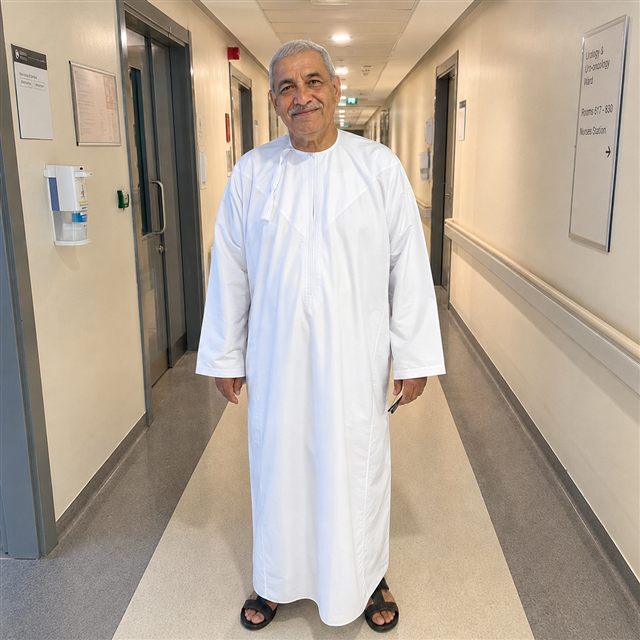
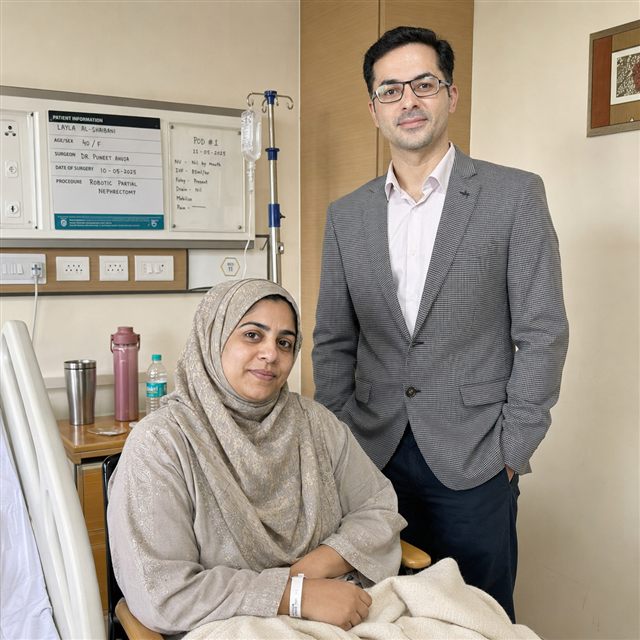
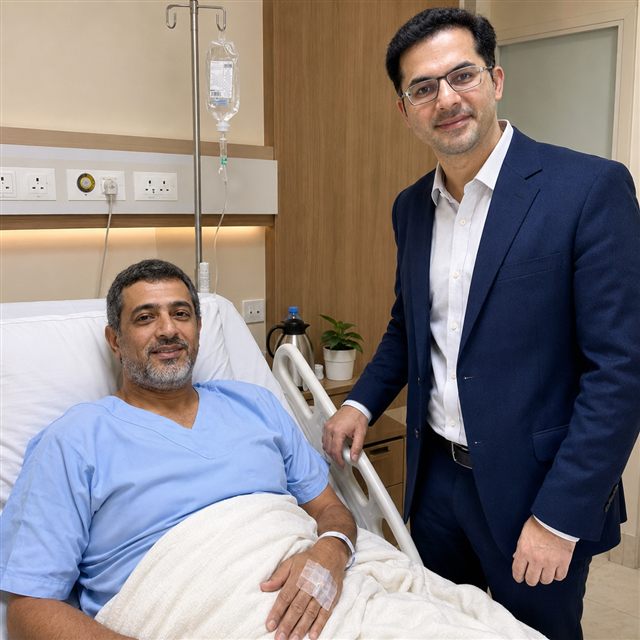
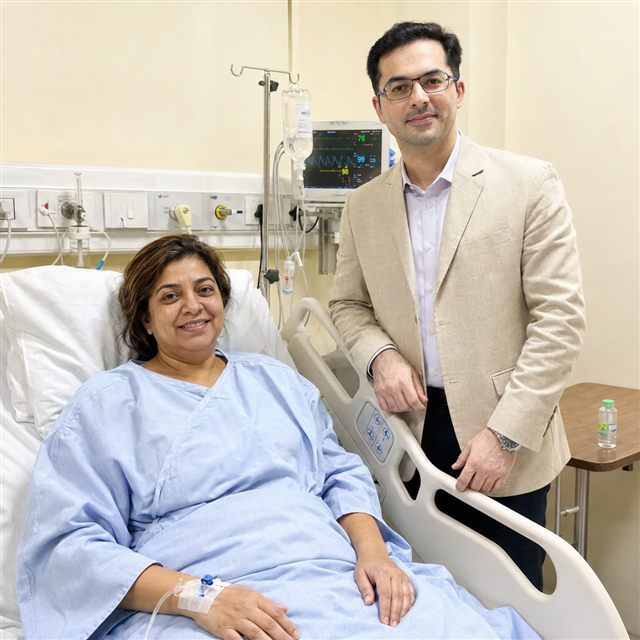
Healing Journeys of Omani Patients
Key Takeaways
- Reconstructive plastic surgery is different from cosmetic surgery because its primary purpose is to restore function and form after burns, trauma, cancer treatment or congenital conditions such as cleft lip and palate. The guide encourages Omani patients to approach it as medically necessary reconstructive care rather than elective enhancement.
- Complex reconstruction is often a staged process rather than a single operation. Significant burns, post-cancer reconstruction, congenital defects and severe trauma may require several procedures over months or even years, allowing tissues to heal between stages.
- The surgical technique depends on the defect. Skin grafts can cover suitable wounds, while local or free flaps may be needed when greater tissue volume, blood supply or specialised tissue is required. Free-flap microsurgery is particularly technically demanding and requires specific surgeon experience.
- India's major reconstructive centres in Delhi, Mumbai, Chennai and Bengaluru offer experience with burn reconstruction, post-cancer reconstruction, complex trauma and microsurgical free flaps. The guide stresses that the surgeon's experience with the exact reconstructive technique is more important than general hospital reputation alone.
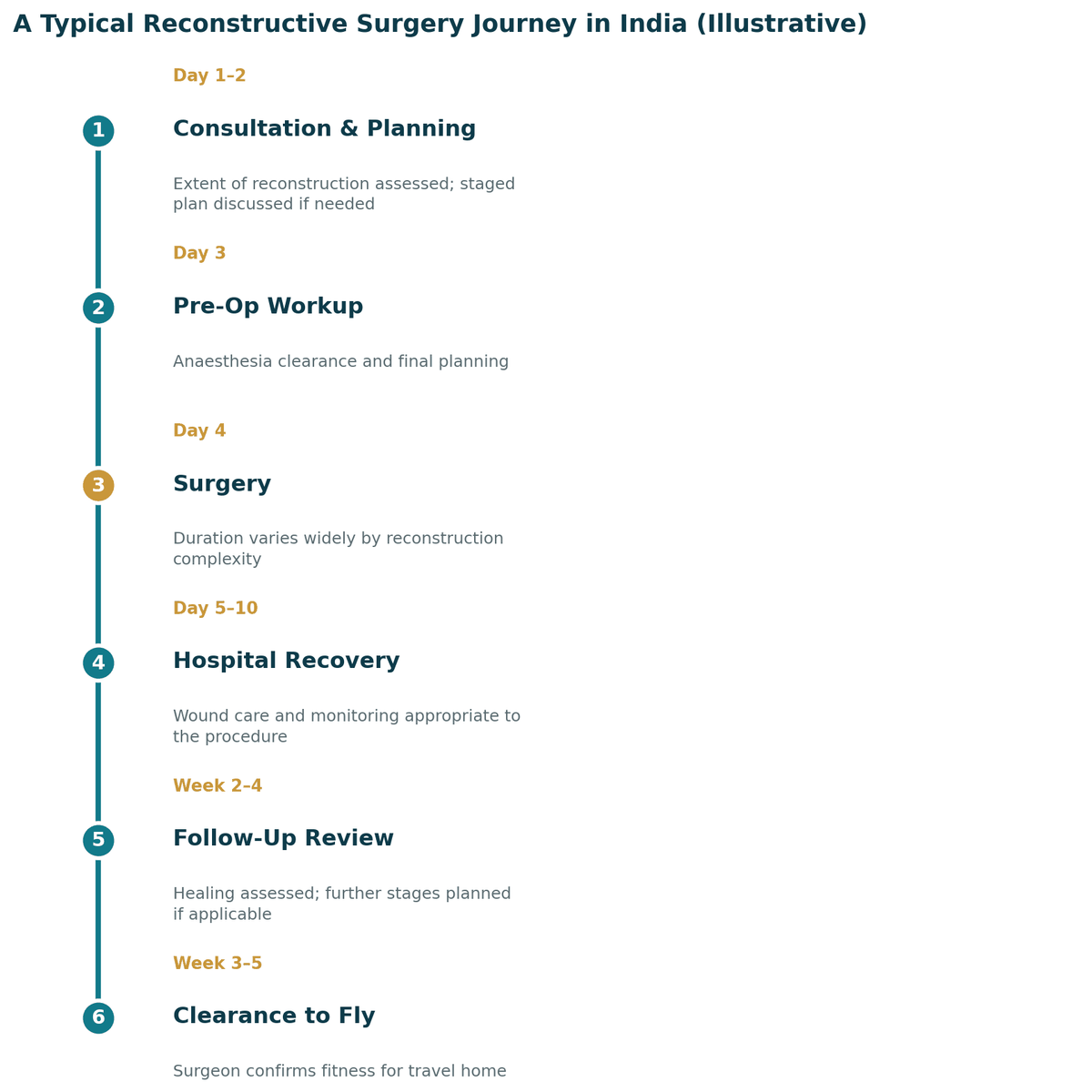
- The page 2 treatment journey diagram presents an illustrative pathway beginning with consultation and reconstruction planning on days 1–2, pre-operative work-up on day 3, surgery on day 4, hospital recovery during days 5–10, follow-up review during weeks 2–4 and clearance to fly around weeks 3–5.
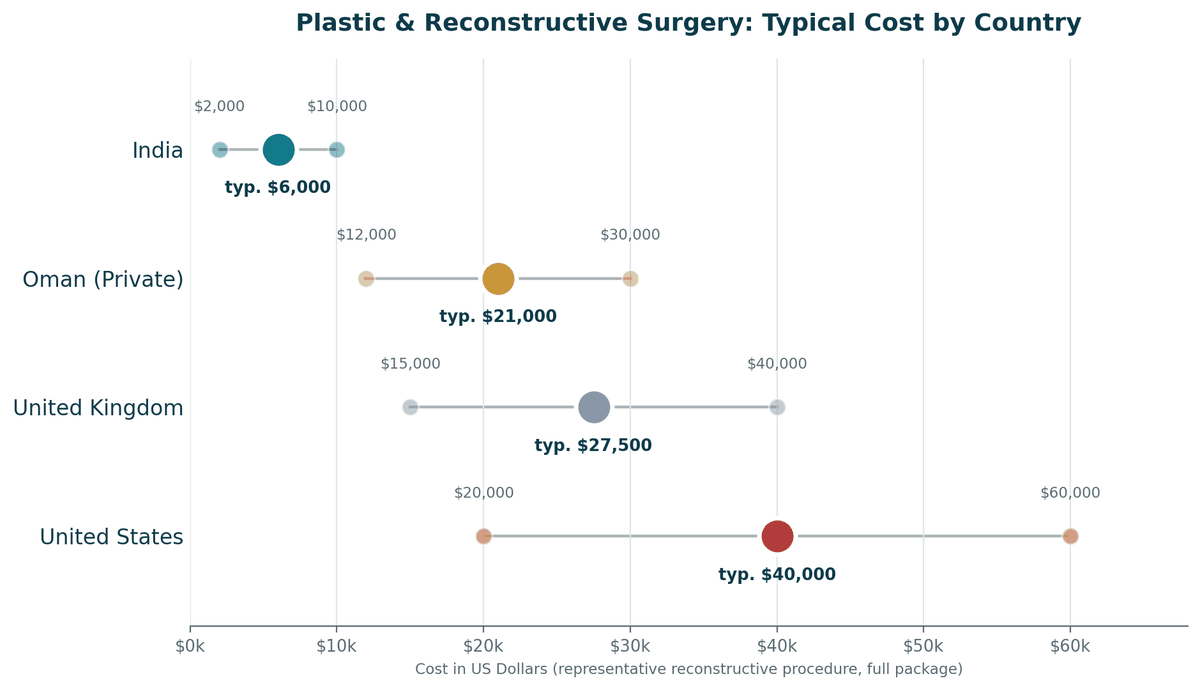
- The page 3 cost chart and comparison table gives a representative reconstructive surgery cost of US$2,000–10,000 in India, compared with US$12,000–30,000 in private Oman, US$15,000–40,000 in private UK care and US$20,000–60,000+ in the United States. Multi-stage cases involve separate costs for each stage.
- The guide recommends obtaining a stage-by-stage treatment and cost plan because one quotation may not accurately represent a complex reconstruction requiring several operations. Patients should clarify how many procedures are expected and what each stage will cost.
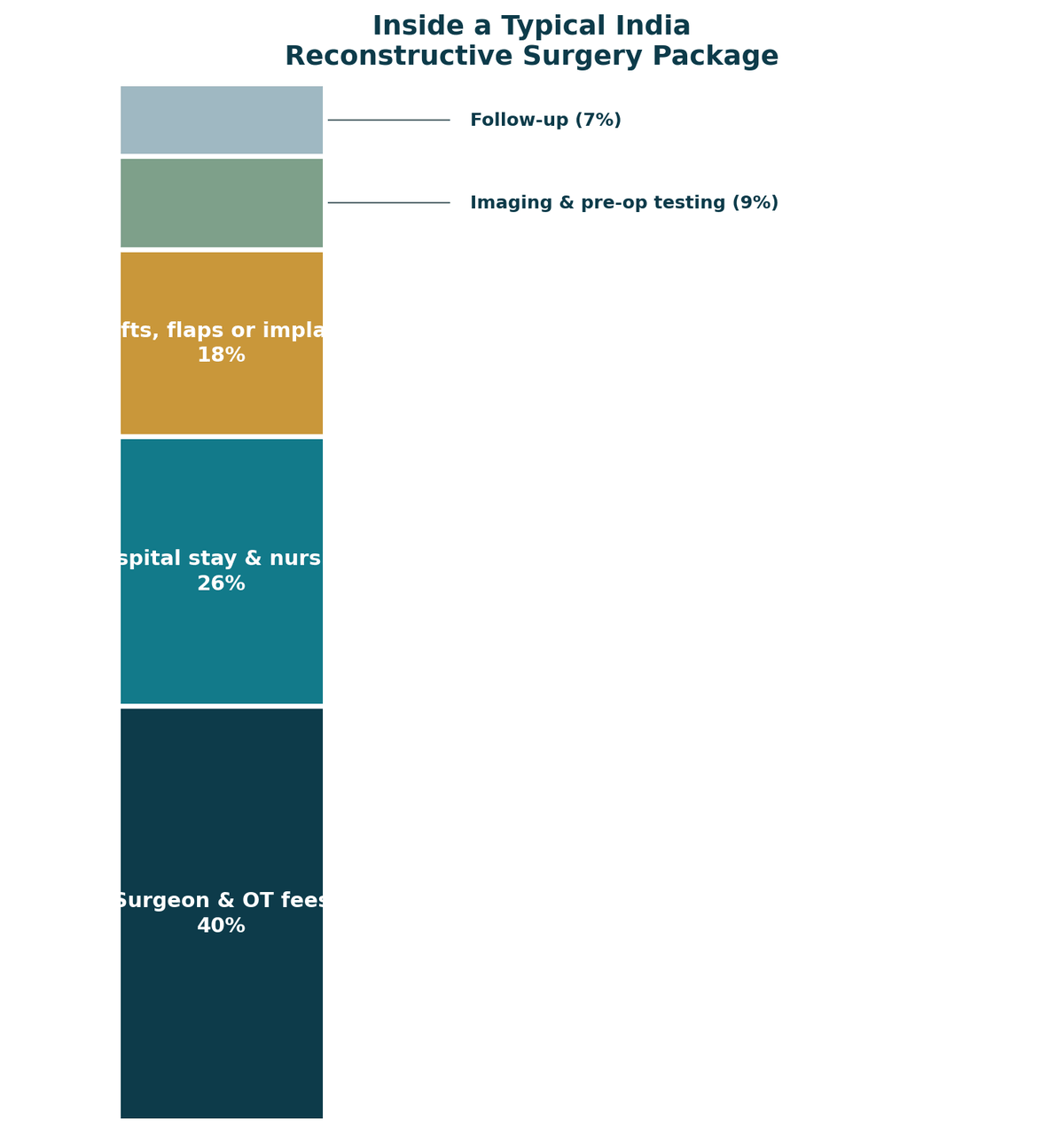
- The page 4 package graphic illustrates an India reconstructive surgery package with surgeon and OT fees at 40%, hospital stay and nursing at 26%, grafts, flaps or implants at 18%, imaging and pre-operative testing at 9%, and follow-up at 7%.
- The guide specifically recommends asking about the surgeon's microsurgery experience when a free flap is planned. Because free-flap reconstruction is highly specialised, repeated experience with the same technique can be an important consideration when an Omani patient compares treatment teams.
- Final reconstructive results should not be judged immediately after surgery. The guide notes that healing and scar maturation can continue for many months and sometimes more than a year, so patients should have realistic expectations about when the final result can be assessed.
- Omani patients should also clarify insurance coverage before travelling. The guide notes that reconstructive surgery for trauma, burns or medical conditions may be eligible for coverage unlike purely cosmetic procedures, but the patient's specific policy must be checked rather than assumed.
- The source recommends sending imaging and case history to an independent reconstructive team in India before committing to treatment. This allows the team to determine whether the case requires one operation or several and how the stages should be sequenced.
- Long-term planning is especially important for Omani families because a reconstructive journey may continue after returning home. Follow-up visits, subsequent surgical stages and the gradual maturation of scars should all be incorporated into the treatment plan from the beginning.
Quick Facts
- Treatment
- Plastic and reconstructive surgery
- Primary Patients
- Omani patients requiring reconstructive surgical care
- Main Indications
- Burns, trauma, cancer-related defects and congenital conditions
- Main Techniques
- Skin grafts, local flaps and free-flap microsurgery
- Complex Reconstruction
- May require multiple staged operations
- Key Specialist
- Reconstructive Plastic Surgeon / Microsurgeon
- Main India Cities
- Delhi, Mumbai, Chennai and Bengaluru
- India Cost
- US$2,000–10,000 per stage
- Oman Private Cost
- US$12,000–30,000
- UK Private Cost
- US$15,000–40,000
- US Cost
- US$20,000–60,000+
- Consultation / Planning
- Days 1–2
- Pre-Op Work-Up
- Day 3
- Surgery
- Day 4
- Hospital Recovery
- Days 5–10
- Follow-Up Review
- Weeks 2–4
- Clearance to Fly
- Around weeks 3–5
- Package Breakdown
- Surgeon/OT 40%, hospital/nursing 26%, grafts/flaps/implants 18%, imaging/pre-op testing 9%, follow-up 7%
- Stage Planning
- Confirm the number and sequence of procedures
- Technique Check
- Understand why a graft or flap is recommended
- Microsurgery Check
- Verify free-flap experience when applicable
- Cost Check
- Obtain stage-specific written quotations
- Insurance
- Check Omani coverage for medically necessary reconstruction
- Follow-Up
- Plan continuing care and later stages in Oman
- Recovery Expectation
- Final results may take many months or more than a year
- Author
- Dr. Dheeraj Bojwani
- Experience
- 24+ Years
In Brief
Plastic and reconstructive surgery in India can provide Omani patients with specialised treatment for complex burns, trauma, cancer-related defects and congenital conditions. The guide explains the role of skin grafts, local flaps and technically demanding free-flap microsurgery, while emphasising that complex reconstruction often requires several stages over months or years. Representative costs range from US$2,000–10,000 in India compared with US$12,000–30,000 in private Oman. The illustrated treatment pathway covers approximately three to five weeks for an individual surgical stage, but final healing and reconstruction may continue for many months.
Why Reconstruction Is Often a Journey, Not a Single Operation
Complex reconstructive cases — significant burn scarring, post-cancer breast or facial reconstruction, congenital defects like cleft palate, or severe traumatic injury — frequently require staged surgery across multiple procedures spread over months or even years, rather than a single definitive operation. Tissue needs time to heal and settle between stages, and a surgeon's ability to plan the full sequence from the outset, rather than addressing each stage in isolation, meaningfully affects the final result.
The technique chosen also varies enormously by case. Skin grafting, which transplants a thin layer of skin to cover a defect, suits certain wounds. Flap reconstruction, which moves tissue along with its own blood supply, either from a nearby area (local flap) or a distant site using microsurgical technique to reconnect blood vessels (free flap), is necessary for more complex defects requiring bulk, blood supply, or specialised tissue types. Free flap microsurgery in particular represents some of the most technically demanding work in all of surgery, and genuinely deserves a surgeon with specific, extensive experience in this exact technique.
What Makes India a Strong Option for Complex Reconstruction
India's leading reconstructive surgery centres, concentrated in Delhi, Mumbai, Chennai, and Bengaluru, treat an exceptionally high volume of burn reconstruction, post-cancer reconstruction, and complex trauma cases each year, giving surgical teams genuine, repeated experience with the full range of grafting and flap techniques, including microsurgical free flaps. This volume matters enormously for reconstructive surgery, where outcomes are closely tied to a surgeon's specific technical experience with the exact procedure required.
India also gives patients access to multidisciplinary reconstructive teams, since complex cases often benefit from coordination between plastic surgeons, oncologists, and other specialists depending on the underlying cause, alongside the capacity to properly plan and execute multi-stage reconstructions over the necessary timeframe. And because Indian hospitals have spent two decades building international patient pathways for Gulf and African patients, Omani patients arrive to Arabic-speaking coordinators and a well-tested process for reviewing imaging and case history before travel is even booked.
This does not mean every reconstructive need requires travel. Straightforward cases are often well managed locally. It is the more complex cases — extensive burns, free flap reconstruction, multi-stage congenital repairs — where India's depth of specific microsurgical and reconstructive experience makes the most meaningful difference.
Cost Comparison: India vs. Oman vs. Western Countries
The figures below represent a range covering moderate to complex reconstructive procedures, in approximate US dollars, for a full package at an accredited private hospital. Multi-stage cases involve separate costs for each stage of surgery.
| Destination | Typical Cost Range | What This Usually Includes |
|---|---|---|
| India | US $2,000 – $10,000 | Surgeon and OT fees, hospital stay, grafts or flaps, and standard follow-up per stage |
| Oman (private) | US $12,000 – $30,000 | Surgeon fees, hospital stay; varies significantly by reconstruction complexity |
| United Kingdom (private) | US $15,000 – $40,000 | Surgery and hospital stay; further stages often billed separately |
| United States | US $20,000 – $60,000+ | Highly variable by state and hospital; complex microsurgical cases can exceed this range substantially |
A few honest caveats specific to complex reconstruction. First, get a stage-by-stage understanding of both plan and cost, since a single quote rarely captures a multi-stage reconstruction accurately — ask specifically how many procedures your case is likely to need and what each one costs. Second, if free flap microsurgery is being proposed, ask directly about the surgeon's specific experience with this exact technique, since it is genuinely among the most demanding work in surgery and outcomes vary considerably by experience. Third, final results in reconstructive surgery are typically judged only after many months, sometimes over a year, of healing and scar maturation, so build patience into your expectations from the outset.
What a Typical Omani Patient Should Weigh Before Deciding Reconstructive Surgery in India
Having guided patients through this exact decision for 24 years, here is what I encourage every Omani family to work through before committing to a hospital:
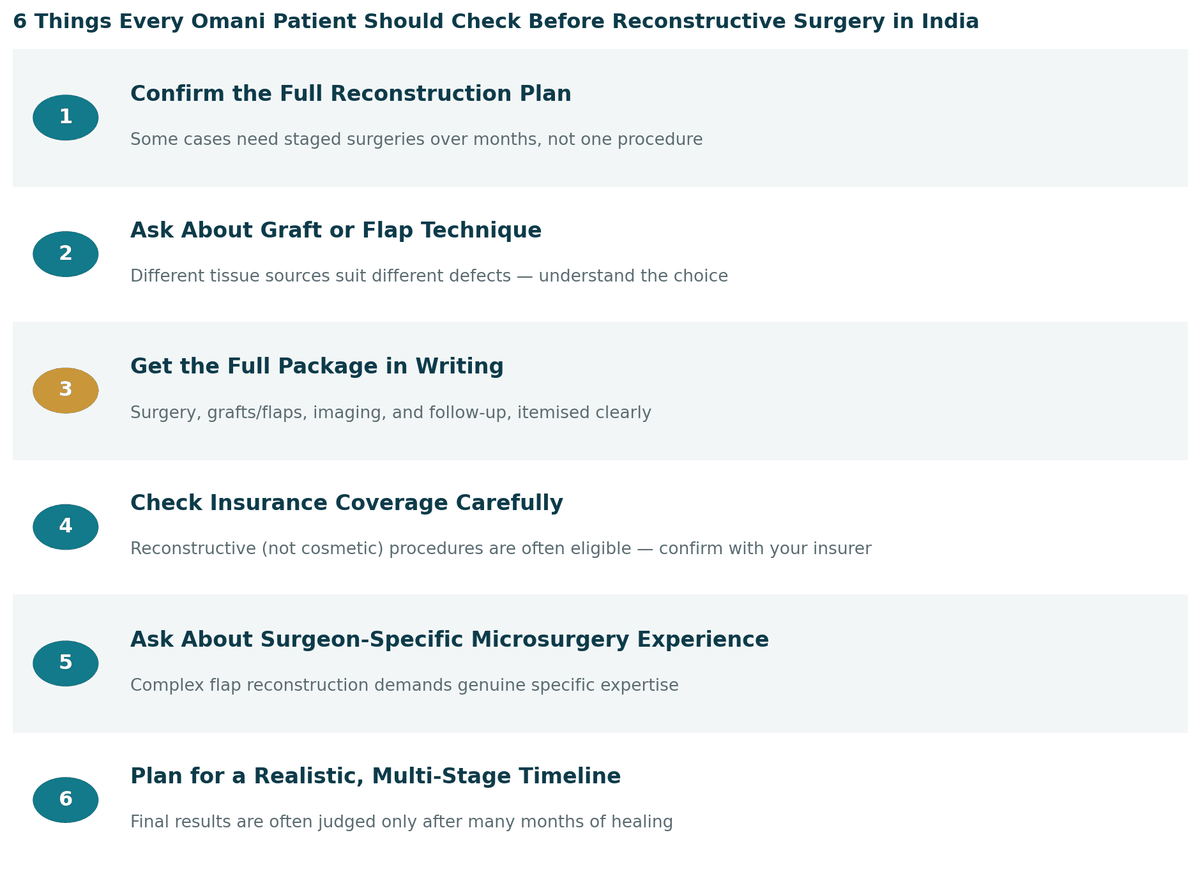
- Get the full, staged reconstruction plan from the outset. Send your imaging and case history to an independent reconstructive team in India before committing. Understand whether your case needs one surgery or several, and how they're sequenced.
- Ask specifically about graft versus flap technique. Understand why a particular approach is being recommended for your specific defect.
- Get the full package itemised in writing. Surgery, grafts or flaps, imaging, and follow-up should each be clear for every stage of a multi-stage plan.
- Check your insurance coverage carefully. Unlike purely cosmetic procedures, reconstructive surgery addressing trauma, burns, or medical conditions is often eligible for coverage. Confirm your specific policy's position before assuming otherwise.
- Ask specifically about the surgeon's microsurgery experience if a free flap is planned. This is genuinely specialised, technically demanding work. Verify specific, repeated experience with this exact technique.
- Plan for a realistic, multi-month timeline. Understand that final results take time to fully emerge, and plan follow-up visits and any subsequent stages accordingly.
A Patient Closing Thought
Complex reconstruction asks something different of both surgeon and patient than most other procedures in this series — not a single decisive event, but a carefully sequenced journey where each stage builds on the last. The families who navigate this most successfully are usually the ones who understood, from the very first consultation, that genuine healing and a fully realised result take real time, and who chose a team capable of planning for that entire journey, not just its first step. A thorough, staged treatment plan from a genuinely experienced reconstructive team is worth securing before any surgery begins.
Sources & Further Reading
- MedlinePlus, U.S. National Library of Medicine (NIH) — Reconstructive Surgery (medlineplus.gov)
- American Society of Plastic Surgeons (ASPS), non-profit professional association — Reconstructive Plastic Surgery (plasticsurgery.org)
- American Burn Association (ABA), non-profit organization — Burn Reconstruction (ameriburn.org)
- American Cleft Palate-Craniofacial Association (ACPA), non-profit organization — Cleft and Craniofacial Care (acpa-cpf.org)
- NHS (UK National Health Service) — Reconstructive Surgery (nhs.uk)
Frequently Asked Questions by Omani Patients about Plastic and Reconstructive Surgery in India
Can Omani patients undergo reconstructive plastic surgery in India?
Yes. The guide presents India as an option particularly for complex burns, trauma, cancer reconstruction, congenital defects and microsurgical procedures. Straightforward cases may often be managed locally in Oman.
What types of reconstructive surgery are available for Omani patients in India?
The guide discusses skin grafting, local flap reconstruction and free-flap microsurgery. The appropriate technique depends on the size, location and requirements of the specific defect.
How much does reconstructive surgery cost in India for Omani patients?
The representative range is US$2,000–10,000 per surgical stage in India. Complex cases requiring multiple stages will have separate costs for each procedure.
How does reconstructive surgery cost in India compare with private Oman?
The guide gives a representative India range of US$2,000–10,000 compared with US$12,000–30,000 in private Oman. Complexity and the number of surgical stages can substantially change the final cost.
Will an Omani patient need more than one reconstructive surgery?
Possibly. Extensive burns, complex trauma, congenital defects and some cancer reconstructions may require several procedures spread over months or years.
What is the difference between a skin graft and a flap for an Omani patient?
A skin graft transfers a thin layer of skin to cover an appropriate defect. A flap transfers tissue with its own blood supply and may be required for deeper or more complex reconstruction.
Why is free-flap microsurgery experience important for Omani patients?
Free-flap surgery requires microsurgical reconnection of blood vessels and is technically demanding. The guide recommends checking the surgeon's repeated experience with the exact free-flap technique being proposed.
How long should an Omani patient stay in India for reconstructive surgery?
The illustrated pathway extends approximately three to five weeks for an individual surgical stage, including recovery and follow-up. Complex or staged reconstruction may require additional stays.
Can reconstructive surgery be covered by insurance for Omani patients?
It may be, particularly when surgery addresses burns, trauma or a medical condition rather than cosmetic enhancement. However, the guide recommends confirming the specific Omani insurance policy before travel.
What should an Omani family check before choosing reconstructive surgery in India?
Confirm the complete staged treatment plan, understand why a graft or flap is recommended, obtain itemised costs for every stage, verify microsurgical experience when required, check insurance coverage and plan for long-term healing and follow-up in Oman.
Page Summary
This six-page guide explains plastic and reconstructive surgery in India for Omani patients, focusing on burn, trauma, cancer and congenital reconstruction, grafts, flaps, microsurgery, costs and staged treatment. The page 2 journey diagram illustrates consultation, surgery, hospital recovery, follow-up and clearance to fly over approximately three to five weeks. The page 3 cost chart compares India at US$2,000–10,000 per stage with private Oman at US$12,000–30,000, while page 4 shows the main components of an illustrative reconstructive package. Pages 5–6 emphasise staged planning, graft-versus-flap decisions, microsurgery experience, insurance coverage and the longer healing timeline.
Citation Block
| Field | Details |
|---|---|
| Article / Topic | Plastic and Reconstructive Surgery in India |
| Country / Patients | India / Omani Patients |
| Main Indications | Burns, trauma, cancer-related defects and congenital conditions |
| Key Specialist | Reconstructive Plastic Surgeon / Microsurgeon |
| Main Techniques | Skin grafts, local flaps and free flaps |
| Complex Cases | May require staged reconstruction |
| Main India Cities | Delhi, Mumbai, Chennai and Bengaluru |
| India Cost | US$2,000–10,000 per stage |
| Oman Private Cost | US$12,000–30,000 |
| UK Private Cost | US$15,000–40,000 |
| US Cost | US$20,000–60,000+ |
| Planning | Days 1–2 |
| Surgery | Day 4 |
| Hospital Recovery | Days 5–10 |
| Follow-Up Review | Weeks 2–4 |
| Clearance to Fly | Around weeks 3–5 |
| Package Breakdown | Surgeon/OT 40%, hospital/nursing 26%, grafts/flaps/implants 18%, imaging/pre-op testing 9%, follow-up 7% |
| Stage Planning | Confirm number, sequence and cost of each procedure |
| Technique Selection | Understand graft versus flap recommendation |
| Microsurgery Experience | Verify specific free-flap experience when proposed |
| Insurance Check | Confirm coverage for medically necessary reconstruction |
| Recovery Check | Expect final results only after substantial healing and scar maturation |
| Follow-Up | Plan subsequent stages and ongoing care in Oman |
| Key Selection Criterion | Specific reconstructive and microsurgical experience |
| Important Warning | Do not judge a complex reconstruction by the first operation alone; staged treatment and prolonged healing may be necessary |


Our Mission Statement
Our mission is to place patients at the centre of every healthcare decision by providing trustworthy, evidence-based, and unbiased medical information. We believe that informed patients make better decisions. Backed by personalised guidance from our experienced advisory team, we help patients understand their treatment options, compare them objectively, and confidently choose the path that best suits their medical needs and personal circumstances.
Patient Testimonials from Oman
Ready to Take the First Step?
Share your Medical Reports with our Healthcare Managers Today and Get a FREE CONSULTATION, a Personalized Treatment Plan, and Complete Support from Arrival to Recovery.
Get Your Free ConsultationAreas We Serve
Indian Health Guru Consultants proudly assists patients from Oman and surrounding Middle Eastern countries in accessing advanced, affordable and trusted medical treatment in India. Our team provides complete support for medical opinions, hospital selection, treatment planning, visa assistance, travel coordination, accommodation and post-treatment follow-up.
We regularly serve patients from:
- Oman
- Turkey
- Iran
- Kuwait
- Jordan
- Syria
- Qatar
- Bahrain
- Yemen
- Iraq
- Saudi Arabia
- United Arab Emirates
No matter where you are located, our experienced team is committed to making your medical journey to India safe, smooth, transparent and stress-free from the first enquiry to your return home.
From Oman to India: Your Complete Patient Guide
- Weight Loss and Bariatric Surgery in India for Omanis: Cost & Guide
- Brain Tumor Surgery in India for Omanis: Cost & Guide
- Cancer Treatment in India for Omanis: Cost & Guide
- Cardiac Surgery in India for Omanis: Cost & Guide
- Breast Cancer Treatment in India for Omanis: Cost & Guide
- Neurosurgery in India for Omanis: Cost & Guide
- Spine Surgery in India for Omanis: Cost & Guide
- Bone Marrow Transplant in India for Omanis: Cost & Guide
- Kidney Transplant in India for Omanis: Cost & Guide
- Best Dentists and Clinics for Dental Surgery in India for Omani Patients
- Best Doctors and Hospitals for Blood Cancer Treatment in India for Omani Patients
- Best Bone Marrow Transplant Doctors and Hospitals in India for Omani Patients
- Best IVF and Fertility Doctors and Hospitals in India for Omani Couples
- Best Bariatric Surgeons and Hospitals for Weight Loss Surgery in India for Omani Patients
- Best Brain Tumor Surgery Doctors and Hospitals in India for Omani Patients
- Best Cardiac Surgeons and Hospitals in India for Omani Patients
- Best Colorectal Cancer Surgeons and Hospitals in India for Omani Patients
- Best Surgeons and Hospitals for Complex Joint Revision Surgery in India for Omani Patients