

Paediatric Orthopaedic Surgery in India for Omanis: A Doctor’s Guide to Making the Right Decision
A practical guide for Omani families covering paediatric orthopaedic surgery, clubfoot, limb deformities, growth-plate problems, treatment costs and recovery.
A child's bones are not simply small versions of an adult's. They are still growing, and that growth is both the challenge and the opportunity in paediatric orthopaedics — a growth plate that needs protecting during surgery, a bone that can be gradually reshaped over months in a way an adult's cannot, a deformity that, treated early, may never need revisiting again. Over 24 years of advising Gulf families on children's orthopaedic care, I have found that the biggest source of anxiety is rarely the diagnosis itself, but not knowing what a realistic treatment timeline actually looks like. Oman's hospitals, including Apollo Hospital Muscat, Badr Al Samaa, Aster Al Raffah, and Burjeel Medical Centre, provide paediatric orthopaedic consultation and can manage a range of childhood musculoskeletal conditions. This guide is written to help Omani families understand, honestly and without sales pressure, when a child's condition genuinely benefits from India's specific paediatric orthopaedic expertise, and what a realistic journey actually involves.
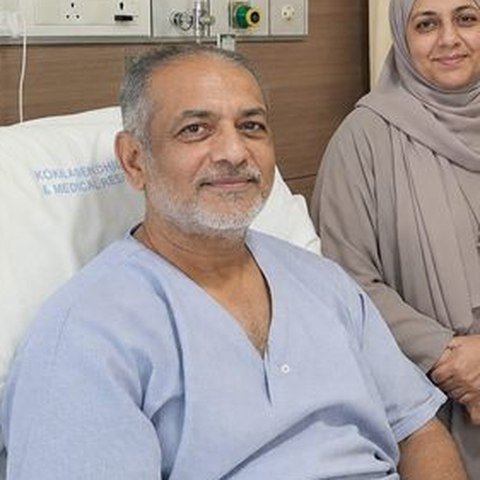
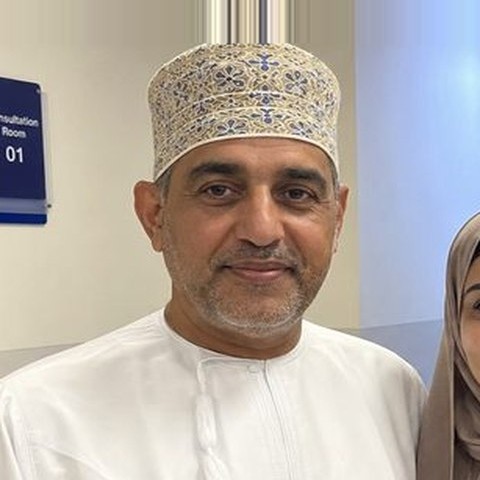
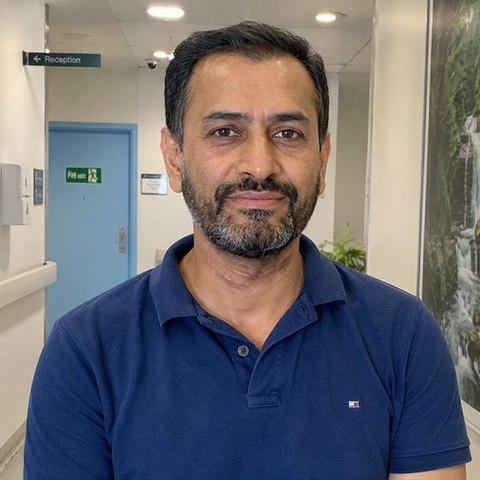
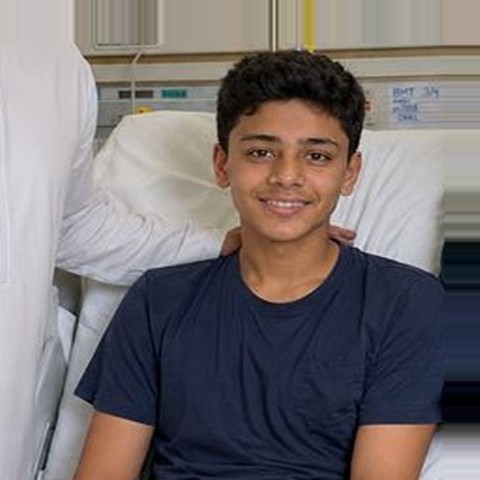
Healing Journeys of Omani Patients
Key Takeaways
- Paediatric orthopaedics requires specialised understanding of growing bones because growth plates can be damaged during surgery, while some deformities can be gradually corrected as the child grows. The guide covers clubfoot, developmental dysplasia of the hip, limb-length differences, angular deformities and growth-plate complications.
- Many childhood orthopaedic conditions do not initially require surgery. Early clubfoot, for example, is often treated with the Ponseti method using serial casting. Surgery becomes more relevant when conservative treatment has not corrected the problem, the deformity is severe or a growth-plate injury is causing progressive deformity.
- Limb-length discrepancies and significant angular deformities may require gradual correction rather than a single operation. The guide discusses external fixation such as an Ilizarov frame and magnetic internal lengthening nails, with the treatment process potentially continuing for months.
- India's paediatric orthopaedic centres in Delhi, Mumbai, Chennai and Bengaluru treat high volumes of congenital and developmental conditions, including complex limb reconstruction. The guide highlights the importance of repeated experience with frame-based correction and growth-plate-sparing techniques.
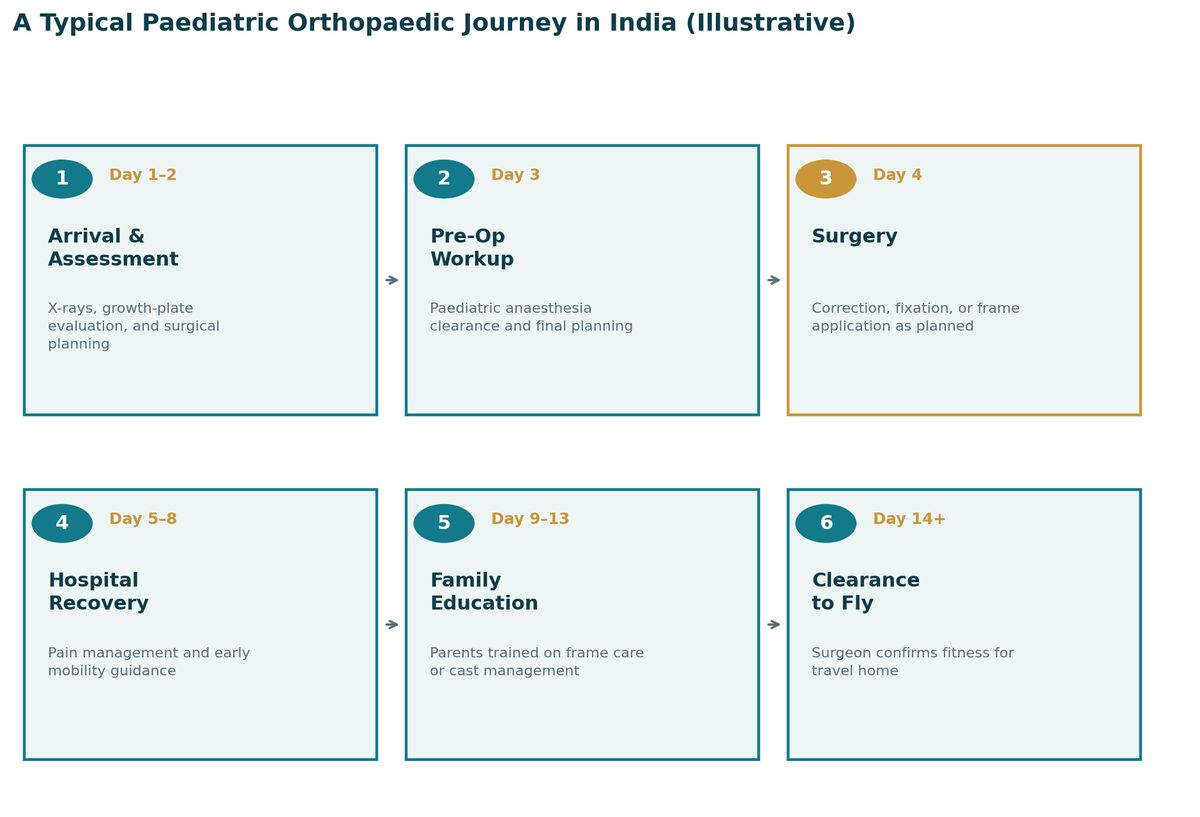
- The page 2 treatment journey diagram illustrates an initial 14-day pathway: arrival and assessment on days 1–2, pre-operative work-up on day 3, surgery on day 4, hospital recovery during days 5–8, family education during days 9–13 and clearance to fly around day 14.
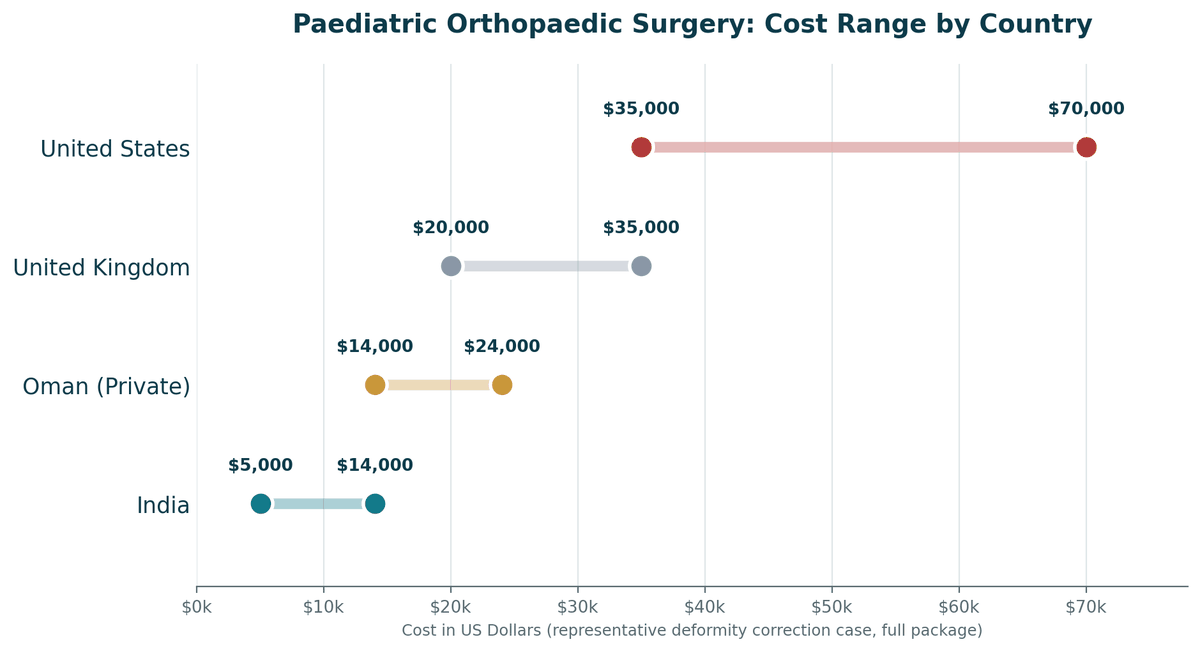
- The page 3 cost chart and comparison table gives a representative moderate-complexity deformity correction cost of US$5,000–14,000 in India, compared with US$14,000–24,000 in private Oman, US$20,000–35,000 in private UK care and US$35,000–70,000+ in the United States.
- The source stresses that treatment complexity and technology can change the cost considerably. A straightforward clubfoot treatment may cost much less than complex limb reconstruction, while an external frame is generally less expensive than a magnetic lengthening nail.
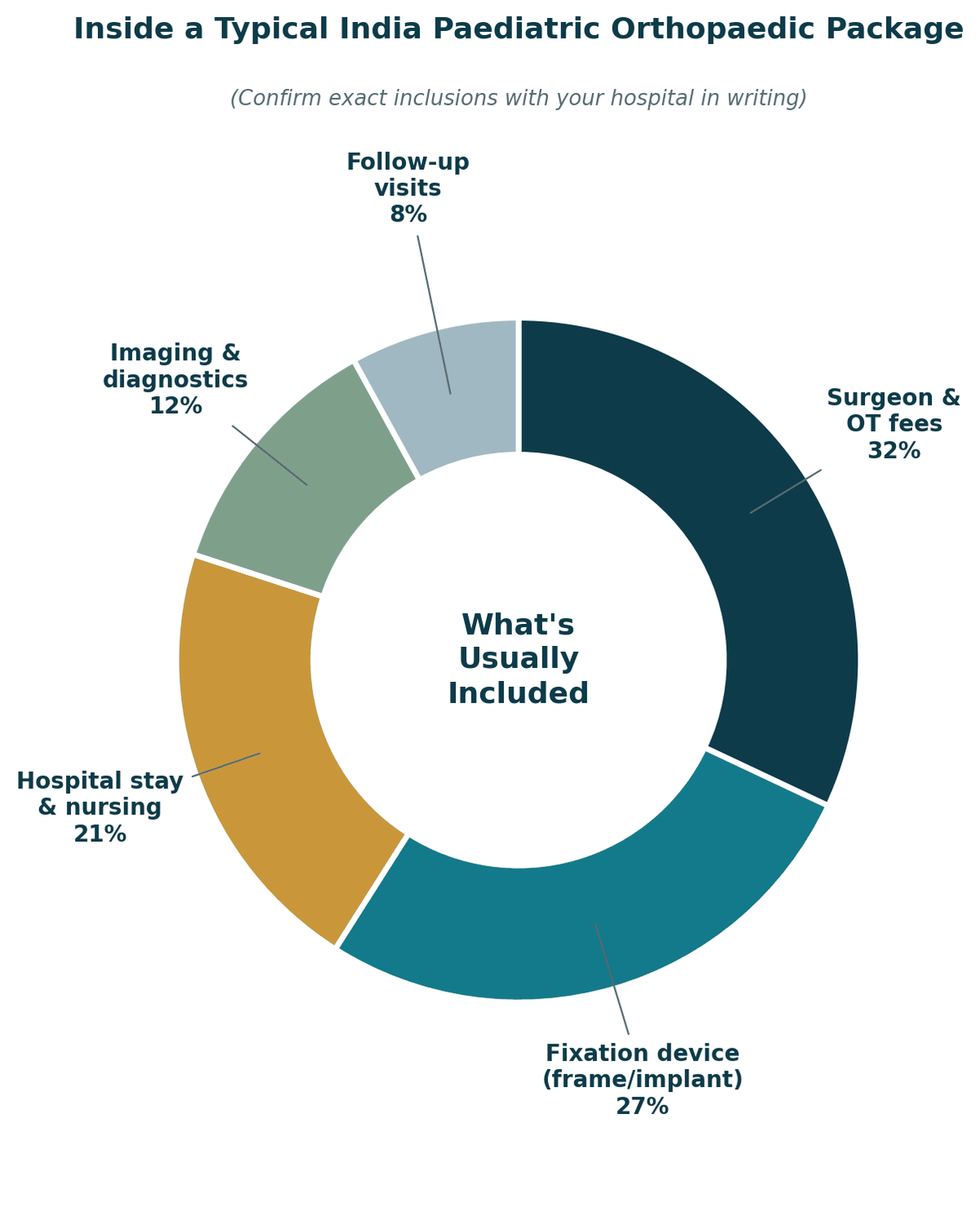
- The page 4 package graphic shows an illustrative India package divided between surgeon and OT fees at 32%, fixation device at 27%, hospital stay and nursing at 21%, imaging and diagnostics at 12%, and follow-up visits at 8%.
- Frame-based correction can substantially extend the family's time in India because adjustments take place gradually. The guide recommends asking about the complete timeline from surgery through frame removal rather than planning only around the initial hospital stay.
- The guide also highlights that children may need periodic X-rays and orthopaedic monitoring for years as they continue growing. Omani families should therefore arrange local follow-up before leaving India and confirm that the Indian team will coordinate with the child's doctor in Oman.
- Parents may need practical training when a child receives frame-based treatment, including basic pin-site care. The guide recommends confirming that this training is included in the discharge process and planning for a parent's extended presence throughout treatment.
- A multidisciplinary or independent second opinion can help determine whether surgery is genuinely required and which correction method is appropriate. Omani families are advised to share the child's imaging and clinical history with a paediatric orthopaedic specialist before travelling.
- The guide recommends evaluating the specific surgeon's paediatric experience, particularly with the child's exact condition and age group. General orthopaedic volume does not necessarily demonstrate expertise in complex deformity correction or paediatric frame-based treatment.
Quick Facts
- Treatment
- Paediatric orthopaedic surgery and deformity correction
- Primary Patients
- Omani children requiring specialised orthopaedic care
- Main Conditions
- Clubfoot, developmental hip dysplasia, limb-length discrepancy, angular deformity and growth-plate complications
- Non-Surgical Option
- Ponseti serial casting for many early clubfoot cases
- Main Surgical Options
- External fixation and magnetic internal lengthening nails
- Fixation Technology
- Ilizarov frames, hexapod systems and software-guided correction
- Key Specialist
- Paediatric Orthopaedic / Deformity Correction Surgeon
- Main India Cities
- Delhi, Mumbai, Chennai and Bengaluru
- India Cost
- US$5,000–14,000 for a representative deformity correction
- Oman Private Cost
- US$14,000–24,000
- UK Private Cost
- US$20,000–35,000
- US Cost
- US$35,000–70,000+
- Illustrated Initial Journey
- Approximately 14 days
- Assessment
- Days 1–2
- Pre-Op Work-Up
- Day 3
- Surgery
- Day 4
- Hospital Recovery
- Days 5–8
- Family Education
- Days 9–13
- Clearance to Fly
- Around day 14
- Longer Treatment
- Frame-based correction may extend several weeks to months
- Package Breakdown
- Surgeon/OT 32%, fixation device 27%, hospital/nursing 21%, imaging/diagnostics 12%, follow-up visits 8%
- Technology Check
- Compare external frame versus magnetic nail for the child's specific case
- Parent Training
- Frame-based treatment may require pin-site care training
- Second Opinion
- Review imaging and clinical history before travel
- Insurance
- Check Omani insurance or employer reimbursement
- Ministry of Health
- Clarify overseas-treatment requirements
- Follow-Up
- Arrange periodic X-rays and orthopaedic monitoring in Oman
- Author
- Dr. Dheeraj Bojwani
- Experience
- 24+ Years
In Brief
Paediatric orthopaedic surgery in India can be considered by Omani families when a child has a complex congenital deformity, limb-length discrepancy, significant angular deformity or a growth-plate problem requiring specialised correction. The guide explains that some conditions, especially early clubfoot, may be managed without surgery, while complex deformities can require gradual correction using external frames or magnetic lengthening nails. A representative deformity correction costs US$5,000–14,000 in India compared with US$14,000–24,000 in private Oman. The initial illustrated journey is approximately 14 days, but frame-based treatment may require several weeks to months and long-term follow-up as the child grows.
The Conditions Behind “Paediatric Orthopaedics”
This field covers an unusually wide range of conditions: clubfoot present from birth, developmental dysplasia of the hip, limb length discrepancies, congenital bowing or angular deformities, and complications from childhood fractures that affected a growth plate. Many of these conditions, caught early, respond well to non-surgical treatment — the Ponseti method for clubfoot, for instance, uses serial casting rather than surgery for most cases. Surgery becomes necessary when conservative treatment has not fully corrected the problem, when a deformity is severe, or when a growth plate injury has caused an angular deformity that will only worsen as the child grows.
Limb length discrepancies and significant angular deformities are often treated with external fixation devices such as the Ilizarov frame or magnetic internal lengthening nails, which gradually reshape or lengthen bone over a period of months rather than correcting it in a single operation. Understanding that this is a process, not a single event, is essential to setting realistic expectations before travelling anywhere for treatment.
What Makes India a Strong Option for Paediatric Orthopaedic Care
India's dedicated paediatric orthopaedic and deformity correction centres, concentrated in Delhi, Mumbai, Chennai, and Bengaluru, treat a very high volume of congenital and developmental conditions each year, including complex limb reconstruction cases that a general orthopaedic department sees far less frequently. This volume matters because frame-based corrections and growth-plate-sparing techniques demand specific, repeated experience to get right.
India also gives families access to a range of fixation technologies, including hexapod and software-guided deformity correction systems that allow more precise, gradual correction than older frame designs, alongside dedicated paediatric anaesthesia teams experienced with the specific needs of young patients. And because Indian hospitals have spent two decades building international paediatric care pathways for Gulf and African families, Omani patients arrive to Arabic-speaking coordinators and a well-tested process for reviewing imaging before travel is even booked.
This does not mean every child's condition needs to travel. Straightforward cases, particularly clubfoot caught early, are frequently managed very well locally. It is the more complex congenital deformities, limb length discrepancies, and cases needing specialised frame-based correction where India's depth of specific experience makes the most difference.
Cost Comparison: India vs. Oman vs. Western Countries
Costs vary enormously across paediatric orthopaedic conditions. The figures below use a representative moderate-complexity deformity correction case as a benchmark, in approximate US dollars, for a full package at an accredited private hospital — simpler cases such as straightforward clubfoot casting cost considerably less in every country.
| Destination | Typical Cost (Representative Deformity Correction) | What This Usually Includes |
|---|---|---|
| India | US $5,000 – $14,000 | Surgeon and OT fees, fixation device, hospital stay, and standard follow-up during admission |
| Oman (private) | US $14,000 – $24,000 | Surgeon fees, device, hospital stay; varies significantly by hospital tier and case complexity |
| United Kingdom (private) | US $20,000 – $35,000 | Surgery and hospital stay; extended follow-up often billed separately |
| United States | US $35,000 – $70,000+ | Highly variable by state and hospital; complex reconstruction cases can exceed this range |
A few honest caveats specific to paediatric orthopaedics. First, the treatment technology chosen changes the cost meaningfully — an external fixator frame is generally less expensive than an internal magnetic lengthening nail, though the nail avoids a second removal surgery, so ask your surgeon to walk through this trade-off for your child's specific case. Second, frame-based corrections require the total time in India to stretch well beyond the initial surgery, often several weeks to a few months, since adjustments happen gradually. Third, many paediatric orthopaedic conditions need years of periodic follow-up to confirm the correction is holding as the child continues to grow, so ask specifically how this will be coordinated once you are home.
What a Typical Omani Family Should Weigh Before Deciding Paediatric Orthopaedic Surgery in India
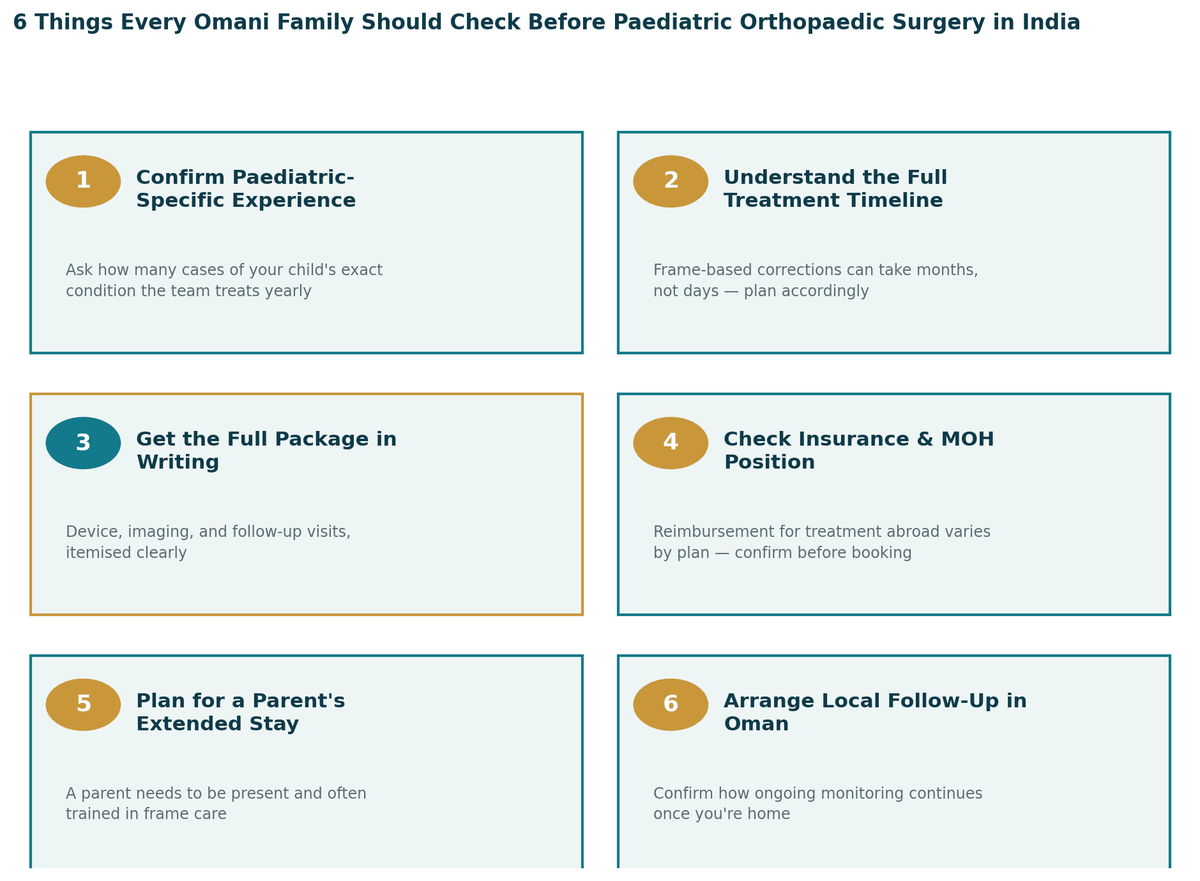
Having guided families through this exact decision for 24 years, here is what I encourage every Omani family to work through before committing to a hospital:
- Confirm genuine paediatric-specific experience. Ask how many children with your child's exact condition and age the surgical team treats each year — not general orthopaedic volume.
- Understand the full treatment timeline honestly. If frame-based correction is recommended, ask exactly how long the process takes from surgery to frame removal, not just how long the initial hospital stay will be.
- Get the full package itemised in writing. Device type, imaging, and the full course of follow-up visits should each be clear before you commit.
- Check your insurance and Ministry of Health position. Some Omani insurance plans and employer health schemes offer partial reimbursement for treatment abroad; others do not cover it at all. Clarify this before you travel, not after.
- Plan for a parent's extended presence and, often, hands-on training. Frame-based treatments frequently require a parent to learn basic pin-site care. Confirm this is part of the discharge process, not an afterthought.
- Arrange local follow-up in Oman before you leave India. Many conditions need periodic X-rays for years afterward. Confirm your Indian team is willing to coordinate with a doctor back home.
A Closing Thought
Children's bones have a genuine capacity to remodel and grow into correction in a way adult bones simply cannot, which is part of why paediatric orthopaedics can achieve such lasting results. But that same growth means timing and follow-through matter enormously — a correction started too late, or not followed through with proper monitoring, can undo months of careful treatment. The families who do best are usually the ones who went in with a realistic sense of the whole journey, not just the surgery date. Sharing your child's imaging with a paediatric orthopaedic specialist for an honest, specific opinion is a good place to start, wherever you ultimately decide to be treated.
Sources & Further Reading
- American Academy of Orthopaedic Surgeons (AAOS) — OrthoInfo: Clubfoot (orthoinfo.aaos.org)
- National Institute of Arthritis and Musculoskeletal and Skin Diseases (NIAMS), NIH — Growth Plate Injuries (niams.nih.gov)
- MedlinePlus, U.S. National Library of Medicine (NIH) — Developmental Dysplasia of the Hip (medlineplus.gov)
- NHS (UK National Health Service) — Limb Lengthening and Deformity Correction (nhs.uk)
- Pediatric Orthopaedic Society of North America (POSNA), non-profit professional association — Patient Education Resources (posna.org)
Frequently Asked Questions by Omani Patients about Paediatric Orthopaedic Surgery in India
Can Omani children undergo paediatric orthopaedic surgery in India?
Yes. The guide presents India as an option particularly for complex congenital deformities, limb-length discrepancies and cases requiring specialised frame-based correction. Straightforward conditions may often be treated effectively in Oman.
Which paediatric orthopaedic conditions are covered for Omani children?
The guide covers clubfoot, developmental dysplasia of the hip, limb-length discrepancies, angular deformities and complications involving growth plates.
Does every Omani child with clubfoot need surgery in India?
No. Early clubfoot is frequently managed using the Ponseti method and serial casting. Surgery becomes more relevant when conservative treatment has not adequately corrected the deformity or the condition is complex.
How much does paediatric orthopaedic surgery cost in India for Omani patients?
The guide gives a representative deformity correction cost of US$5,000–14,000 in India. Simpler treatments such as straightforward clubfoot casting can cost considerably less.
How does paediatric orthopaedic surgery cost in India compare with private Oman?
The representative India range is US$5,000–14,000 compared with US$14,000–24,000 in private Oman. The final cost depends on the child's condition, complexity and fixation technology.
How long does an Omani child need to stay in India for paediatric orthopaedic surgery?
The illustrated initial pathway runs for approximately 14 days. However, frame-based deformity correction can require several weeks or months in India because adjustments occur gradually.
Which is better for an Omani child: an external frame or magnetic lengthening nail?
The guide does not identify one option as universally better. An external frame is generally less expensive, while a magnetic nail can avoid a second removal operation. The surgeon should explain the trade-off for the child's specific condition.
What should Omani parents know about frame-based treatment?
Parents may need to remain with the child for an extended period and learn basic pin-site care. The guide recommends confirming that practical training is included before discharge.
Will an Omani child need follow-up after returning from India?
Yes. Many paediatric orthopaedic conditions require periodic X-rays and monitoring for years as the child grows. The Indian team should coordinate ongoing care with a doctor in Oman.
What should Omani parents check before choosing paediatric orthopaedic surgery in India?
Confirm the surgeon's experience with the child's exact condition and age, understand the complete timeline through frame removal if applicable, obtain an itemised package, check insurance and Ministry of Health requirements, plan for parental presence and arrange long-term follow-up in Oman.
Page Summary
This six-page guide explains paediatric orthopaedic surgery in India for Omani families, covering congenital deformities, clubfoot, limb-length differences, growth-plate problems, correction technologies, costs and long-term follow-up. The page 2 journey diagram illustrates the initial assessment, surgery, hospital recovery, family training and clearance-to-fly pathway. The page 3 cost chart compares India at US$5,000–14,000 with private Oman at US$14,000–24,000, while page 4 shows the main components of an illustrative India treatment package. Pages 5–6 focus on surgeon-specific experience, treatment timelines, insurance and Ministry of Health checks, parental training and continued monitoring in Oman.
Citation Block
| Field | Details |
|---|---|
| Article / Topic | Paediatric Orthopaedic Surgery in India |
| Country / Patients | India / Omani Children |
| Main Conditions | Clubfoot, hip dysplasia, limb-length discrepancy, angular deformity and growth-plate complications |
| Key Specialist | Paediatric Orthopaedic / Deformity Correction Surgeon |
| Main Treatment Options | Casting, external fixation and internal lengthening |
| Clubfoot Approach | Ponseti serial casting for many early cases |
| Fixation Options | Ilizarov frame, hexapod systems and magnetic lengthening nails |
| Main India Cities | Delhi, Mumbai, Chennai and Bengaluru |
| India Cost | US$5,000–14,000 |
| Oman Private Cost | US$14,000–24,000 |
| UK Private Cost | US$20,000–35,000 |
| US Cost | US$35,000–70,000+ |
| Initial Journey | Approximately 14 days |
| Surgery | Day 4 |
| Hospital Recovery | Days 5–8 |
| Family Education | Days 9–13 |
| Clearance to Fly | Around day 14 |
| Long-Term Treatment | Frame-based correction may require weeks to months |
| Package Breakdown | Surgeon/OT 32%, fixation device 27%, hospital/nursing 21%, imaging/diagnostics 12%, follow-up 8% |
| Technology Check | Compare frame and magnetic nail options |
| Timeline Check | Ask about treatment through frame removal |
| Surgeon Volume | Confirm experience with the exact condition and age group |
| Parent Training | Confirm pin-site care training when a frame is used |
| Insurance / MOH | Confirm overseas-treatment reimbursement before travel |
| Follow-Up | Arrange periodic X-rays and monitoring in Oman |
| Key Selection Criterion | Paediatric-specific deformity correction experience |
| Important Warning | Do not plan only around the initial surgery; gradual correction and long-term growth monitoring may extend treatment for months or years |

Our Mission Statement
Our mission is to place patients at the centre of every healthcare decision by providing trustworthy, evidence-based, and unbiased medical information. We believe that informed patients make better decisions. Backed by personalised guidance from our experienced advisory team, we help patients understand their treatment options, compare them objectively, and confidently choose the path that best suits their medical needs and personal circumstances.
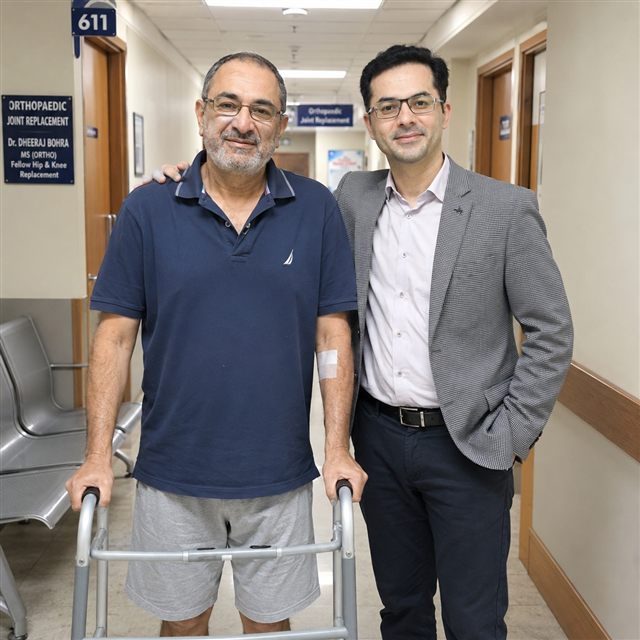
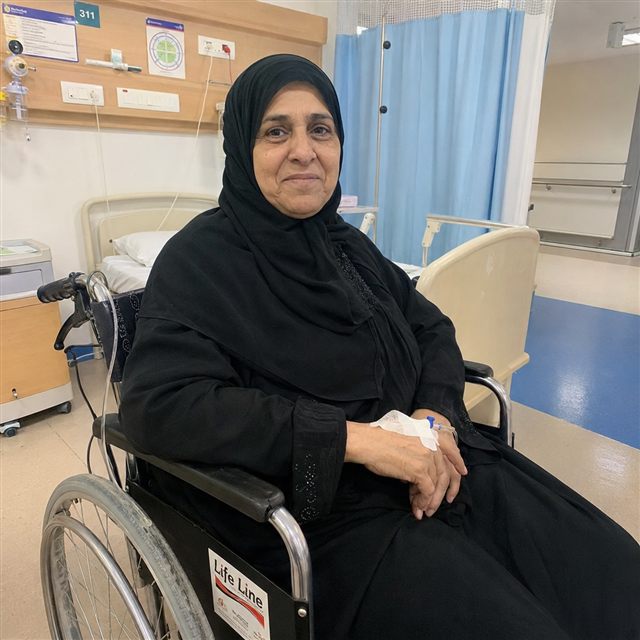
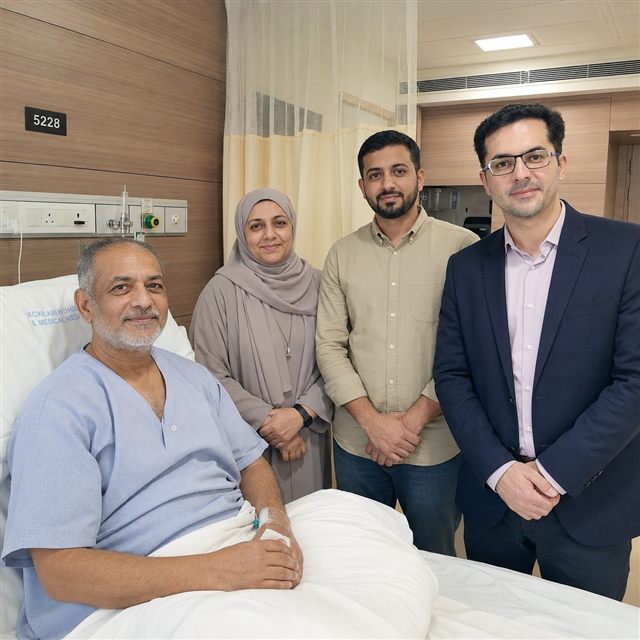
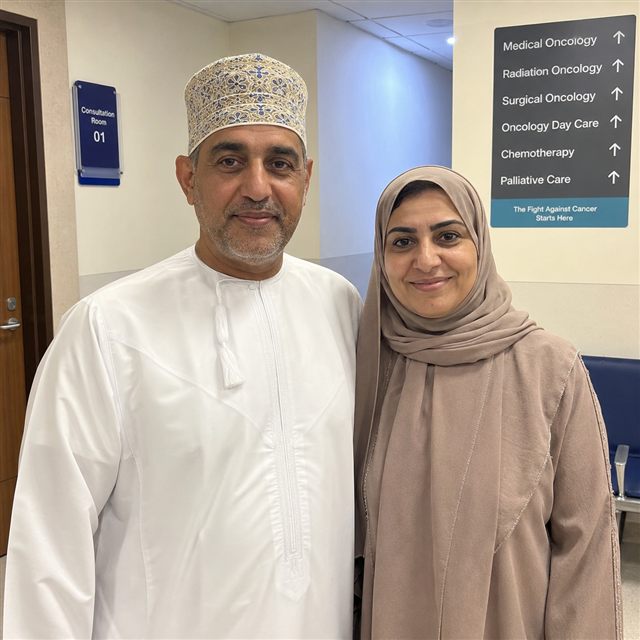
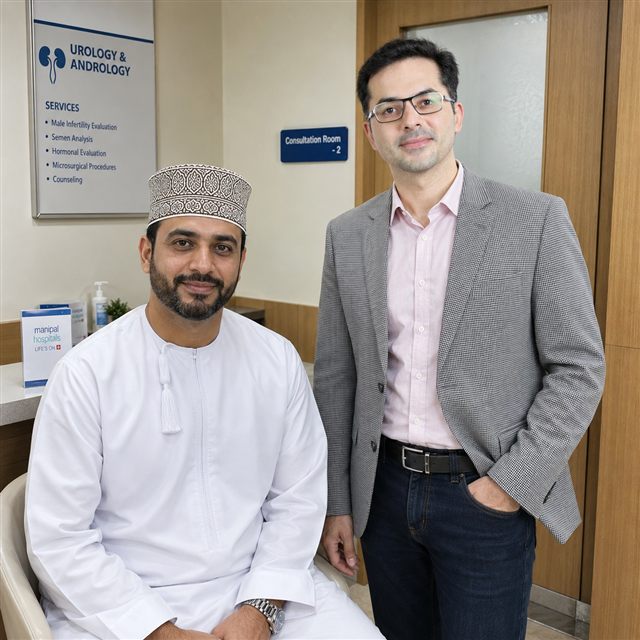
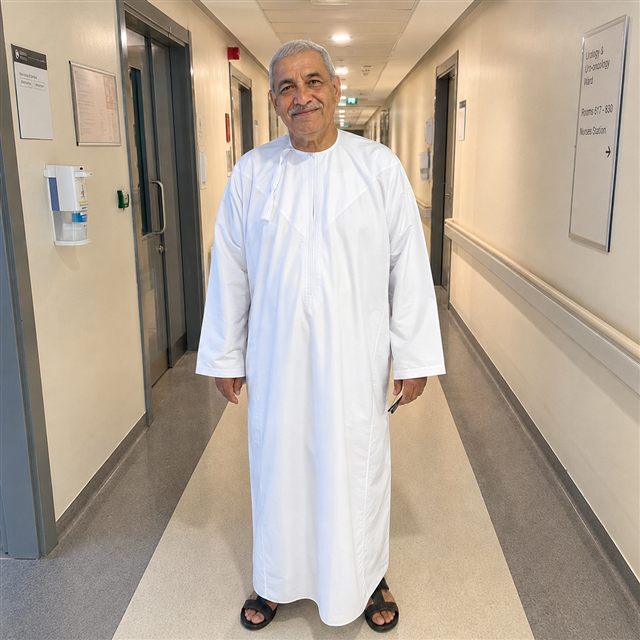
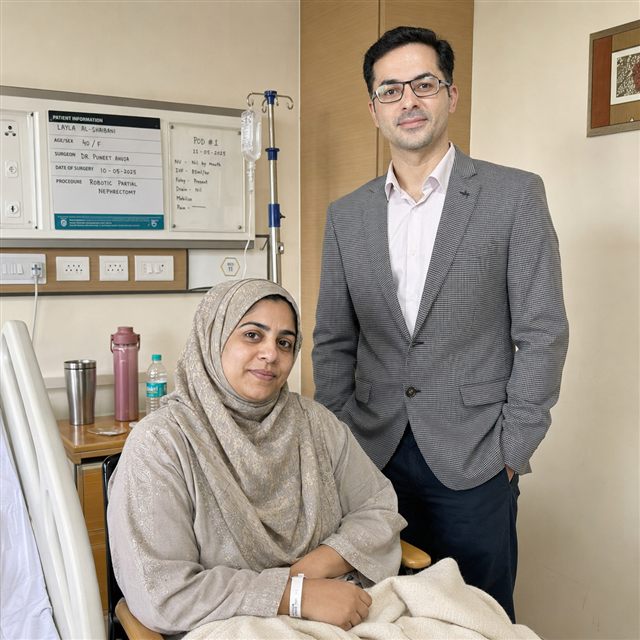
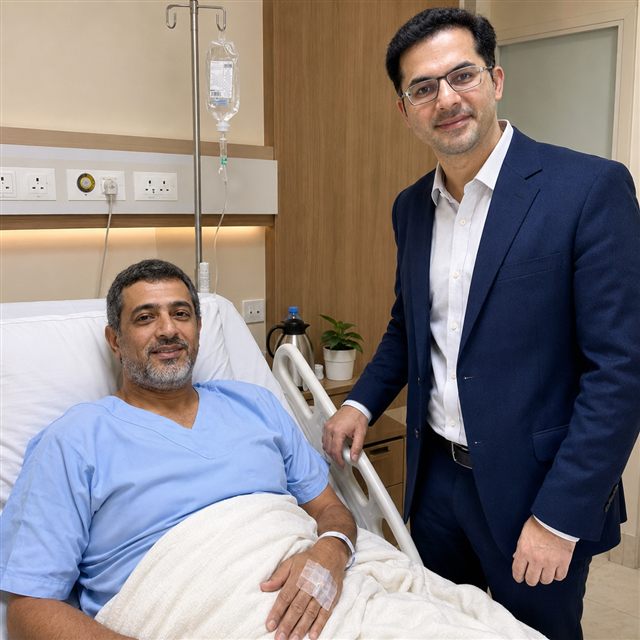
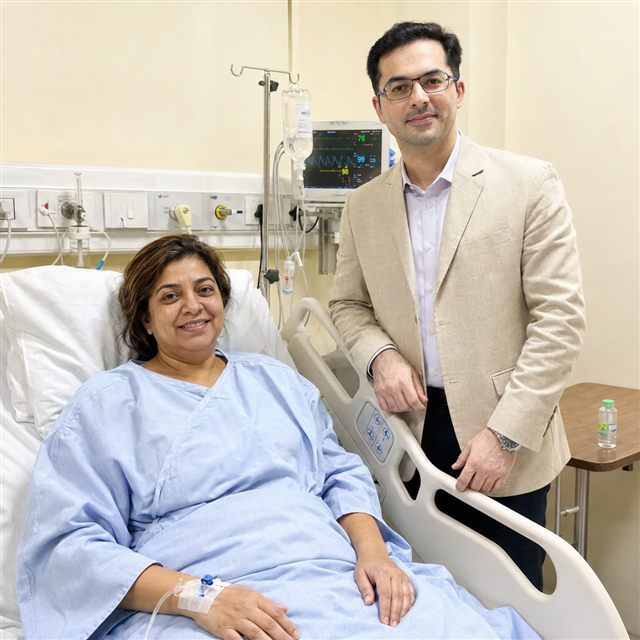
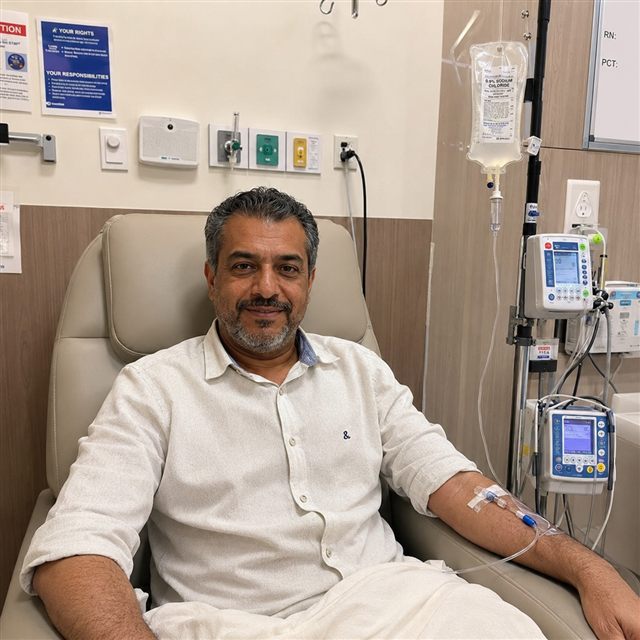
Patient Testimonials from Oman
Ready to Take the First Step?
Share your Medical Reports with our Healthcare Managers Today and Get a FREE CONSULTATION, a Personalized Treatment Plan, and Complete Support from Arrival to Recovery.
Get Your Free ConsultationAreas We Serve
Indian Health Guru Consultants proudly assists patients from Oman and surrounding Middle Eastern countries in accessing advanced, affordable and trusted medical treatment in India. Our team provides complete support for medical opinions, hospital selection, treatment planning, visa assistance, travel coordination, accommodation and post-treatment follow-up.
We regularly serve patients from:
- Oman
- Turkey
- Iran
- Kuwait
- Jordan
- Syria
- Qatar
- Bahrain
- Yemen
- Iraq
- Saudi Arabia
- United Arab Emirates
No matter where you are located, our experienced team is committed to making your medical journey to India safe, smooth, transparent and stress-free from the first enquiry to your return home.
From Oman to India: Your Complete Patient Guide
- Weight Loss and Bariatric Surgery in India for Omanis: Cost & Guide
- Brain Tumor Surgery in India for Omanis: Cost & Guide
- Cancer Treatment in India for Omanis: Cost & Guide
- Cardiac Surgery in India for Omanis: Cost & Guide
- Breast Cancer Treatment in India for Omanis: Cost & Guide
- Neurosurgery in India for Omanis: Cost & Guide
- Spine Surgery in India for Omanis: Cost & Guide
- Bone Marrow Transplant in India for Omanis: Cost & Guide
- Kidney Transplant in India for Omanis: Cost & Guide
- Best Dentists and Clinics for Dental Surgery in India for Omani Patients
- Best Doctors and Hospitals for Blood Cancer Treatment in India for Omani Patients
- Best Bone Marrow Transplant Doctors and Hospitals in India for Omani Patients
- Best IVF and Fertility Doctors and Hospitals in India for Omani Couples
- Best Bariatric Surgeons and Hospitals for Weight Loss Surgery in India for Omani Patients
- Best Brain Tumor Surgery Doctors and Hospitals in India for Omani Patients
- Best Cardiac Surgeons and Hospitals in India for Omani Patients
- Best Colorectal Cancer Surgeons and Hospitals in India for Omani Patients
- Best Surgeons and Hospitals for Complex Joint Revision Surgery in India for Omani Patients