

Liver Transplant in India for Omanis: A Doctor’s Guide to Making the Right Decision
A practical guide for Omani families covering living donor liver transplantation, donor evaluation, costs, recovery, immunosuppression and long-term follow-up in Oman.
A liver transplant conversation almost always involves two patients at once — the person whose liver has failed, and, in the most common form of this surgery today, a healthy family member willing to donate part of their own liver. This dual reality shapes everything about how the process unfolds, and it is not always explained as clearly as it should be. Over 24 years of guiding Gulf families through transplant decisions, I want to walk Omani families through what living donor liver transplantation genuinely involves, for both people on the operating table. Oman's hospitals, including Apollo Hospital Muscat, Badr Al Samaa, Aster Al Raffah, and Burjeel Medical Centre, provide hepatology consultation and are the right starting point for diagnosis and initial evaluation of liver disease. Liver transplant surgery itself remains a highly specialised procedure not widely available within Oman. This guide is written to help Omani families understand honestly what the process involves, and what to check carefully before pursuing it in India.
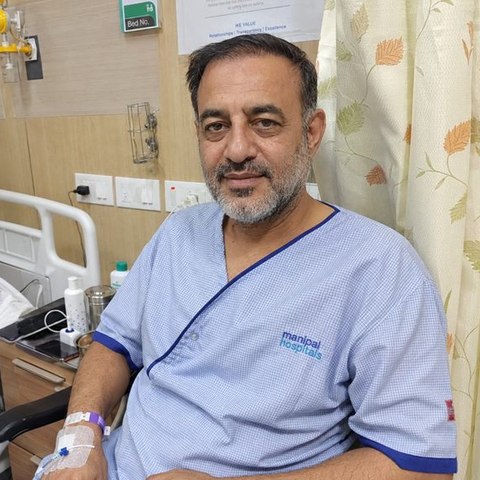
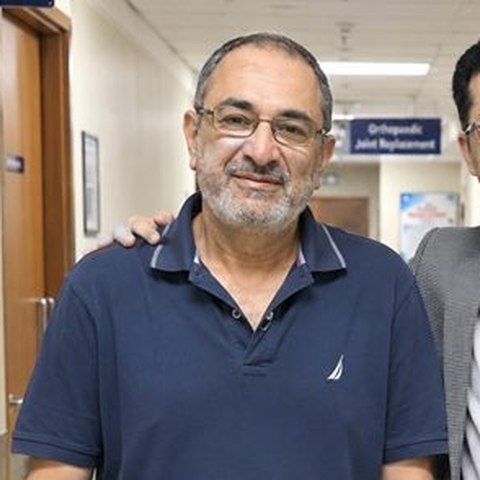
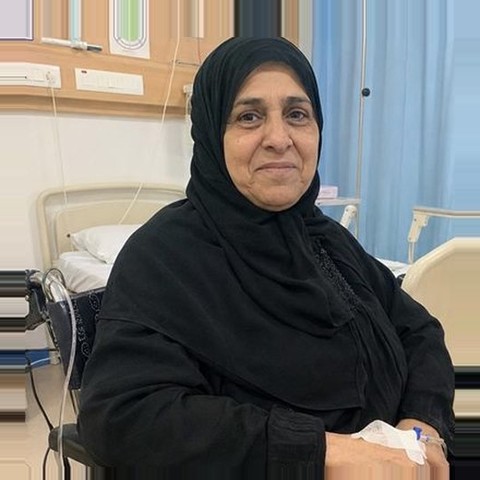
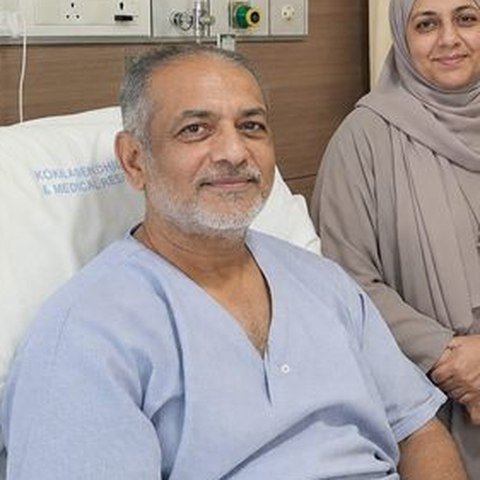
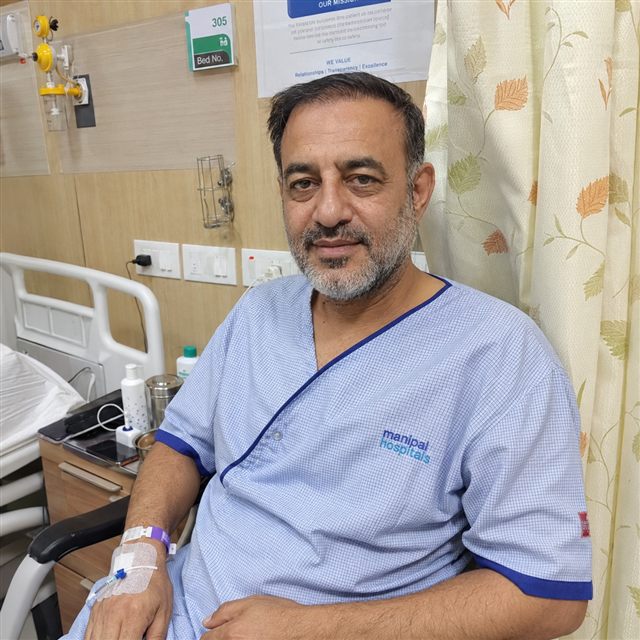
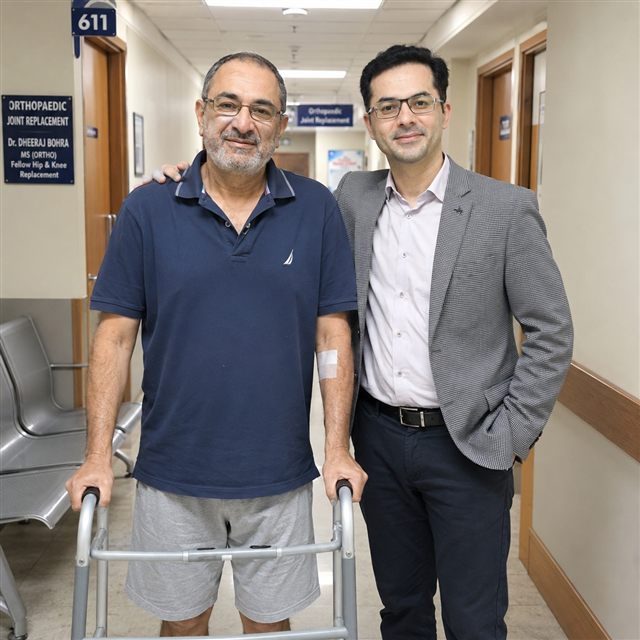
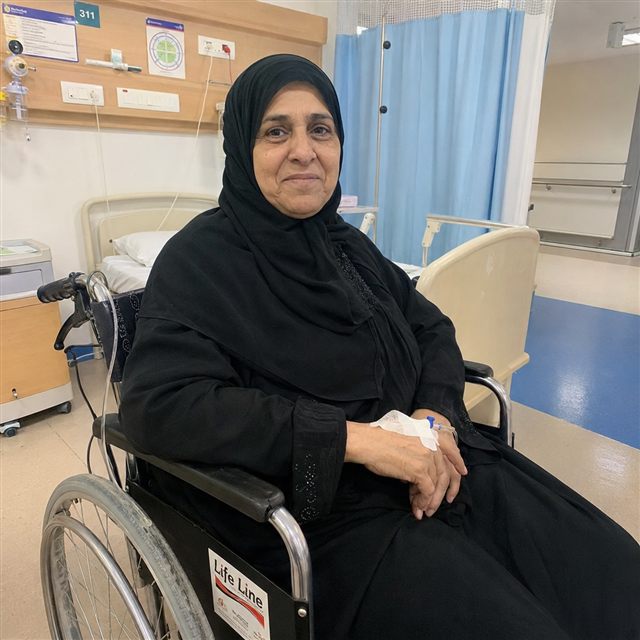
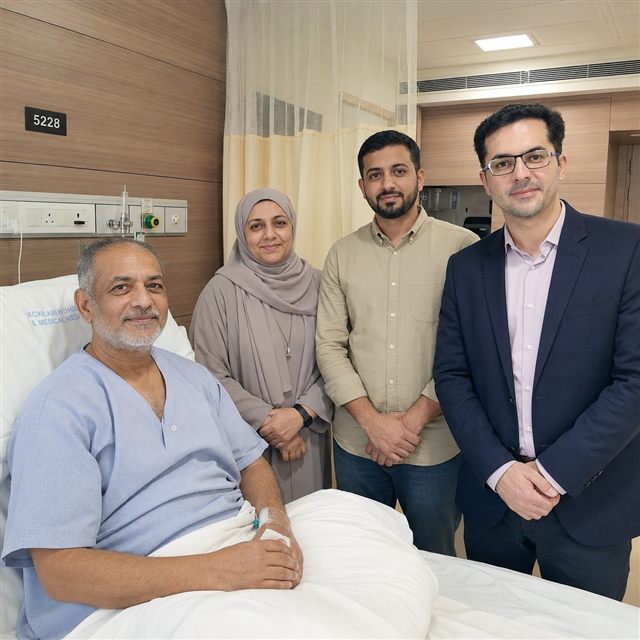
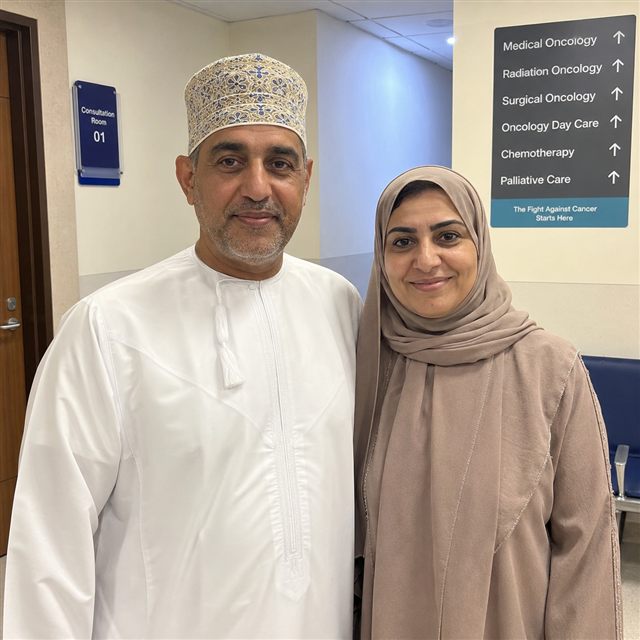
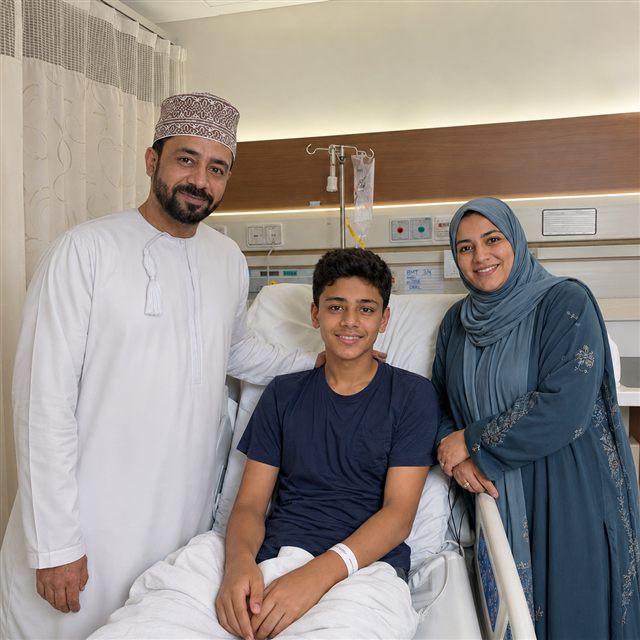
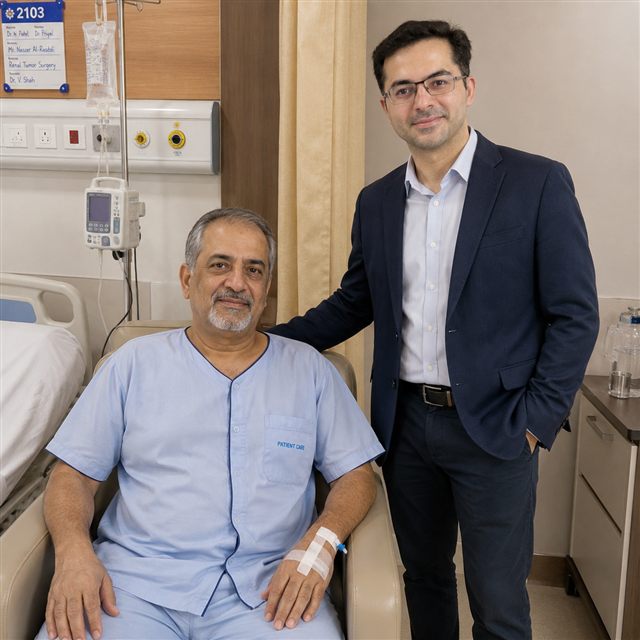
Healing Journeys of Omani Patients


Key Takeaways
- Liver transplantation involves two patients when a living donor is used: the recipient whose liver has failed and the healthy family member donating part of their liver. The guide stresses that both require dedicated surgical, anaesthesia and recovery planning.
- The liver's ability to regenerate makes living donor transplantation possible. A portion of the donor's liver is transplanted into the recipient, while the donor's remaining liver and transplanted portion can regenerate toward near-normal size within weeks.
- Donor evaluation is deliberately rigorous because a healthy person is undergoing major surgery. Blood tests, detailed imaging, assessment of remaining liver volume, psychological evaluation and hospital authorization review are important parts of the process.
- India has a large living donor liver transplant programme, with the guide describing thousands of procedures annually across more than 200 active transplant centres. It also highlights dedicated transplant ICUs, experienced hepatology teams and established international-patient pathways for Omani families.
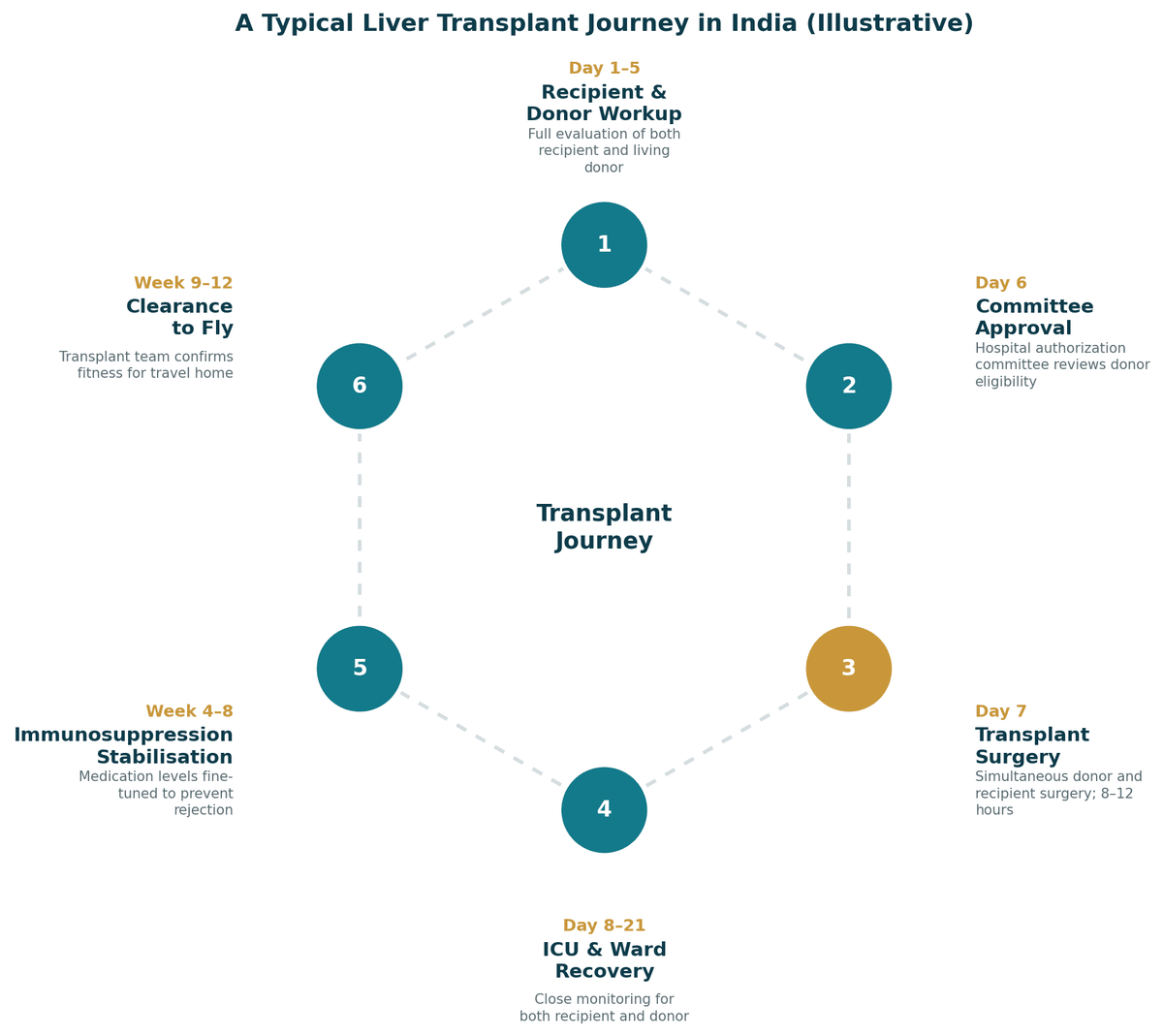
- The page 2 transplant journey diagram illustrates an approximately 9–12-week pathway: recipient and donor work-up during days 1–5, committee approval on day 6, simultaneous transplant surgery on day 7, ICU and ward recovery through days 8–21, immunosuppression stabilisation during weeks 4–8 and clearance to fly around weeks 9–12.
- The page 3 cost chart and comparison table gives a representative full living-donor liver transplant package of US$25,000–50,000 in India, compared with US$100,000–180,000 through Oman/regional pathways, US$150,000–250,000 in private UK care and US$300,000–500,000+ in the United States.
- The guide warns that the base surgical quotation may not include the donor's complete pre-operative evaluation. Blood tests, imaging and psychological assessment for the donor should therefore be checked separately when reviewing an Indian hospital quotation.
- The page 4 package graphic illustrates an India package with surgeon and OT fees for recipient and donor at 38%, ICU and ward stay for both patients at 30%, donor work-up and committee approval at 15%, immunosuppressants at 10% and follow-up at 7%.
- The first three months of immunosuppressant medication and accommodation for an accompanying family member can add significantly to the overall expense. The guide therefore recommends budgeting beyond the basic transplant quotation.
- The guide specifically advises Omani families to determine whether a living donor is available or whether a deceased-donor pathway applies. This distinction can substantially change the treatment process and expected timeline.
- Omani families should also ask about the specific transplant centre's annual living-donor liver transplant volume and published survival outcomes. The guide considers centre- and surgeon-specific experience more useful than relying only on the hospital's general reputation.
- Long-term care does not end after returning to Oman. Lifelong immunosuppression monitoring, medication-level checks and liver-function monitoring need to continue, with coordination between the Omani hepatology team and the Indian transplant centre.
Quick Facts
- Treatment
- Living donor liver transplantation
- Primary Patients
- Omani patients with advanced liver disease requiring transplantation
- Donor
- Typically a healthy close family member for living donor transplantation
- Two-Patient Process
- Recipient and donor both require dedicated medical and surgical care
- Main Surgical Feature
- Part of the donor's liver is transplanted into the recipient
- Liver Regeneration
- Donor and transplanted liver portions can regenerate toward near-normal size
- Donor Evaluation
- Blood tests, imaging, liver anatomy, remaining liver volume and psychological assessment
- Legal Review
- Hospital authorization committee review is required under the stated Indian framework
- Key Specialist
- Liver Transplant Surgeon and Hepatology Team
- Main India Cities
- Major Indian transplant centres across leading metropolitan locations
- India Cost
- US$25,000–50,000
- Oman / Regional Cost
- US$100,000–180,000
- UK Private Cost
- US$150,000–250,000
- US Cost
- US$300,000–500,000+
- Typical India Stay
- Approximately 8–12 weeks
- Illustrated Journey
- Approximately 9–12 weeks
- Transplant Surgery
- Approximately 8–12 hours
- Recovery
- ICU and ward monitoring for both donor and recipient
- Immunosuppression
- Requires lifelong monitoring after transplantation
- Package Breakdown
- Surgeon and OT fees for recipient and donor 38%, ICU and ward stay for both 30%, donor work-up and committee approval 15%, immunosuppressants 10%, follow-up 7%
- Donor Work-Up
- Confirm whether blood tests, imaging and psychological evaluation are included
- Cost Planning
- Budget separately for medication and accompanying-family accommodation
- Centre Check
- Ask about annual living donor liver transplant volume and survival outcomes
- Insurance
- Check Omani insurance or employer reimbursement
- Ministry of Health
- Clarify the applicable overseas-treatment position
- Follow-Up
- Coordinate liver-function and medication monitoring in Oman
- Author
- Dr. Dheeraj Bojwani
- Experience
- 24+ Years
In Brief
Liver transplant surgery in India can be considered by Omani patients with advanced liver disease when transplantation is medically indicated and an appropriate donor pathway is available. The guide focuses particularly on living donor liver transplantation, where both recipient and donor undergo major surgery and extensive pre-operative assessment. A representative full package costs US$25,000–50,000 in India compared with US$100,000–180,000 through Oman/regional pathways. The illustrated treatment journey extends approximately 9–12 weeks, including donor and recipient evaluation, committee approval, simultaneous surgery, ICU and ward recovery and immunosuppression stabilisation. Omani families should also plan for donor evaluation costs, medication, accommodation and lifelong follow-up after returning home.
Understanding Living Donor Liver Transplantation
The liver has a genuinely remarkable property among human organs: it regenerates. This is what makes living donor transplantation possible — a healthy donor, typically a close family member, gives a portion of their liver, and both the donor's remaining liver and the transplanted portion in the recipient regrow to near-normal size within weeks. Two surgeries happen simultaneously, in adjacent operating theatres, each involving its own dedicated surgical team, anaesthesia, and ICU recovery plan.
The donor evaluation process is genuinely rigorous, and appropriately so, since a healthy person is undergoing major surgery for someone else's benefit. This includes blood testing, detailed imaging to confirm the donor's liver anatomy and remaining liver volume will be adequate after donation, psychological evaluation to confirm the decision is genuinely voluntary and well-understood, and review by a hospital authorization committee, as required under Indian law governing organ donation. This process protects the donor as much as it enables the recipient's care, and families should understand from the outset that both people are, in every real sense, patients.
What Makes India a Strong Option for Liver Transplantation
India has built one of the world's largest living donor liver transplant programmes, performing thousands of procedures annually across more than two hundred active transplant centres, with leading surgeons carrying decades of specific experience in this technique. This volume and experience matter enormously, since living donor liver transplant survival outcomes at India's top centres are reported to match the best published results from European and American programmes.
India also gives families access to a well-established legal and ethical framework for living donor transplantation, dedicated transplant ICUs equipped to manage both recipient and donor recovery simultaneously, and hepatology teams experienced in managing the lifelong immunosuppression that follows. And because Indian hospitals have spent two decades building international transplant pathways for Gulf and African families, Omani patients arrive to Arabic-speaking coordinators and a well-tested process for visa and documentation requirements specific to organ transplantation.
Given how limited liver transplant access remains across much of the Middle East, and the genuinely prohibitive cost and long waiting times in Western countries, India's combination of high volume, strong outcomes, and living donor expertise makes it a serious option worth understanding fully for Omani families facing this decision.
Cost Comparison: India vs. Oman/Regional vs. Western Countries
The figures below represent a full living donor liver transplant package, in approximate US dollars, at an accredited private hospital, covering both recipient and donor surgery.
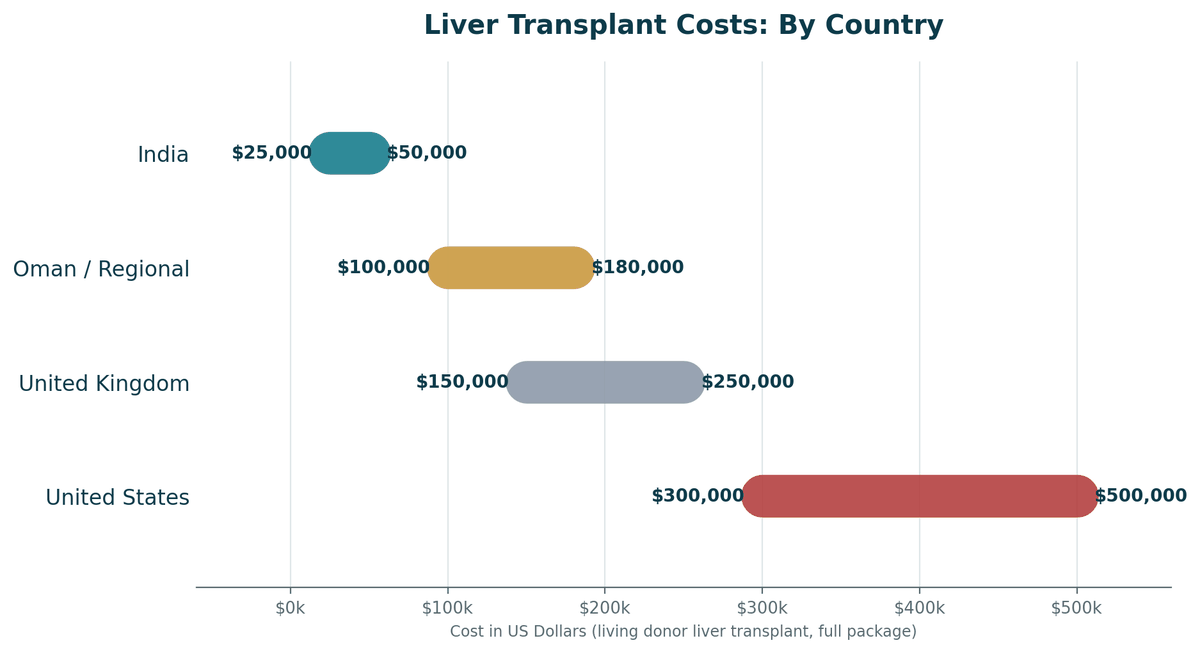
| Destination | Typical Cost (Living Donor Transplant) | What This Usually Includes |
|---|---|---|
| India | US $25,000 – $50,000 | Recipient and donor surgery, ICU and ward stay for both, and standard follow-up |
| Oman / Regional | US $100,000 – $180,000 | Where accessible via other regional referral pathways; highly limited availability |
| United Kingdom (private) | US $150,000 – $250,000 | Surgery and hospital stay; NHS waiting times for deceased donor transplants often exceed a year |
| United States | US $300,000 – $500,000+ | Highly variable by state and hospital; comprehensive costs including complications can exceed this range |
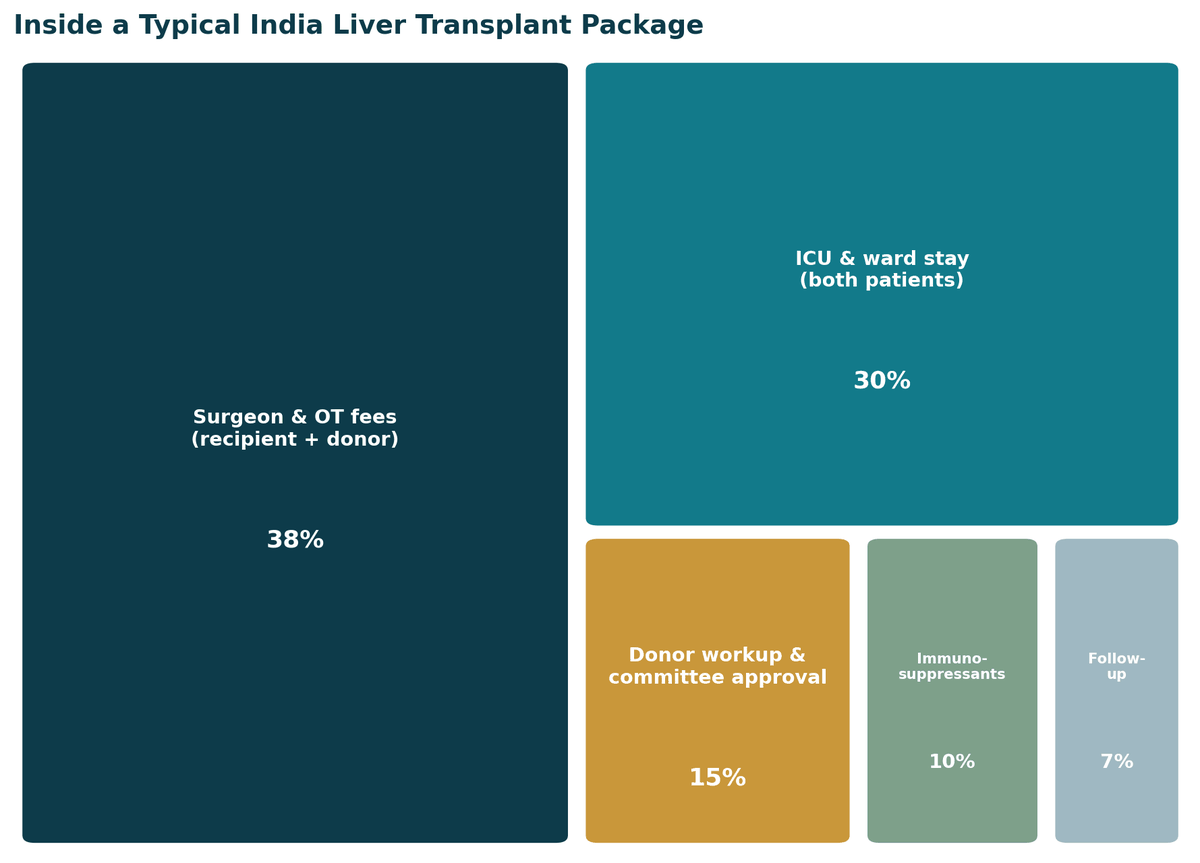
A few honest caveats specific to liver transplant. First, standard quotes often cover the surgery and initial hospital stay but may not include the donor's complete pre-operative workup, so ask specifically whether donor blood tests, imaging, and psychological evaluation are itemised separately or included. Second, the first three months of immunosuppressant medication, along with accommodation for an accompanying family member, add meaningfully to the total cost, so budget accordingly beyond the base surgical figure. Third, plan for a genuinely extended stay, typically eight to twelve weeks in India, since close monitoring during early recovery for both recipient and donor is essential, not optional.
What a Typical Omani Family Should Weigh Before Deciding Liver Transplant in India
Having guided families through this exact decision for 24 years, here is what I encourage every Omani family to work through before committing to a hospital:
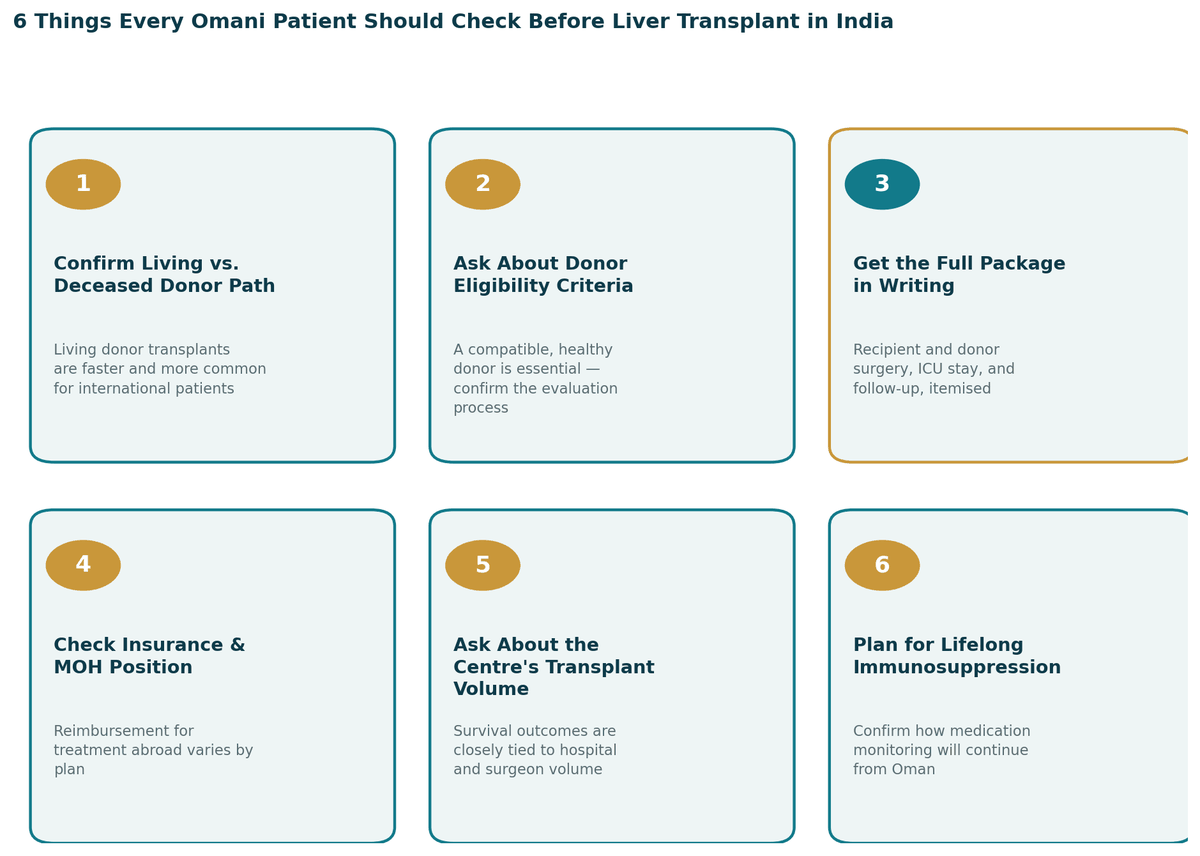
- Confirm whether a living donor is available, or whether a deceased donor path applies. Send the recipient's full medical history to an independent hepatology team in India before committing. This distinction shapes the entire timeline and process.
- Ask about the donor evaluation process in detail. Understand what testing, imaging, and committee review a potential donor will need to undergo, and how long this typically takes.
- Get the full package itemised in writing. Recipient surgery, donor surgery, both ICU stays, and follow-up should each be clear, along with what donor workup costs separately if not already included.
- Check your insurance and Ministry of Health position. Some Omani insurance plans and employer health schemes offer partial reimbursement for treatment abroad; others do not cover it at all, and this is genuinely significant expense. Clarify this before you travel, not after.
- Ask about the centre's specific transplant volume and survival outcomes. Ask how many living donor liver transplants the specific centre and surgical team perform each year, and what their published survival rates are.
- Plan for lifelong immunosuppression monitoring after you return. Confirm how medication levels and liver function will be monitored once you are back in Oman, and that your local hepatology team is willing to coordinate with the Indian transplant centre.
A Reflective Closing Word
Living donor liver transplantation is unusual among the procedures in this series, because it asks something of a healthy person purely out of love for another. That generosity deserves the same careful protection as the recipient's own care — a genuinely thorough donor evaluation, an honest conversation about the real risks involved, and a hospital that treats both people as patients whose wellbeing matters equally. A thorough, honest conversation with a transplant hepatology team about both the recipient's and the potential donor's specific situation is the right foundation for this decision.
Sources & Further Reading
- National Institute of Diabetes and Digestive and Kidney Diseases (NIDDK), National Institutes of Health — Liver Transplant (niddk.nih.gov)
- MedlinePlus, U.S. National Library of Medicine (NIH) — Liver Transplantation (medlineplus.gov)
- American Liver Foundation, non-profit organization — Liver Transplant (liverfoundation.org)
- American Society of Transplant Surgeons (ASTS), non-profit professional association — Patient Resources (asts.org)
- NHS (UK National Health Service) — Liver Transplant (nhs.uk)
Frequently Asked Questions by Omani Patients about Liver Transplant Surgery in India
Can Omani patients undergo liver transplant surgery in India?
Yes. The guide presents India as a major option for living donor liver transplantation and highlights its large transplant programme, experienced teams and established international-patient pathways.
Who can donate part of their liver to an Omani patient in India?
The guide states that a living donor is typically a healthy close family member. Donor eligibility must be confirmed through detailed medical, psychological and authorization processes before surgery.
How much does living donor liver transplant cost in India for Omani patients?
The guide gives a representative full package cost of US$25,000–50,000 in India, covering recipient and donor surgery, ICU/ward care and standard follow-up.
How does liver transplant cost in India compare with Oman or regional pathways?
The representative India range is US$25,000–50,000 compared with US$100,000–180,000 through Oman/regional pathways. The final cost depends on the patient's and donor's evaluation and recovery requirements.
How long does an Omani family need to stay in India for liver transplantation?
The guide recommends planning for approximately eight to twelve weeks. The illustrated pathway extends from donor-recipient work-up through surgery, recovery and immunosuppression stabilisation.
What tests does an Omani liver donor need before surgery in India?
The donor undergoes blood testing, detailed imaging of liver anatomy and volume, psychological evaluation and authorization review. These assessments protect the donor and confirm that donation is medically appropriate.
What should an Omani family ask about the donor's treatment package?
Confirm whether donor blood tests, imaging and psychological evaluation are included or billed separately. The guide specifically warns that standard quotations may focus mainly on surgery and hospitalisation.
What happens after an Omani liver transplant patient returns home?
Lifelong immunosuppression and liver-function monitoring are required. The guide recommends confirming before travel that the Omani hepatology team can coordinate medication levels and follow-up with the Indian transplant centre.
What should an Omani family ask about the Indian liver transplant centre?
Ask specifically about the number of living donor liver transplants performed each year and the centre's published survival outcomes. Procedure-specific experience is an important part of selecting a transplant programme.
What should an Omani family check before travelling to India for liver transplant surgery?
Confirm whether a living or deceased donor pathway applies, complete donor evaluation, obtain a fully itemised package, check insurance and Ministry of Health requirements, verify transplant-centre experience and plan for extended recovery and lifelong follow-up in Oman.
Page Summary
This six-page guide explains living donor liver transplantation in India for Omani patients, focusing on donor evaluation, legal approval, costs, recovery and lifelong follow-up. The page 2 transplant journey diagram illustrates a 9–12-week pathway from donor-recipient work-up through committee approval, simultaneous surgery, ICU recovery and immunosuppression stabilisation. The page 3 cost chart compares India at US$25,000–50,000 with Oman/regional pathways at US$100,000–180,000, while page 4 illustrates the main components of a typical India transplant package. Page 5 provides six practical checks covering donor availability, donor evaluation, package inclusions, insurance and Ministry of Health requirements, centre-specific transplant volume and lifelong immunosuppression monitoring.
Citation Block
| Field | Details |
|---|---|
| Article / Topic | Liver Transplant Surgery in India |
| Country / Patients | India / Omani Patients |
| Main Treatment | Living donor liver transplantation |
| Key Specialist | Liver Transplant Surgeon and Hepatology Team |
| Donor | Typically a healthy close family member |
| Two-Patient Care | Recipient and donor require separate surgical and recovery planning |
| Donor Evaluation | Blood tests, imaging, liver anatomy, volume and psychological assessment |
| Legal Review | Hospital authorization committee |
| Main India Advantage | Large living donor transplant programme |
| India Cost | US$25,000–50,000 |
| Oman / Regional Cost | US$100,000–180,000 |
| UK Private Cost | US$150,000–250,000 |
| US Cost | US$300,000–500,000+ |
| Typical Stay | Approximately 8–12 weeks |
| Illustrated Journey | Approximately 9–12 weeks |
| Surgery Duration | Approximately 8–12 hours |
| Package Components | Recipient and donor surgery, ICU/ward stay and standard follow-up |
| Package Breakdown | Surgeon/OT fees 38%, ICU/ward stay 30%, donor work-up/approval 15%, immunosuppressants 10%, follow-up 7% |
| Donor Cost Check | Confirm whether complete donor work-up is included |
| Medication Check | Budget for the first three months of immunosuppressants |
| Accommodation Check | Include accompanying-family accommodation in the overall budget |
| Centre Check | Ask for annual living-donor transplant volume and published survival outcomes |
| Insurance / MOH | Confirm overseas-treatment reimbursement before travel |
| Follow-Up | Establish lifelong liver-function and medication monitoring in Oman |
| Key Selection Criterion | Specific living-donor liver transplant experience and transparent outcomes |
| Important Warning | The donor is a healthy person undergoing major surgery and should receive the same level of independent evaluation and protection as the recipient |


Our Mission Statement
Our mission is to place patients at the centre of every healthcare decision by providing trustworthy, evidence-based, and unbiased medical information. We believe that informed patients make better decisions. Backed by personalised guidance from our experienced advisory team, we help patients understand their treatment options, compare them objectively, and confidently choose the path that best suits their medical needs and personal circumstances.
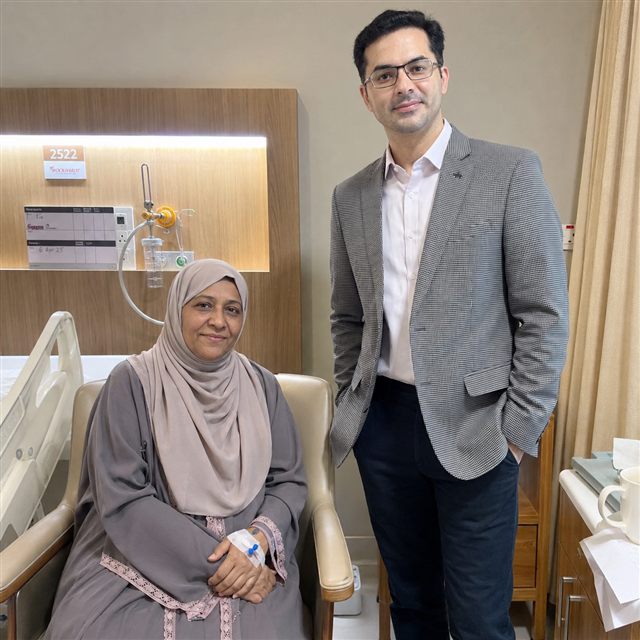
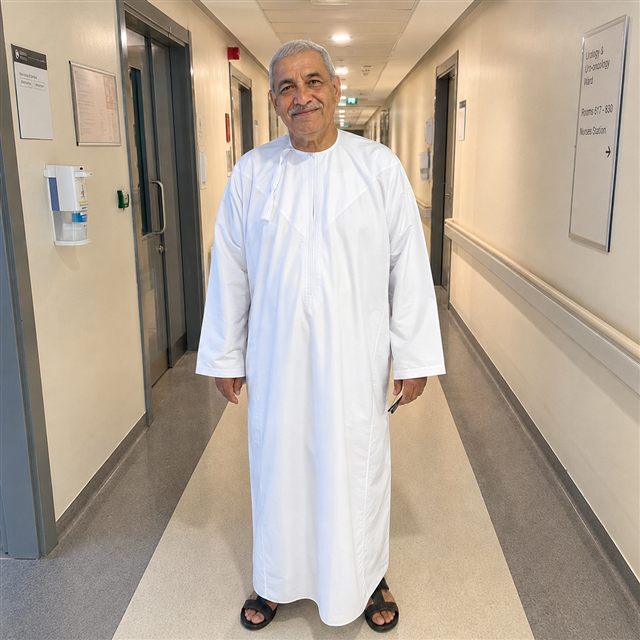
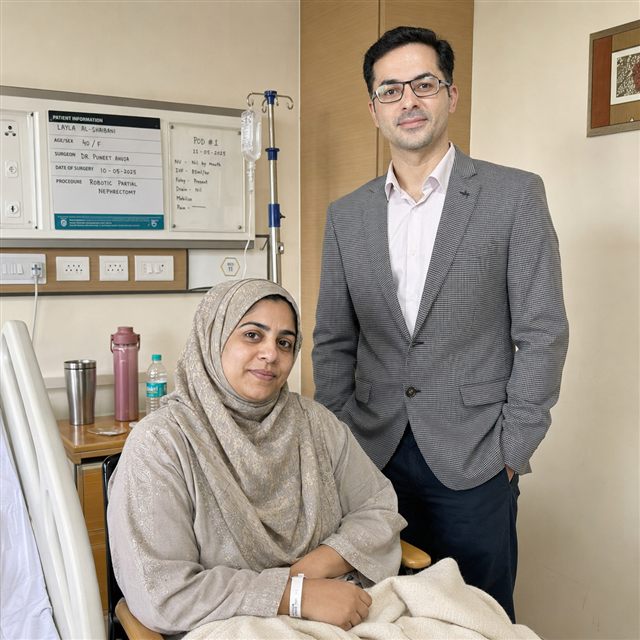
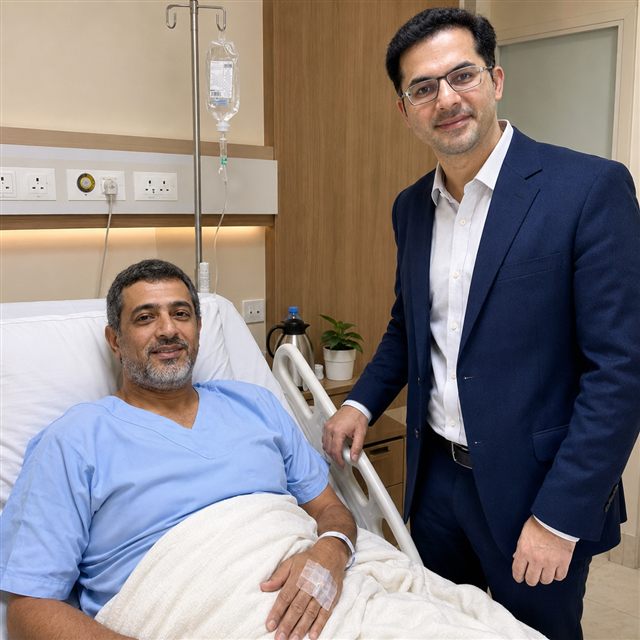
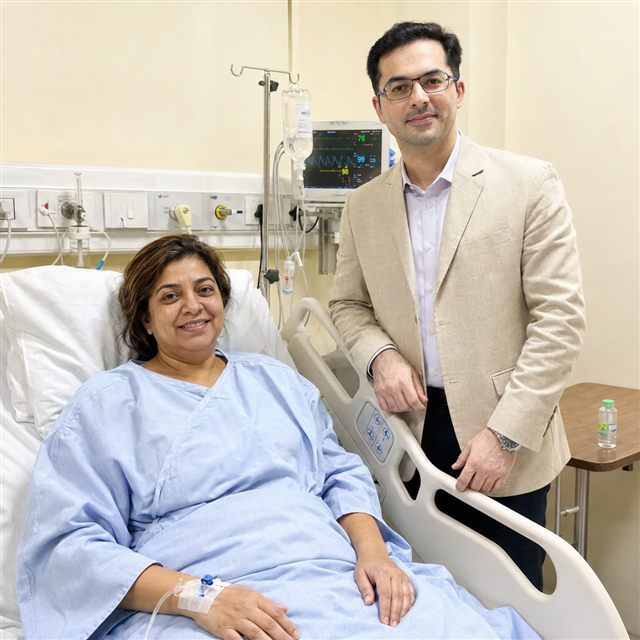
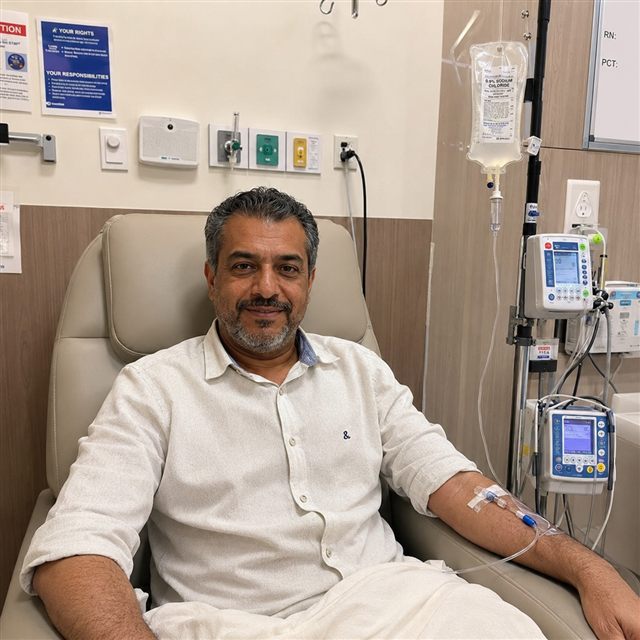
Patient Testimonials from Oman

Ready to Take the First Step?
Share your Medical Reports with our Healthcare Managers Today and Get a FREE CONSULTATION, a Personalized Treatment Plan, and Complete Support from Arrival to Recovery.
Get Your Free ConsultationAreas We Serve
Indian Health Guru Consultants proudly assists patients from Oman and surrounding Middle Eastern countries in accessing advanced, affordable and trusted medical treatment in India. Our team provides complete support for medical opinions, hospital selection, treatment planning, visa assistance, travel coordination, accommodation and post-treatment follow-up.
We regularly serve patients from:
- Oman
- Turkey
- Iran
- Kuwait
- Jordan
- Syria
- Qatar
- Bahrain
- Yemen
- Iraq
- Saudi Arabia
- United Arab Emirates
No matter where you are located, our experienced team is committed to making your medical journey to India safe, smooth, transparent and stress-free from the first enquiry to your return home.
From Oman to India: Your Complete Patient Guide
- Weight Loss and Bariatric Surgery in India for Omanis: Cost & Guide
- Brain Tumor Surgery in India for Omanis: Cost & Guide
- Cancer Treatment in India for Omanis: Cost & Guide
- Cardiac Surgery in India for Omanis: Cost & Guide
- Breast Cancer Treatment in India for Omanis: Cost & Guide
- Neurosurgery in India for Omanis: Cost & Guide
- Spine Surgery in India for Omanis: Cost & Guide
- Bone Marrow Transplant in India for Omanis: Cost & Guide
- Kidney Transplant in India for Omanis: Cost & Guide
- Best Dentists and Clinics for Dental Surgery in India for Omani Patients
- Best Doctors and Hospitals for Blood Cancer Treatment in India for Omani Patients
- Best Bone Marrow Transplant Doctors and Hospitals in India for Omani Patients
- Best IVF and Fertility Doctors and Hospitals in India for Omani Couples
- Best Bariatric Surgeons and Hospitals for Weight Loss Surgery in India for Omani Patients
- Best Brain Tumor Surgery Doctors and Hospitals in India for Omani Patients
- Best Cardiac Surgeons and Hospitals in India for Omani Patients
- Best Colorectal Cancer Surgeons and Hospitals in India for Omani Patients
- Best Surgeons and Hospitals for Complex Joint Revision Surgery in India for Omani Patients