

Leukemia, Lymphoma and Blood Cancer Treatments in India for Omanis: A Doctor’s Guide to Making the Right Decision
A practical guide for Omani patients covering leukemia, lymphoma and blood cancer treatment, transplant types, donor matching, costs, recovery and long-term care.
Blood cancers behave differently from solid tumours in almost every respect — there is no single mass to remove surgically, treatment often means rebuilding the body's entire blood-forming system, and the word “transplant” in this context has nothing to do with an organ. For Omani families encountering leukemia, lymphoma, or a related blood disorder for the first time, this unfamiliarity adds to an already difficult moment. Over 24 years of guiding Gulf families through blood cancer treatment, I want to explain clearly what these treatments actually involve. Oman's hospitals, including Apollo Hospital Muscat, Badr Al Samaa, Aster Al Raffah, and Burjeel Medical Centre, provide haematology consultation and are the right starting point for diagnosis, bone marrow biopsy, and staging. This guide is written to help Omani patients and families understand, honestly and without sales pressure, what bone marrow and stem cell transplantation actually involves, and what to check carefully before deciding where to pursue it.
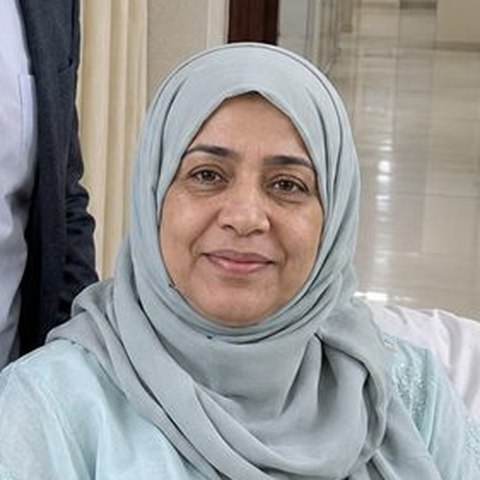
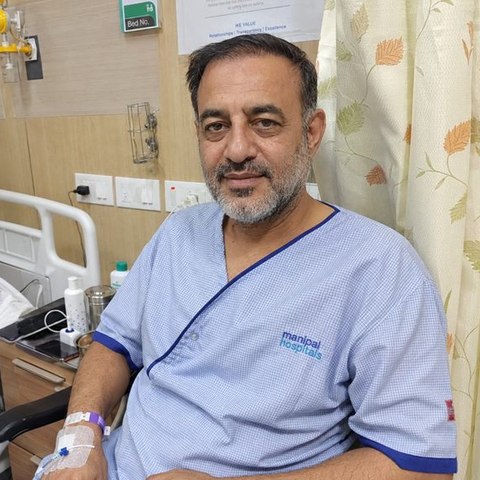
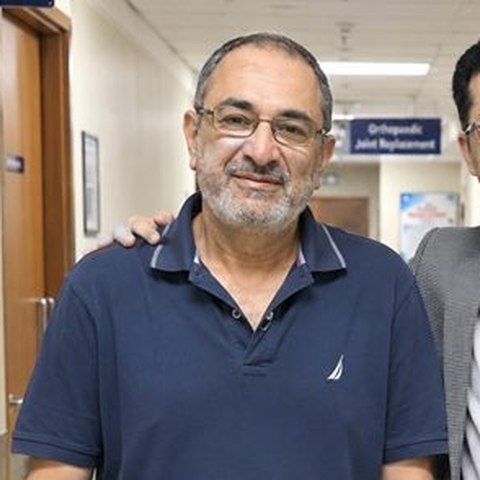
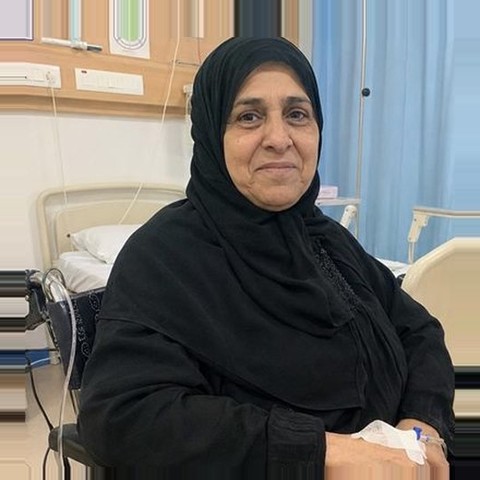
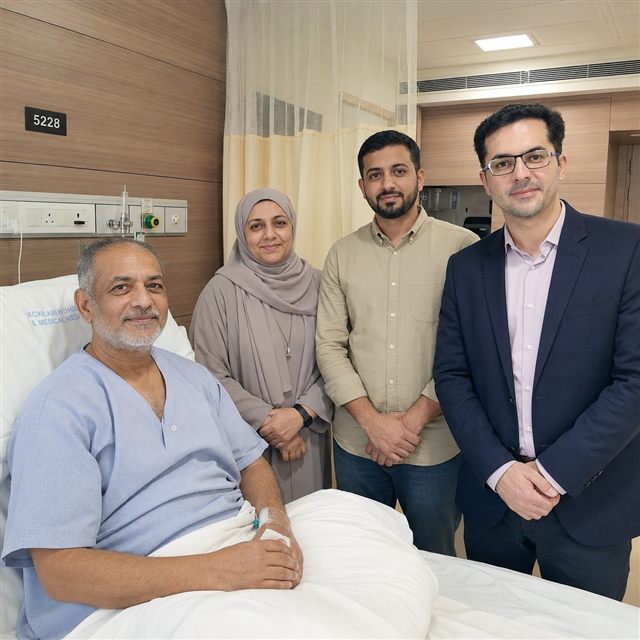
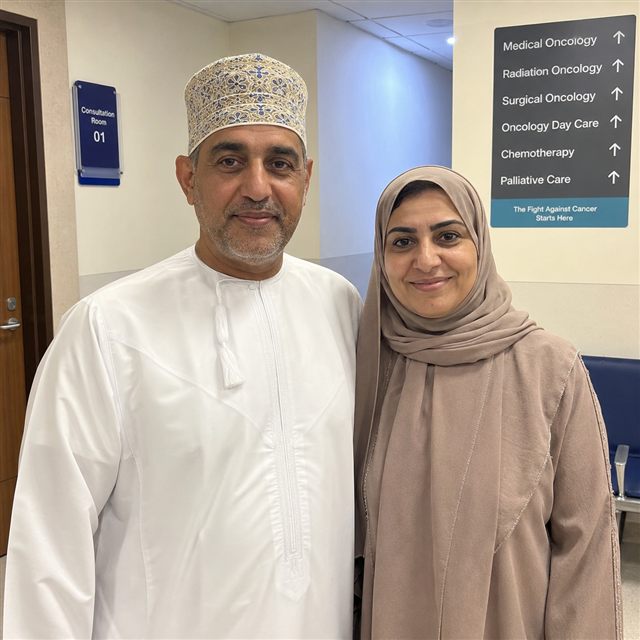
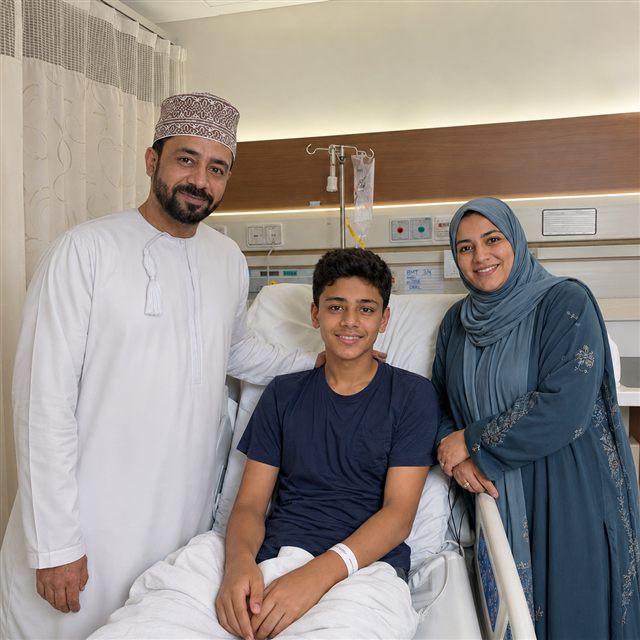
Healing Journeys of Omani Patients

Key Takeaways
- Blood cancers differ substantially from solid tumours because treatment is usually focused on controlling or replacing the blood-forming system rather than surgically removing a tumour. The guide explains that treatment may involve chemotherapy, targeted therapy or stem cell transplantation depending on the diagnosis and clinical situation.
- A bone marrow or stem cell transplant is not conventional surgery. Healthy blood-forming stem cells are infused through an intravenous line after conditioning with intensive chemotherapy, sometimes combined with radiation. The conditioning and recovery periods are often more demanding than the infusion itself.
- The guide describes three major transplant approaches: autologous transplantation using the patient's own stem cells, allogeneic transplantation using cells from a donor, and haploidentical transplantation using a half-matched donor. The appropriate option depends on the blood cancer, disease status and donor availability.
- Haploidentical transplant expertise can be particularly relevant for Omani patients when a fully matched unrelated donor is difficult to identify. India has developed significant experience with modern haploidentical protocols, providing an alternative donor pathway when a fully matched donor is unavailable.
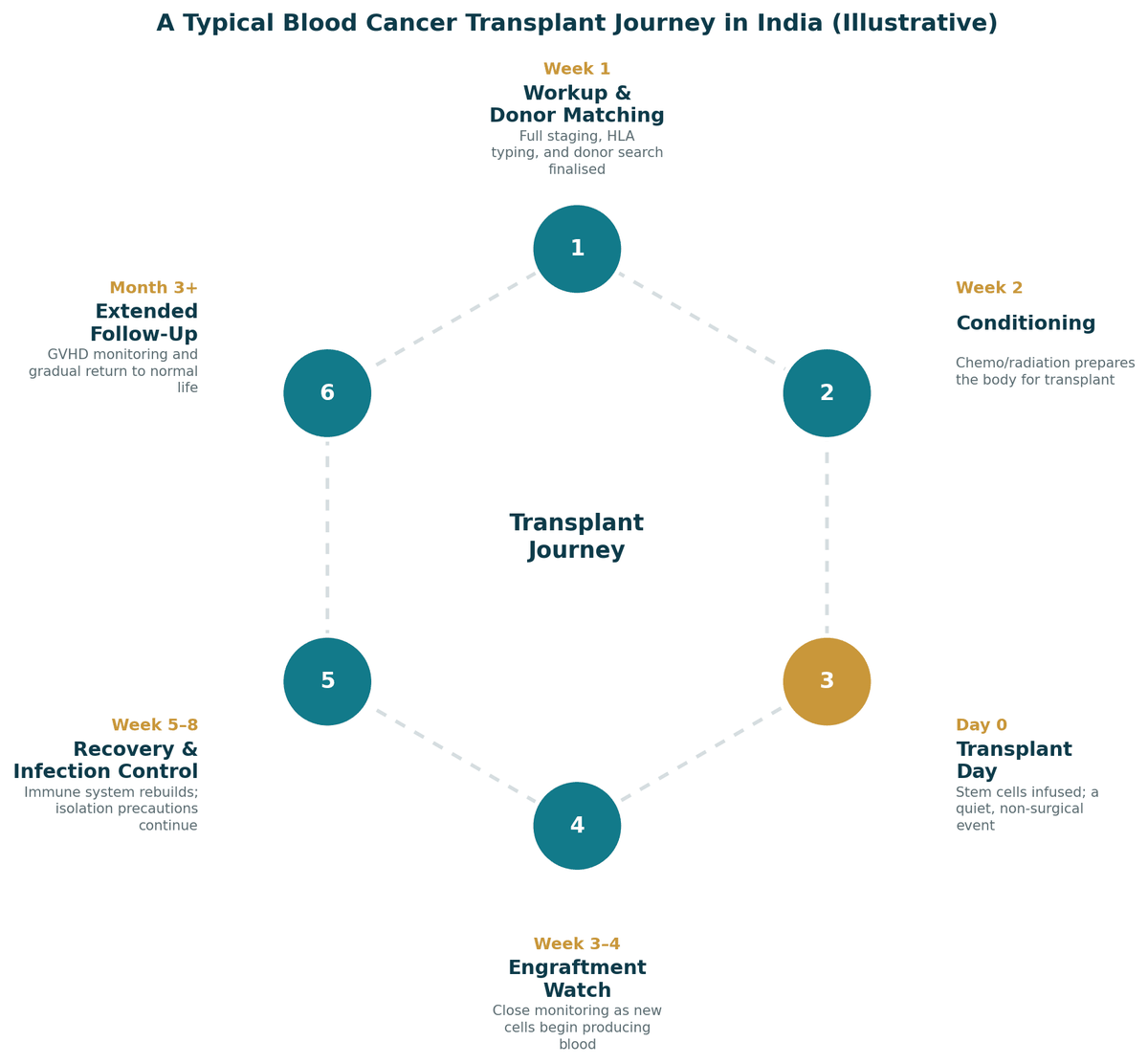
- The page 2 transplant journey diagram illustrates the treatment pathway from work-up and donor matching in week 1, through conditioning in week 2, transplant on day 0, engraftment monitoring during weeks 3–4, recovery and infection control during weeks 5–8, and extended follow-up from month 3 onward.
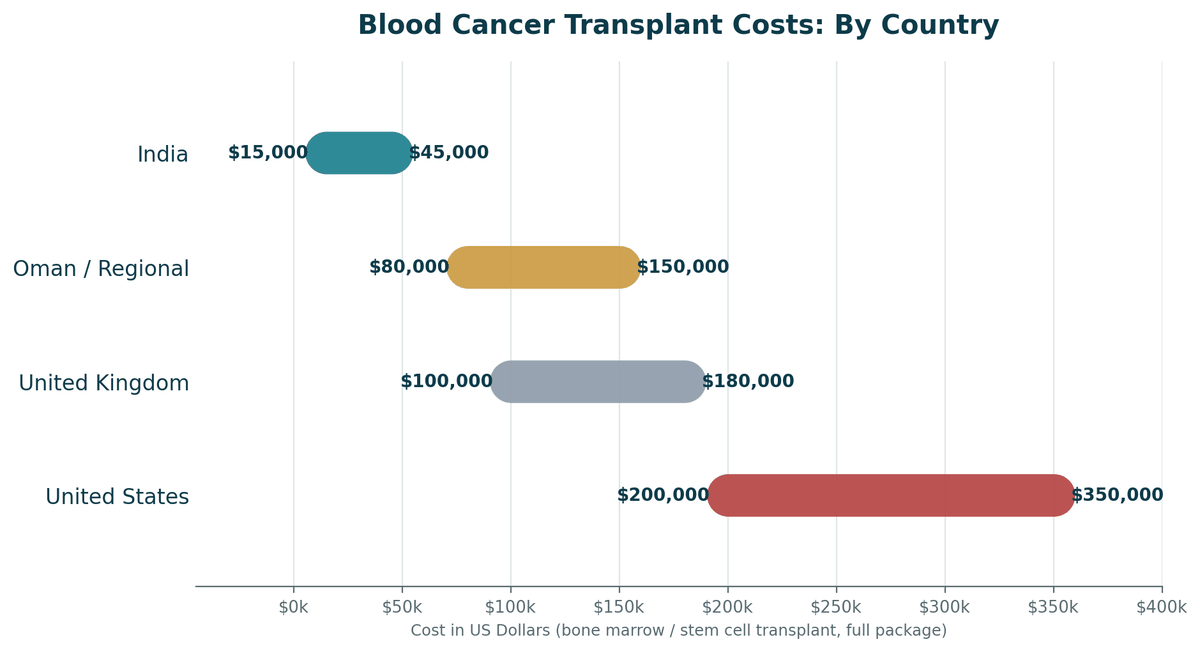
- The page 3 cost chart and comparison table gives a representative full transplant package of US$15,000–45,000 in India, compared with US$80,000–150,000 through Oman/regional pathways, US$100,000–180,000 in the private UK and US$200,000–350,000+ in the United States.
- The guide makes clear that transplant type is one of the largest cost drivers. Unrelated-donor and haploidentical transplants generally cost more than autologous or matched-sibling transplantation because of donor search, matching and additional treatment requirements.
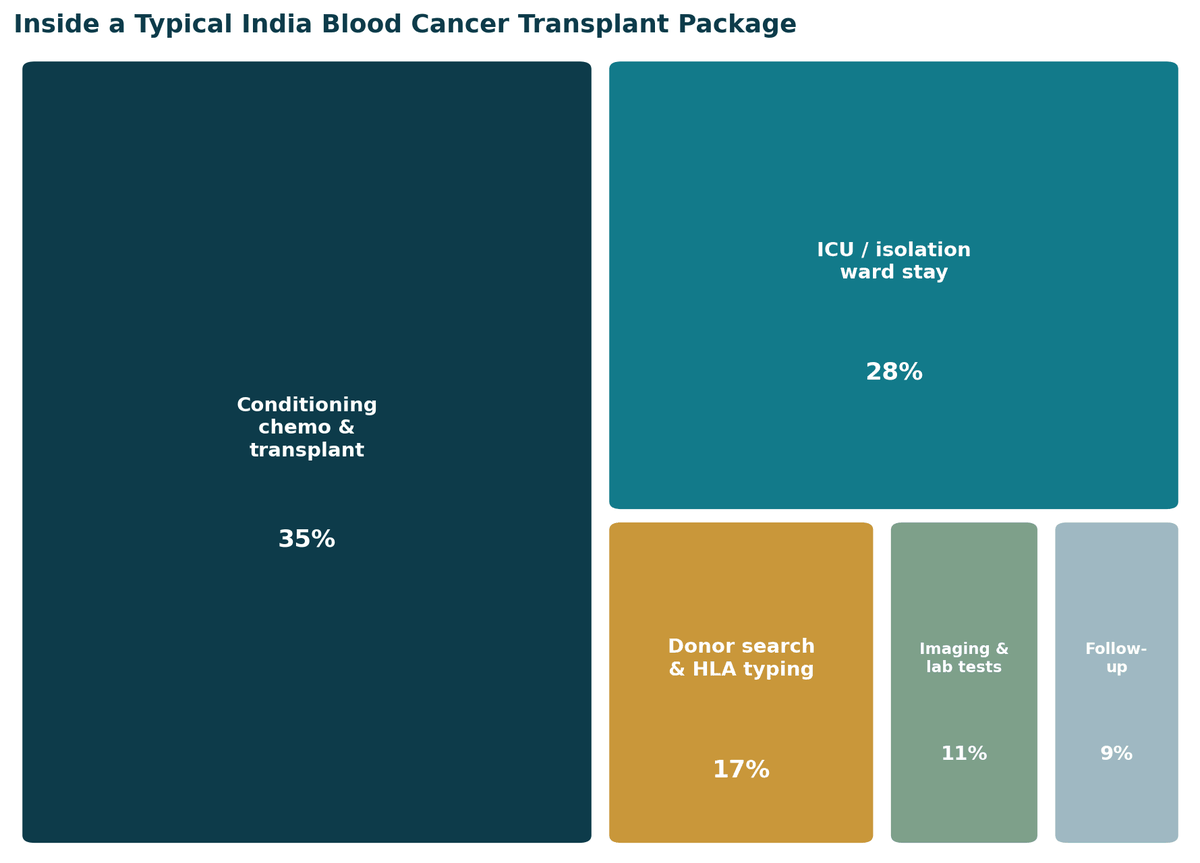
- The page 4 package graphic illustrates an India blood cancer transplant package with conditioning chemotherapy and transplant at 35%, ICU/isolation or ward stay at 28%, donor search and HLA typing at 17%, imaging and laboratory tests at 11%, and follow-up at 9%.
- The guide stresses that Omani families should prepare for a genuinely extended stay in India. Full recovery through engraftment and early monitoring may require approximately two to four months in or near the treating hospital.
- The guide recommends asking specifically about the conditioning regimen because its intensity influences treatment effects and the recovery experience. Families should understand what chemotherapy or radiation will be given before the transplant and why it has been selected.
- The source also highlights the importance of transplant-centre volume and outcomes. Omani families should ask how many transplants the specific centre performs annually and should pay particular attention to experience with the exact transplant type, especially haploidentical transplantation.
Quick Facts
- Treatment
- Leukemia, lymphoma and blood cancer treatment
- Primary Patients
- Omani patients requiring specialised haematology or transplant care
- Main Treatment Options
- Chemotherapy, targeted therapy and stem cell transplantation
- Transplant Types
- Autologous, allogeneic and haploidentical
- Autologous Transplant
- Uses the patient's own collected stem cells
- Allogeneic Transplant
- Uses stem cells from a matched donor
- Haploidentical Transplant
- Uses a half-matched donor, often a parent or child
- Key Specialist
- Haematologist / Bone Marrow Transplant Specialist
- Main India Cities
- Delhi, Mumbai, Chennai and Bengaluru
- India Transplant Cost
- US$15,000–45,000
- Oman / Regional Cost
- US$80,000–150,000
- UK Private Cost
- US$100,000–180,000
- US Cost
- US$200,000–350,000+
- Major Cost Driver
- Transplant type and donor requirements
- Conditioning
- Intensive chemotherapy, sometimes combined with radiation
- Transplant Day
- Stem cells are infused intravenously
- Engraftment Monitoring
- Approximately weeks 3–4 in the illustrated pathway
- Early Recovery
- Approximately weeks 5–8
- Extended Follow-Up
- From month 3 onward
- Typical Extended Stay
- Approximately 2–4 months
- Package Breakdown
- Conditioning chemotherapy and transplant 35%, ICU/isolation or ward stay 28%, donor search and HLA typing 17%, imaging and laboratory tests 11%, follow-up 9%
- Key Donor Check
- Determine whether a matched sibling, unrelated or haploidentical donor is available
- HLA Testing
- Important for donor matching
- GVHD Risk
- Relevant to allogeneic and haploidentical transplantation
- Infection Control
- Dedicated transplant units and isolation protocols are important after conditioning
- Insurance
- Check Omani insurance or employer reimbursement
- Ministry of Health
- Clarify the applicable overseas-treatment position
- Follow-Up
- Arrange continued haematology monitoring in Oman
- Author
- Dr. Dheeraj Bojwani
- Experience
- 24+ Years
In Brief
Leukemia, lymphoma and blood cancer treatment in India can involve chemotherapy, targeted therapy or bone marrow and stem cell transplantation depending on the patient's diagnosis and treatment indication. The guide explains autologous, allogeneic and haploidentical transplantation and highlights India's experience with haploidentical procedures when a fully matched donor is unavailable. A representative full transplant package costs US$15,000–45,000 in India compared with US$80,000–150,000 through Oman/regional pathways. Omani families should plan for approximately two to four months of monitoring and recovery when transplantation is required and should arrange long-term haematology follow-up after returning home.
Understanding What a “Transplant” Actually Means Here
A bone marrow or stem cell transplant does not involve surgery in the way most people imagine. It is, at its core, an infusion — healthy blood-forming stem cells are given through an intravenous line, much like a blood transfusion, after the patient's own diseased or damaged bone marrow has been cleared through a course of intensive chemotherapy, sometimes combined with radiation, called conditioning. The transplant itself is often the quietest part of the entire process; the real intensity lies in the conditioning that precedes it and the recovery that follows.
There are three main types, and the difference matters enormously. Autologous transplants use the patient's own stem cells, collected and stored before conditioning, and are common in certain lymphomas and multiple myeloma. Allogeneic transplants use cells from a matched donor, typically a sibling or a match found through a donor registry, and are more commonly used for leukemias, since donor cells can help fight residual disease. Haploidentical transplants use a half-matched donor, often a parent or child, when no fully matched donor is available. Each carries different risks, including graft-versus-host disease for allogeneic and haploidentical transplants, where donor immune cells attack the recipient's body — a risk that does not exist with autologous transplants.
What Makes India a Strong Option for Blood Cancer Treatment
India's leading bone marrow transplant centres, concentrated in Delhi, Mumbai, Chennai, and Bengaluru, perform thousands of transplants annually, with some of the largest programmes in Asia, and have developed particular expertise in haploidentical transplantation using modern protocols that have meaningfully improved outcomes for patients without a fully matched donor. This matters significantly for Omani patients, since finding a fully matched unrelated donor can be genuinely difficult depending on ethnic background, making haploidentical expertise a real practical advantage.
India also gives patients access to a full range of transplant types, dedicated transplant units with strict infection-control protocols essential for the vulnerable post-conditioning period, and haematologists who manage large volumes of leukemia and lymphoma cases across all age groups. And because Indian hospitals have spent two decades building international haematology pathways for Gulf and African patients, Omani families arrive to Arabic-speaking coordinators and a well-tested process for reviewing bone marrow biopsy and staging results before travel is even booked.
This does not mean every blood cancer diagnosis requires a transplant, or travel for one. Many leukemias and lymphomas are treated successfully with chemotherapy or targeted therapy alone. It is specifically for cases where transplant is genuinely indicated, and particularly where a fully matched donor is not readily available, that India's depth of experience makes the most difference.
Cost Comparison: India vs. Oman/Regional vs. Western Countries
The figures below represent a full bone marrow or stem cell transplant package, in approximate US dollars, at an accredited private hospital. Costs vary considerably by transplant type — unrelated donor and haploidentical transplants generally cost more than autologous or matched sibling transplants, in every country.
| Destination | Typical Cost (Full Transplant Package) | What This Usually Includes |
|---|---|---|
| India | US $15,000 – $45,000 | Conditioning, transplant, ICU/isolation stay, and standard follow-up (unrelated donor transplants cost more) |
| Oman / Regional | US $80,000 – $150,000 | Where accessible via other regional referral pathways; highly specialised and resource-intensive |
| United Kingdom (private) | US $100,000 – $180,000 | Conditioning, transplant, and hospital stay; extended follow-up often billed separately |
| United States | US $200,000 – $350,000+ | Highly variable by state and hospital; comprehensive costs including readmissions can exceed this range |
A few honest caveats specific to blood cancer transplant. First, transplant type is the single biggest driver of cost in every country — an unrelated donor transplant typically costs considerably more than a matched sibling or autologous transplant, due to donor search and matching fees, so get a type-specific quote once your donor situation is clear. Second, plan for a genuinely extended stay in India, often two to four months total, since close monitoring during the vulnerable engraftment and early recovery period is not optional. Third, graft-versus-host disease, where relevant, can require ongoing treatment well beyond the initial transplant, so ask how this would be managed and monitored once you return to Oman.
What a Typical Omani Patient Should Weigh Before Deciding Blood Cancer Treatment in India
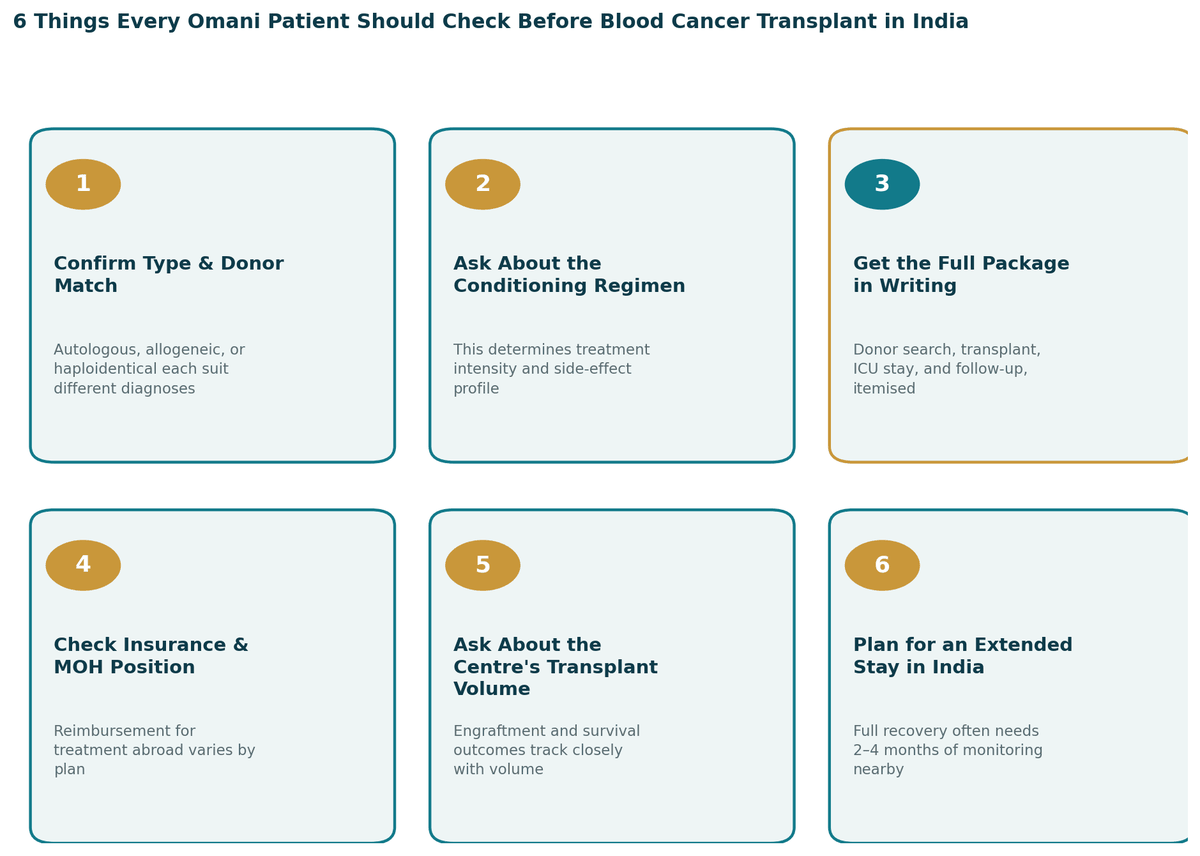
Having guided patients through this exact decision for 24 years, here is what I encourage every Omani family to work through before committing to a hospital:
- Confirm the transplant type and donor situation. Send your diagnosis and any available donor testing to an independent haematology team in India before committing. Understand clearly whether autologous, allogeneic, or haploidentical transplant applies to your case.
- Ask specifically about the conditioning regimen. This determines the intensity of chemotherapy or radiation you will receive before transplant, and shapes the entire recovery experience.
- Get the full package itemised in writing. Donor search, conditioning, transplant, ICU/isolation stay, and follow-up should each be clear before you travel.
- Check your insurance and Ministry of Health position. Some Omani insurance plans and employer health schemes offer partial reimbursement for treatment abroad; others do not cover it at all, and this is genuinely significant expense. Clarify this before you travel, not after.
- Ask about the centre's specific transplant volume and outcomes. Engraftment success and survival outcomes are closely tied to how many transplants a specific centre performs annually, particularly for haploidentical transplants.
- Plan realistically for an extended stay. Full recovery through the engraftment and early monitoring period typically requires two to four months in or near the treating hospital. Plan accommodation, work leave, and family support accordingly.
A Steady Closing Word
Blood cancer treatment asks families to sit with uncertainty longer than almost any other diagnosis in this series — weeks of conditioning, the quiet moment of transplant itself, and months of careful watching as a new immune system slowly finds its footing. There is no way to make that timeline shorter, but there is real value in understanding it clearly from the outset, so that patience becomes a plan rather than simply an ordeal to endure. An honest conversation with a haematology team about your specific transplant type, donor situation, and realistic timeline is the most useful thing to have before any decision is made.
Sources & Further Reading
- National Cancer Institute (NCI), National Institutes of Health — Bone Marrow Transplant and Stem Cell Transplant (cancer.gov)
- MedlinePlus, U.S. National Library of Medicine (NIH) — Bone Marrow Transplantation (medlineplus.gov)
- Leukemia & Lymphoma Society (LLS), non-profit organization — Blood and Marrow Stem Cell Transplantation (lls.org)
- American Society for Transplantation and Cellular Therapy (ASTCT), non-profit professional association — Patient Resources (astctpatienteducation.org)
- NHS (UK National Health Service) — Bone Marrow and Stem Cell Transplants (nhs.uk)
Frequently Asked Questions by Omani Patients about Leukemia, Lymphoma and Blood Cancer Treatment in India
Can Omani patients receive leukemia and lymphoma treatment in India?
Yes. The guide presents India as an option for specialised blood cancer treatment, including chemotherapy, targeted therapy and stem cell transplantation when clinically indicated.
Do all Omani leukemia or lymphoma patients need a bone marrow transplant?
No. The guide specifically states that many leukemia and lymphoma cases can be treated successfully with chemotherapy or targeted therapy alone. Transplantation should be considered only when genuinely indicated.
What types of stem cell transplant are available for Omani patients in India?
The guide discusses autologous, allogeneic and haploidentical transplantation. The appropriate type depends on the blood cancer, treatment plan and availability of a suitable donor.
How much does a blood cancer transplant cost in India for Omani patients?
The guide gives a representative full transplant package of US$15,000–45,000. Unrelated-donor and haploidentical transplants generally cost more than autologous or matched-sibling transplants.
How does blood cancer transplant cost in India compare with Oman or regional treatment?
The representative India range is US$15,000–45,000 compared with approximately US$80,000–150,000 through Oman/regional pathways. The actual cost depends heavily on transplant type and donor requirements.
Why can haploidentical transplantation be important for Omani patients?
A fully matched unrelated donor may be difficult to identify depending on the patient's ethnic background. A haploidentical transplant uses a half-matched donor, often a parent or child, providing another potential donor pathway.
How long must an Omani patient stay in India for a blood cancer transplant?
The guide recommends planning realistically for approximately two to four months in or near the treating hospital because engraftment and early recovery require close monitoring.
What is conditioning before a stem cell transplant for an Omani patient?
Conditioning uses intensive chemotherapy, sometimes combined with radiation, to prepare the body for transplantation. The guide recommends asking the treating team about the exact regimen and its expected impact on recovery.
What is graft-versus-host disease and why should Omani families understand it?
GVHD can occur after allogeneic or haploidentical transplantation when donor immune cells attack the recipient's tissues. The guide recommends discussing how this risk would be monitored and treated after the patient returns to Oman.
What should an Omani family check before choosing blood cancer treatment in India?
Confirm the diagnosis and transplant indication, determine the donor situation, understand the conditioning regimen, obtain a complete itemised package, check insurance and Ministry of Health requirements, verify the centre's transplant volume and outcomes, and plan for the extended two-to-four-month stay and follow-up in Oman.
Page Summary
This six-page guide explains leukemia, lymphoma and blood cancer treatment in India for Omani patients, with particular focus on stem cell transplantation, donor matching, costs and prolonged recovery. The page 2 transplant journey diagram illustrates the pathway from donor matching and conditioning through transplant, engraftment monitoring and extended follow-up. The page 3 cost chart compares India at US$15,000–45,000 with Oman/regional pathways at US$80,000–150,000, while page 4 shows the major components of an illustrative Indian transplant package. Page 5 provides six practical checks covering transplant type and donor situation, conditioning, itemised costing, insurance and Ministry of Health requirements, centre volume and the two-to-four-month recovery period.
Citation Block
| Field | Details |
|---|---|
| Article / Topic | Leukemia, Lymphoma and Blood Cancer Treatment in India |
| Country / Patients | India / Omani Patients |
| Main Treatment Options | Chemotherapy, targeted therapy and stem cell transplantation |
| Key Specialist | Haematologist / Bone Marrow Transplant Specialist |
| Transplant Types | Autologous, allogeneic and haploidentical |
| Autologous | Patient's own stem cells |
| Allogeneic | Matched donor stem cells |
| Haploidentical | Half-matched donor stem cells |
| Main India Cities | Delhi, Mumbai, Chennai and Bengaluru |
| India Cost | US$15,000–45,000 |
| Oman / Regional Cost | US$80,000–150,000 |
| UK Private Cost | US$100,000–180,000 |
| US Cost | US$200,000–350,000+ |
| Major Cost Driver | Transplant type and donor situation |
| Conditioning | Intensive chemotherapy, sometimes with radiation |
| Transplant Method | Intravenous stem cell infusion |
| Engraftment Watch | Weeks 3–4 |
| Recovery / Infection Control | Weeks 5–8 |
| Extended Follow-Up | Month 3 onward |
| Typical Stay | Approximately 2–4 months |
| Package Breakdown | Conditioning and transplant 35%, ICU/isolation or ward stay 28%, donor search and HLA typing 17%, imaging and laboratory tests 11%, follow-up 9% |
| Donor Check | Confirm donor type and availability before travel |
| HLA Check | Complete donor matching and HLA testing |
| Conditioning Check | Understand regimen intensity and expected effects |
| Centre Check | Ask about annual transplant volume and outcomes |
| Haploidentical Check | Confirm specific experience with half-matched transplantation |
| GVHD Check | Understand monitoring and management after allogeneic/haploidentical transplant |
| Insurance / MOH | Confirm overseas-treatment reimbursement before travel |
| Follow-Up | Establish long-term haematology care in Oman |
| Key Selection Criterion | Disease-specific transplant expertise, donor capability and centre volume |
| Important Warning | Not every leukemia or lymphoma requires transplantation; treatment should be based on the specific diagnosis and indication |


Our Mission Statement
Our mission is to place patients at the centre of every healthcare decision by providing trustworthy, evidence-based, and unbiased medical information. We believe that informed patients make better decisions. Backed by personalised guidance from our experienced advisory team, we help patients understand their treatment options, compare them objectively, and confidently choose the path that best suits their medical needs and personal circumstances.
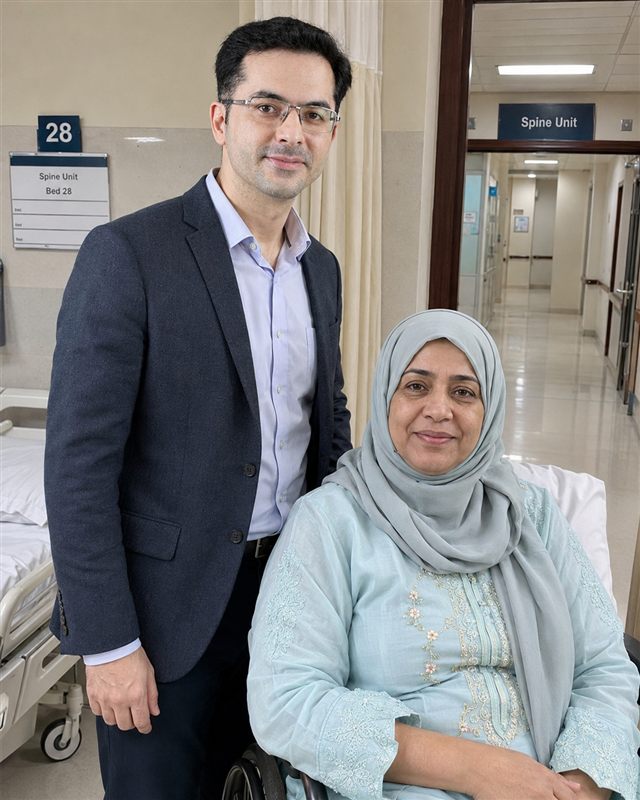
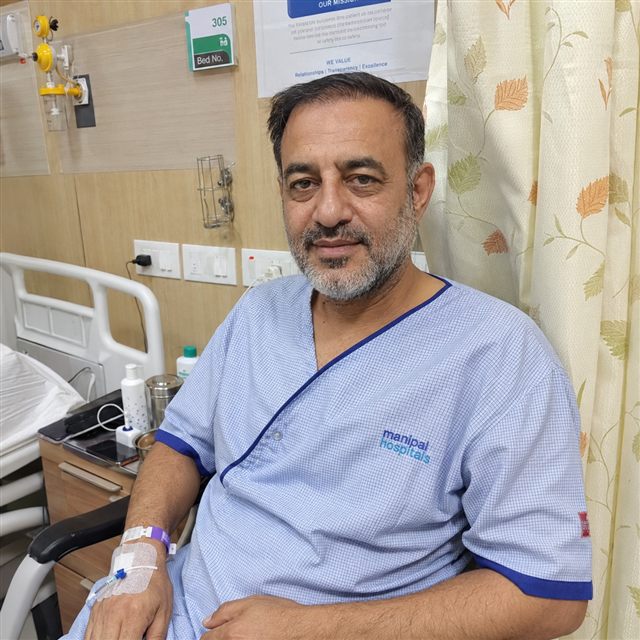
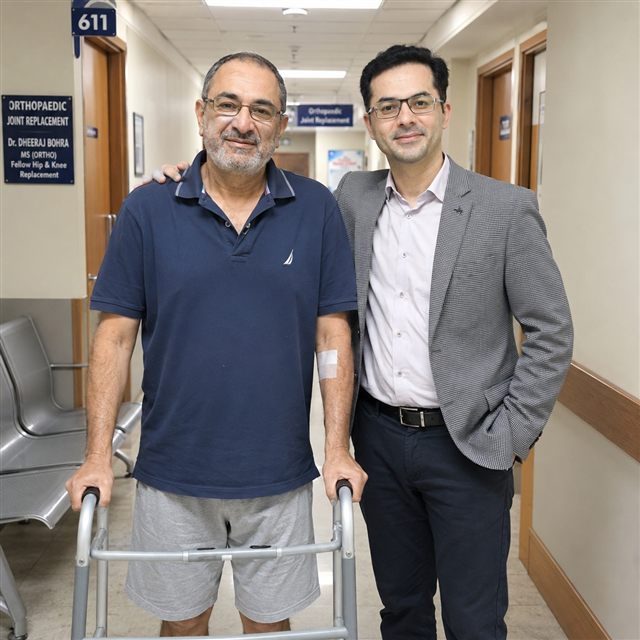
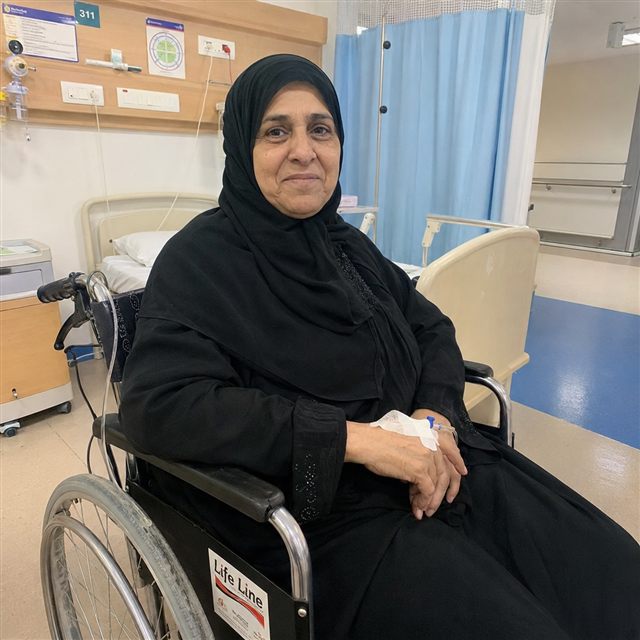
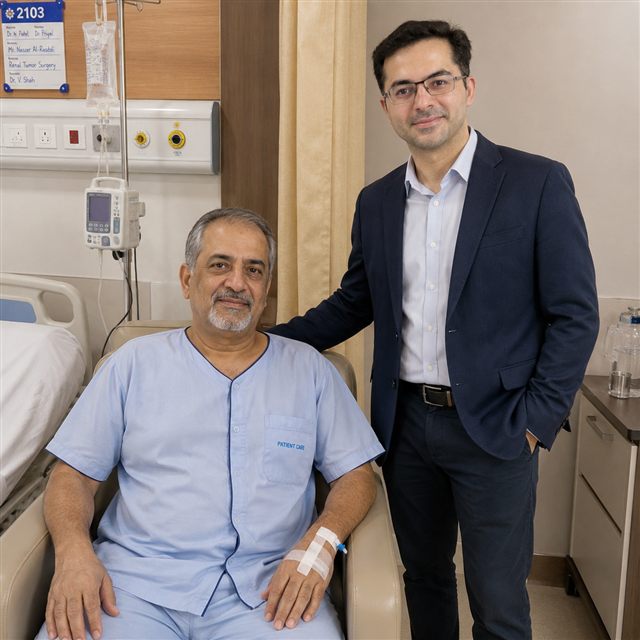
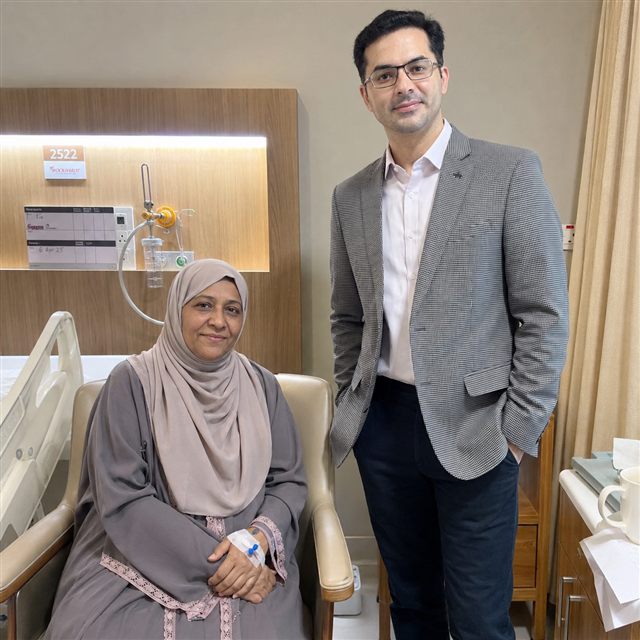
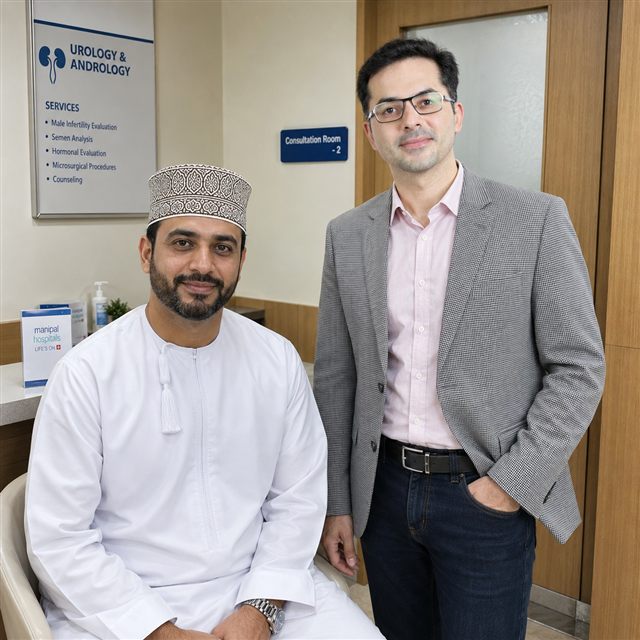
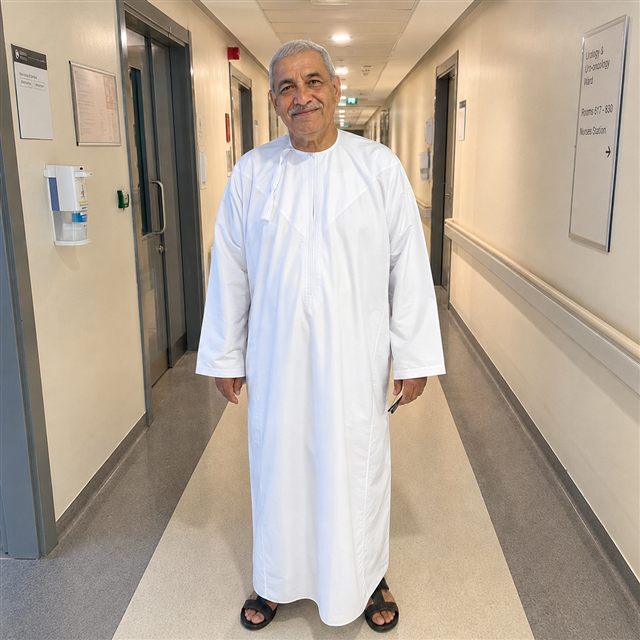
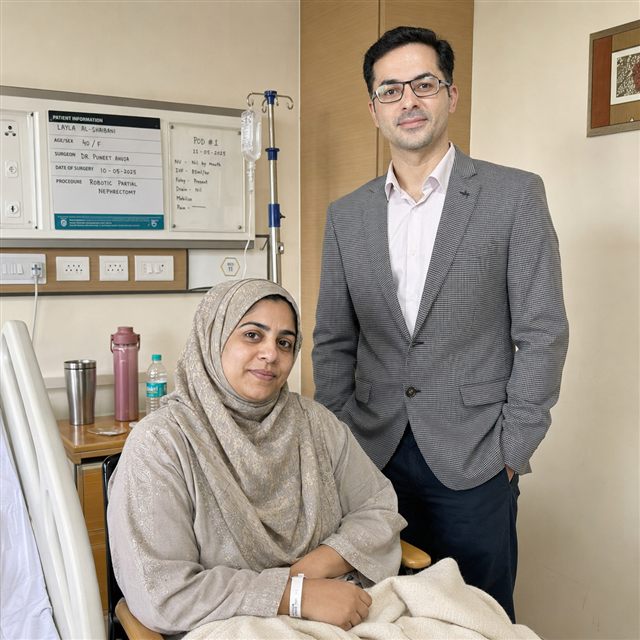
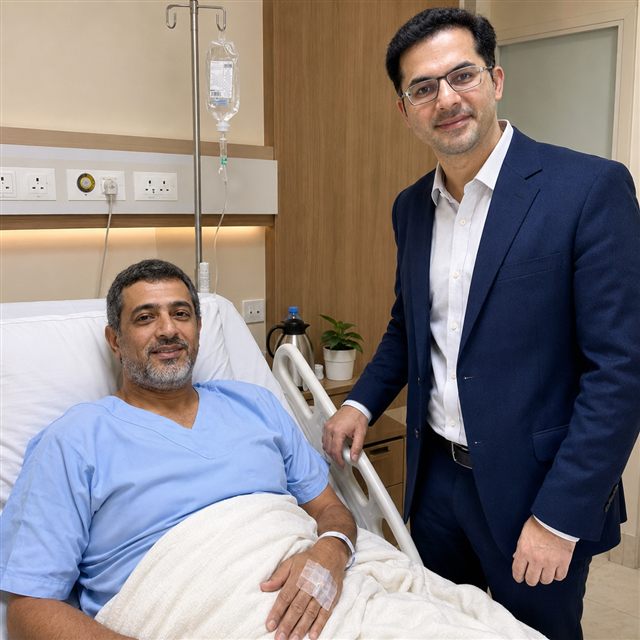
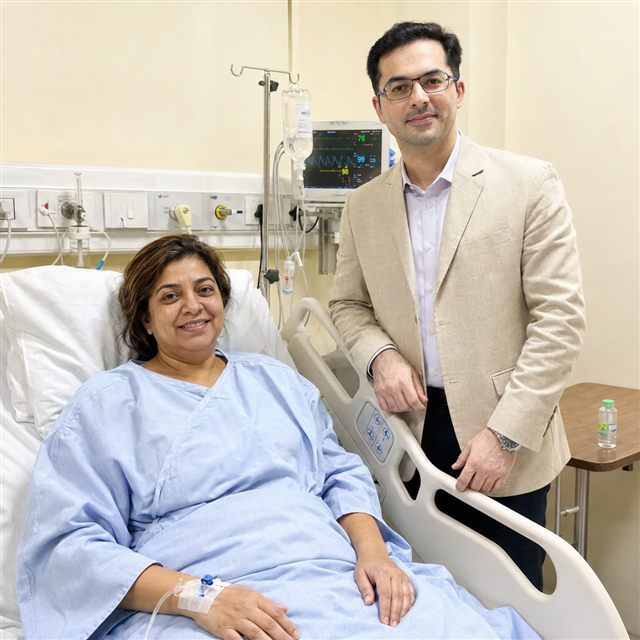
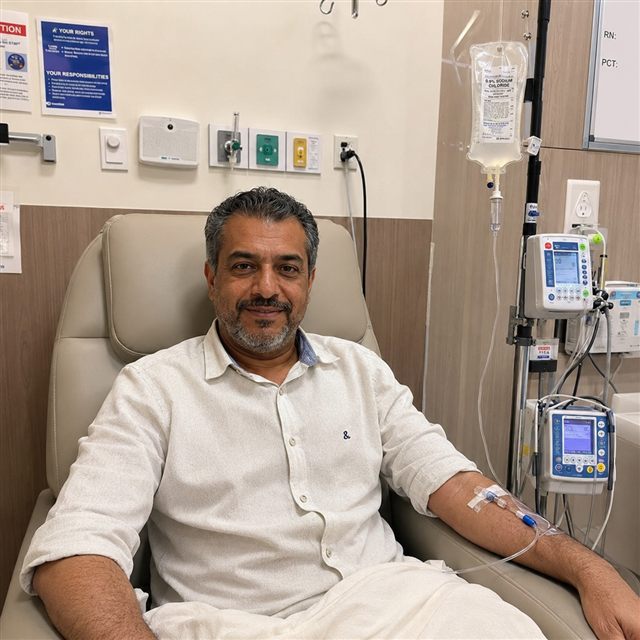
Patient Testimonials from Oman
Ready to Take the First Step?
Share your Medical Reports with our Healthcare Managers Today and Get a FREE CONSULTATION, a Personalized Treatment Plan, and Complete Support from Arrival to Recovery.
Get Your Free ConsultationAreas We Serve
Indian Health Guru Consultants proudly assists patients from Oman and surrounding Middle Eastern countries in accessing advanced, affordable and trusted medical treatment in India. Our team provides complete support for medical opinions, hospital selection, treatment planning, visa assistance, travel coordination, accommodation and post-treatment follow-up.
We regularly serve patients from:
- Oman
- Turkey
- Iran
- Kuwait
- Jordan
- Syria
- Qatar
- Bahrain
- Yemen
- Iraq
- Saudi Arabia
- United Arab Emirates
No matter where you are located, our experienced team is committed to making your medical journey to India safe, smooth, transparent and stress-free from the first enquiry to your return home.
From Oman to India: Your Complete Patient Guide
- Weight Loss and Bariatric Surgery in India for Omanis: Cost & Guide
- Brain Tumor Surgery in India for Omanis: Cost & Guide
- Cancer Treatment in India for Omanis: Cost & Guide
- Cardiac Surgery in India for Omanis: Cost & Guide
- Breast Cancer Treatment in India for Omanis: Cost & Guide
- Neurosurgery in India for Omanis: Cost & Guide
- Spine Surgery in India for Omanis: Cost & Guide
- Bone Marrow Transplant in India for Omanis: Cost & Guide
- Kidney Transplant in India for Omanis: Cost & Guide
- Best Dentists and Clinics for Dental Surgery in India for Omani Patients
- Best Doctors and Hospitals for Blood Cancer Treatment in India for Omani Patients
- Best Bone Marrow Transplant Doctors and Hospitals in India for Omani Patients
- Best IVF and Fertility Doctors and Hospitals in India for Omani Couples
- Best Bariatric Surgeons and Hospitals for Weight Loss Surgery in India for Omani Patients
- Best Brain Tumor Surgery Doctors and Hospitals in India for Omani Patients
- Best Cardiac Surgeons and Hospitals in India for Omani Patients
- Best Colorectal Cancer Surgeons and Hospitals in India for Omani Patients
- Best Surgeons and Hospitals for Complex Joint Revision Surgery in India for Omani Patients