

HIPEC Cancer Surgery in India for Omanis: A Doctor’s Guide to Making the Right Decision
A practical guide for Omani patients covering HIPEC eligibility, PCI scoring, cytoreductive surgery, heated chemotherapy, costs, recovery and treatment planning in India.
HIPEC — hyperthermic intraperitoneal chemotherapy — is among the most demanding procedures in cancer surgery, and also one of the most effective options available for a specific, difficult category of disease: cancer that has spread across the lining of the abdominal cavity. For Omani patients facing this diagnosis, often after standard chemotherapy alone has not controlled the disease, understanding exactly what this procedure involves matters enormously. Over 24 years of guiding Gulf families through complex cancer decisions, I want to walk you through this honestly. Oman's hospitals, including Apollo Hospital Muscat, Badr Al Samaa, Aster Al Raffah, and Burjeel Medical Centre, provide oncology consultation, though HIPEC itself is a highly specialised procedure not widely available across the region. This guide is written to help Omani patients understand what HIPEC actually involves, when it is genuinely appropriate, and what to check carefully before travelling for it.
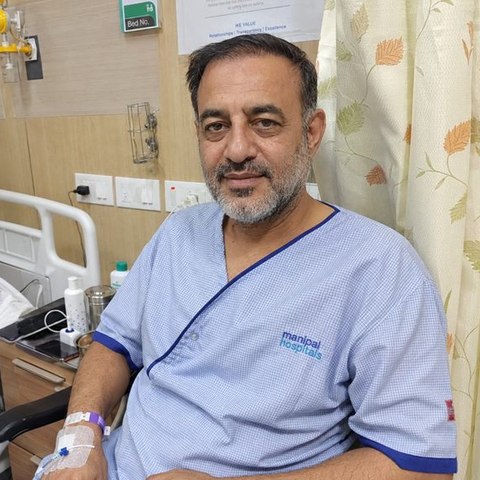
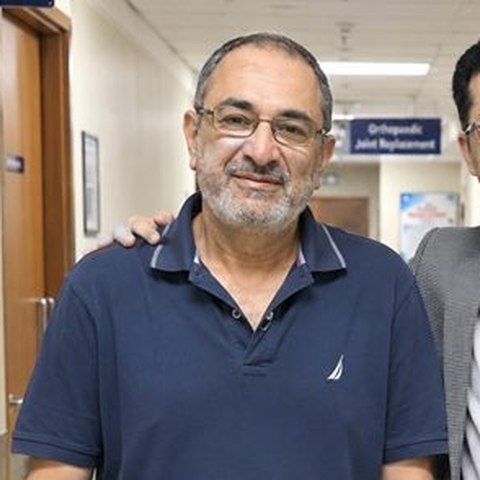
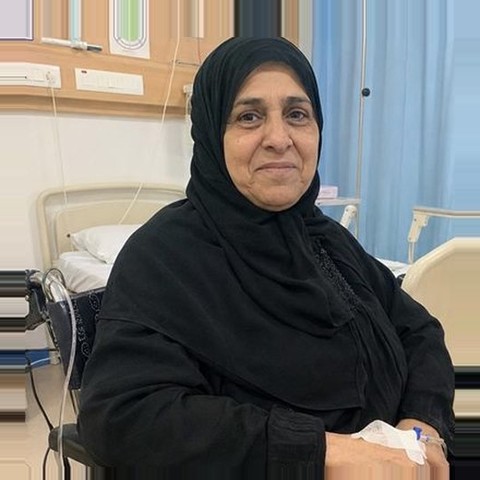
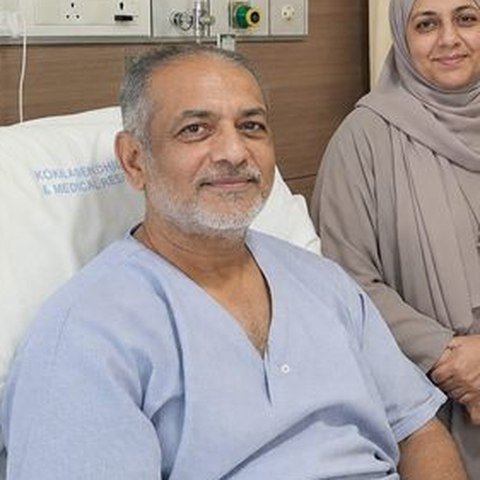
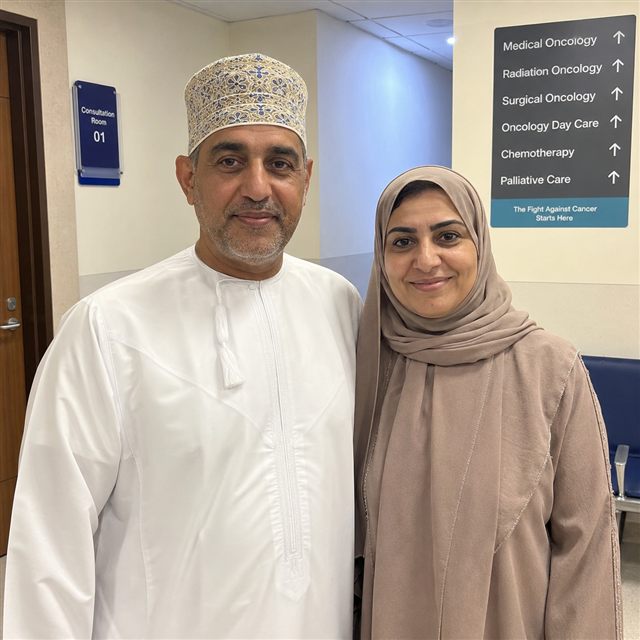
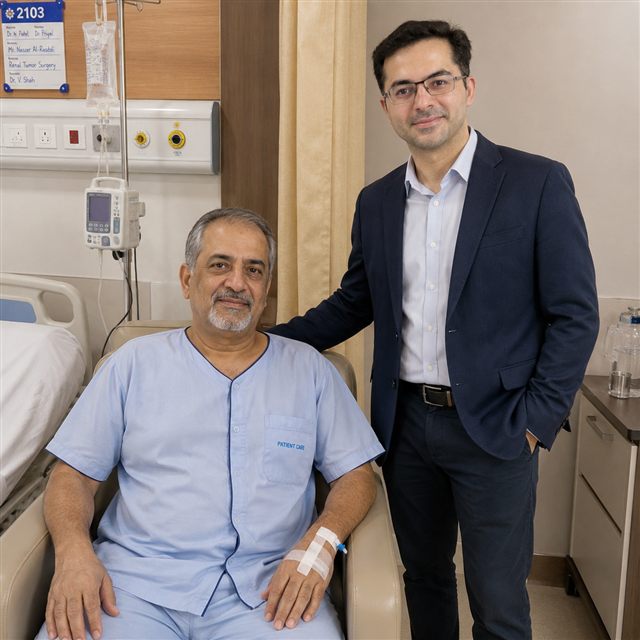
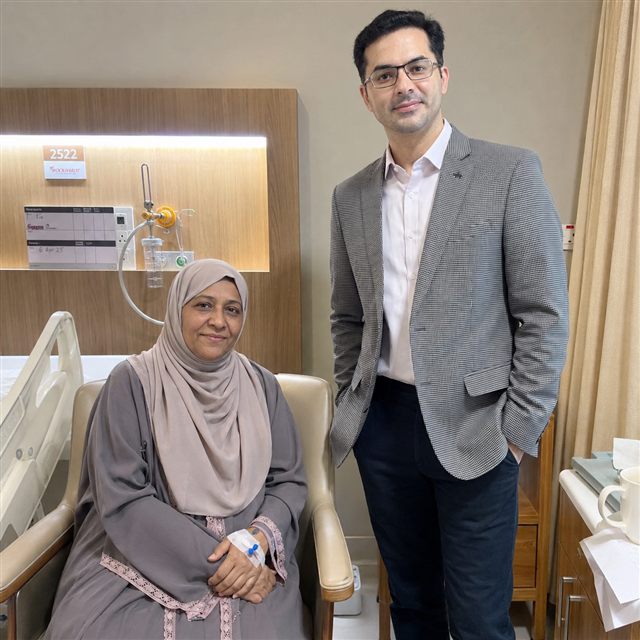
Healing Journeys of Omani Patients


Key Takeaways
- HIPEC is not a standalone treatment. It follows cytoreductive surgery, where visible tumour is removed from the abdominal cavity, followed by heated chemotherapy circulated directly inside the abdomen for approximately 60–90 minutes.
- The procedure is major surgery that can last approximately 8–14 hours. Depending on disease spread, surgery may involve removal of parts of the bowel, spleen, gallbladder or peritoneal lining.
- Patient selection is central to HIPEC success. The Peritoneal Cancer Index (PCI) helps assess how extensively cancer has spread and whether complete cytoreduction is realistically achievable.
- India's leading HIPEC centres in Delhi, Mumbai, Chennai and Bengaluru have specialised peritoneal malignancy programmes and multidisciplinary teams experienced in cytoreductive surgery and HIPEC.
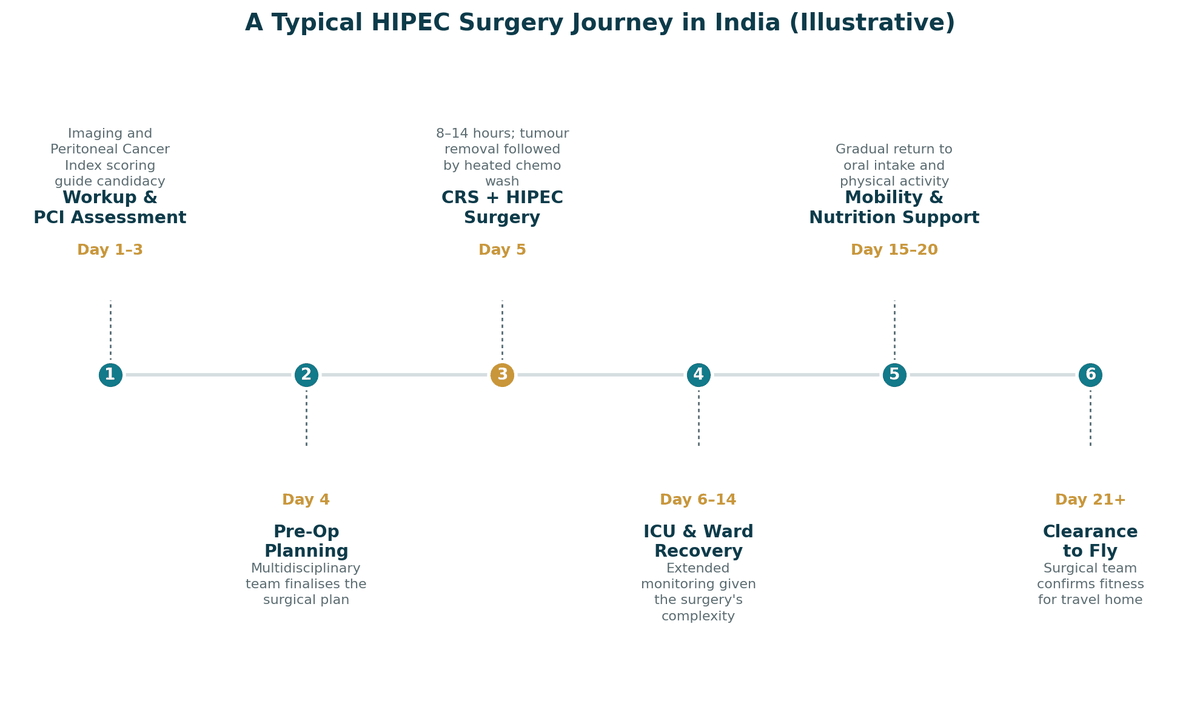
- The page 2 treatment journey diagram shows an illustrative pathway from PCI assessment and imaging during days 1–3, multidisciplinary pre-operative planning on day 4, CRS plus HIPEC surgery on day 5, ICU and ward recovery through days 6–14, nutrition and mobility support during days 15–20, and clearance to fly from approximately day 21 onward.
- The page 3 cost chart and comparison table gives a representative CRS + HIPEC cost of US$8,000–18,000 in India, compared with US$40,000–70,000 in Oman/regional pathways, US$35,000–60,000 in the private UK and US$50,000–120,000+ in the United States.
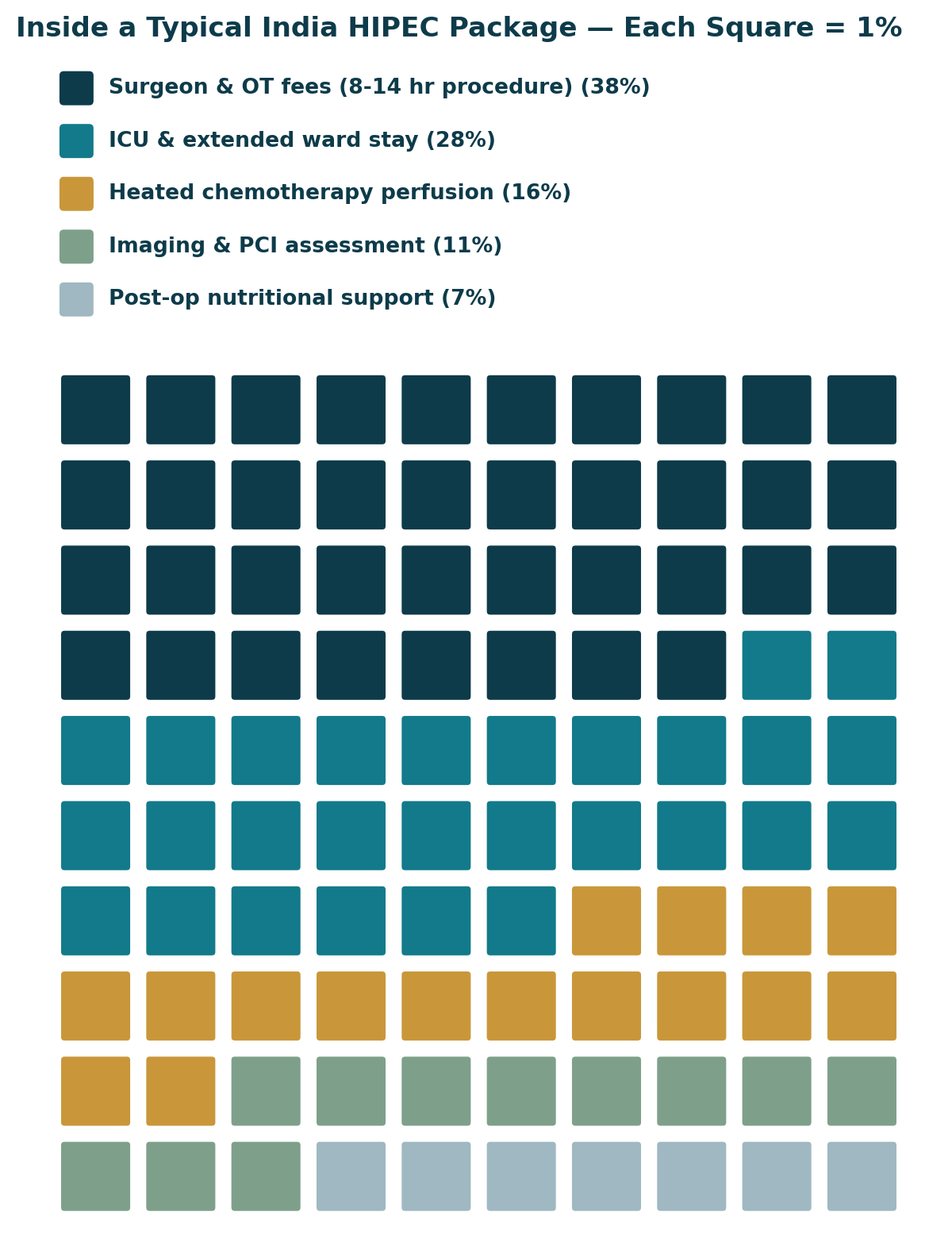
- The page 4 package graphic shows surgeon and OT fees at 38%, ICU and extended ward stay at 28%, heated chemotherapy perfusion at 16%, imaging and PCI assessment at 11%, and post-operative nutritional support at 7%.
- Recovery after HIPEC can be considerably more demanding than after many other cancer operations. The guide highlights restricted oral intake, nutritional support, prolonged hospital monitoring and the need to arrange substantial support after returning to Oman.
Quick Facts
- Treatment
- Cytoreductive Surgery (CRS) plus HIPEC
- Primary Patients
- Omani patients with selected peritoneal surface malignancies
- HIPEC Meaning
- Hyperthermic Intraperitoneal Chemotherapy
- Main Cancer Sources
- Colorectal, appendiceal, ovarian and gastric cancers, plus primary peritoneal malignancies
- Surgical Approach
- Cytoreductive surgery followed immediately by heated chemotherapy
- Chemotherapy Temperature
- Approximately 41–43°C
- HIPEC Duration
- Approximately 60–90 minutes
- Overall Surgery
- Approximately 8–14 hours
- Key Eligibility Tool
- Peritoneal Cancer Index (PCI)
- Main Treatment Goal
- Achieve complete cytoreduction where realistically possible
- Possible Organ Resections
- Bowel, spleen, gallbladder or peritoneal lining depending on disease extent
- Main India Cities
- Delhi, Mumbai, Chennai and Bengaluru
- India Cost
- US$8,000–18,000
- Oman / Regional Cost
- US$40,000–70,000
- UK Private Cost
- US$35,000–60,000
- US Cost
- US$50,000–120,000+
- Typical India Stay
- Approximately 21 days or longer in the illustrated pathway
- Key Specialist
- Surgical Oncologist with specific CRS/HIPEC experience
- Recovery
- Extended ICU/ward monitoring, nutrition and gradual mobility support
- Package Breakdown
- Surgeon/OT 38%, ICU/ward 28%, heated chemotherapy 16%, imaging/PCI assessment 11%, nutritional support 7%
- Chemotherapy Check
- Ask which heated chemotherapy agent is planned and why
- Package Check
- Confirm surgery, ICU days, chemotherapy, imaging and follow-up in writing
- Organ Resection Check
- Clarify how additional organ removal could affect cost and recovery
- Insurance
- Check Omani insurance or employer reimbursement before travel
- Ministry of Health
- Clarify the applicable overseas-treatment position
- Home Support
- Arrange extended recovery support in Oman before returning
- Author
- Dr. Dheeraj Bojwani
- Experience
- 24+ Years
In Brief
HIPEC cancer surgery in India combines cytoreductive surgery with heated intraperitoneal chemotherapy for selected patients whose cancer has spread across the abdominal lining. The guide emphasises that eligibility depends heavily on the Peritoneal Cancer Index and whether complete cytoreduction is realistically achievable. The operation can last 8–14 hours and may involve removal of affected abdominal organs or peritoneal tissue. India is presented with a representative CRS + HIPEC cost of US$8,000–18,000, compared with US$40,000–70,000 through Oman/regional pathways. Omani patients should obtain independent imaging-based assessment, confirm the surgeon's HIPEC-specific experience, understand the chemotherapy agent being proposed and prepare for a prolonged recovery before travelling.
Understanding What HIPEC Actually Involves
HIPEC is not a standalone treatment but the second half of a two-part procedure. First comes cytoreductive surgery, where a surgeon works to remove every visible trace of tumour from the abdominal cavity — sometimes requiring removal of parts of the bowel, spleen, gallbladder, or the peritoneal lining itself, depending on how far the disease has spread. Immediately afterward, heated chemotherapy, warmed to around 41 to 43 degrees Celsius, is circulated directly through the abdominal cavity for 60 to 90 minutes, targeting microscopic cancer cells the surgeon's eye could not see. The heat itself enhances the chemotherapy's effectiveness, and delivering it directly into the abdomen allows much higher local doses than would be safe given through the bloodstream.
This is a genuinely major operation, often lasting eight to fourteen hours, and candidacy is far from automatic. Surgeons use a Peritoneal Cancer Index, a scoring system that measures how extensively the disease has spread across the abdominal cavity, to help determine whether complete tumour removal is realistically achievable. Patients with very high scores, meaning very extensive disease, may not be good candidates, since the procedure's benefit depends heavily on achieving a genuinely complete cytoreduction. This is precisely why proper patient selection, not eagerness to operate, is the most important factor in a good HIPEC outcome.
What Makes India a Strong Option for HIPEC Surgery
India's leading surgical oncology centres, particularly in Delhi, Mumbai, Chennai, and Bengaluru, have built genuine, high-volume expertise in cytoreductive surgery and HIPEC for peritoneal disease arising from colorectal, appendiceal, ovarian, and gastric cancers, alongside primary peritoneal malignancies. This volume matters enormously for HIPEC specifically, since outcomes are closely tied to how experienced a specific surgical team is with achieving complete cytoreduction and managing the intensive perioperative care this procedure demands.
India also gives patients access to dedicated peritoneal surface malignancy programmes with surgical oncologists specifically trained in this technique, supported by intensive care teams experienced in managing the demanding recovery period that follows. And because Indian hospitals have spent two decades building international oncology pathways for Gulf and African patients, Omani patients arrive to Arabic-speaking coordinators and a well-tested process for reviewing imaging and pathology before travel is even booked.
Given how specialised and resource-intensive this procedure is worldwide, the practical question for most Omani patients is less about comparing many regional options and more about finding a centre with genuine, specific, high-volume HIPEC experience — something India's leading peritoneal malignancy programmes offer at a fraction of Western cost.
Cost Comparison: India vs. Oman/Regional vs. Western Countries
The figures below represent a combined cytoreductive surgery and HIPEC package, in approximate US dollars, for a full package at an accredited private hospital. Peer-reviewed research on institutional direct costs in the United States has found this procedure carries substantial resource use even before broader hospital charges are added.
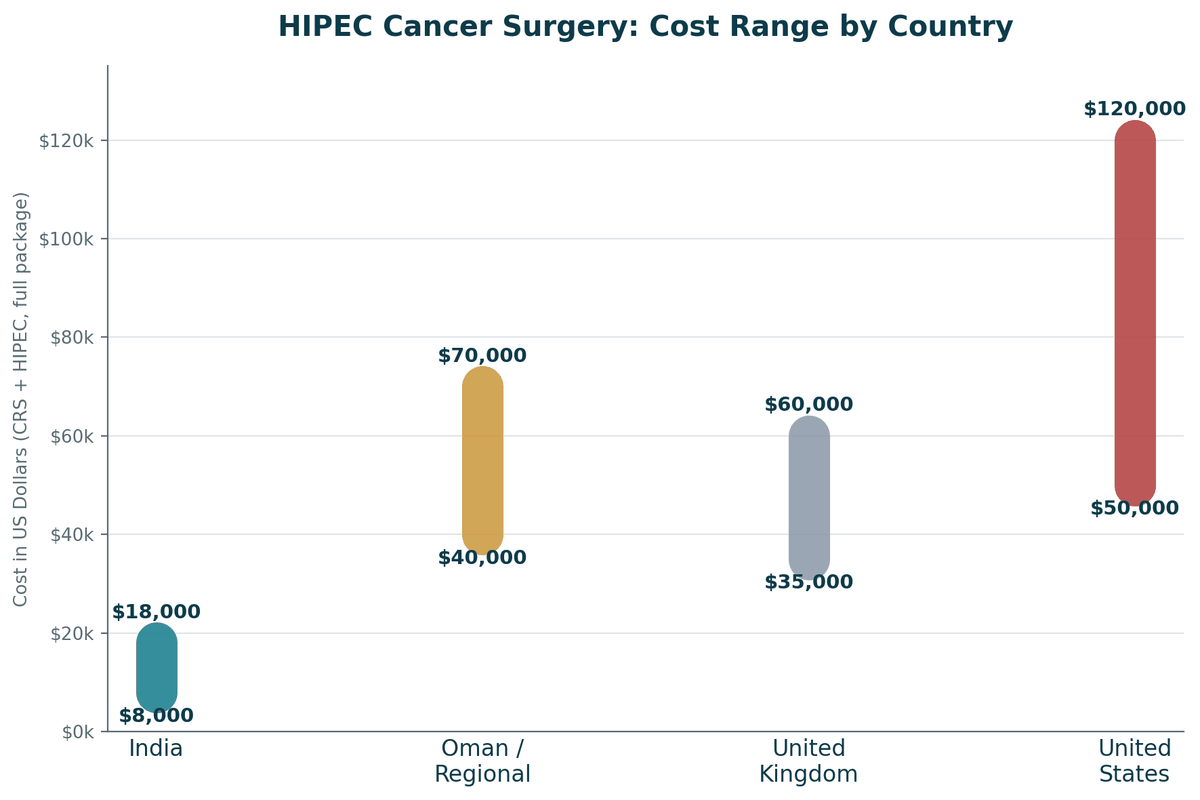
| Destination | Typical Cost (CRS + HIPEC) | What This Usually Includes |
|---|---|---|
| India | US $8,000 – $18,000 | Surgeon and OT fees, heated chemotherapy perfusion, ICU stay, and standard nursing care |
| Oman / Regional | US $40,000 – $70,000 | Where accessible via other regional referral pathways; highly specialised and limited availability |
| United Kingdom (private) | US $35,000 – $60,000 | Surgery, chemotherapy, and hospital stay; extended follow-up often billed separately |
| United States | US $50,000 – $120,000+ | Highly variable by state and hospital; complications or extended ICU stays substantially increase cost |
A few honest caveats specific to HIPEC. First, your Peritoneal Cancer Index score genuinely determines candidacy — ask your surgical team directly and specifically whether complete cytoreduction is realistically achievable in your case, since an incomplete cytoreduction significantly changes the expected benefit. Second, organs removed during cytoreductive surgery vary considerably by case, and this directly affects both operative time and cost, so a quote given before imaging review should be treated as provisional. Third, this is genuinely major surgery with a demanding recovery, often including a period of restricted oral intake and nutritional support, so plan for a longer and more intensive recovery period than most other cancer surgeries in this series.
What a Typical Omani Patient Should Weigh Before Deciding HIPEC Surgery in India
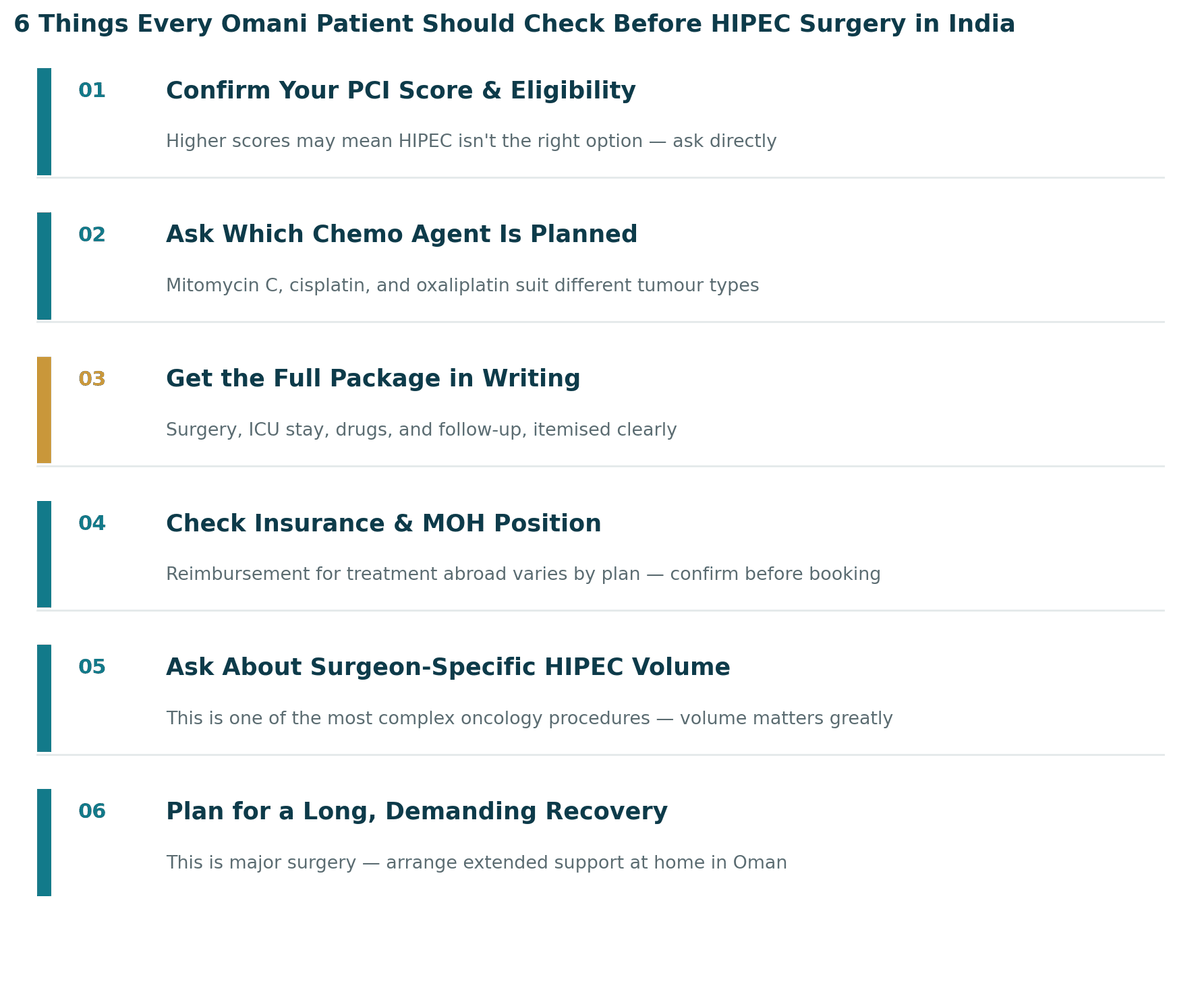
Having guided patients through this exact decision for 24 years, here is what I encourage every Omani family to work through before committing to a hospital:
- Get an honest assessment of your Peritoneal Cancer Index score. Send your imaging to an independent peritoneal malignancy specialist in India before committing. A responsible team will tell you plainly whether complete cytoreduction is realistically achievable for your specific disease extent.
- Ask which chemotherapy agent is planned for the heated perfusion. Mitomycin C, cisplatin, and oxaliplatin are used for different tumour types and profiles. Understand why a specific drug is being recommended for you.
- Get the full package itemised in writing. Surgery, ICU days, chemotherapy drugs, and follow-up should each be clear, along with what additional organ resection would add to the cost if the surgeon finds more extensive disease than expected.
- Check your insurance and Ministry of Health position. Some Omani insurance plans and employer health schemes offer partial reimbursement for treatment abroad; others do not cover it at all. Clarify this before you travel, not after.
- Ask specifically about the surgeon's HIPEC-specific case volume. This is one of the most technically demanding procedures in oncology. Ask how many CRS/HIPEC procedures the specific surgeon and team perform each year.
- Plan for a genuinely demanding recovery period. This surgery typically requires a longer hospital stay and more intensive support at home than most other cancer procedures. Arrange this support in Oman well in advance.
A Closing Reflection
HIPEC represents genuine hope for patients facing a category of cancer spread that once offered very limited options, but it asks a great deal in return — a long, complex operation and a recovery that tests both patient and family. The single factor that separates a genuinely beneficial outcome from a difficult one without meaningful gain is careful, honest patient selection before surgery ever begins. That honesty is worth insisting on, wherever the operation ultimately takes place. An independent, imaging-based assessment of whether complete cytoreduction is realistically achievable in your case is the most important conversation to have before any decision is made.
Sources & Further Reading
- National Cancer Institute (NCI), National Institutes of Health — Hyperthermic Intraperitoneal Chemotherapy (cancer.gov)
- MedlinePlus, U.S. National Library of Medicine (NIH) — Peritoneal Cancer (medlineplus.gov)
- American Cancer Society (ACS), non-profit organization — Intraperitoneal Chemotherapy (cancer.org)
- PubMed, National Library of Medicine (NIH) — What Drives High Costs of Cytoreductive Surgery and HIPEC (pubmed.ncbi.nlm.nih.gov)
- Society of Surgical Oncology (SSO), non-profit professional association — Patient Resources (surgonc.org)
Frequently Asked Questions by Omani Patients about HIPEC Cancer Surgery in India
Is HIPEC cancer surgery in India an option for Omani patients?
Yes. The guide identifies Delhi, Mumbai, Chennai and Bengaluru as major Indian locations with specialised peritoneal malignancy programmes. Omani patients should first establish whether they are genuinely suitable candidates.
Which cancers may be treated with HIPEC for Omani patients in India?
The guide discusses peritoneal disease arising from colorectal, appendiceal, ovarian and gastric cancers, as well as primary peritoneal malignancies. Eligibility depends on the extent and characteristics of the disease.
What is the Peritoneal Cancer Index and why is it important for an Omani patient?
The PCI measures how extensively cancer has spread throughout the abdominal cavity. A high score can make complete tumour removal difficult, so PCI assessment is a central part of deciding whether HIPEC is appropriate.
How much does HIPEC surgery cost in India for Omani patients?
The guide gives a representative combined CRS + HIPEC cost of US$8,000–18,000 in India. The final cost can increase if more extensive organ resection or prolonged intensive care is required.
How does HIPEC cost in India compare with Oman or regional treatment?
The source gives an approximate Oman/regional range of US$40,000–70,000 compared with US$8,000–18,000 in India. Regional availability is described as highly specialised and limited.
How long does HIPEC surgery take for an Omani patient?
The operation itself can last approximately 8–14 hours. The overall India journey is much longer because patients require ICU and ward recovery, nutritional support and mobility rehabilitation before clearance to fly.
Which chemotherapy drugs can be used during HIPEC for Omani patients?
The guide mentions mitomycin C, cisplatin and oxaliplatin as agents used for different tumour types and profiles. Patients should ask their treating team why a particular drug is being recommended for their case.
Why is recovery after HIPEC more demanding for an Omani patient?
HIPEC combines extensive cancer surgery with heated chemotherapy and can involve significant abdominal procedures. Recovery may include restricted oral intake, nutritional support, prolonged monitoring and gradual restoration of mobility.
What should an Omani patient ask about the HIPEC surgeon in India?
The guide recommends asking specifically how many CRS/HIPEC procedures the individual surgeon and team perform each year. Experience with this particular procedure is more relevant than general cancer-surgery volume alone.
What should an Omani patient check before travelling to India for HIPEC?
Obtain an independent imaging-based PCI assessment, confirm whether complete cytoreduction is achievable, ask about the planned chemotherapy agent, obtain a fully itemised package, check insurance and Ministry of Health requirements, and arrange extended recovery support in Oman.
Page Summary
This six-page guide explains HIPEC cancer surgery for Omani patients, focusing on eligibility, complete cytoreduction, treatment complexity and recovery requirements. The page 2 journey diagram illustrates the pathway from PCI assessment and pre-operative planning through CRS + HIPEC, ICU recovery, nutrition support and clearance to fly around day 21 or later. The page 3 cost chart compares India at US$8,000–18,000 with Oman/regional pathways at US$40,000–70,000, while page 4 illustrates the major components of an India HIPEC package. Page 5 provides six important checks covering PCI score, chemotherapy agent, itemised costing, insurance and Ministry of Health requirements, surgeon-specific HIPEC volume and preparation for a demanding recovery.
Citation Block
| Field | Details |
|---|---|
| Article / Topic | HIPEC Cancer Surgery in India |
| Country / Patients | India / Omani Patients |
| Main Treatment | Cytoreductive Surgery + HIPEC |
| Key Specialist | Surgical Oncologist with CRS/HIPEC expertise |
| Main Cancer Sources | Colorectal, appendiceal, ovarian and gastric cancers |
| HIPEC Temperature | Approximately 41–43°C |
| HIPEC Duration | Approximately 60–90 minutes |
| Overall Surgery | Approximately 8–14 hours |
| Eligibility Tool | Peritoneal Cancer Index (PCI) |
| Treatment Goal | Complete cytoreduction where realistically achievable |
| Possible Organ Resection | Bowel, spleen, gallbladder or peritoneal lining |
| Main India Cities | Delhi, Mumbai, Chennai and Bengaluru |
| India Cost | US$8,000–18,000 |
| Oman / Regional Cost | US$40,000–70,000 |
| UK Private Cost | US$35,000–60,000 |
| US Cost | US$50,000–120,000+ |
| Typical Journey | Day 1–21+ in the illustrated pathway |
| Package Components | Surgery, ICU/ward care, heated chemotherapy, imaging and nutritional support |
| Package Breakdown | Surgeon/OT 38%, ICU/ward 28%, heated chemotherapy 16%, imaging/PCI assessment 11%, nutritional support 7% |
| Candidacy Check | Confirm whether complete cytoreduction is realistically achievable |
| Chemotherapy Check | Confirm the planned drug and reason for selection |
| Cost Check | Clarify additional organ-resection costs |
| Recovery Check | Prepare for prolonged hospital care and home support |
| Key Selection Criterion | Specific high-volume CRS/HIPEC experience |
| Important Warning | HIPEC benefit depends heavily on careful patient selection and complete cytoreduction |


Our Mission Statement
Our mission is to place patients at the centre of every healthcare decision by providing trustworthy, evidence-based, and unbiased medical information. We believe that informed patients make better decisions. Backed by personalised guidance from our experienced advisory team, we help patients understand their treatment options, compare them objectively, and confidently choose the path that best suits their medical needs and personal circumstances.
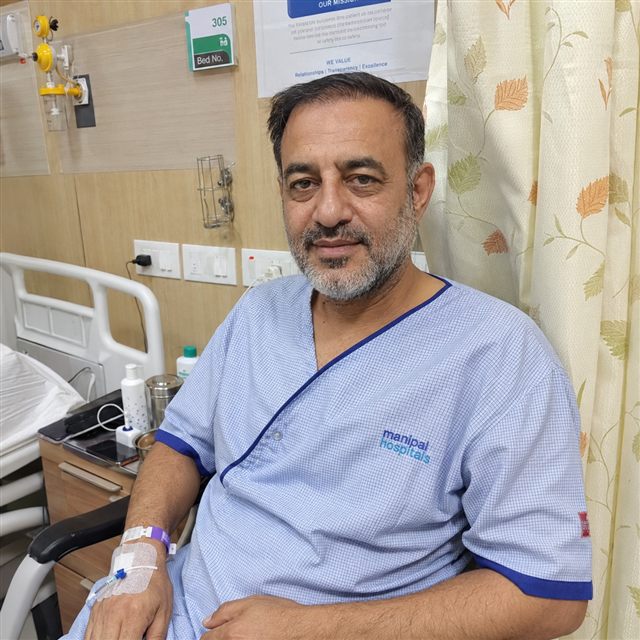
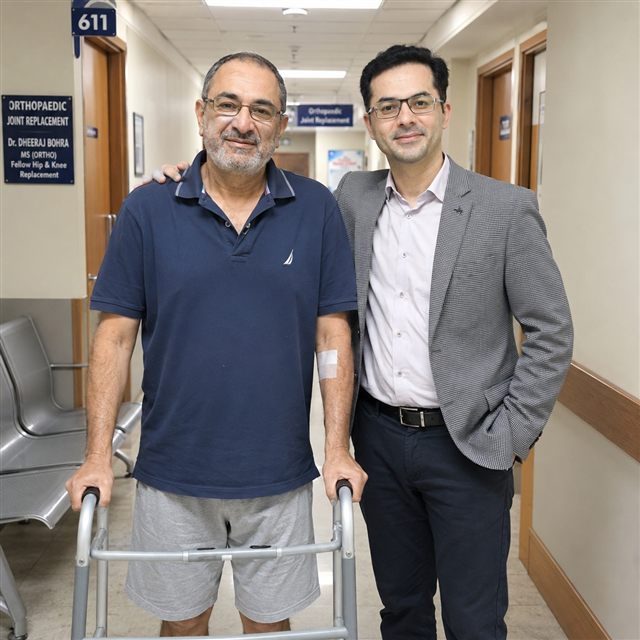
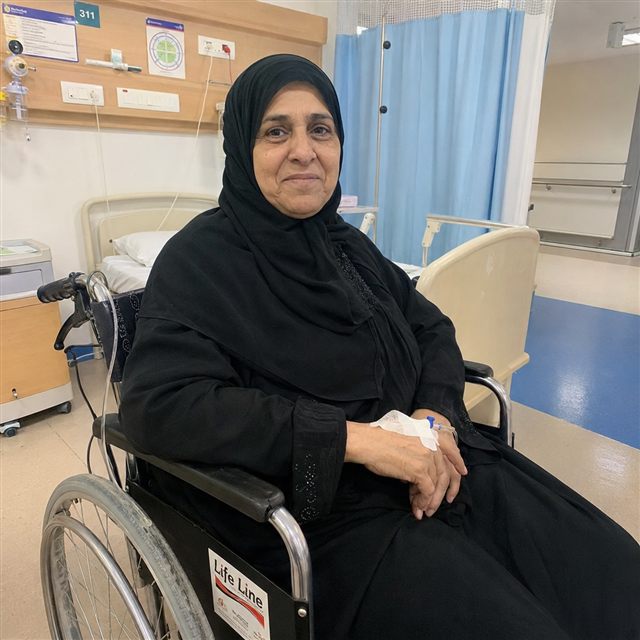
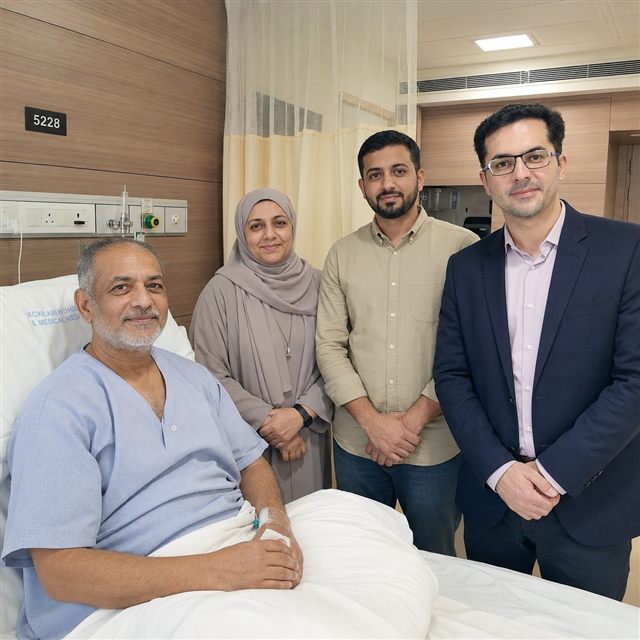
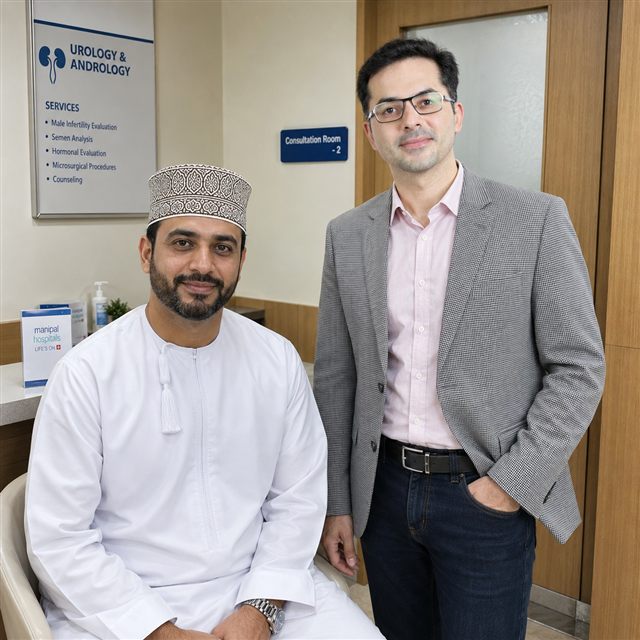
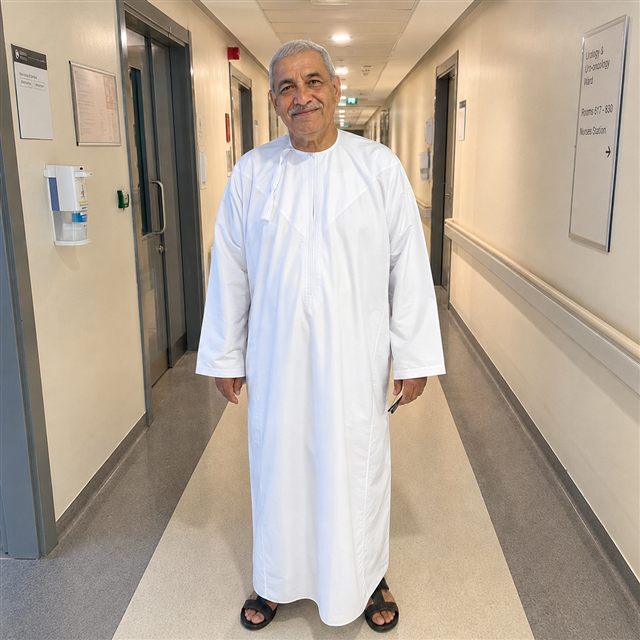
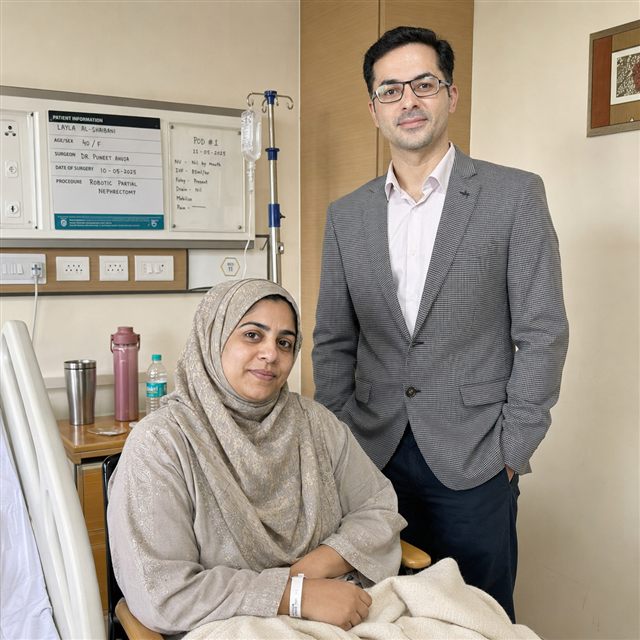
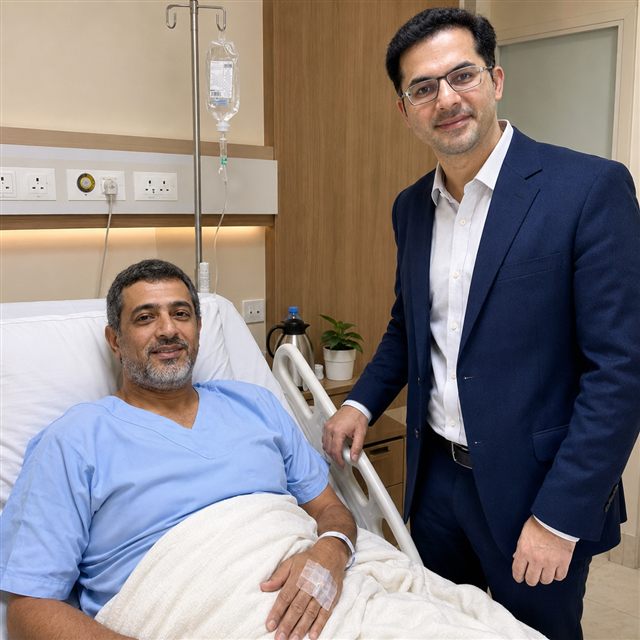
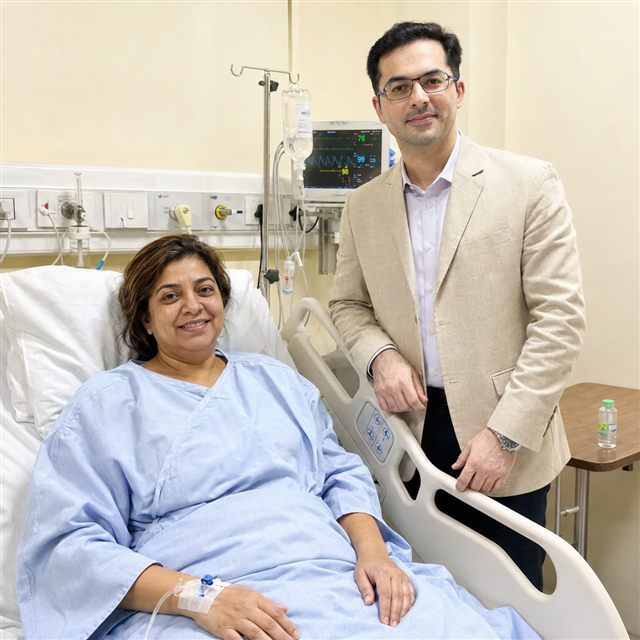
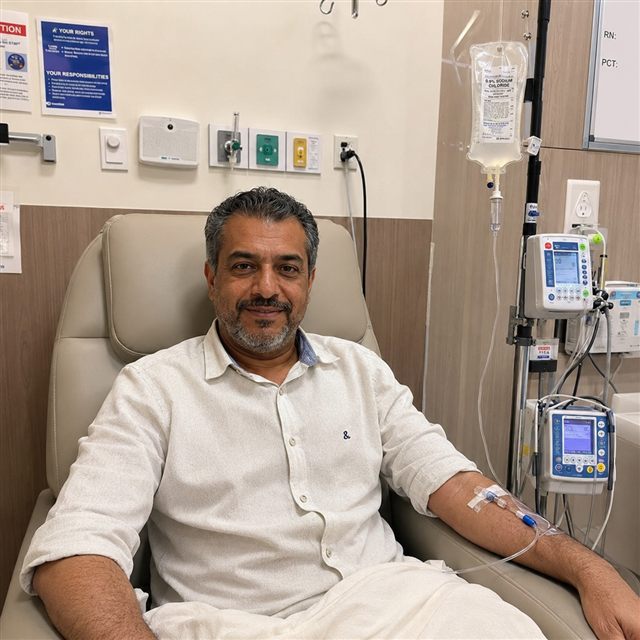
Patient Testimonials from Oman

Ready to Take the First Step?
Share your Medical Reports with our Healthcare Managers Today and Get a FREE CONSULTATION, a Personalized Treatment Plan, and Complete Support from Arrival to Recovery.
Get Your Free ConsultationAreas We Serve
Indian Health Guru Consultants proudly assists patients from Oman and surrounding Middle Eastern countries in accessing advanced, affordable and trusted medical treatment in India. Our team provides complete support for medical opinions, hospital selection, treatment planning, visa assistance, travel coordination, accommodation and post-treatment follow-up.
We regularly serve patients from:
- Oman
- Turkey
- Iran
- Kuwait
- Jordan
- Syria
- Qatar
- Bahrain
- Yemen
- Iraq
- Saudi Arabia
- United Arab Emirates
No matter where you are located, our experienced team is committed to making your medical journey to India safe, smooth, transparent and stress-free from the first enquiry to your return home.
From Oman to India: Your Complete Patient Guide
- Weight Loss and Bariatric Surgery in India for Omanis: Cost & Guide
- Brain Tumor Surgery in India for Omanis: Cost & Guide
- Cancer Treatment in India for Omanis: Cost & Guide
- Cardiac Surgery in India for Omanis: Cost & Guide
- Breast Cancer Treatment in India for Omanis: Cost & Guide
- Neurosurgery in India for Omanis: Cost & Guide
- Spine Surgery in India for Omanis: Cost & Guide
- Bone Marrow Transplant in India for Omanis: Cost & Guide
- Kidney Transplant in India for Omanis: Cost & Guide
- Best Dentists and Clinics for Dental Surgery in India for Omani Patients
- Best Doctors and Hospitals for Blood Cancer Treatment in India for Omani Patients
- Best Bone Marrow Transplant Doctors and Hospitals in India for Omani Patients
- Best IVF and Fertility Doctors and Hospitals in India for Omani Couples
- Best Bariatric Surgeons and Hospitals for Weight Loss Surgery in India for Omani Patients
- Best Brain Tumor Surgery Doctors and Hospitals in India for Omani Patients
- Best Cardiac Surgeons and Hospitals in India for Omani Patients
- Best Colorectal Cancer Surgeons and Hospitals in India for Omani Patients
- Best Surgeons and Hospitals for Complex Joint Revision Surgery in India for Omani Patients