

Heart Valve Replacement in India for Omanis: A Doctor’s Guide to Making the Right Decision
A practical guide for Omani patients covering mechanical versus biological valves, TAVI suitability, treatment costs, recovery, anticoagulation and follow-up in Oman.
A damaged heart valve rarely announces itself suddenly. It is usually breathlessness that creeps up over months, a fatigue that no longer matches your activity level, or a murmur your doctor has been monitoring for years that has finally crossed the threshold into “needs fixing.” Over 24 years of advising Gulf patients on cardiac care, valve disease is one area where I find the decision itself — not just where to have surgery, but which type of valve to receive — deserves far more careful explanation than it usually gets. Oman's hospitals, including Apollo Hospital Muscat, Badr Al Samaa, Aster Al Raffah, and Burjeel Medical Centre, provide cardiology consultation and echocardiographic assessment, and are a reasonable place to begin the diagnostic process. This guide is written to help Omani patients understand, honestly and without sales pressure, the genuinely important choices involved in valve replacement, and what to check carefully before deciding where to have it done.
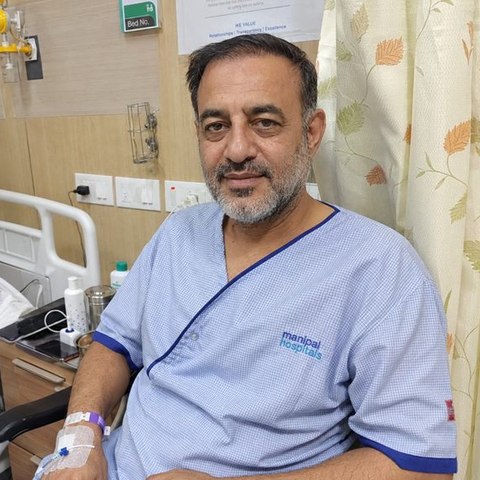
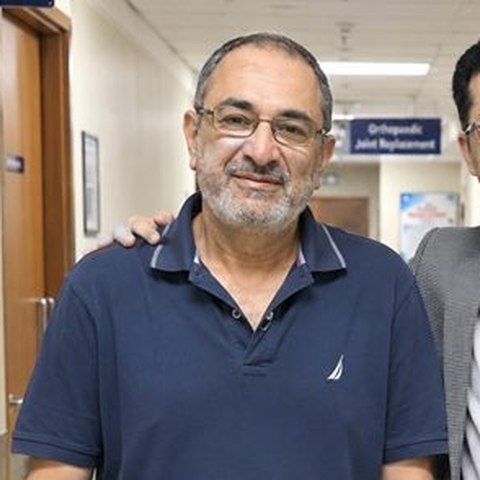
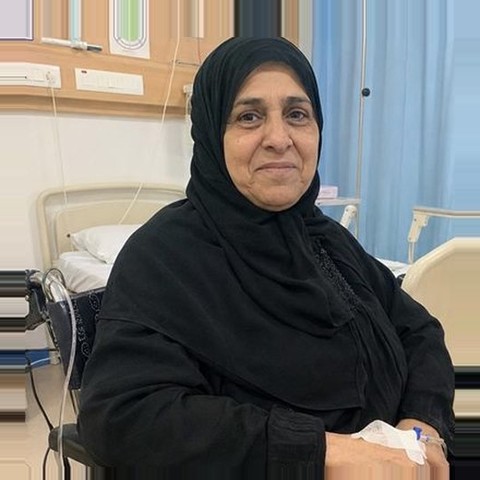
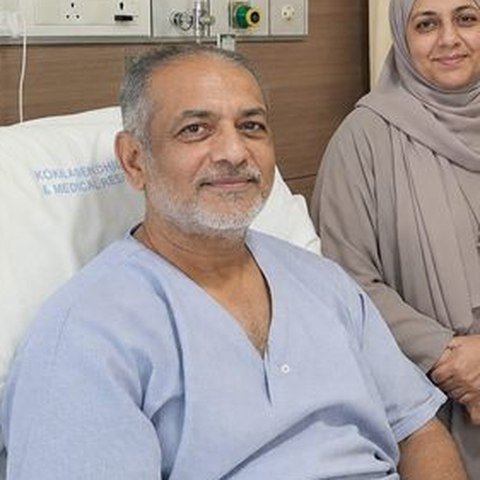
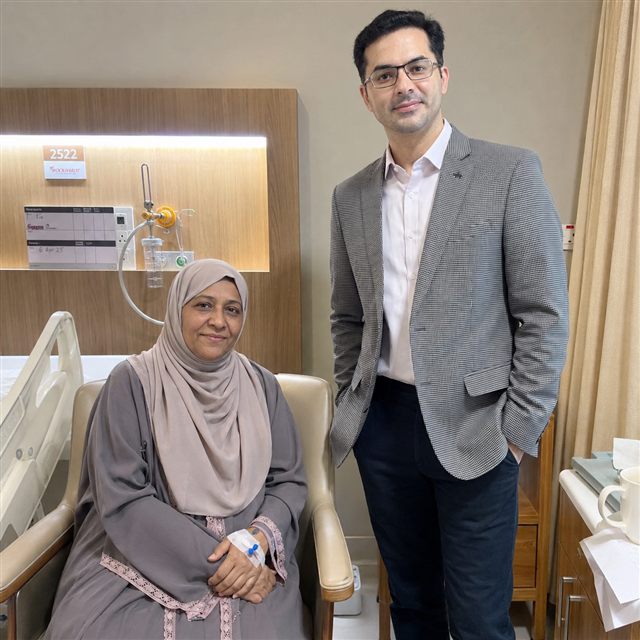
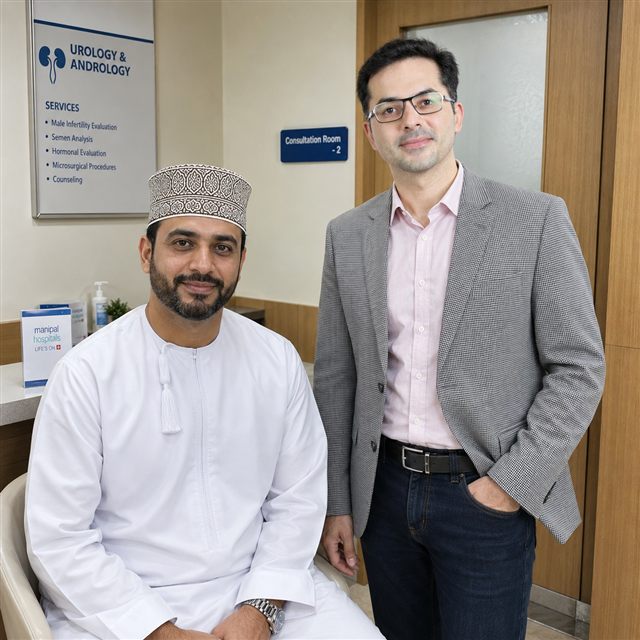
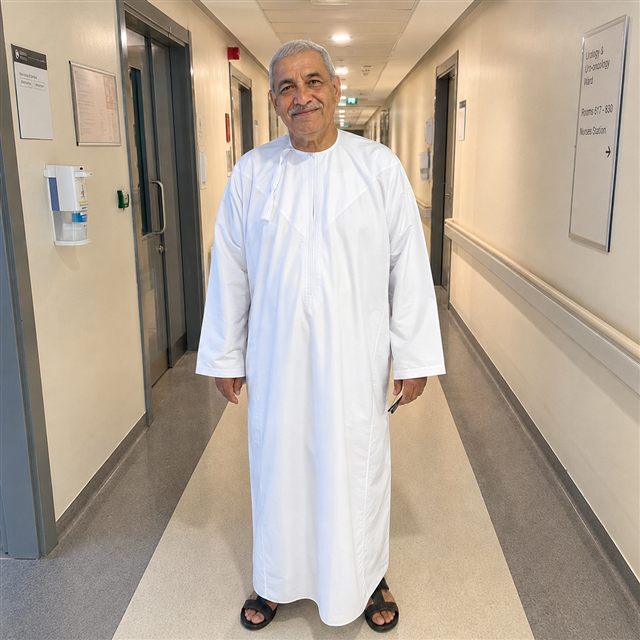
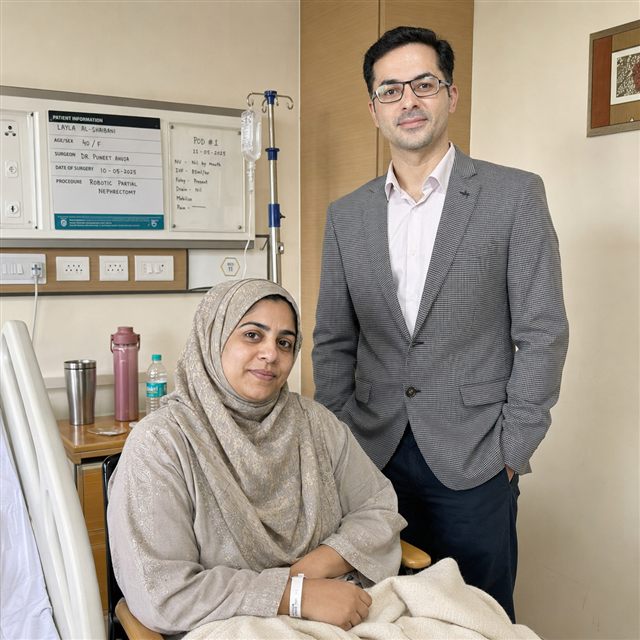
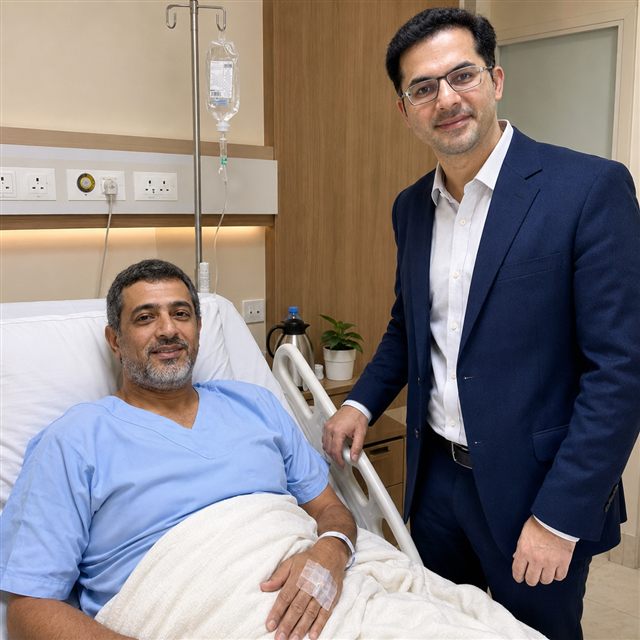
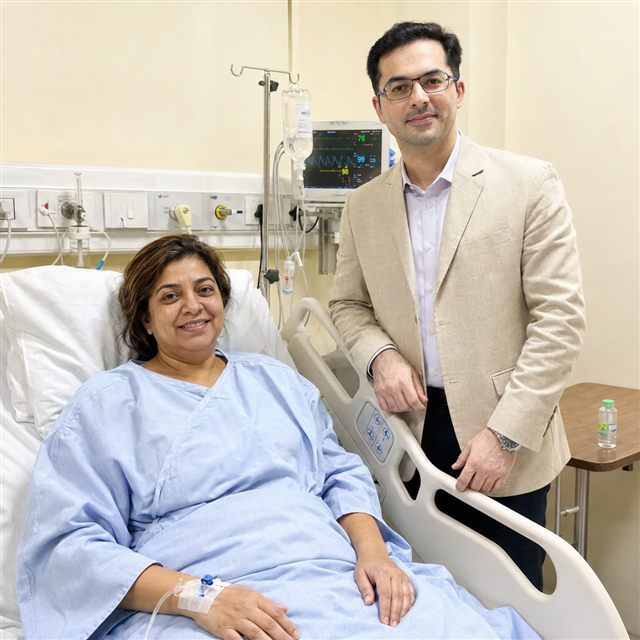
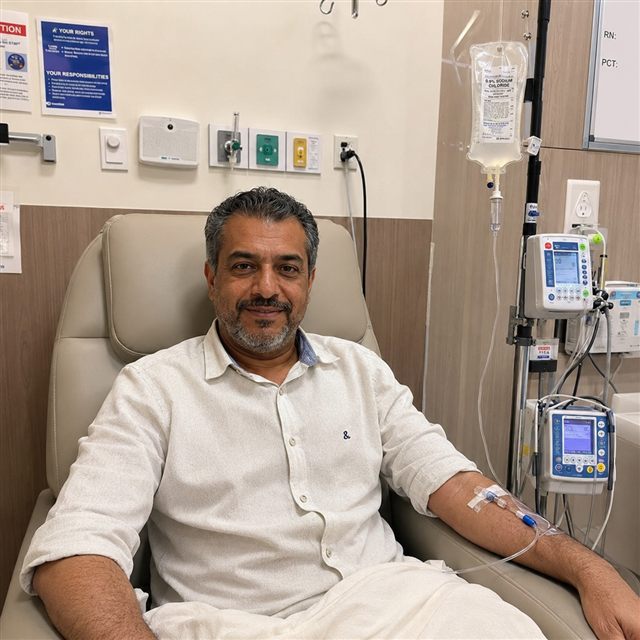
Healing Journeys of Omani Patients


Key Takeaways
- Heart valve replacement involves an important long-term choice between mechanical and biological valves. Mechanical valves can last a lifetime but require lifelong anticoagulation and regular blood monitoring, while biological valves generally avoid lifelong anticoagulation but may wear out after around 10–20 years.
- The guide explains that valve selection should consider the patient's age, lifestyle and ability to manage long-term anticoagulation rather than simply choosing the valve with the lowest initial cost.
- TAVI provides a less invasive alternative to open-heart surgery for selected patients, but it is not appropriate for every valve condition or every patient. A responsible cardiac team should clearly explain whether TAVI or open surgery is more suitable.
- India's leading cardiac centres in Delhi, Chennai, Mumbai and Bengaluru perform high volumes of aortic, mitral and multi-valve procedures and offer both mechanical and biological valve options. The guide recommends checking the specific valve-surgery experience of the assigned surgeon and team.
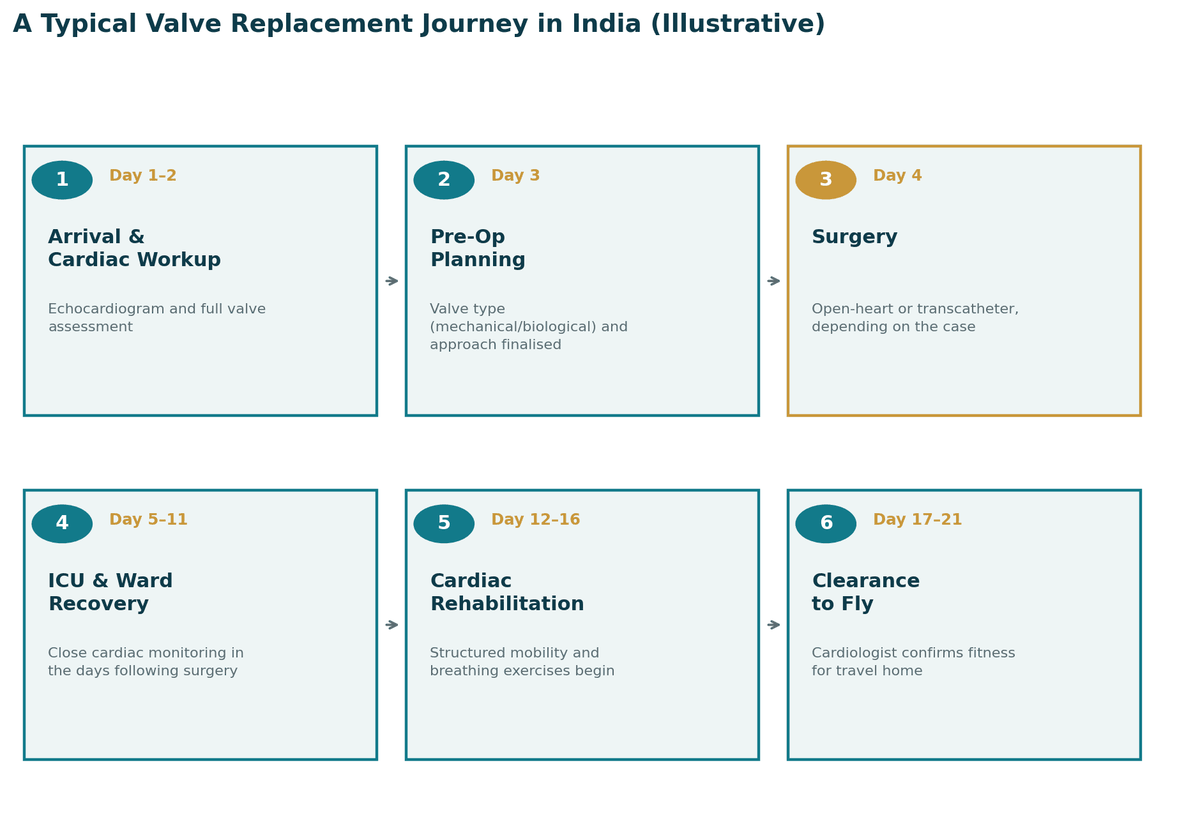
- The page 2 treatment diagram presents an illustrative 17–21-day pathway, beginning with echocardiography and cardiac work-up, followed by valve selection and pre-operative planning, surgery, ICU and ward recovery, cardiac rehabilitation and final clearance to fly.
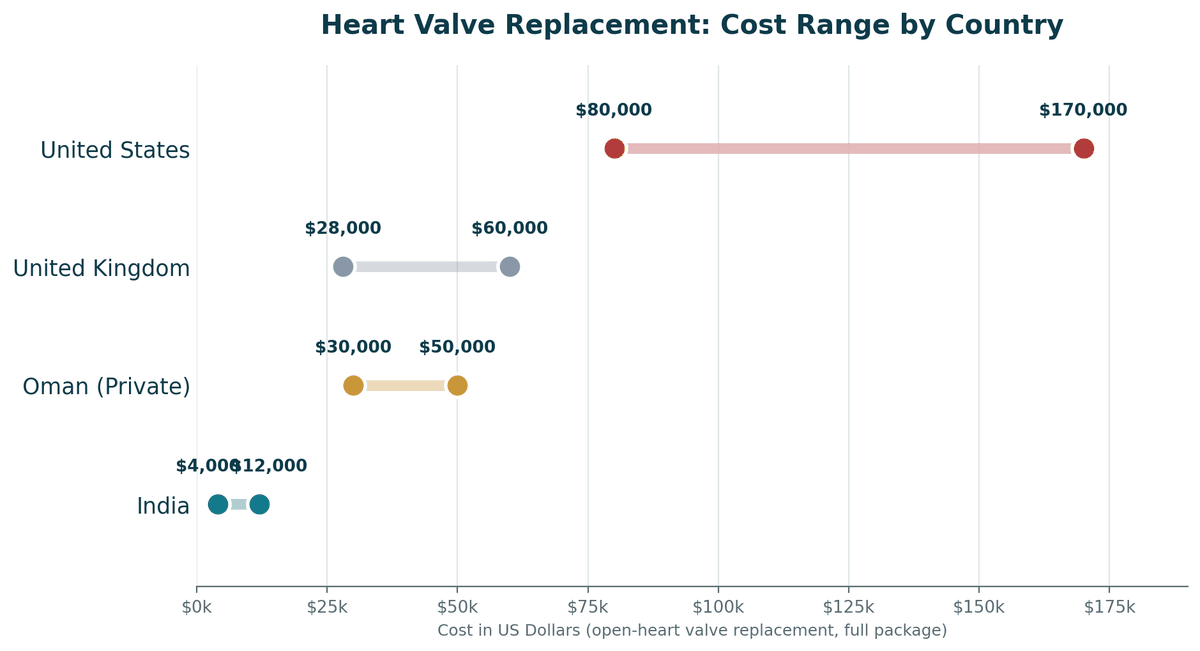
- The page 3 cost chart gives a representative open-heart valve replacement cost of US$4,000–12,000 in India, compared with US$30,000–50,000 in private Oman, US$28,000–60,000 in the UK and US$80,000–170,000+ in the United States. TAVI generally costs more because of its specialised catheter-based equipment.
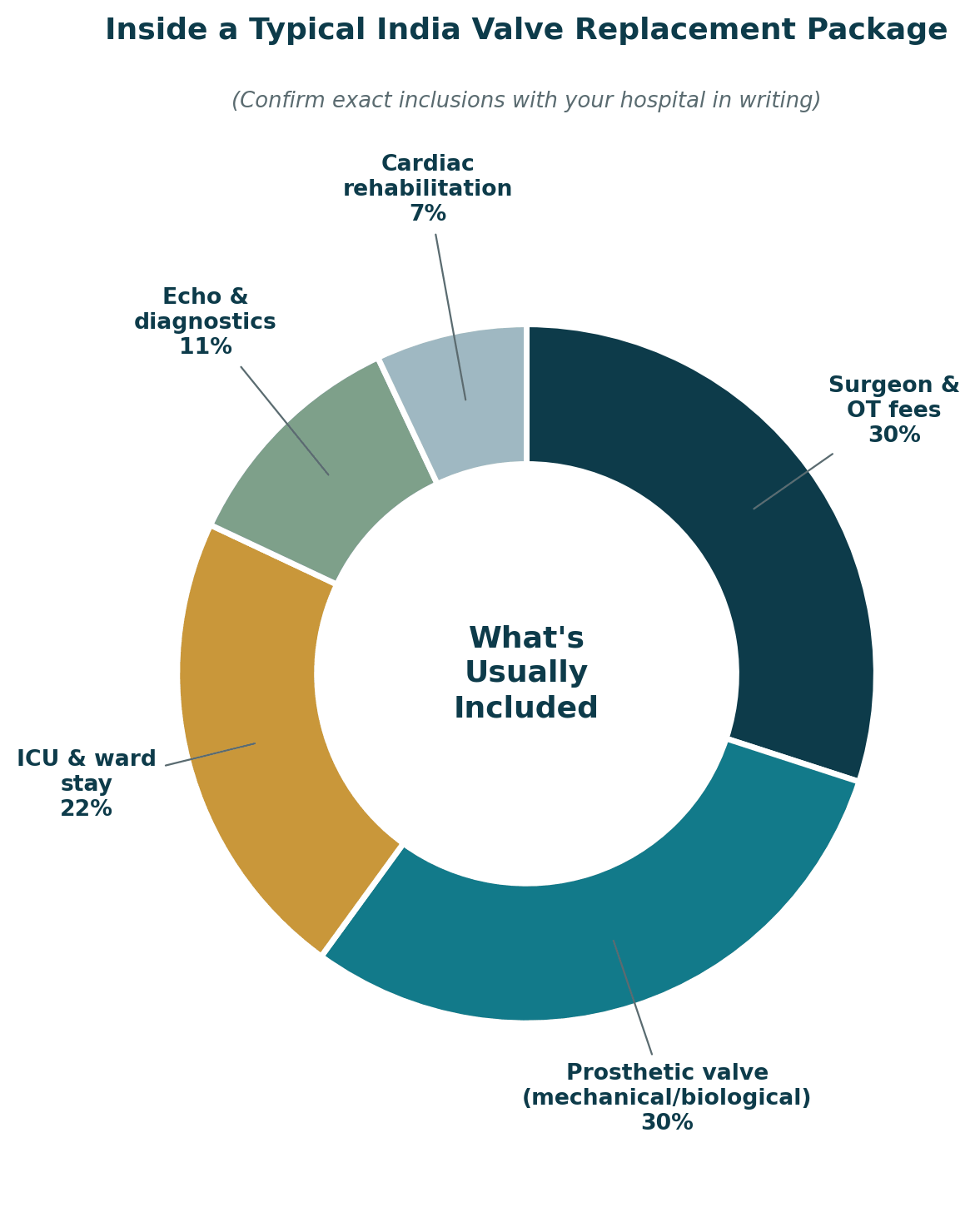
- The page 4 package graphic shows surgeon and OT fees and the prosthetic valve each representing 30% of the illustrative package, followed by ICU and ward stay at 22%, echo and diagnostics at 11%, and cardiac rehabilitation at 7%. The guide advises confirming exact inclusions in writing.
- For Omani patients choosing a mechanical valve, long-term anticoagulation planning is essential. The guide recommends confirming how regular blood tests and medication adjustments will be managed after returning to Oman.
Quick Facts
- Treatment
- Heart valve replacement surgery
- Primary Patients
- Omani patients considering valve surgery in India
- Main Valve Types
- Mechanical and biological valves
- Mechanical Valve
- Can last a lifetime but requires lifelong anticoagulation and blood monitoring
- Biological Valve
- Usually avoids lifelong anticoagulation but may wear out after 10–20 years
- Minimally Invasive Option
- TAVI for selected patients
- Main Valve Areas
- Aortic, mitral and combined multi-valve disease
- Main India Cities
- Delhi, Chennai, Mumbai and Bengaluru
- India Cost
- US$4,000–12,000 for representative open-heart valve replacement
- Oman Private Cost
- US$30,000–50,000
- UK Private Cost
- US$28,000–60,000
- US Cost
- US$80,000–170,000+
- Typical India Journey
- Approximately 17–21 days in the illustrated pathway
- Pre-Operative Assessment
- Echocardiogram and full cardiac work-up
- Recovery
- ICU, ward recovery and structured cardiac rehabilitation
- Package Breakdown
- Surgeon/OT 30%, prosthetic valve 30%, ICU/ward stay 22%, echo and diagnostics 11%, cardiac rehabilitation 7%
- Surgeon Check
- Confirm specific annual valve-surgery volume
- Valve Check
- Discuss mechanical versus biological suitability
- TAVI Check
- Confirm genuine candidacy before choosing a transcatheter approach
- Anticoagulation
- Plan lifelong monitoring if a mechanical valve is selected
- Insurance
- Check Omani insurance or employer reimbursement before travel
- Ministry of Health
- Clarify the applicable overseas-treatment position
- Follow-Up
- Arrange long-term cardiac monitoring in Oman
- Author
- Dr. Dheeraj Bojwani
- Experience
- 24+ Years
In Brief
Heart valve replacement surgery in India can provide Omani patients with access to mechanical and biological prosthetic valves as well as TAVI for selected cases. The guide emphasises that valve choice is a long-term decision: mechanical valves offer durability but require lifelong anticoagulation, while biological valves generally avoid lifelong blood thinners but may require replacement after 10–20 years. India is presented with a representative open-heart valve replacement cost of US$4,000–12,000, compared with US$30,000–50,000 in private Oman. Patients should review their echocardiogram independently, confirm whether TAVI is appropriate, obtain an itemised package and plan long-term cardiac care in Oman before travelling.
The Choice That Matters Most: Mechanical or Biological
Once surgery is agreed upon, the most consequential decision is not the hospital — it is the type of valve. Mechanical valves, made of durable materials like carbon or titanium, can last a lifetime, but they require lifelong blood-thinning medication (anticoagulation) to prevent clots, along with regular blood monitoring for the rest of the patient's life. Biological valves, made from animal or donor tissue, do not require lifelong anticoagulation and function more naturally, but they typically wear out after ten to twenty years and may eventually need replacement.
This trade-off is genuinely personal. A younger patient may prefer the durability of a mechanical valve despite the lifelong medication commitment, while an older patient, or one for whom reliable long-term anticoagulation monitoring is impractical, may be better served by a biological valve. For select patients, particularly those at higher surgical risk, transcatheter aortic valve implantation (TAVI) offers a less invasive alternative to open-heart surgery, delivered through a catheter rather than an open chest incision — though it is not suitable for every valve condition or every patient.
What Makes India a Strong Option for Valve Surgery
India's leading cardiac centres, concentrated in Delhi, Chennai, Mumbai, and Bengaluru, perform a very high volume of valve replacement and repair procedures each year, spanning aortic, mitral, and combined multi-valve cases, alongside a growing number of TAVI procedures for suitable patients. This volume matters because valve surgery, like bypass surgery, shows a clear relationship between surgical team experience and patient outcomes.
India also gives patients access to a wide range of both mechanical and biological valve options from major international manufacturers, allowing surgeons to select the valve best suited to a patient's age, lifestyle, and ability to manage long-term anticoagulation, rather than being limited to whatever a single hospital happens to stock. And because Indian hospitals have spent two decades building international cardiac care pathways for Gulf and African patients, Omani patients arrive to Arabic-speaking coordinators and a well-tested process for reviewing echocardiograms before travel is even booked.
This does not mean every valve case needs to travel. It means that given how personal and consequential the valve-type decision is, a centre offering a genuine range of options — and a surgeon willing to walk through the trade-offs specific to your life circumstances — deserves serious consideration.
Cost Comparison: India vs. Oman vs. Western Countries
The figures below use open-heart valve replacement as a representative benchmark, in approximate US dollars, for a full package at an accredited private hospital. TAVI procedures generally cost more than open-heart replacement in every country, reflecting the specialised catheter-based equipment involved.
| Destination | Typical Cost (Open-Heart Valve Replacement) | What This Usually Includes |
|---|---|---|
| India | US $4,000 – $12,000 | Surgeon and OT fees, prosthetic valve, ICU and ward stay, and standard nursing care |
| Oman (private) | US $30,000 – $50,000 | Surgeon fees, valve, hospital stay; varies significantly by hospital tier and valve type |
| United Kingdom (private) | US $28,000 – $60,000 | Surgery and hospital stay; extended follow-up often billed separately |
| United States | US $80,000 – $170,000+ | Highly variable by state and hospital; TAVI and multi-valve procedures typically cost more |
A few honest caveats specific to valve surgery. First, mechanical valves generally cost less upfront than biological valves in most markets, but factor in the lifetime cost of anticoagulation monitoring, which is an ongoing commitment rather than a one-time expense. Second, if you are considering TAVI, confirm whether you are genuinely a candidate — it is not appropriate for every valve condition, and a responsible cardiac team will tell you plainly if open surgery is the better option for your case. Third, combined procedures, such as valve replacement alongside bypass surgery, cost meaningfully more than an isolated valve procedure and should be quoted accordingly.
What a Typical Omani Patient Should Weigh Before Deciding Valve Surgery in India
Having guided patients through this exact decision for 24 years, here is what I encourage every Omani family to work through before committing to a hospital:
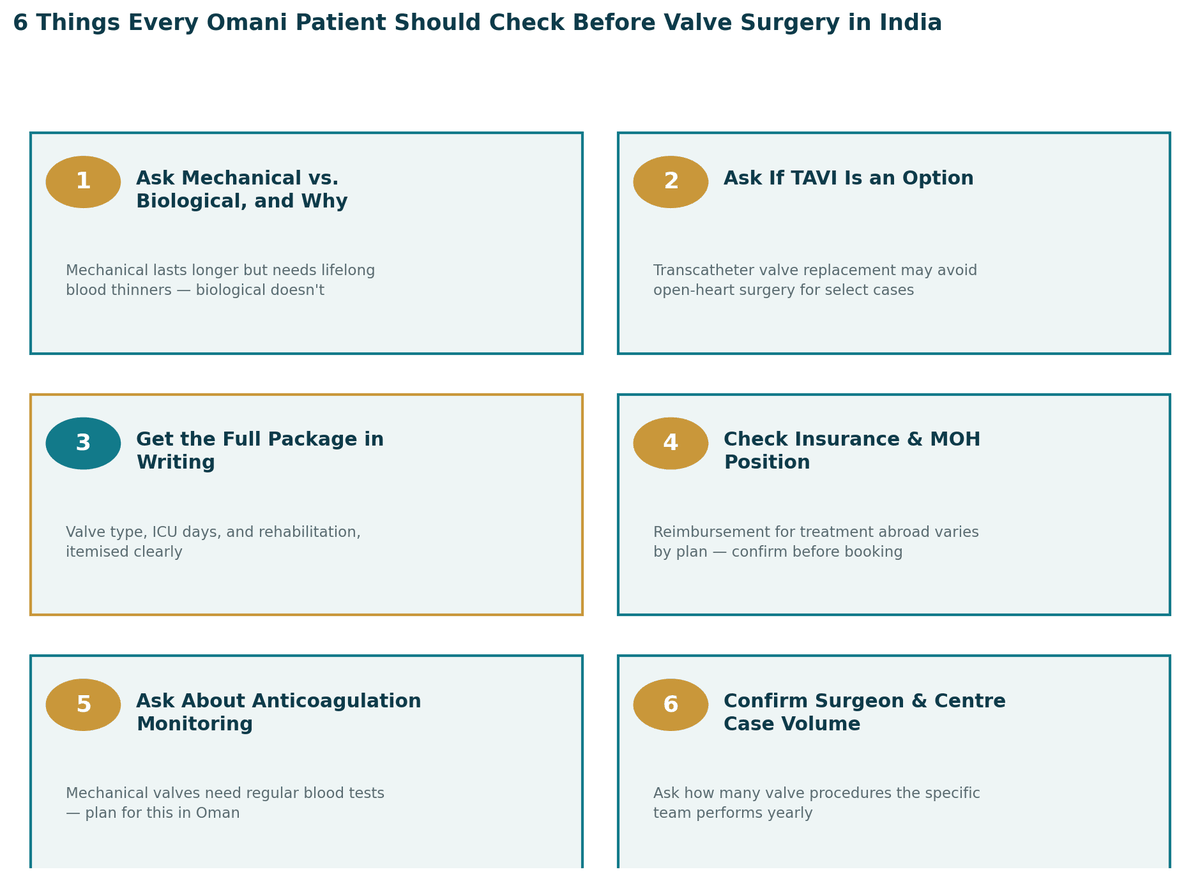
- Ask directly about mechanical versus biological, and why. Send your echocardiogram to an independent cardiac surgical team in India before committing. Discuss which valve type genuinely suits your age, lifestyle, and ability to manage long-term anticoagulation if needed.
- Ask whether TAVI is a genuine option for your case. Not every patient or valve condition is suitable for a transcatheter approach. Get a clear, honest answer about whether open surgery is actually necessary for you.
- Get the full package itemised in writing. Valve type, ICU days, and cardiac rehabilitation should each be clear before you travel.
- Check your insurance and Ministry of Health position. Some Omani insurance plans and employer health schemes offer partial reimbursement for treatment abroad; others do not cover it at all. Clarify this before you travel, not after.
- Plan for anticoagulation monitoring if a mechanical valve is chosen. Confirm how regular blood tests and dose adjustments will be managed once you are back in Oman, since this becomes a lifelong routine.
- Confirm the surgeon's and centre's specific valve surgery volume. Ask how many valve procedures — not cardiac surgery broadly — the assigned surgeon and team perform each year.
Some Final Thoughts
Choosing a heart valve is one of the few medical decisions where a patient genuinely shapes their own long-term daily life — a lifetime of blood tests and medication discipline with a mechanical valve, or the likelihood of a second surgery decades later with a biological one. Neither choice is universally correct, which is exactly why the conversation with your surgeon deserves real time and real detail, not a default recommendation delivered in passing. Whatever you decide, make sure that decision was genuinely yours, made with a full understanding of what daily life looks like on the other side of it.
Sources & Further Reading
- National Heart, Lung, and Blood Institute (NHLBI), National Institutes of Health — Heart Valve Disease (nhlbi.nih.gov)
- MedlinePlus, U.S. National Library of Medicine (NIH) — Heart Valve Surgery (medlineplus.gov)
- American Heart Association (AHA), non-profit organization — Heart Valve Problems and Disease (heart.org)
- NHS (UK National Health Service) — Heart Valve Replacement (nhs.uk)
- Society of Thoracic Surgeons (STS), non-profit professional association — Valve Surgery Patient Resources (sts.org)
Frequently Asked Questions by Omani Patients about Heart Valve Replacement Surgery in India
Is heart valve replacement surgery in India an option for Omani patients?
Yes. The guide highlights cardiac centres in Delhi, Chennai, Mumbai and Bengaluru that perform valve replacement and repair procedures. Omani patients should assess the specific experience of the cardiac team before travelling.
What is the difference between a mechanical and biological valve for an Omani patient?
A mechanical valve can last a lifetime but requires lifelong blood-thinning medication and regular monitoring. A biological valve generally avoids lifelong anticoagulation but may wear out after approximately 10–20 years.
How much does heart valve replacement cost in India for Omani patients?
The guide gives approximately US$4,000–12,000 for representative open-heart valve replacement in India. More complex or combined procedures can cost more.
How does valve replacement cost in India compare with private Oman?
The source gives approximately US$30,000–50,000 in private Oman compared with US$4,000–12,000 in India for open-heart valve replacement.
Can an Omani patient receive TAVI instead of open-heart valve surgery in India?
Possibly, but only for selected patients and valve conditions. The guide stresses that Omani patients should obtain a clear cardiac-team assessment rather than assuming TAVI is automatically the better option.
How long might an Omani patient stay in India for valve replacement surgery?
The illustrated page 2 pathway runs approximately 17–21 days, including cardiac work-up, surgery, ICU and ward recovery, rehabilitation and clearance to fly. Individual recovery can vary.
What should an Omani patient ask about the valve before surgery in India?
Patients should ask whether a mechanical or biological valve is more appropriate for their age, lifestyle and ability to manage long-term anticoagulation. The specific prosthetic valve should also be clearly identified in the treatment plan.
What happens after returning to Oman with a mechanical heart valve?
Lifelong anticoagulation and regular blood monitoring are required. Before leaving India, the patient should establish how blood tests and medication-dose adjustments will be managed through cardiac care in Oman.
What should be included in an Indian heart valve surgery package for an Omani patient?
The guide recommends confirming the valve type, surgeon and OT fees, ICU and ward stay, echocardiography and diagnostics, and cardiac rehabilitation. These inclusions should be provided in writing before travel.
What should an Omani patient check before choosing heart valve surgery in India?
Review the echocardiogram with an independent cardiac team, discuss mechanical versus biological valves, confirm TAVI suitability if relevant, obtain a complete written package, check insurance and Ministry of Health requirements, and verify the surgeon's specific valve-surgery volume.
Page Summary
This six-page guide helps Omani patients understand the key decisions involved in heart valve replacement surgery in India, particularly the choice between mechanical and biological valves and the suitability of TAVI. It explains the long-term implications of each valve type and highlights the importance of surgeon-specific valve surgery experience. The page 2 journey diagram illustrates the pathway from cardiac assessment through surgery, recovery, rehabilitation and clearance to fly. The page 3 cost chart compares representative valve replacement costs in India, Oman, the UK and US, while page 4 shows the main components of an illustrative India package. Page 5 provides six practical checks covering valve choice, TAVI, package costing, insurance and Ministry of Health requirements, anticoagulation and surgeon/centre experience.
Citation Block
| Field | Details |
|---|---|
| Article / Topic | Heart Valve Replacement Surgery in India |
| Country / Patients | India / Omani Patients |
| Main Treatment | Heart valve replacement |
| Key Specialist | Cardiac / Heart Valve Surgeon |
| Main Valve Types | Mechanical and biological |
| Mechanical Valve | Lifetime durability with lifelong anticoagulation |
| Biological Valve | Typically lasts 10–20 years and generally avoids lifelong anticoagulation |
| Minimally Invasive Option | TAVI for selected patients |
| Main Valve Conditions | Aortic, mitral and combined multi-valve disease |
| Main India Cities | Delhi, Chennai, Mumbai and Bengaluru |
| India Cost | US$4,000–12,000 |
| Oman Private Cost | US$30,000–50,000 |
| UK Private Cost | US$28,000–60,000 |
| US Cost | US$80,000–170,000+ |
| Typical Journey | Approximately 17–21 days |
| Package Components | Surgeon/OT, prosthetic valve, ICU/ward, diagnostics and rehabilitation |
| Package Breakdown | Surgeon/OT 30%, prosthetic valve 30%, ICU/ward 22%, diagnostics 11%, cardiac rehabilitation 7% |
| Valve Check | Discuss suitability of mechanical versus biological valve |
| TAVI Check | Confirm whether transcatheter treatment is genuinely appropriate |
| Anticoagulation Check | Plan lifelong blood testing and dose adjustment for mechanical valves |
| Insurance / MOH | Confirm overseas-treatment coverage before travel |
| Follow-Up | Coordinate ongoing cardiac care in Oman |
| Key Selection Criterion | Specific valve-surgery experience of the assigned surgeon and centre |
| Important Warning | Valve choice should not be based only on upfront price; long-term lifestyle and monitoring requirements matter |


Our Mission Statement
Our mission is to place patients at the centre of every healthcare decision by providing trustworthy, evidence-based, and unbiased medical information. We believe that informed patients make better decisions. Backed by personalised guidance from our experienced advisory team, we help patients understand their treatment options, compare them objectively, and confidently choose the path that best suits their medical needs and personal circumstances.
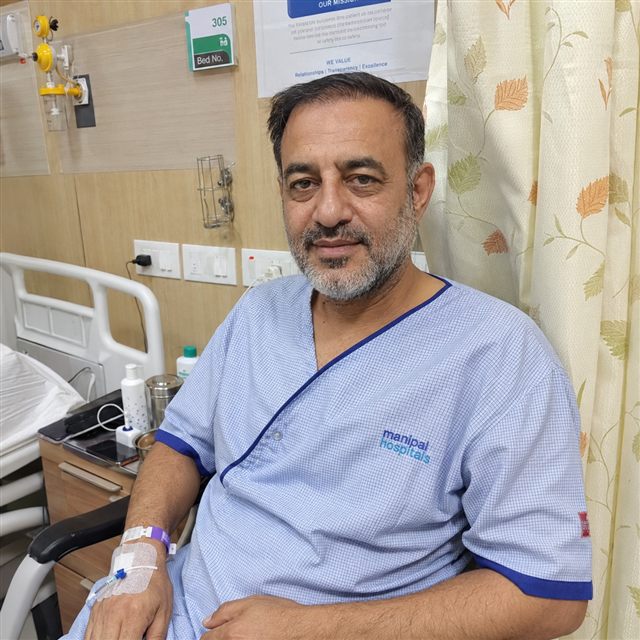
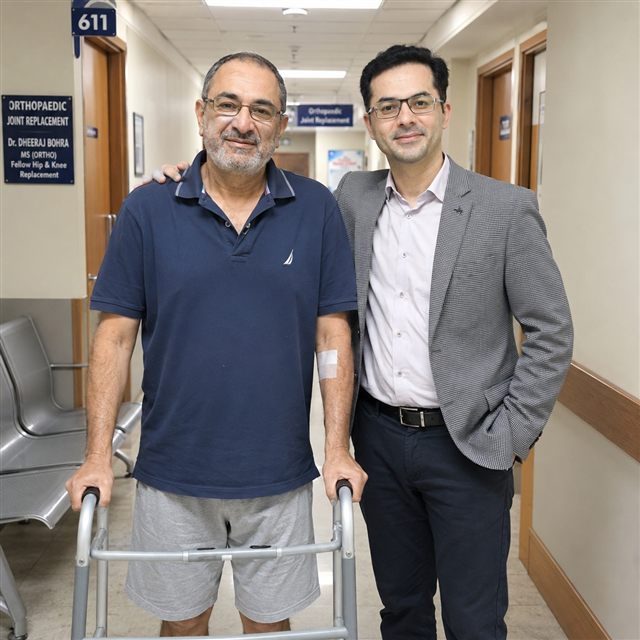
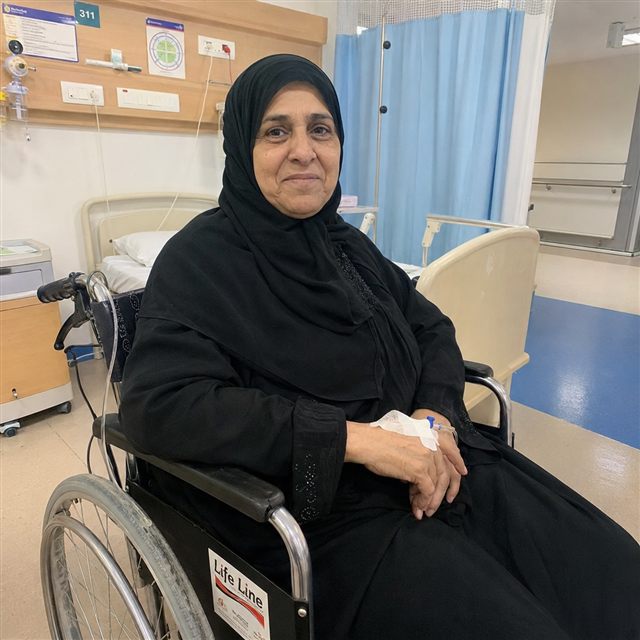
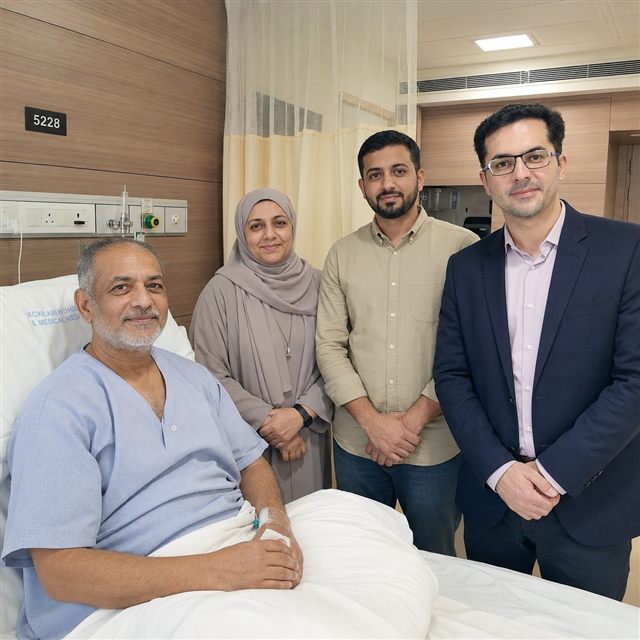
Patient Testimonials from Oman
Ready to Take the First Step?
Share your Medical Reports with our Healthcare Managers Today and Get a FREE CONSULTATION, a Personalized Treatment Plan, and Complete Support from Arrival to Recovery.
Get Your Free ConsultationAreas We Serve
Indian Health Guru Consultants proudly assists patients from Oman and surrounding Middle Eastern countries in accessing advanced, affordable and trusted medical treatment in India. Our team provides complete support for medical opinions, hospital selection, treatment planning, visa assistance, travel coordination, accommodation and post-treatment follow-up.
We regularly serve patients from:
- Oman
- Turkey
- Iran
- Kuwait
- Jordan
- Syria
- Qatar
- Bahrain
- Yemen
- Iraq
- Saudi Arabia
- United Arab Emirates
No matter where you are located, our experienced team is committed to making your medical journey to India safe, smooth, transparent and stress-free from the first enquiry to your return home.
From Oman to India: Your Complete Patient Guide
- Weight Loss and Bariatric Surgery in India for Omanis: Cost & Guide
- Brain Tumor Surgery in India for Omanis: Cost & Guide
- Cancer Treatment in India for Omanis: Cost & Guide
- Cardiac Surgery in India for Omanis: Cost & Guide
- Breast Cancer Treatment in India for Omanis: Cost & Guide
- Neurosurgery in India for Omanis: Cost & Guide
- Spine Surgery in India for Omanis: Cost & Guide
- Bone Marrow Transplant in India for Omanis: Cost & Guide
- Kidney Transplant in India for Omanis: Cost & Guide
- Best Dentists and Clinics for Dental Surgery in India for Omani Patients
- Best Doctors and Hospitals for Blood Cancer Treatment in India for Omani Patients
- Best Bone Marrow Transplant Doctors and Hospitals in India for Omani Patients
- Best IVF and Fertility Doctors and Hospitals in India for Omani Couples
- Best Bariatric Surgeons and Hospitals for Weight Loss Surgery in India for Omani Patients
- Best Brain Tumor Surgery Doctors and Hospitals in India for Omani Patients
- Best Cardiac Surgeons and Hospitals in India for Omani Patients
- Best Colorectal Cancer Surgeons and Hospitals in India for Omani Patients
- Best Surgeons and Hospitals for Complex Joint Revision Surgery in India for Omani Patients