

Heart Failure Treatment and Surgery in India for Omanis: A Doctor’s Guide to Making the Right Decision
A practical guide for Omani patients covering advanced heart failure treatment, LVAD implantation, transplant pathways, costs, recovery, device care and long-term follow-up.
Heart failure is one of the most misunderstood terms in cardiology — it does not mean the heart has stopped, but that it can no longer pump blood as effectively as the body needs. For most patients, this is managed for years with medication and lifestyle changes. But for a smaller group whose heart failure has progressed despite optimal medical therapy, surgical options become part of the conversation. Over 24 years of advising Gulf patients on advanced cardiac care, I want to walk Omani families through what these options genuinely involve, because this is an area where expectations often need careful, honest management. Oman's hospitals, including Apollo Hospital Muscat, Badr Al Samaa, Aster Al Raffah, and Burjeel Medical Centre, provide heart failure management and cardiology consultation, and are the right starting point for diagnosis and initial treatment. This guide is written to help Omani patients understand, honestly and without sales pressure, when heart failure moves from a medication-managed condition to a surgical one, and what to check carefully before deciding where to pursue advanced treatment.
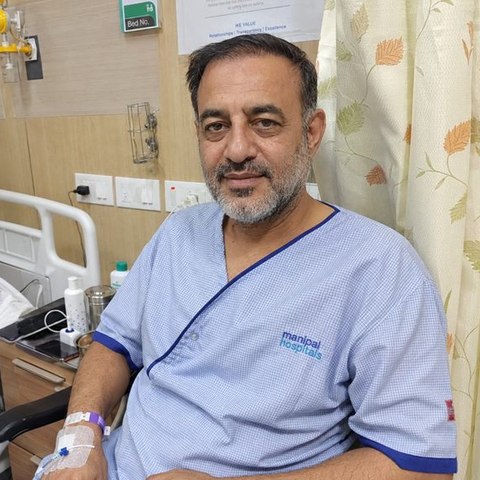
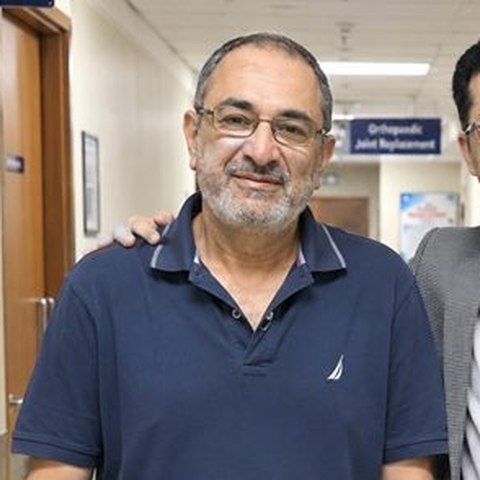
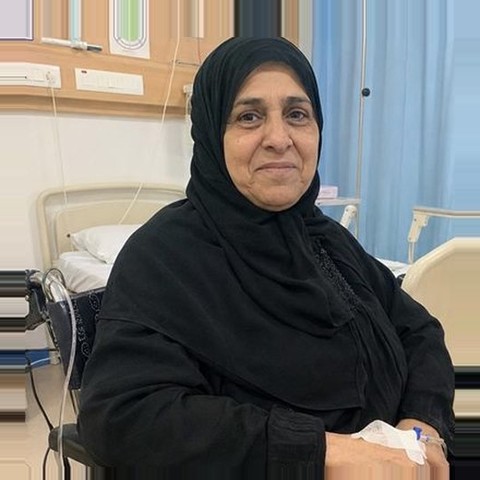
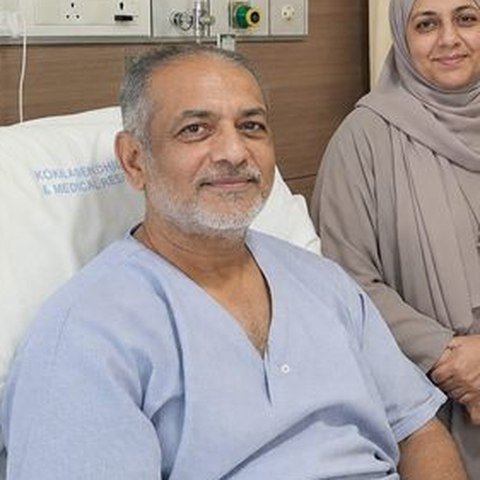
Healing Journeys of Omani Patients


Key Takeaways
- Most people with heart failure are managed with medication, lifestyle changes and, in some cases, device therapy. Surgical treatment becomes relevant mainly when advanced or end-stage heart failure continues despite optimal medical management.
- For selected patients with advanced heart failure, an LVAD can support the weakened heart by helping circulate blood. The guide distinguishes bridge-to-transplant therapy from destination therapy, because this decision significantly affects the patient's long-term treatment pathway.
- India's major cardiac centres in Delhi, Chennai, Mumbai and Bengaluru offer advanced heart failure programmes with dedicated specialists, cardiac surgeons and multidisciplinary evaluation. The guide also highlights current-generation LVAD technology and structured device-training programmes.
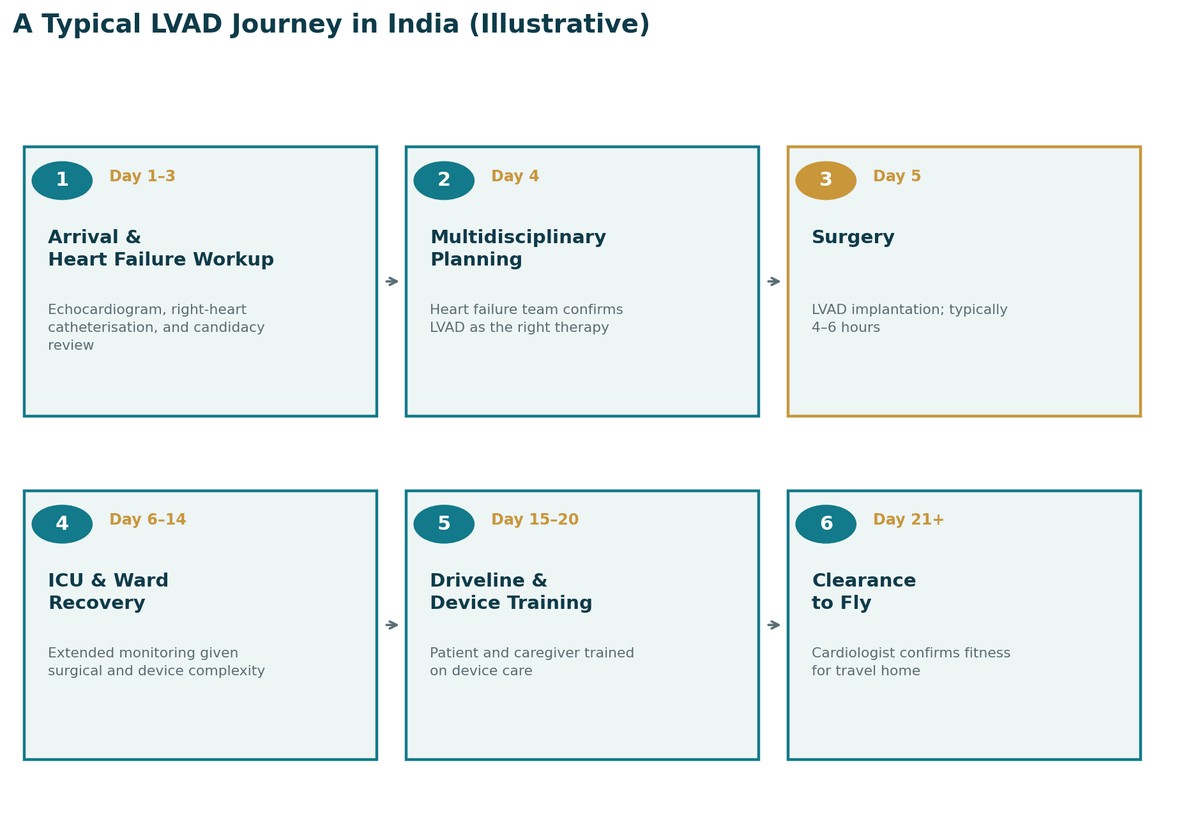
- The page 2 LVAD journey diagram illustrates an approximately three-week or longer pathway: heart-failure work-up during days 1–3, multidisciplinary planning on day 4, LVAD implantation on day 5, ICU and ward recovery through days 6–14, driveline and device training during days 15–20, and clearance to fly from day 21 onward.
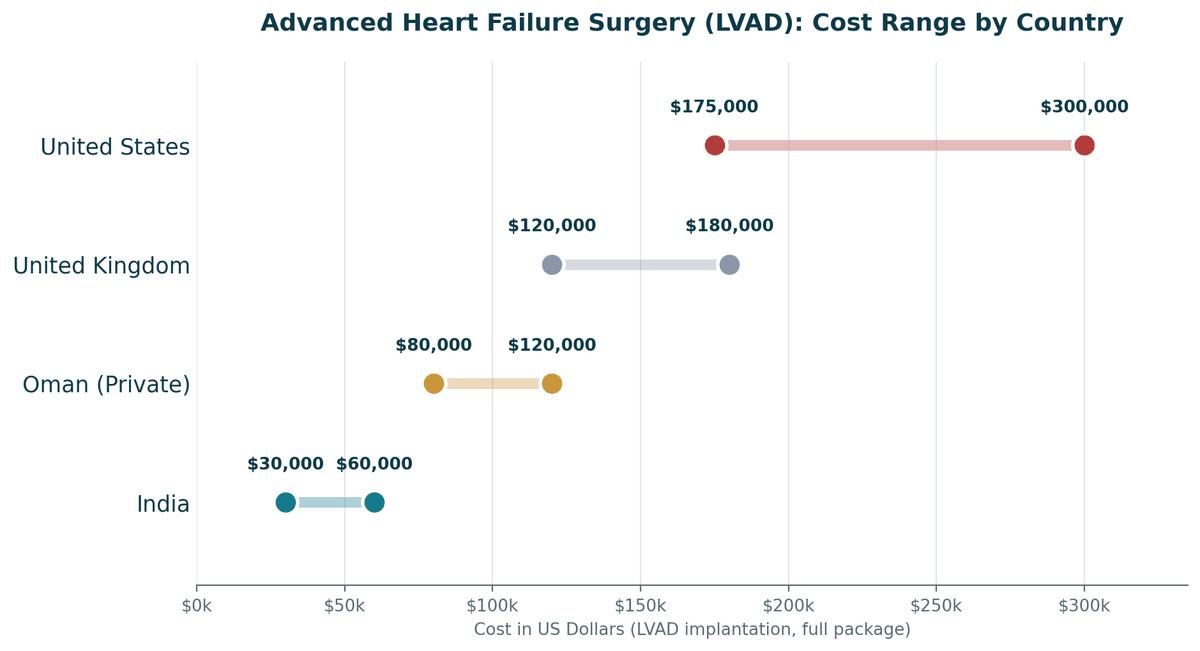
- The page 3 cost chart and table gives an approximate LVAD implantation cost of US$30,000–60,000 in India, compared with US$80,000–120,000 in private Oman, US$120,000–180,000 in the UK and US$175,000–300,000+ in the United States.
- LVAD treatment is not a one-time expense. The guide stresses that driveline supplies, device checks and potential complications can create continuing costs for as long as the device remains implanted.
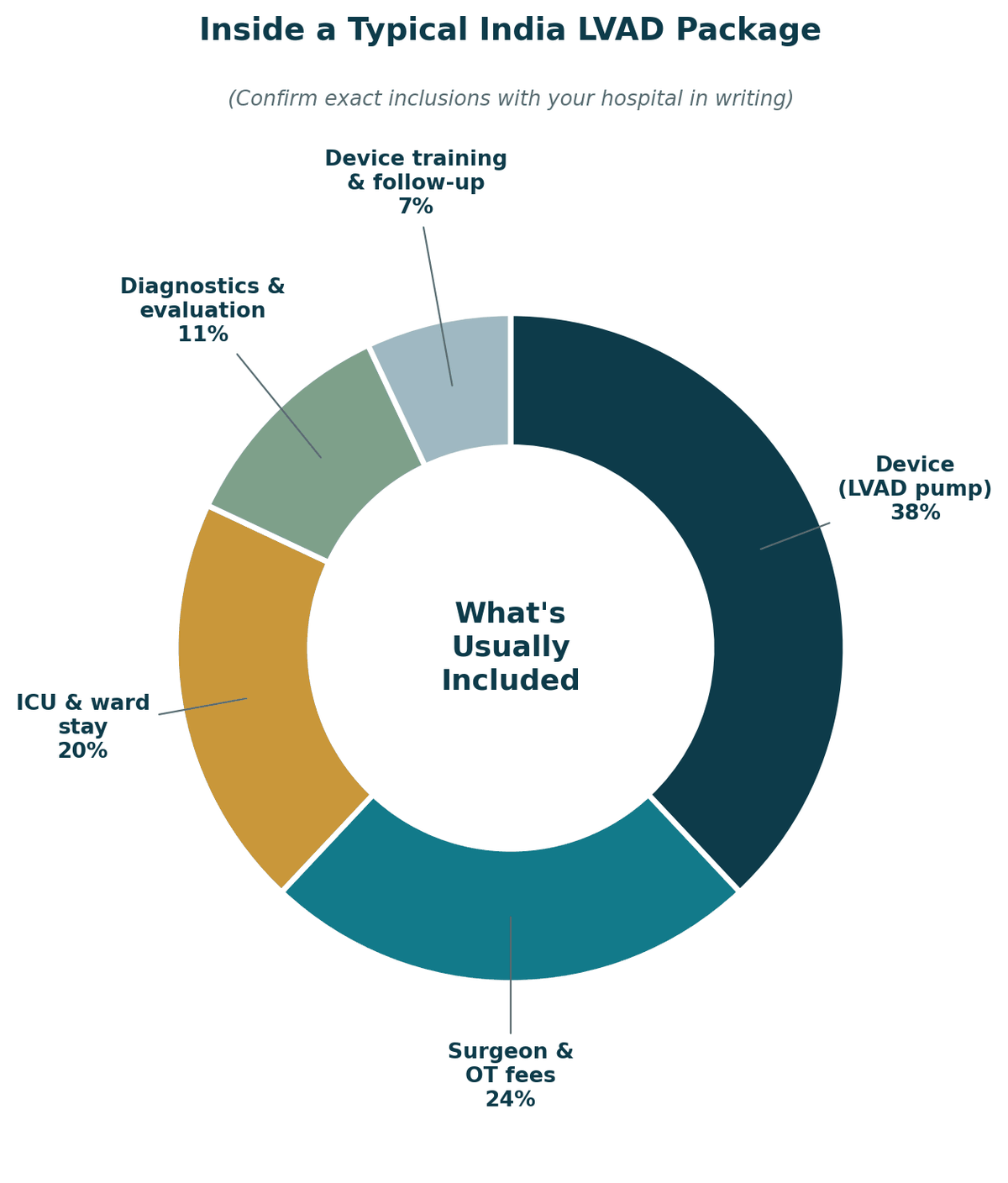
- The page 4 package graphic shows an illustrative India LVAD package with the device at 38%, surgeon and OT fees at 24%, ICU and ward stay at 20%, diagnostics and evaluation at 11%, and device training and follow-up at 7%. Exact package inclusions should be confirmed in writing.
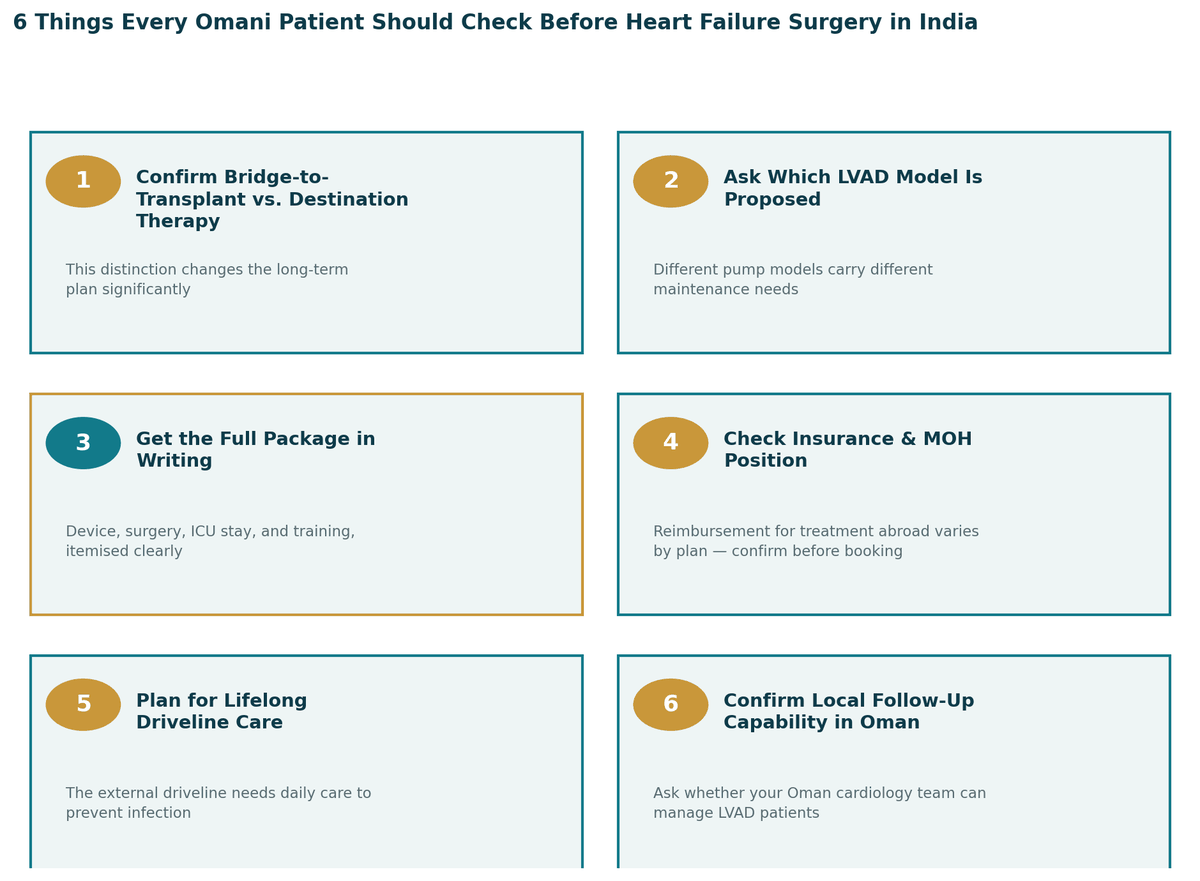
- The page 5 checklist emphasises confirming the bridge-to-transplant or destination-therapy pathway, identifying the proposed LVAD model, obtaining a complete itemised quotation, checking Omani insurance and Ministry of Health requirements, learning lifelong driveline care and confirming that an Oman-based cardiology team can provide long-term LVAD management.
Quick Facts
- Treatment
- Advanced heart failure treatment and surgery
- Primary Patients
- Omani patients with advanced or end-stage heart failure
- Main Surgical Option
- Left ventricular assist device (LVAD) implantation
- Other Advanced Option
- Heart transplantation for eligible patients
- LVAD Purpose
- Bridge-to-transplant or destination therapy
- Key Specialist Team
- Heart failure specialist, cardiac surgeon and multidisciplinary cardiac team
- Main India Cities
- Delhi, Chennai, Mumbai and Bengaluru
- India LVAD Cost
- US$30,000–60,000
- Oman Private Cost
- US$80,000–120,000
- UK Private Cost
- US$120,000–180,000
- US Cost
- US$175,000–300,000+
- Typical India Journey
- Day 1–21+ in the illustrated pathway
- Surgery Duration
- Approximately 4–6 hours for LVAD implantation
- Recovery
- Extended ICU and ward monitoring after surgery
- Device Training
- Driveline care and device management training before discharge
- Long-Term Care
- Lifelong device monitoring, driveline care and specialist follow-up
- Package Breakdown
- LVAD device 38%, surgeon/OT fees 24%, ICU and ward stay 20%, diagnostics and evaluation 11%, device training and follow-up 7%
- Device Check
- Confirm the specific LVAD model and its maintenance requirements
- Transplant Check
- Establish whether treatment is bridge-to-transplant or destination therapy
- Local Follow-Up
- Confirm LVAD management capability with the cardiology team in Oman
- Insurance
- Check Omani insurance or employer reimbursement before travel
- Ministry of Health
- Clarify the applicable overseas-treatment position before booking
- Cost Check
- Confirm ongoing supplies, device checks and follow-up costs in addition to the initial package
- Author
- Dr. Dheeraj Bojwani
- Experience
- 24+ Years
In Brief
Advanced heart failure treatment in India may provide selected Omani patients with access to LVAD implantation and multidisciplinary heart failure care when medication and other treatments are no longer sufficient. The guide explains two major LVAD pathways: bridge to transplant and destination therapy, with the distinction affecting long-term planning. India is presented with an approximate LVAD implantation cost of US$30,000–60,000, compared with US$80,000–120,000 in private Oman. The treatment pathway can extend beyond three weeks and includes surgery, ICU recovery, device training and clearance to travel. Because LVAD therapy requires lifelong driveline care, device monitoring and specialist follow-up, establishing an LVAD-capable cardiology team in Oman before travelling is considered essential.
Understanding When Heart Failure Becomes a Surgical Question
The overwhelming majority of heart failure patients are managed successfully with medication, lifestyle changes, and sometimes a pacemaker-type device. Surgical options become relevant for a smaller group with advanced, or “end-stage,” heart failure that has not responded adequately to optimal medical therapy. For these patients, a left ventricular assist device, or LVAD — a mechanical pump that helps a weakened heart circulate blood — is one of the most significant treatment options available, alongside heart transplantation for eligible candidates.
LVADs serve two distinct purposes that are important to distinguish. As “bridge to transplant” therapy, the device supports a patient while they wait for a suitable donor heart to become available. As “destination therapy,” it is used long-term for patients who are not candidates for transplant, effectively becoming their ongoing treatment. Which category applies to a specific patient significantly shapes the entire treatment plan and what the years ahead will look like, and it is a distinction every patient and family should understand clearly before proceeding.
What Makes India a Serious Option for Advanced Heart Failure Care
India's leading cardiac centres, concentrated in Delhi, Chennai, Mumbai, and Bengaluru, have developed genuine expertise in LVAD implantation and advanced heart failure management, supported by dedicated heart failure specialists who work alongside cardiac surgeons to determine whether device therapy, transplant listing, or continued medical management is the right path for a specific patient. This multidisciplinary evaluation is central to good outcomes in advanced heart failure, where the wrong choice of therapy carries real consequences.
India also gives patients access to current-generation LVAD technology from major international manufacturers, and to structured driveline care and device training programmes essential for patients who will be living with an implanted device long-term. And because Indian hospitals have spent two decades building international cardiac care pathways for Gulf and African patients, Omani patients arrive to Arabic-speaking coordinators and a well-tested process for reviewing cardiac history before travel is even booked.
This is genuinely advanced, high-stakes therapy, and it is not the right path for every heart failure patient. It means that for the smaller group of patients whose condition has progressed to this point, a centre with real, specific experience in device selection, implantation, and long-term device management deserves serious consideration.
Cost Comparison: India vs. Oman vs. Western Countries
The figures below use LVAD implantation as the representative benchmark for advanced surgical heart failure therapy, in approximate US dollars, for a full package at an accredited private hospital. Heart transplantation, where applicable, involves a different and generally longer process shaped heavily by donor organ availability.
| Destination | Typical Cost (LVAD Implantation) | What This Usually Includes |
|---|---|---|
| India | US $30,000 – $60,000 | Device, surgeon and OT fees, ICU and ward stay, and device training |
| Oman (private) | US $80,000 – $120,000 | Where available; varies by hospital and device model |
| United Kingdom (private) | US $120,000 – $180,000 | Device and surgery; ongoing device management often billed separately |
| United States | US $175,000 – $300,000+ | Initial hospitalisation alone; first-year costs including readmissions often run considerably higher |
A few honest caveats specific to advanced heart failure therapy. First, an LVAD is not a one-time expense — ongoing driveline supplies, periodic device checks, and potential complications carry real long-term costs that continue for as long as the device remains in place, wherever you live. Second, confirm clearly whether you are being evaluated as a bridge-to-transplant or destination-therapy candidate, since this fundamentally changes the long-term plan and, in the case of transplant candidacy, involves a separate and complex process shaped by donor availability. Third, ask directly and specifically whether your cardiology team in Oman has the capability to manage LVAD patients long-term, since this device requires ongoing specialist follow-up that must be genuinely available close to home.
What a Typical Omani Patient Should Weigh Before Deciding Heart Failure Surgery in India
Having guided patients through this exact decision for 24 years, here is what I encourage every Omani family to work through before committing to a hospital:
- Understand clearly whether this is bridge-to-transplant or destination therapy. Send your full cardiac history to an independent heart failure specialist in India before committing. This distinction shapes the entire path ahead.
- Ask which specific LVAD model is being proposed. Different pump models carry different maintenance requirements and long-term considerations.
- Get the full package itemised in writing. Device cost, surgery, ICU stay, and training should each be clear, along with what ongoing supplies and follow-up visits will cost.
- Check your insurance and Ministry of Health position. Some Omani insurance plans and employer health schemes offer partial reimbursement for treatment abroad; others do not cover it at all, and this is genuinely expensive, ongoing therapy. Clarify this before you travel, not after.
- Plan for lifelong, disciplined driveline care. The external driveline connecting the device requires daily care to prevent infection. Confirm you and a family member receive thorough hands-on training before discharge.
- Confirm your cardiology team in Oman can manage an LVAD patient long-term. This is not optional. Establish this relationship before you travel, not after you return home with a device already implanted.
A Concluding Perspective
Advanced heart failure therapy asks a great deal of a patient and their family — not just during surgery, but every single day afterward, in the discipline of device care and the vigilance of ongoing monitoring. For the right patient, it genuinely extends and improves life in ways medication alone cannot. But the decision to pursue it deserves the same weight as the therapy itself: a clear-eyed understanding of what daily life will look like, and a realistic plan for who will support that life once you are home in Oman. A thorough, honest conversation with a heart failure specialist about your specific prognosis and options is the right starting point, wherever that conversation ultimately leads.
Sources & Further Reading
- National Heart, Lung, and Blood Institute (NHLBI), National Institutes of Health — Heart Failure (nhlbi.nih.gov)
- MedlinePlus, U.S. National Library of Medicine (NIH) — Ventricular Assist Device (medlineplus.gov)
- American Heart Association (AHA), non-profit organization — Heart Failure Tools and Resources (heart.org)
- NHS (UK National Health Service) — Heart Failure (nhs.uk)
- PubMed, National Library of Medicine (NIH) — Cost-Effectiveness of Left Ventricular Assist Devices in Advanced Heart Failure (pubmed.ncbi.nlm.nih.gov)
Frequently Asked Questions by Omani Patients about Heart Failure Treatment and Surgery in India
When might an Omani patient need advanced heart failure surgery in India?
The guide explains that most heart failure is managed medically. Advanced surgery or LVAD therapy becomes relevant for a smaller group with advanced or end-stage heart failure that has not responded adequately to optimal medical treatment.
What is an LVAD and why might an Omani patient need one?
An LVAD is a mechanical pump that helps a weakened heart circulate blood. It may be used as bridge-to-transplant therapy or as destination therapy for patients who are not candidates for transplantation.
How much does LVAD surgery cost in India for Omani patients?
The guide gives an approximate India cost of US$30,000–60,000 for an LVAD implantation package. This compares with US$80,000–120,000 in private Oman.
How does LVAD cost in India compare with treatment in Oman?
The representative India range is US$30,000–60,000, while private Oman is listed at approximately US$80,000–120,000. Final costs depend on the device, hospital, patient complexity and package inclusions.
How long might an Omani patient stay in India after LVAD surgery?
The illustrated pathway extends to day 21 or later. It includes pre-operative work-up, surgery, ICU and ward recovery, device training and cardiology clearance before flying home.
What is the difference between bridge-to-transplant and destination therapy for an Omani patient?
Bridge-to-transplant means the LVAD supports the patient while waiting for a suitable donor heart. Destination therapy means the LVAD becomes long-term treatment when transplantation is not an appropriate option.
What does an Omani patient need to learn before returning home with an LVAD?
The guide stresses lifelong driveline care and hands-on device training. The patient and a family member should understand daily care and infection prevention before discharge from the Indian hospital.
Can an Omani cardiologist manage the patient after LVAD surgery in India?
This must be confirmed before travelling. The guide considers long-term LVAD management capability in Oman essential because device monitoring, driveline care and management of complications continue after returning home.
What should be included in an LVAD treatment package for an Omani patient?
The representative India package includes the LVAD device, surgeon and OT fees, ICU and ward stay, diagnostics and evaluation, plus device training and follow-up. Ongoing supplies and future device-management costs should also be discussed.
What should an Omani patient check before choosing LVAD surgery in India?
Confirm the exact treatment pathway, proposed LVAD model, complete package cost, insurance and Ministry of Health position, lifelong driveline-care requirements and the availability of an LVAD-capable cardiology team in Oman before travelling.
Page Summary
This six-page guide explains when advanced heart failure may move from medication-based management to surgical or device-based treatment for Omani patients considering care in India. It focuses primarily on LVAD implantation and the distinction between bridge-to-transplant and destination therapy. The page 2 journey diagram illustrates the pathway from heart-failure work-up through LVAD surgery, ICU recovery, device training and clearance to fly. The page 3 cost chart compares India at US$30,000–60,000 with private Oman at US$80,000–120,000. Page 4 breaks down the representative LVAD package, while page 5 provides six essential checks covering treatment pathway, device model, costs, insurance and Ministry of Health requirements, lifelong driveline care and follow-up capability in Oman.
Citation Block
| Field | Details |
|---|---|
| Article / Topic | Heart Failure Treatment and Surgery in India |
| Country / Patients | India / Omani Patients |
| Main Treatment | Advanced heart failure treatment and LVAD implantation |
| Other Advanced Option | Heart transplantation for eligible patients |
| Key Specialist Team | Heart Failure Specialist, Cardiac Surgeon and Multidisciplinary Team |
| Main India Cities | Delhi, Chennai, Mumbai and Bengaluru |
| LVAD Purpose | Bridge-to-transplant or destination therapy |
| Patient Selection | Advanced/end-stage heart failure despite optimal medical therapy |
| LVAD Function | Mechanical pump supporting circulation from a weakened heart |
| India Cost | US$30,000–60,000 |
| Oman Private Cost | US$80,000–120,000 |
| UK Private Cost | US$120,000–180,000 |
| US Cost | US$175,000–300,000+ |
| Typical Journey | Day 1–21+ in the illustrated pathway |
| Surgery Time | Approximately 4–6 hours |
| Recovery | Extended ICU and ward monitoring |
| Package Components | Device, surgeon/OT, ICU/ward stay, diagnostics and device training |
| Package Breakdown | Device 38%, surgeon/OT 24%, ICU/ward 20%, diagnostics 11%, training/follow-up 7% |
| Long-Term Cost | Driveline supplies, device checks and potential complications continue after implantation |
| Device Check | Confirm the exact LVAD model and maintenance requirements |
| Local Follow-Up | Confirm LVAD management capability with an Oman cardiology team |
| Insurance / MOH | Verify overseas-treatment reimbursement before travel |
| Key Selection Criterion | Specific LVAD experience plus reliable long-term follow-up |
| Important Warning | LVAD is not a one-time treatment; lifelong device care and specialist monitoring are required |


Our Mission Statement
Our mission is to place patients at the centre of every healthcare decision by providing trustworthy, evidence-based, and unbiased medical information. We believe that informed patients make better decisions. Backed by personalised guidance from our experienced advisory team, we help patients understand their treatment options, compare them objectively, and confidently choose the path that best suits their medical needs and personal circumstances.
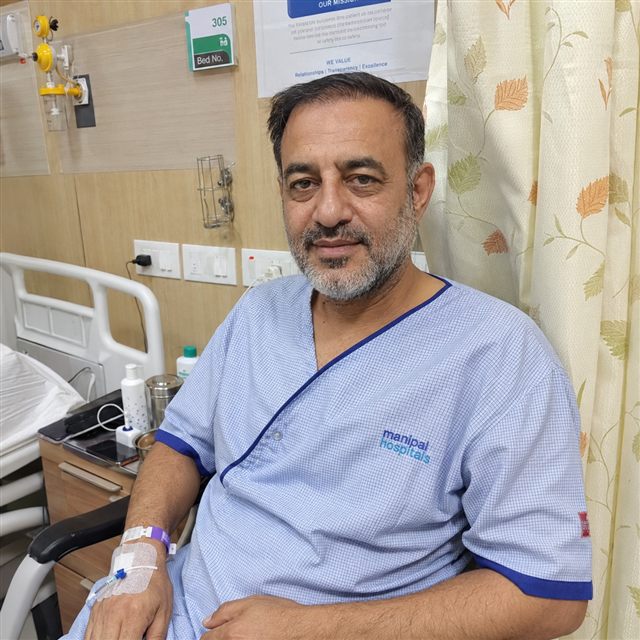
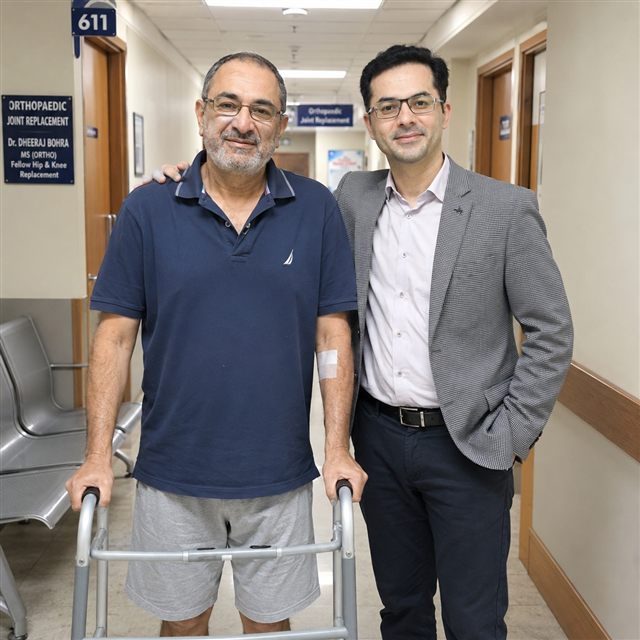
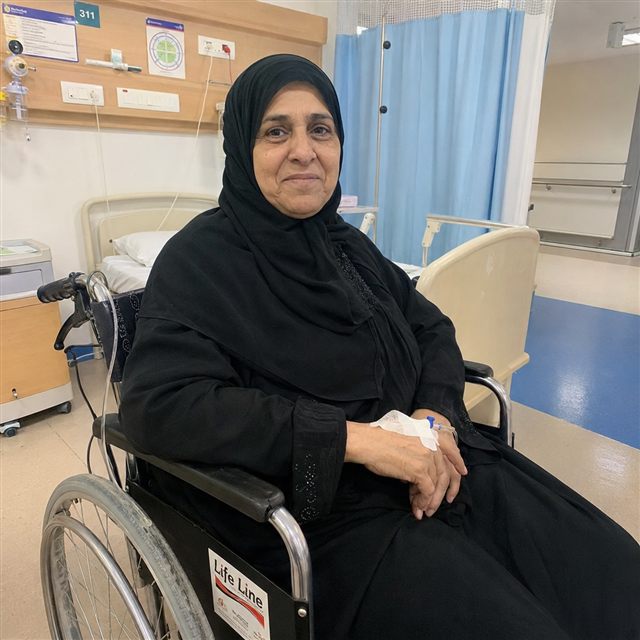
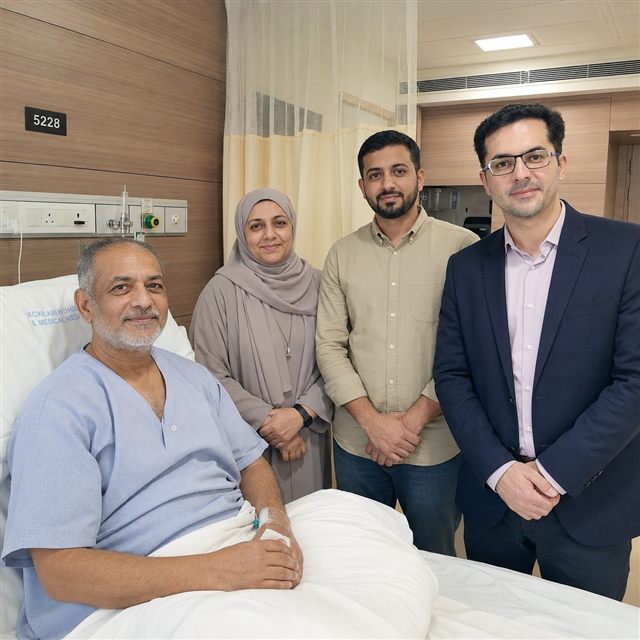
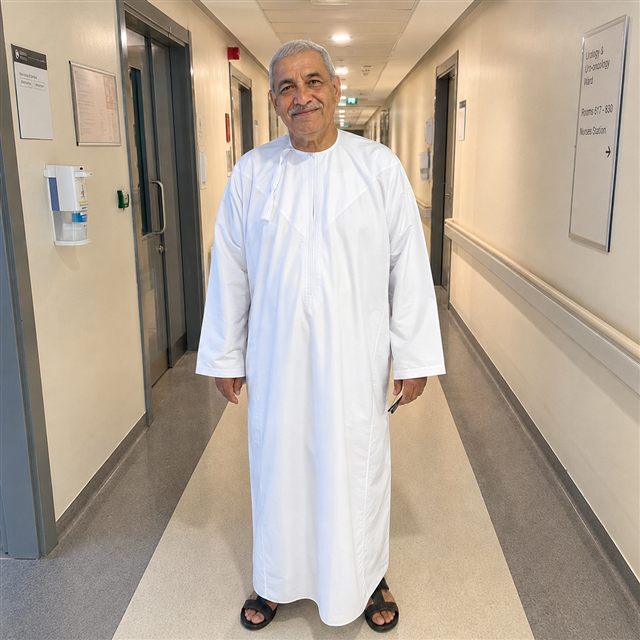
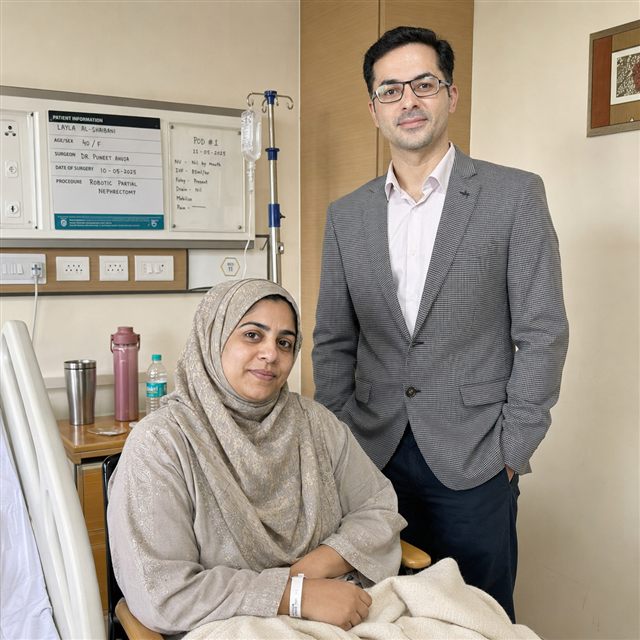
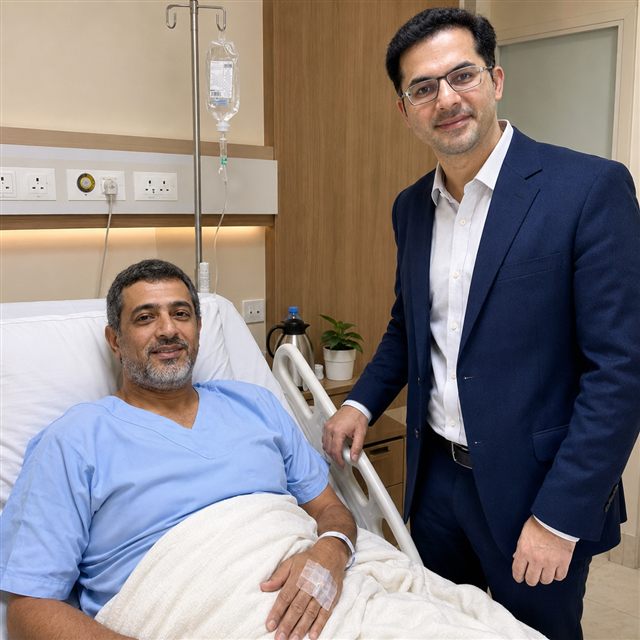
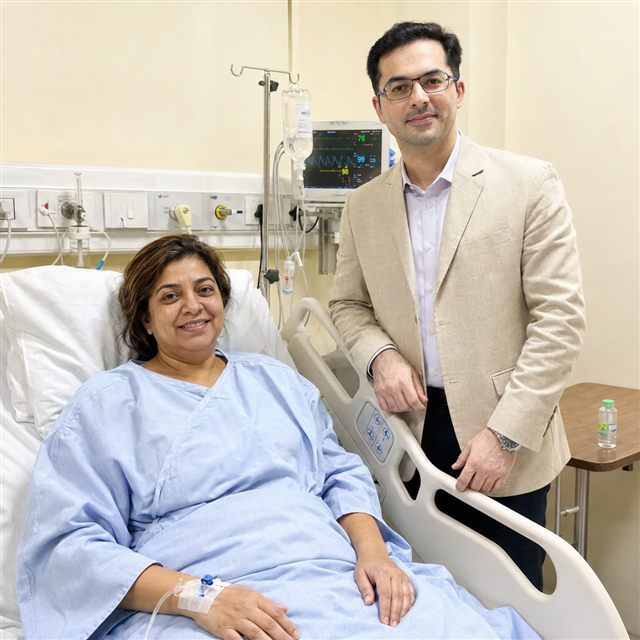
Patient Testimonials from Oman


Ready to Take the First Step?
Share your Medical Reports with our Healthcare Managers Today and Get a FREE CONSULTATION, a Personalized Treatment Plan, and Complete Support from Arrival to Recovery.
Get Your Free ConsultationAreas We Serve
Indian Health Guru Consultants proudly assists patients from Oman and surrounding Middle Eastern countries in accessing advanced, affordable and trusted medical treatment in India. Our team provides complete support for medical opinions, hospital selection, treatment planning, visa assistance, travel coordination, accommodation and post-treatment follow-up.
We regularly serve patients from:
- Oman
- Turkey
- Iran
- Kuwait
- Jordan
- Syria
- Qatar
- Bahrain
- Yemen
- Iraq
- Saudi Arabia
- United Arab Emirates
No matter where you are located, our experienced team is committed to making your medical journey to India safe, smooth, transparent and stress-free from the first enquiry to your return home.
From Oman to India: Your Complete Patient Guide
- Weight Loss and Bariatric Surgery in India for Omanis: Cost & Guide
- Brain Tumor Surgery in India for Omanis: Cost & Guide
- Cancer Treatment in India for Omanis: Cost & Guide
- Cardiac Surgery in India for Omanis: Cost & Guide
- Breast Cancer Treatment in India for Omanis: Cost & Guide
- Neurosurgery in India for Omanis: Cost & Guide
- Spine Surgery in India for Omanis: Cost & Guide
- Bone Marrow Transplant in India for Omanis: Cost & Guide
- Kidney Transplant in India for Omanis: Cost & Guide
- Best Dentists and Clinics for Dental Surgery in India for Omani Patients
- Best Doctors and Hospitals for Blood Cancer Treatment in India for Omani Patients
- Best Bone Marrow Transplant Doctors and Hospitals in India for Omani Patients
- Best IVF and Fertility Doctors and Hospitals in India for Omani Couples
- Best Bariatric Surgeons and Hospitals for Weight Loss Surgery in India for Omani Patients
- Best Brain Tumor Surgery Doctors and Hospitals in India for Omani Patients
- Best Cardiac Surgeons and Hospitals in India for Omani Patients
- Best Colorectal Cancer Surgeons and Hospitals in India for Omani Patients
- Best Surgeons and Hospitals for Complex Joint Revision Surgery in India for Omani Patients