

Gamma Knife Treatment in India for Omanis: A Doctor’s Guide to Making the Right Decision
A practical guide for Omani patients covering Gamma Knife eligibility, suitable brain conditions, treatment sessions, costs, follow-up MRI and travel planning in India.
Of all the treatment options I discuss with Gulf families facing a brain lesion, Gamma Knife radiosurgery is often the one that generates the most questions — and the most confusion, because despite the name, no cutting is involved at all. Over 24 years of advising Omani and other Gulf patients on where and how to pursue this kind of treatment, I have found that once families understand what Gamma Knife actually is and is not, the decision becomes far clearer. Oman's hospitals, including Apollo Hospital Muscat, Badr Al Samaa, Aster Al Raffah, and Burjeel Medical Centre, offer neurology and neurosurgical consultation, though dedicated Gamma Knife platforms are not yet widely available across every Gulf hospital. This guide is written to help Omani patients understand, without sales pressure, what Gamma Knife adds, when it is the right choice over open surgery, and what to check carefully before travelling for it.
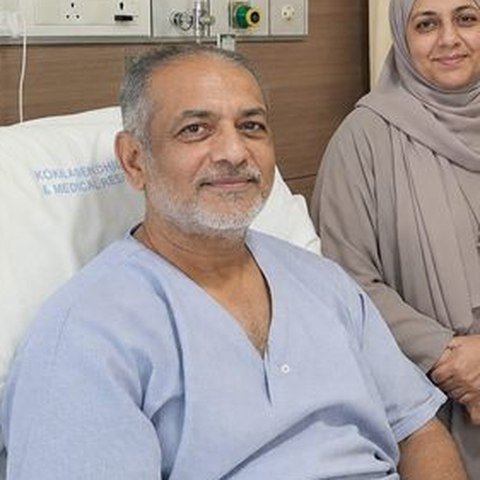
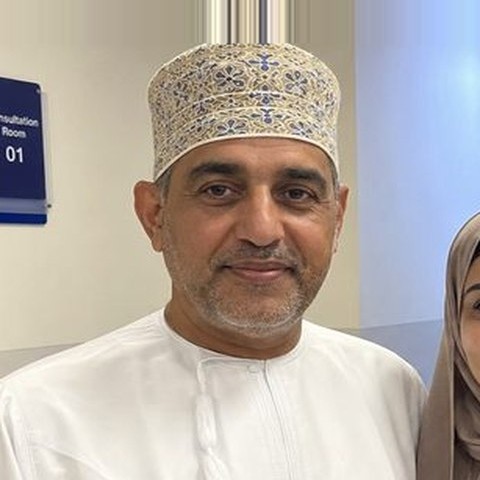
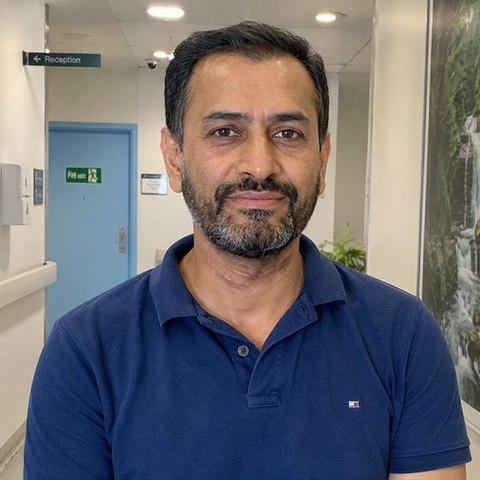
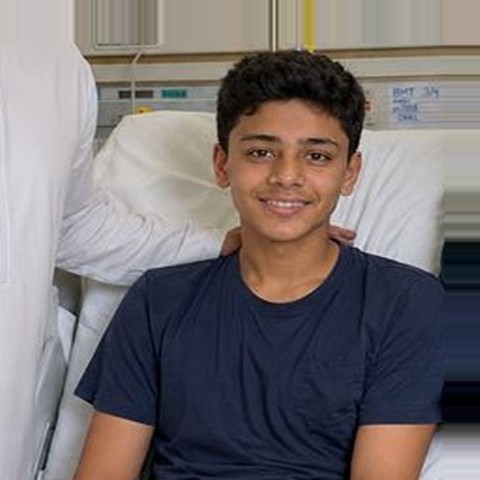
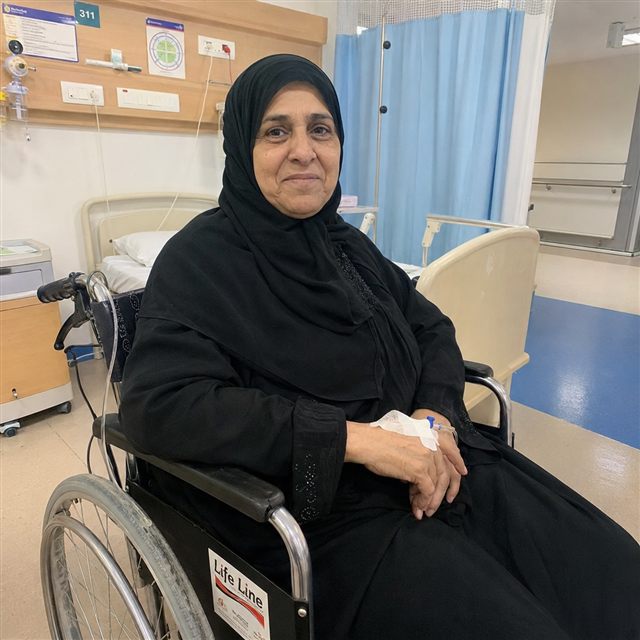
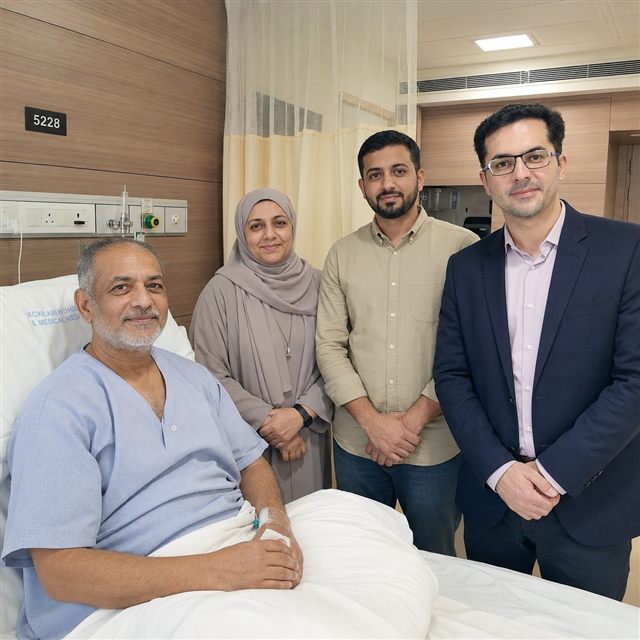
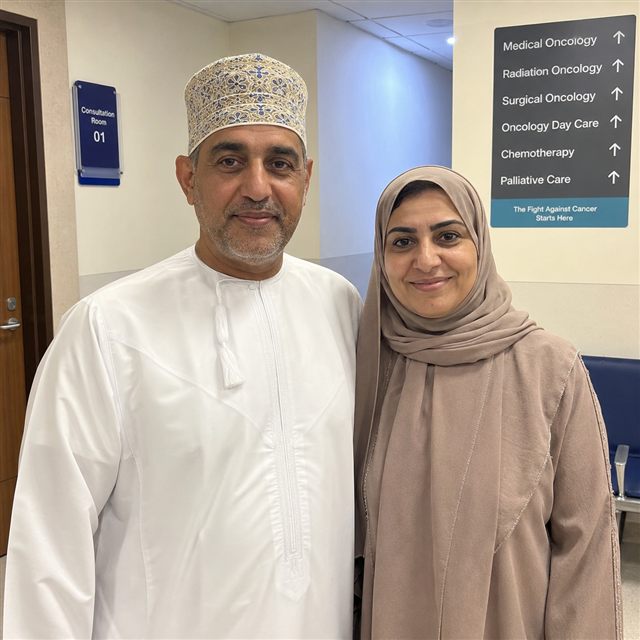
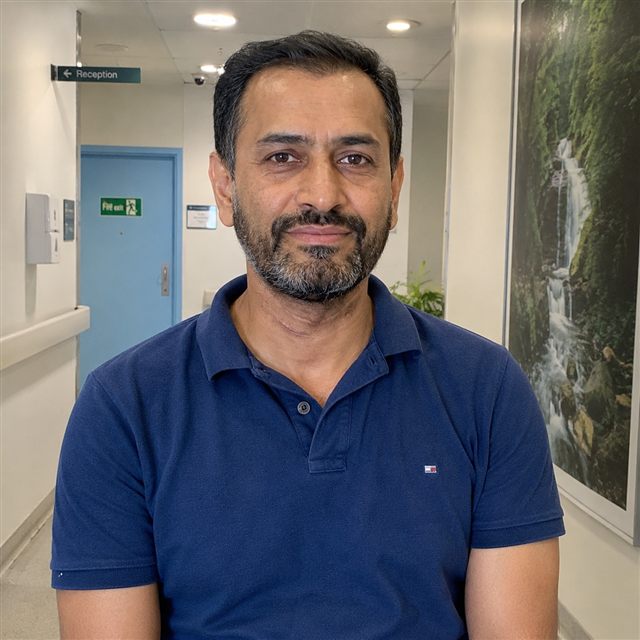
Healing Journeys of Omani Patients
Key Takeaways
- Gamma Knife is a form of stereotactic radiosurgery that uses approximately 192–201 focused gamma-ray beams to target a lesion inside the brain without an incision, skull-bone removal or general anaesthesia.
- It is commonly used for selected small-to-medium brain tumours, metastases, arteriovenous malformations, acoustic neuromas, trigeminal neuralgia and certain functional brain conditions. Larger lesions, significant swelling or cases requiring tissue sampling may still require open surgery.
- India's major neuroscience centres in Delhi, Mumbai, Chennai and Bengaluru offer current-generation Gamma Knife platforms, including Perfexion and ICON systems. The guide emphasises the importance of an experienced neurosurgical and medical-physics team rather than choosing a centre based only on technology.
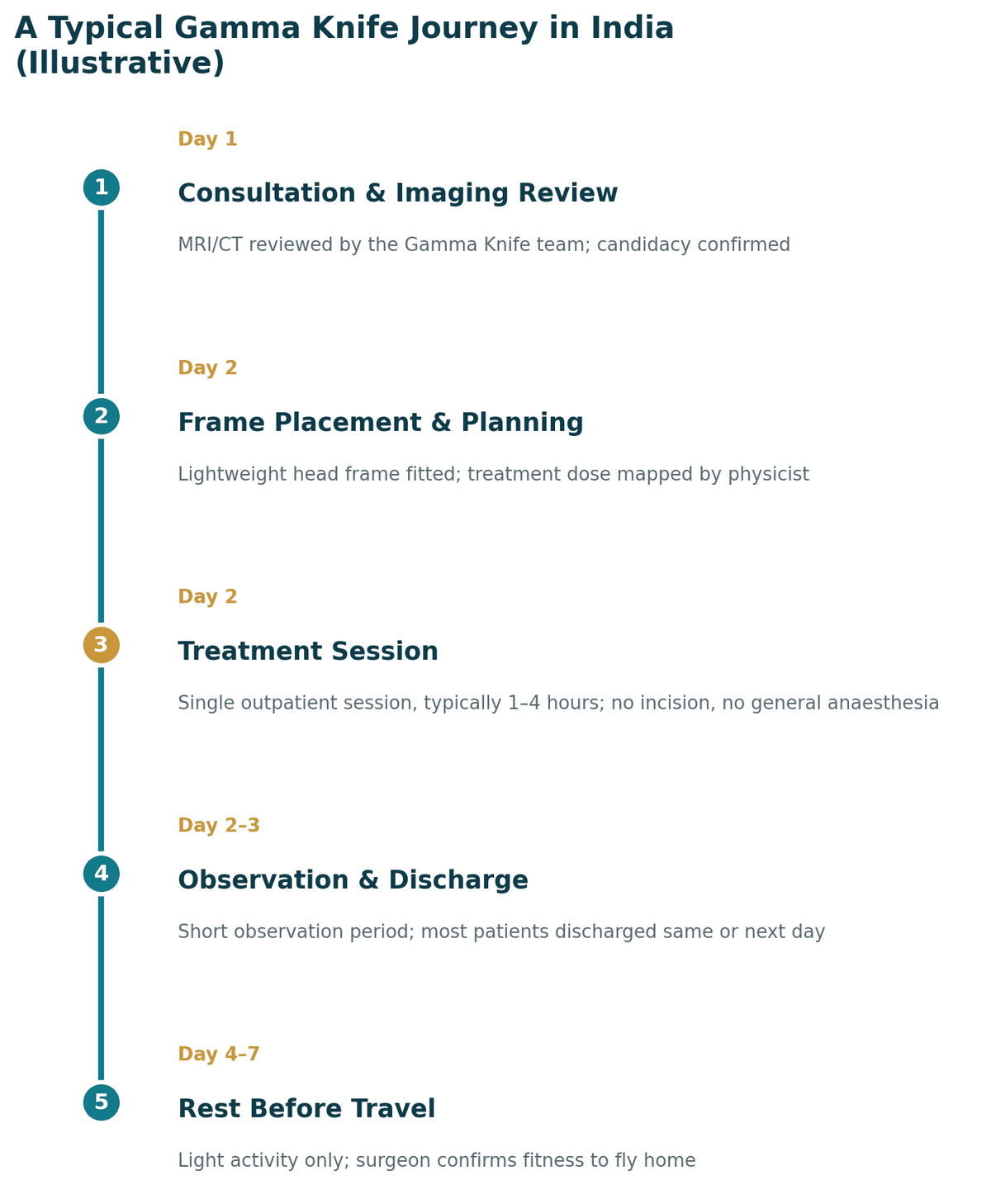
- The page 2 treatment pathway illustrates an approximately one-week journey, beginning with MRI/CT review on day 1, frame placement and planning on day 2, treatment on day 2, short observation and discharge on days 2–3, followed by rest and clearance to travel around days 4–7.
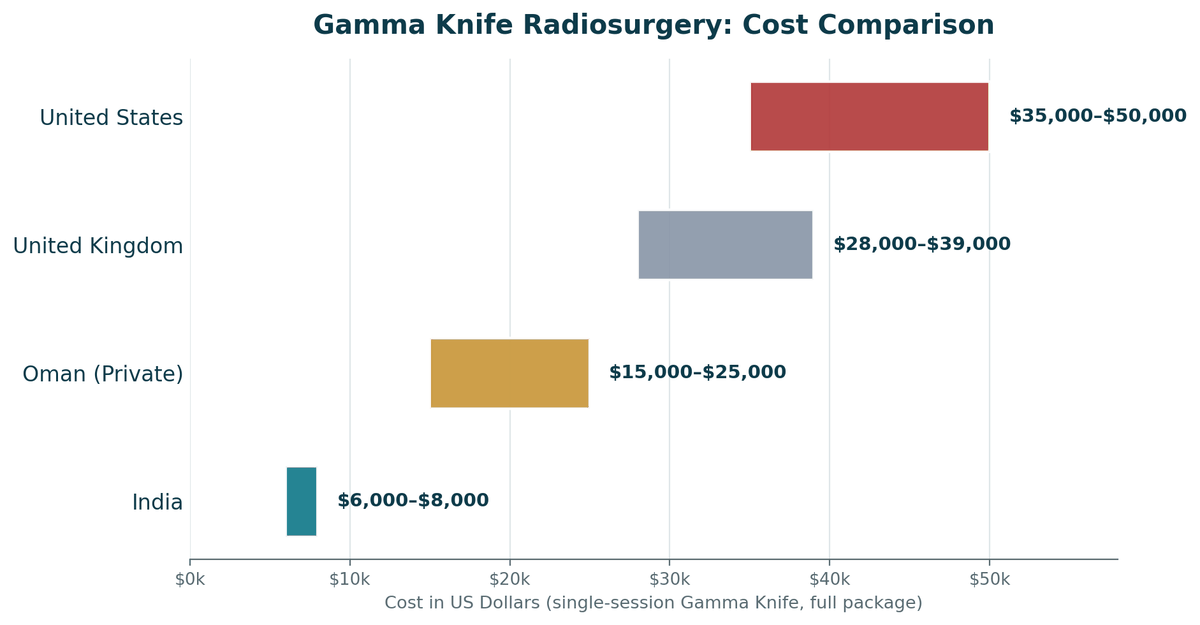
- The page 3 cost chart gives a representative single-session Gamma Knife package of US$6,000–8,000 in India, compared with US$15,000–25,000 in private Oman, US$28,000–39,000 in the UK and US$35,000–50,000 in the US.
- Some lesions may require staged or multiple sessions rather than a single treatment. The guide recommends confirming the expected number of sessions because this can materially change the overall cost and travel plan.
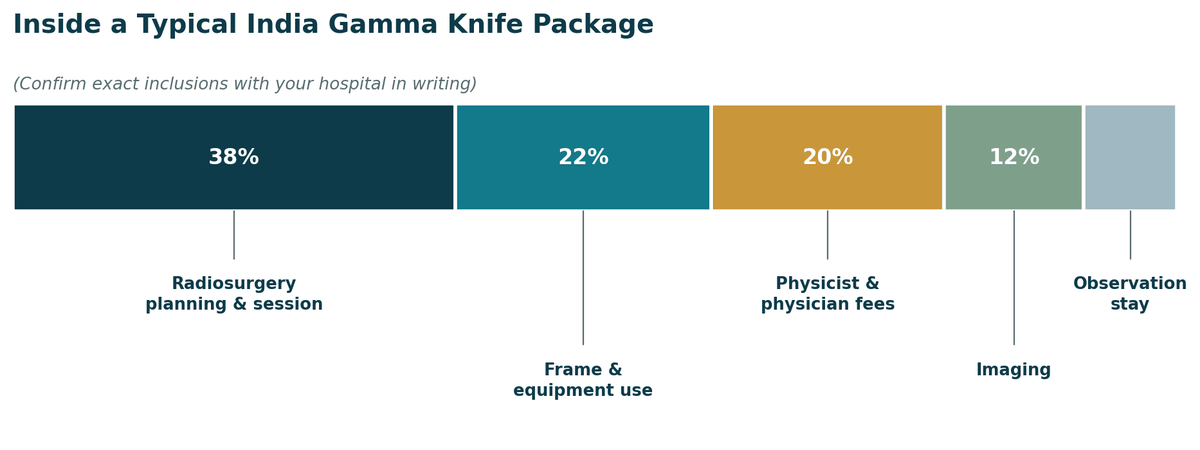
- The page 4 package graphic illustrates the main components of a typical India package: radiosurgery planning and session 38%, frame and equipment use 22%, physicist and physician fees 20%, imaging 12% and observation stay forming the remaining portion.
- Gamma Knife does not necessarily produce an immediate response. The guide explains that its effect develops gradually over months, making planned follow-up MRI scans important. Omani patients should arrange whether these scans can be performed in Oman and shared with the Indian treating team.
Quick Facts
- Treatment
- Gamma Knife stereotactic radiosurgery
- Primary Patients
- Omani patients considering Gamma Knife treatment in India
- Treatment Type
- Non-invasive, focused radiation treatment
- Main Conditions
- Selected brain tumours, metastases, AVMs, acoustic neuromas and trigeminal neuralgia
- Radiation Beams
- Approximately 192–201 focused gamma-ray beams
- Incision
- None
- General Anaesthesia
- Not typically required
- Typical Sessions
- Often one session, although some cases require multiple sessions
- Main India Cities
- Delhi, Mumbai, Chennai and Bengaluru
- Gamma Knife Systems
- Perfexion and ICON
- India Cost
- US$6,000–8,000 for a representative single-session package
- Oman Private Cost
- US$15,000–25,000
- UK Private Cost
- US$28,000–39,000
- US Cost
- US$35,000–50,000
- Typical India Journey
- Approximately 4–7 days in the illustrated pathway
- Key Specialist Team
- Neurosurgeon, radiation specialist and medical physicist
- Imaging
- MRI/CT review before treatment and MRI follow-up afterward
- Follow-Up
- Treatment response develops gradually over months
- Package Breakdown
- Planning and session 38%, frame and equipment use 22%, physicist and physician fees 20%, imaging 12%, observation stay the remainder
- Session Check
- Confirm whether treatment is single-session or staged
- Insurance
- Check Omani insurance or employer reimbursement before travel
- Ministry of Health
- Clarify the applicable overseas-treatment position before booking
- Visa
- Indian e-Medical Visa requires a hospital-linked invitation letter
- Author
- Dr. Dheeraj Bojwani
- Experience
- 24+ Years
In Brief
Gamma Knife treatment in India provides a non-invasive radiosurgery option for selected brain lesions and conditions. The guide explains that approximately 192–201 focused radiation beams can target a lesion without an incision or general anaesthesia, with treatment commonly completed in a single outpatient session. Suitable conditions include selected brain tumours, metastases, AVMs, acoustic neuromas and trigeminal neuralgia, while larger or diagnostically uncertain lesions may still require conventional surgery. India’s major neuroscience centres in Delhi, Mumbai, Chennai and Bengaluru offer current-generation Gamma Knife platforms. The guide gives a representative single-session India cost of US$6,000–8,000, with follow-up MRI monitoring required because treatment effects develop gradually.
What Gamma Knife Actually Is
Gamma Knife is a form of stereotactic radiosurgery — despite its name, it involves no incision, no removal of skull bone, and no general anaesthesia. Instead, roughly 192 to 201 precisely focused beams of gamma radiation converge on a single target inside the brain, delivering a high dose exactly at that point while sparing the surrounding healthy tissue. It is typically completed in a single outpatient session and is most commonly used for small to medium brain tumours (including metastases), arteriovenous malformations, acoustic neuromas, trigeminal neuralgia, and select functional brain conditions.
Gamma Knife is not a replacement for open surgery in every case. Larger tumours, those causing significant mass effect or swelling, or lesions requiring tissue sampling for diagnosis, generally still need conventional surgery. The right question is never “which is better,” but “which is right for this specific lesion, size, and location” — a question only a proper neuro-oncology review can answer.
What Makes India a Strong Option for Gamma Knife Treatment
India's leading neuroscience centres, concentrated in Delhi, Mumbai, Chennai, and Bengaluru, operate current-generation Gamma Knife platforms — the same Perfexion and ICON systems used in leading American and European centres — and have treated a very high volume of patients across the full range of Gamma Knife-suitable conditions. That volume matters because dose planning for radiosurgery is a genuinely specialised skill, refined by a medical physicist and neurosurgeon working together on case after case.
India also gives patients access to frameless, image-guided Gamma Knife platforms that improve comfort for patients needing multiple treatment sessions, alongside multidisciplinary tumour boards that confirm Gamma Knife is genuinely the right choice before treatment begins, rather than a default recommendation. And because Indian hospitals have spent two decades building international neuro-oncology programmes for Gulf and African patients, Omani families arrive to Arabic-speaking coordinators and a well-tested imaging-review and travel process.
This does not mean every lesion should travel for Gamma Knife. It means that where a hospital genuinely operates this technology at volume, with an experienced physicist and neurosurgical team, the outcomes and value proposition are compelling enough to warrant a serious look.
Cost Comparison: India vs. Oman vs. Western Countries
Because Gamma Knife is typically a single outpatient session rather than a multi-day inpatient stay, its cost structure looks different from open surgery — and the gap between India and Western countries is especially wide. Figures below are in approximate US dollars for a full package at an accredited private centre.
| Destination | Typical Cost (Single-Session Gamma Knife) | What This Usually Includes |
|---|---|---|
| India | US $6,000 – $8,000 | Frame placement, dose planning, the treatment session itself, and short observation stay |
| Oman (private) | US $15,000 – $25,000 | Where available; varies by hospital and whether the platform is in-house or via a partner centre |
| United Kingdom (private) | US $28,000 – $39,000 | Session, planning, and short stay; follow-up imaging often billed separately |
| United States | US $35,000 – $50,000 | Highly variable by state and centre; multi-session treatment plans cost more |
A few honest caveats. First, confirm whether your case needs a single session or a staged, multi-session approach — larger or irregularly shaped lesions sometimes require this, and it changes the total cost. Second, Gamma Knife's effect on a tumour or AVM develops gradually over months, so budget for follow-up MRI scans at intervals your treating team specifies, whether performed in India or arranged locally in Oman. Third, Oman's public-sector and subsidised government pathways, and any regional referral arrangement your insurer has, are worth checking in parallel with any decision to travel.
What a Typical Omani Patient Should Weigh Before Deciding Gamma Knife Treatment in India
Having guided patients through this exact decision for 24 years, here is what I encourage every Omani family to work through before booking anything:
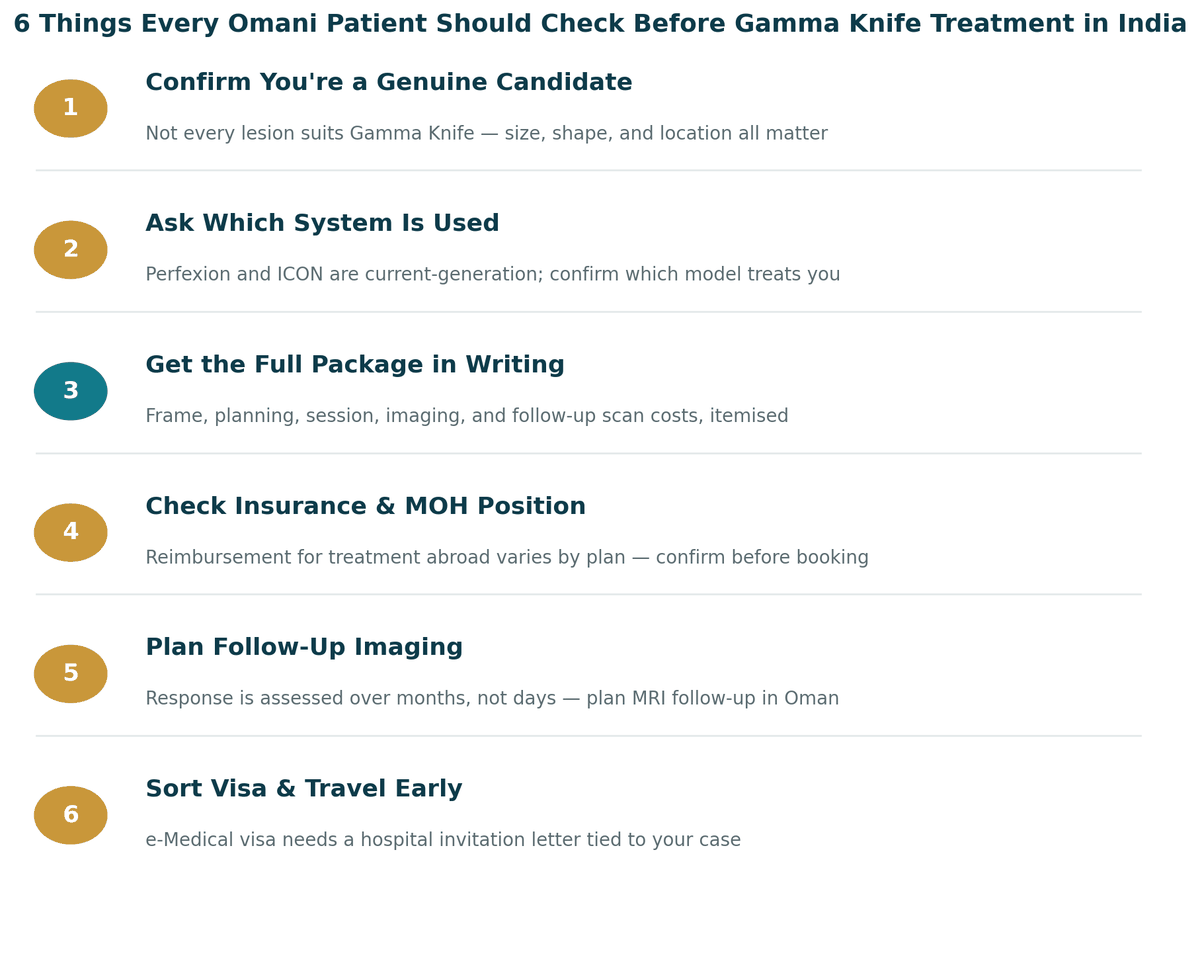
- Confirm you are a genuine candidate before travelling. Send your MRI to an independent neuro-oncology team in India before booking travel. Not every lesion is suitable for Gamma Knife, and a responsible team will say so plainly if open surgery is the better option.
- Ask which Gamma Knife system is used. Perfexion and ICON are current-generation platforms; ask specifically which model will treat you and whether it is frame-based or frameless for your case.
- Get the full package itemised in writing. Frame placement, dose planning, the session itself, imaging, and observation stay should each be clear, along with what happens if a multi-session approach becomes necessary.
- Check your insurance and Ministry of Health position. Some Omani insurance plans and employer health schemes offer partial reimbursement for treatment abroad; others do not cover it at all. Clarify this before you travel, not after.
- Plan your follow-up imaging schedule in advance. Because Gamma Knife's effect develops gradually, ask your team when and how often follow-up MRI scans are needed, and whether these can reasonably be done in Oman with results shared back to India.
- Sort visa and travel logistics early. India's e-Medical Visa process is generally efficient, but it requires an invitation letter tied to your specific hospital and case, so this cannot be arranged at the last minute.
A Closing Thought
Gamma Knife represents one of the genuine advances in neurosurgery — treating deep or delicate lesions without an incision at all. But its value depends entirely on whether it is the right tool for your specific lesion, delivered by a team with real experience planning and executing these cases. Whether that team is in Muscat, elsewhere in the Gulf, or in India, ask specific questions about candidacy and experience before deciding. If you are weighing this decision, an independent, no-obligation review of your imaging — by someone with no financial stake in which hospital you choose — is often the single most useful thing you can do before deciding anything else.
Sources & Further Reading
- RadiologyInfo.org (American College of Radiology & Radiological Society of North America, non-profit) — Gamma Knife (radiologyinfo.org)
- MedlinePlus, U.S. National Library of Medicine (NIH) — Stereotactic Radiosurgery – Gamma Knife (medlineplus.gov)
- American Association of Neurological Surgeons (AANS) — Stereotactic Radiosurgery, Patient Information (aans.org)
- PMC, National Library of Medicine (NIH) — Cost and Breakeven Analysis for Gamma Knife Radiosurgery at India's Largest Neurosurgery Centre (pmc.ncbi.nlm.nih.gov)
- National Cancer Institute (NCI), National Institutes of Health — External Beam Radiation Therapy for Cancer (cancer.gov)
Frequently Asked Questions by Omani Patients about Gamma Knife Treatment in India
Is Gamma Knife treatment in India available for Omani patients?
Yes. The guide identifies major neuroscience centres in Delhi, Mumbai, Chennai and Bengaluru offering current-generation Gamma Knife platforms and experience with suitable brain conditions.
Which brain conditions can Gamma Knife treat for Omani patients?
The guide discusses selected small-to-medium brain tumours, metastases, arteriovenous malformations, acoustic neuromas, trigeminal neuralgia and certain functional brain conditions.
Is Gamma Knife surgery actually performed without cutting the skull for Omani patients?
Yes. Despite its name, Gamma Knife involves no incision and no removal of skull bone. It delivers highly focused radiation directly to the target.
How much does Gamma Knife treatment cost in India for Omanis?
The guide gives approximately US$6,000–8,000 for a representative single-session package in India. Multiple-session treatment can cost more.
How does Gamma Knife cost in India compare with private Oman?
The source gives approximately US$15,000–25,000 in private Oman compared with US$6,000–8,000 in India for a representative single-session package.
How long does an Omani patient need to stay in India for Gamma Knife?
The illustrative pathway on page 2 covers approximately four to seven days, including imaging review, planning, treatment, observation and clearance to travel. Individual cases may require longer.
Will every Omani patient with a brain tumour be suitable for Gamma Knife?
No. Lesion size, shape and location matter. Larger tumours, significant swelling or lesions requiring tissue sampling may be better treated with conventional surgery.
Which Gamma Knife system should an Omani patient ask about in India?
The guide specifically mentions current-generation Perfexion and ICON platforms. Patients should ask which system will be used and whether frame-based or frameless treatment is appropriate for their case.
Can follow-up MRI scans be done after the Omani patient returns home?
The guide recommends planning this in advance. Because Gamma Knife effects develop gradually over months, follow-up MRI can potentially be arranged in Oman with results shared with the treating Indian team.
What should an Omani patient check before travelling to India for Gamma Knife?
Confirm genuine candidacy through an independent neuro-oncology review, identify the Gamma Knife system, obtain an itemised package, check insurance and Ministry of Health requirements, arrange follow-up imaging and complete visa arrangements early.
Page Summary
This six-page guide helps Omani patients understand when Gamma Knife radiosurgery may be appropriate and how to evaluate treatment in India. It explains that Gamma Knife uses approximately 192–201 precisely focused beams without an incision and is commonly used for selected brain tumours, AVMs, acoustic neuromas, trigeminal neuralgia and other suitable conditions. The page 2 treatment diagram presents an illustrative one-week pathway from imaging review and planning through treatment, observation and travel clearance. The page 3 cost chart and table compare single-session Gamma Knife costs in India, Oman, the UK and US. Page 4 visually breaks down the representative India package and highlights the importance of confirming whether a case requires one or multiple sessions. Page 5 provides six checks covering candidacy, Gamma Knife system, package costing, insurance and Ministry of Health requirements, follow-up MRI planning and visa arrangements.
Citation Block
| Field | Details |
|---|---|
| Article / Topic | Gamma Knife Treatment in India |
| Country / Patients | India / Omani Patients |
| Main Treatment | Gamma Knife stereotactic radiosurgery |
| Key Specialist Team | Neurosurgeon, radiation specialist and medical physicist |
| Main Conditions | Brain tumours, metastases, AVMs, acoustic neuromas and trigeminal neuralgia |
| Treatment Method | Approximately 192–201 focused gamma-ray beams |
| Invasiveness | No incision or skull-bone removal |
| General Anaesthesia | Not typically required |
| Typical Sessions | Often single session; some cases require multiple sessions |
| Main India Cities | Delhi, Mumbai, Chennai and Bengaluru |
| Systems | Perfexion and ICON |
| India Cost | US$6,000–8,000 |
| Oman Private Cost | US$15,000–25,000 |
| UK Private Cost | US$28,000–39,000 |
| US Cost | US$35,000–50,000 |
| Typical Journey | Approximately 4–7 days |
| Package Components | Planning/session, frame/equipment, physicist/physician fees, imaging and observation |
| Candidacy Check | Review lesion size, shape and location before travel |
| System Check | Confirm whether Perfexion or ICON will be used and frame-based or frameless approach |
| Session Check | Confirm whether treatment is single-session or staged |
| Follow-Up Imaging | MRI follow-up is required over subsequent months |
| Insurance / MOH | Confirm overseas-treatment coverage before travel |
| Visa | Hospital-linked invitation required for e-Medical Visa |
| Key Selection Criterion | Experienced Gamma Knife neurosurgical and medical-physics team |
| Important Warning | Gamma Knife is not a replacement for open surgery in every brain lesion |


Our Mission Statement
Our mission is to place patients at the centre of every healthcare decision by providing trustworthy, evidence-based, and unbiased medical information. We believe that informed patients make better decisions. Backed by personalised guidance from our experienced advisory team, we help patients understand their treatment options, compare them objectively, and confidently choose the path that best suits their medical needs and personal circumstances.
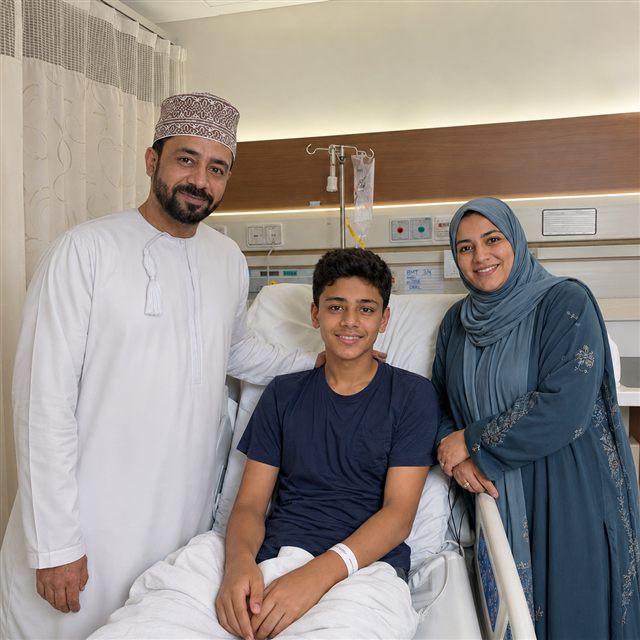
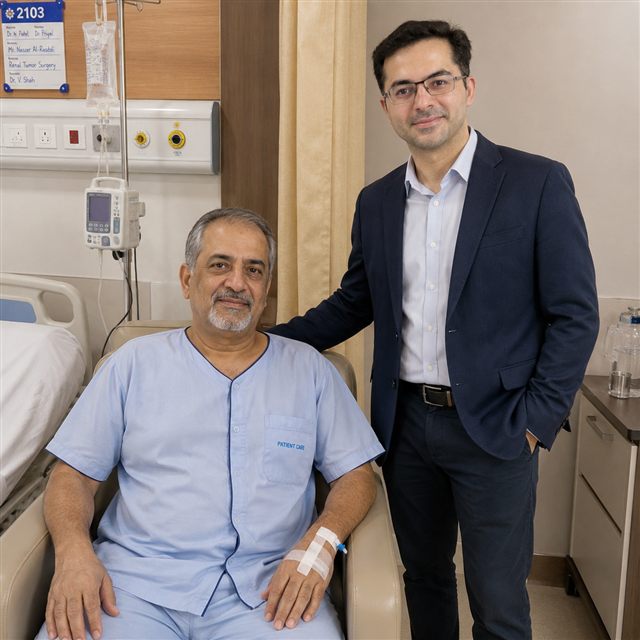
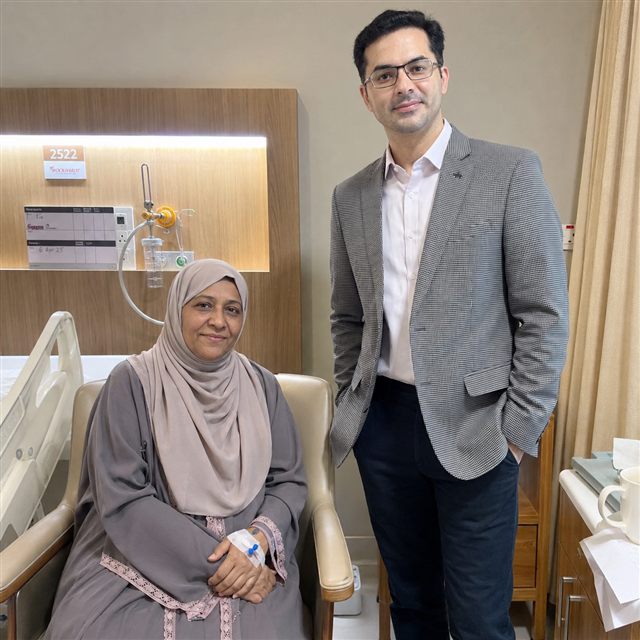
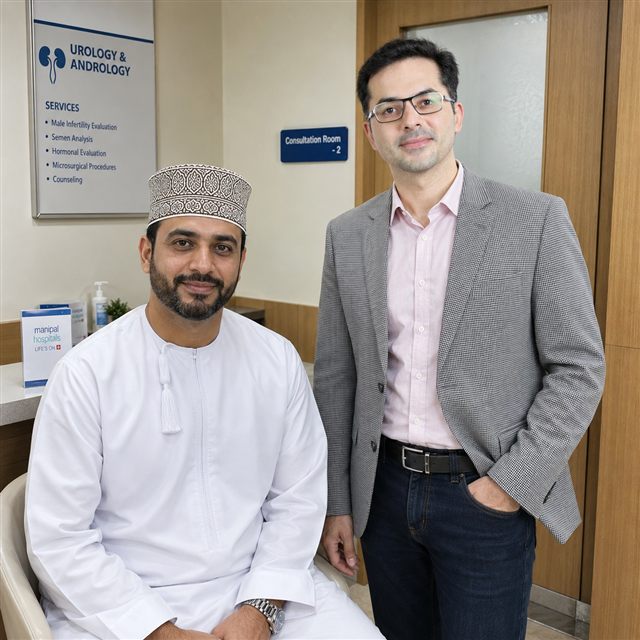
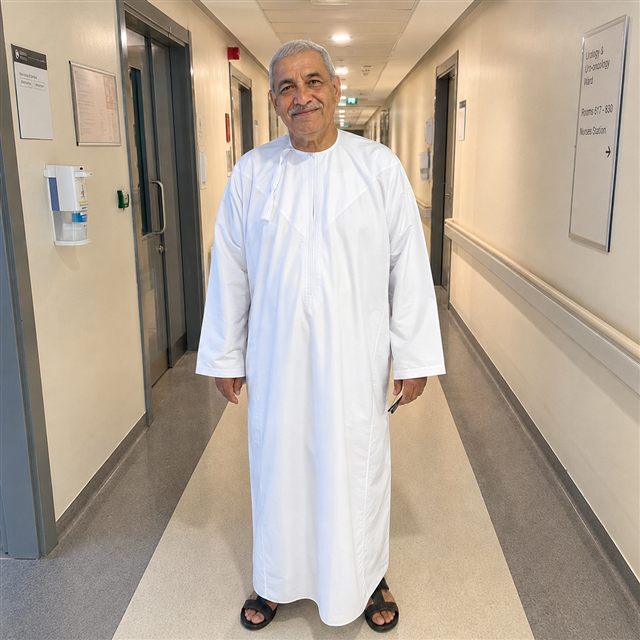
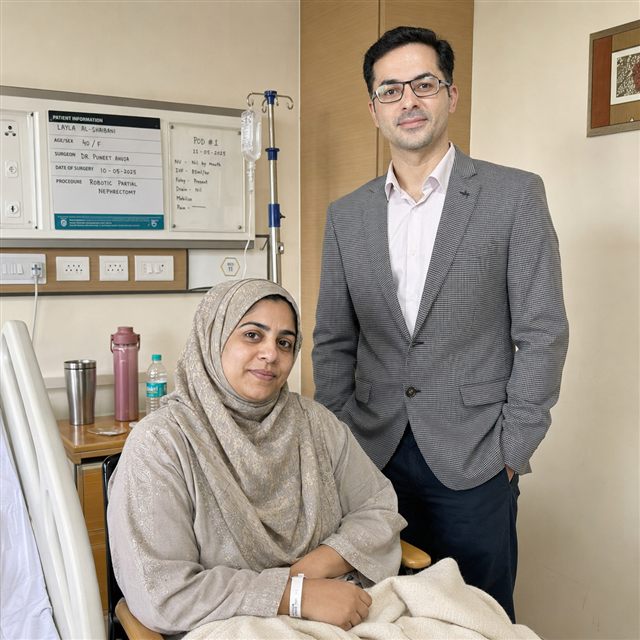
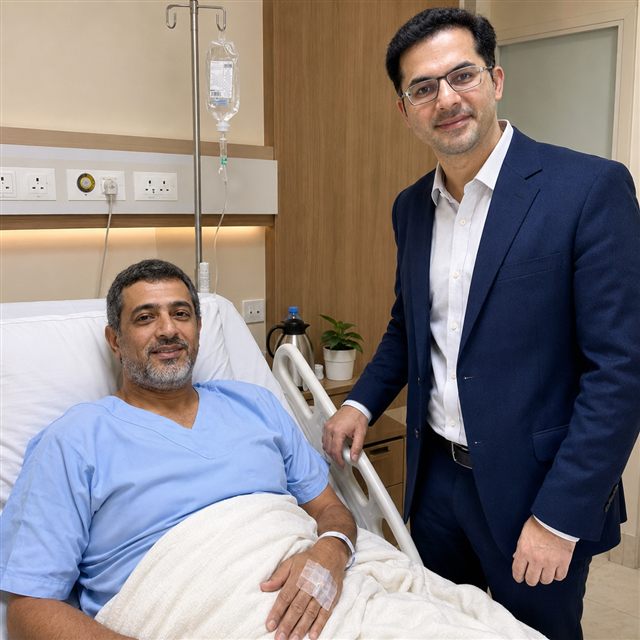
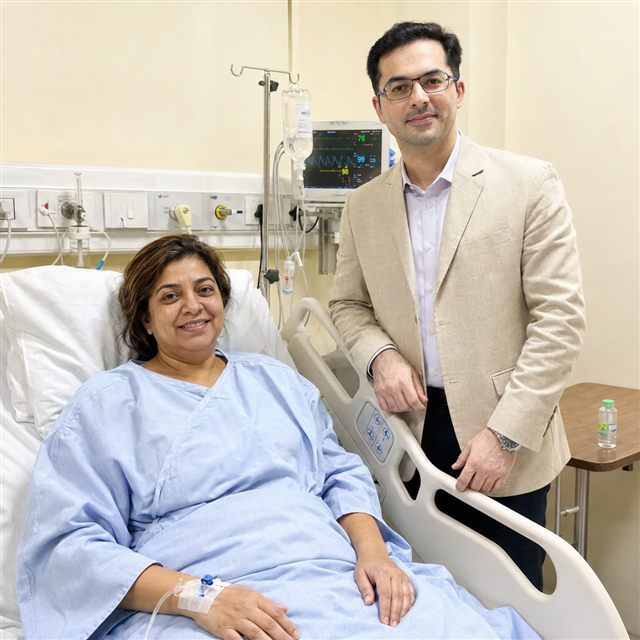
Patient Testimonials from Oman
Ready to Take the First Step?
Share your Medical Reports with our Healthcare Managers Today and Get a FREE CONSULTATION, a Personalized Treatment Plan, and Complete Support from Arrival to Recovery.
Get Your Free ConsultationAreas We Serve
Indian Health Guru Consultants proudly assists patients from Oman and surrounding Middle Eastern countries in accessing advanced, affordable and trusted medical treatment in India. Our team provides complete support for medical opinions, hospital selection, treatment planning, visa assistance, travel coordination, accommodation and post-treatment follow-up.
We regularly serve patients from:
- Oman
- Turkey
- Iran
- Kuwait
- Jordan
- Syria
- Qatar
- Bahrain
- Yemen
- Iraq
- Saudi Arabia
- United Arab Emirates
No matter where you are located, our experienced team is committed to making your medical journey to India safe, smooth, transparent and stress-free from the first enquiry to your return home.
From Oman to India: Your Complete Patient Guide
- Weight Loss and Bariatric Surgery in India for Omanis: Cost & Guide
- Brain Tumor Surgery in India for Omanis: Cost & Guide
- Cancer Treatment in India for Omanis: Cost & Guide
- Cardiac Surgery in India for Omanis: Cost & Guide
- Breast Cancer Treatment in India for Omanis: Cost & Guide
- Neurosurgery in India for Omanis: Cost & Guide
- Spine Surgery in India for Omanis: Cost & Guide
- Bone Marrow Transplant in India for Omanis: Cost & Guide
- Kidney Transplant in India for Omanis: Cost & Guide
- Best Dentists and Clinics for Dental Surgery in India for Omani Patients
- Best Doctors and Hospitals for Blood Cancer Treatment in India for Omani Patients
- Best Bone Marrow Transplant Doctors and Hospitals in India for Omani Patients
- Best IVF and Fertility Doctors and Hospitals in India for Omani Couples
- Best Bariatric Surgeons and Hospitals for Weight Loss Surgery in India for Omani Patients
- Best Brain Tumor Surgery Doctors and Hospitals in India for Omani Patients
- Best Cardiac Surgeons and Hospitals in India for Omani Patients
- Best Colorectal Cancer Surgeons and Hospitals in India for Omani Patients
- Best Surgeons and Hospitals for Complex Joint Revision Surgery in India for Omani Patients