

CyberKnife Treatment in India for Omanis: A Doctor’s Guide to Making the Right Decision
A practical guide for Omani patients covering CyberKnife suitability, tumour types, treatment sessions, costs, imaging, follow-up and travel planning in India.
CyberKnife is often mentioned in the same breath as Gamma Knife, and Omani families frequently ask me what the real difference is. The short answer is reach: while Gamma Knife treats lesions inside the brain, CyberKnife's robotic arm can target tumours throughout the body — brain, spine, lung, liver, pancreas, and prostate — with the same sub-millimetre precision and without a single incision. Over 24 years of guiding Gulf patients through advanced radiosurgery decisions, I want to walk Omani families through exactly what this technology offers and when it is the right choice. Oman's hospitals, including Apollo Hospital Muscat, Badr Al Samaa, Aster Al Raffah, and Burjeel Medical Centre, provide oncology and radiation therapy consultation, though a dedicated CyberKnife platform is not yet standard across every Gulf hospital. This guide is written to help Omani patients understand, honestly and without sales pressure, what CyberKnife adds over conventional radiation or surgery, and what to check carefully before travelling for it.
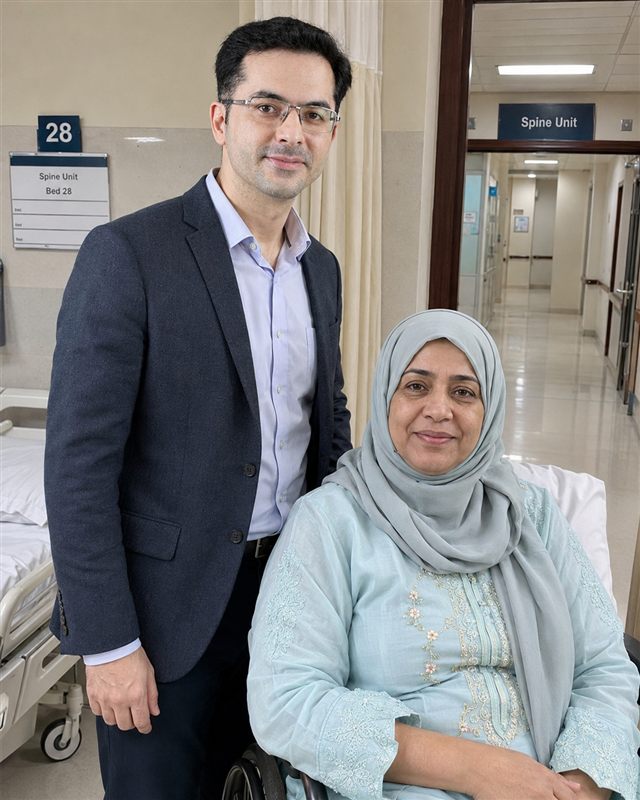
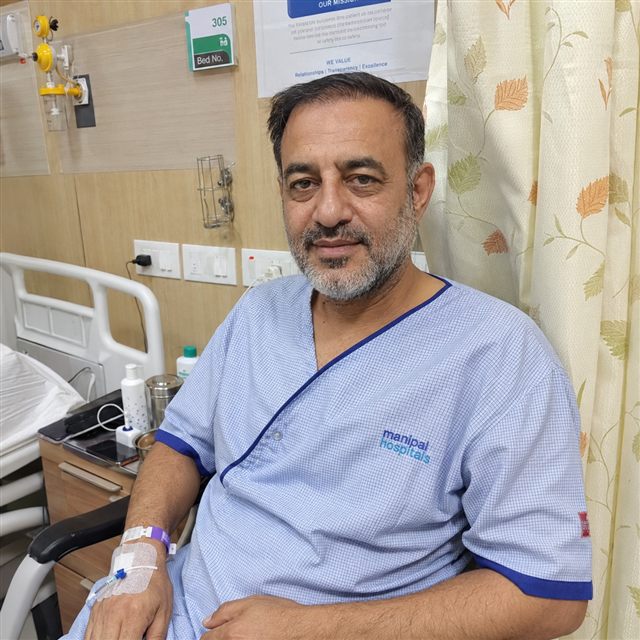
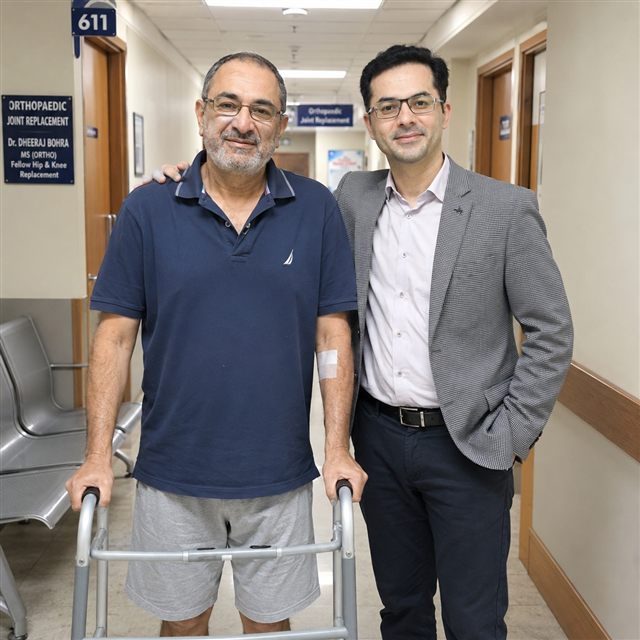
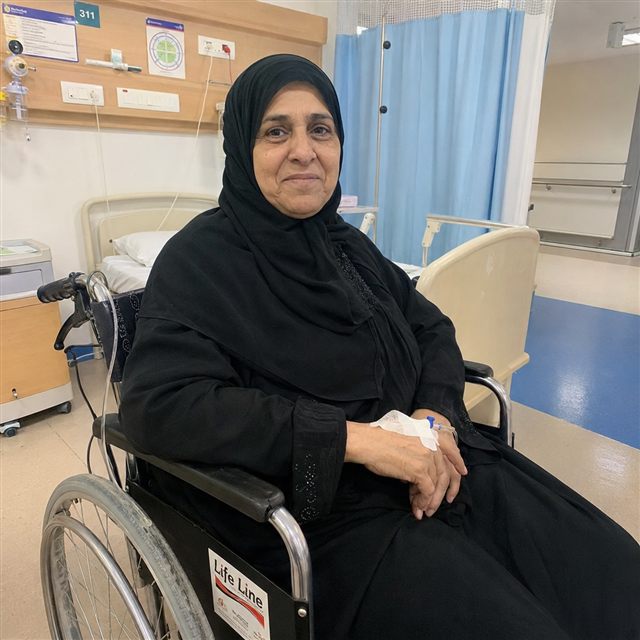
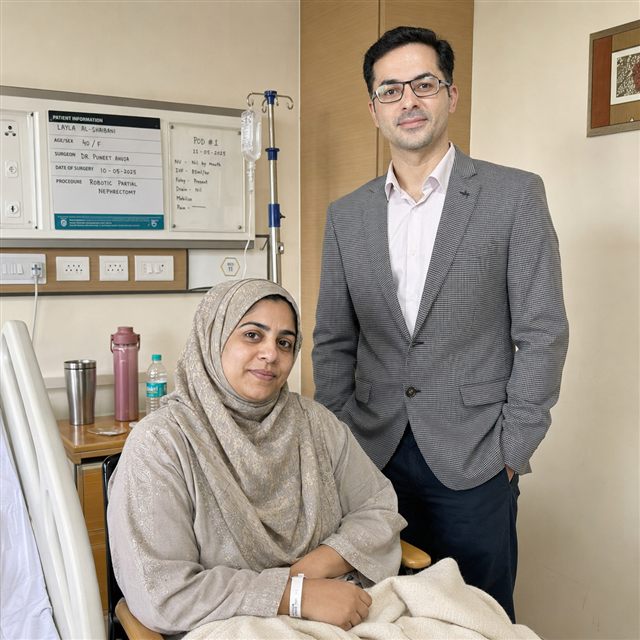
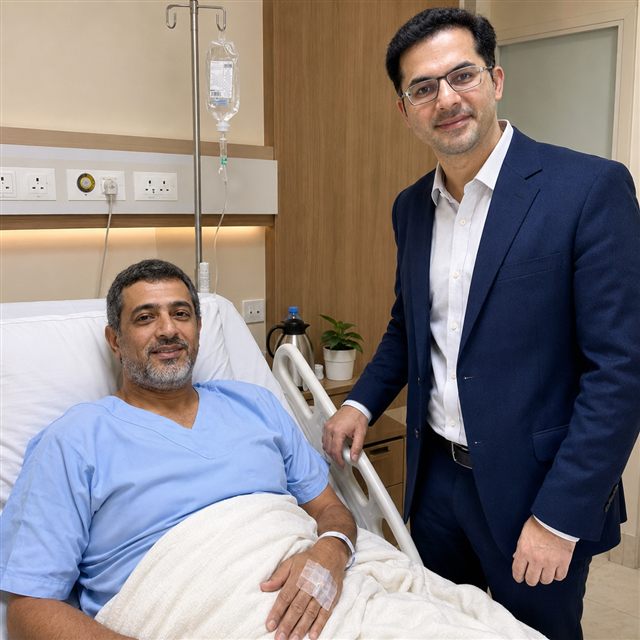
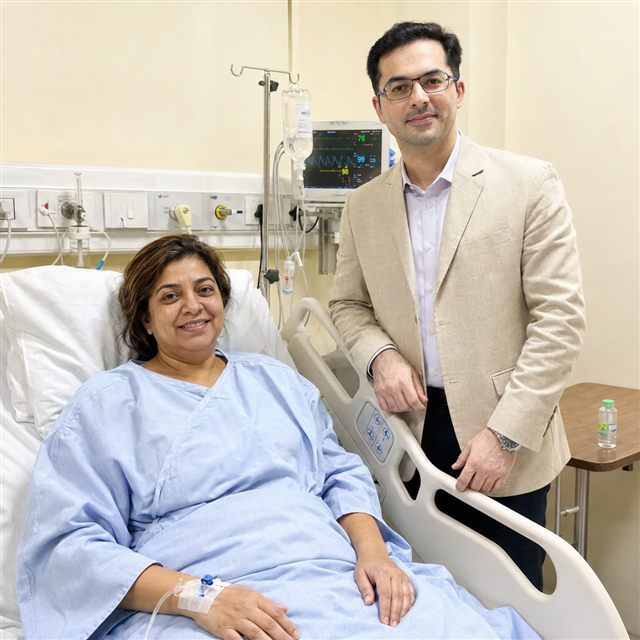
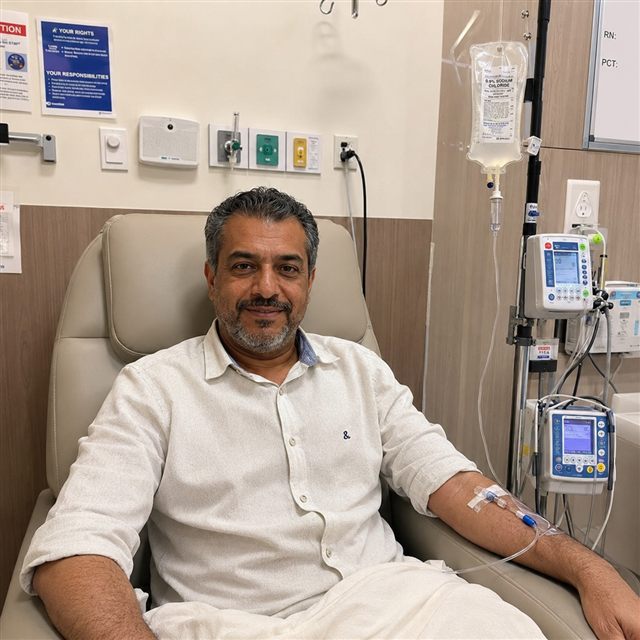
Healing Journeys of Omani Patients

Key Takeaways
- CyberKnife is a robotic radiosurgery system that delivers highly focused radiation beams from multiple angles while using real-time imaging to track tumour position. This makes it particularly useful for tumours that can move with breathing, including selected lung and pancreatic tumours.
- Unlike Gamma Knife, which is primarily associated with lesions inside the brain, CyberKnife can be used across several parts of the body. The guide specifically discusses applications involving the brain, spine, lung, liver, pancreas and prostate.
- CyberKnife is completely non-invasive and does not require an incision or general anaesthesia. Treatment is generally delivered as one to five outpatient sessions, with each session lasting approximately 30–90 minutes and typically without an overnight hospital stay.
- The technology is most valuable for selected small-to-medium tumours that are difficult or risky to reach surgically, for patients who may not tolerate open surgery, or for lesions located close to critical structures. However, larger tumours, cases requiring immediate decompression or situations where tissue diagnosis is necessary may still require surgery first.
- India's leading oncology and radiosurgery centres in Delhi, Mumbai, Chennai and Bengaluru provide access to current-generation CyberKnife systems and experience across different tumour locations. The guide stresses that planning for a moving lung tumour is different from planning treatment for a stationary brain lesion, so application-specific experience matters.
- The guide also highlights fusion imaging, including the combination of PET-CT and MRI, to support more precise tumour targeting. Multidisciplinary tumour boards can help determine whether CyberKnife is genuinely appropriate before treatment planning begins.
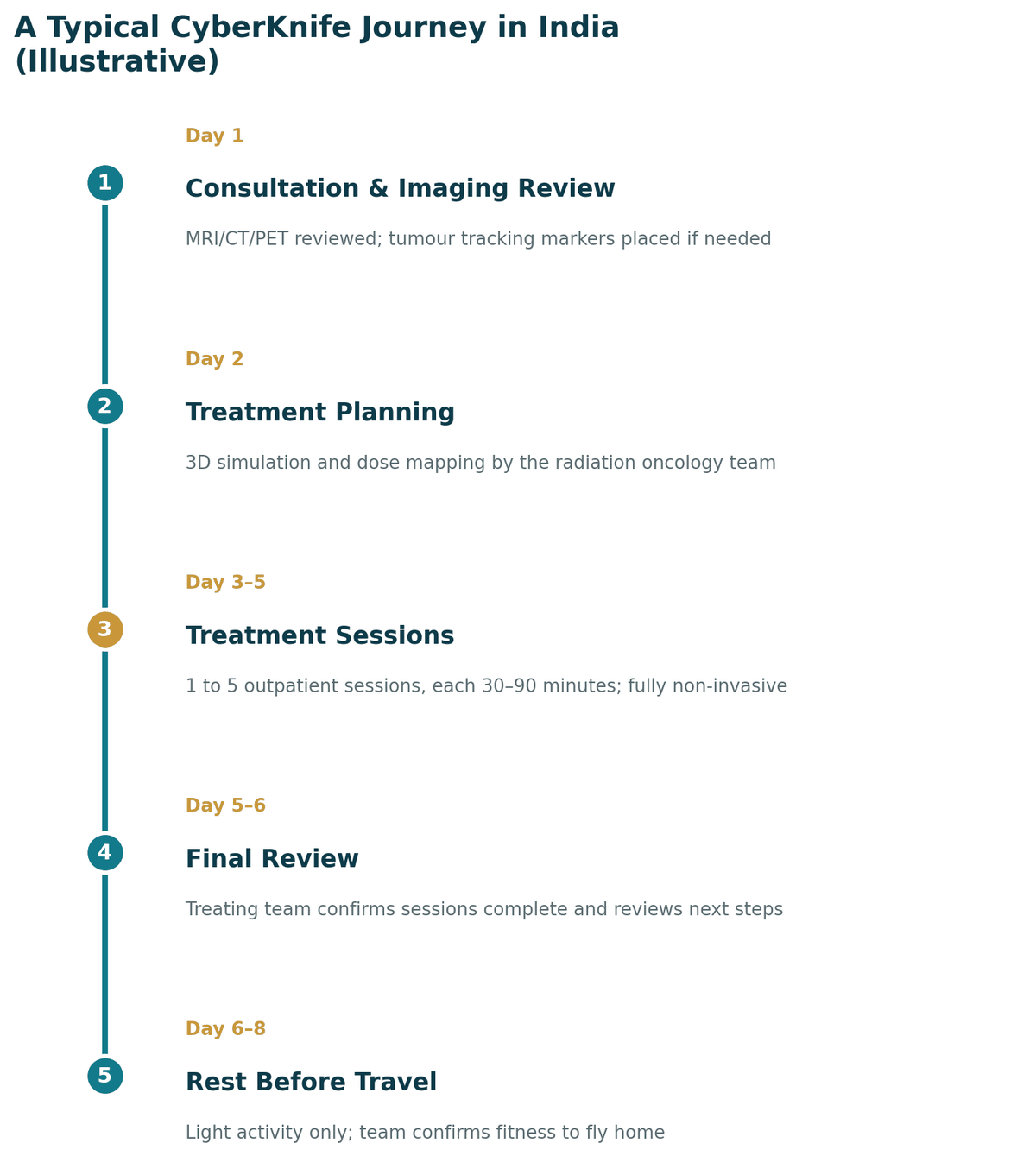
- The illustrated treatment pathway on page 2 shows a short outpatient journey: imaging review and possible tumour-tracking marker placement on day 1, treatment planning on day 2, one to five treatment sessions during days 3–5, final review around days 5–6 and rest before travel during days 6–8.
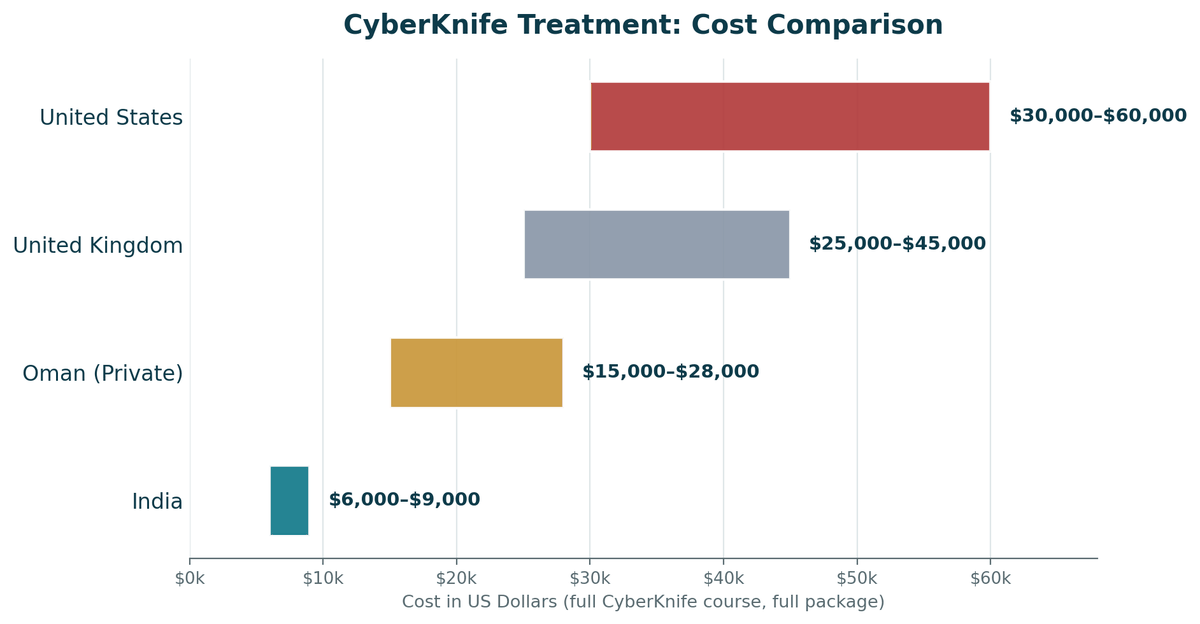
- The page 3 cost chart and comparison table give an approximate full-course CyberKnife cost of US$6,000–9,000 in India. The corresponding ranges are US$15,000–28,000 in private Oman, US$25,000–45,000 in the UK and US$30,000–60,000 in the United States.
- For tumours affected by breathing, such as those in the lung, liver or pancreas, fiducial marker placement may sometimes be necessary before CyberKnife treatment. The guide notes that this is generally a separate minor procedure and cost, so Omani patients should confirm whether it is required and included in their package.
- The page 4 package graphic illustrates a representative India CyberKnife package with treatment planning and sessions at 36%, robotic system and fusion imaging at 24%, oncologist and physicist fees at 20%, pre-treatment imaging at 12% and follow-up consultation making up the remaining portion. Exact inclusions should be confirmed with the hospital in writing.
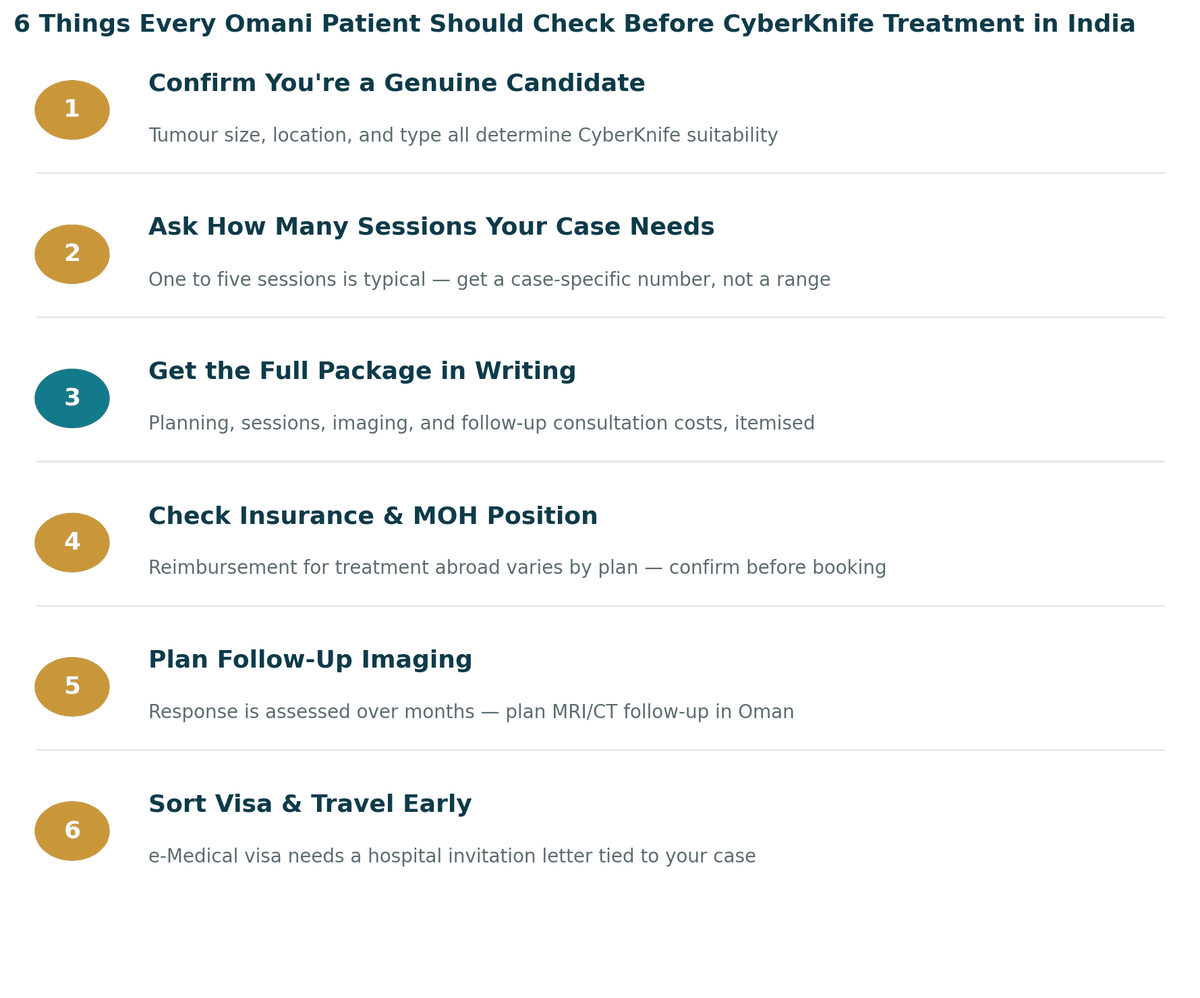
- The page 5 checklist highlights six important issues for Omani patients: confirming genuine candidacy, establishing the exact number of sessions, getting an itemised package, checking insurance and Ministry of Health requirements, planning follow-up imaging in Oman and arranging the Indian e-Medical Visa and travel documentation early.
Quick Facts
- Treatment
- CyberKnife radiosurgery
- Primary Patients
- Omani patients considering advanced radiosurgery in India
- Treatment Type
- Non-invasive, image-guided robotic radiation treatment
- Main Applications
- Brain, spine, lung, liver, pancreas and prostate tumours
- Treatment Sessions
- Typically 1–5 outpatient sessions
- Session Duration
- Approximately 30–90 minutes
- Anaesthesia
- No general anaesthesia is typically required
- Hospital Stay
- Usually no overnight admission
- Key Advantage
- Real-time tumour tracking, including selected moving tumours
- Imaging
- MRI, CT, PET-CT and fusion imaging may support treatment planning
- Fiducial Markers
- May be required for selected moving tumours and are generally a separate procedure/cost
- Main India Cities
- Delhi, Mumbai, Chennai and Bengaluru
- India Cost
- US$6,000–9,000 for a full CyberKnife course
- Oman Private Cost
- US$15,000–28,000
- UK Private Cost
- US$25,000–45,000
- US Cost
- US$30,000–60,000
- Typical India Journey
- Approximately 6–8 days in the illustrated pathway
- Key Specialist Team
- Radiation oncologist, medical physicist and multidisciplinary oncology team
- Package Breakdown
- Planning and sessions 36%, robotic system and fusion imaging 24%, oncologist/physicist fees 20%, pre-treatment imaging 12%, follow-up consultation the remainder
- Session Check
- Obtain a case-specific number rather than relying on the general 1–5-session range
- Follow-Up
- Response is assessed through imaging over subsequent months
- Insurance
- Confirm Omani insurance or employer reimbursement before travel
- Ministry of Health
- Check the applicable Omani position on overseas treatment
- Visa
- Indian e-Medical Visa requires a hospital invitation letter linked to the case
- Author
- Dr. Dheeraj Bojwani
- Experience
- 24+ Years
In Brief
CyberKnife treatment in India offers Omani patients a non-invasive radiosurgery option for selected tumours in the brain, spine, lung, liver, pancreas and prostate. The guide explains that its robotic system uses real-time imaging to track tumour movement and can deliver treatment over one to five outpatient sessions without an incision or general anaesthesia. Suitability depends on tumour size, location, type and the need for surgery or tissue diagnosis. Indian centres in Delhi, Mumbai, Chennai and Bengaluru provide CyberKnife services alongside fusion imaging and multidisciplinary tumour-board assessment. The guide gives an approximate full-course India cost of US$6,000–9,000, compared with US$15,000–28,000 in private Oman, while follow-up imaging over subsequent months remains an important part of treatment planning.
What CyberKnife Actually Does
CyberKnife is a robotic radiosurgery system that delivers precisely focused beams of radiation to a tumour from many different angles, guided continuously by real-time imaging that tracks the tumour's position — including tumours that move with breathing, such as those in the lung or pancreas. This real-time tracking is what sets it apart from older radiation systems, which typically require the patient to hold still or use breath-hold techniques. Treatment is delivered over one to five outpatient sessions, each lasting 30 to 90 minutes, with no incision, no general anaesthesia, and typically no overnight hospital stay.
CyberKnife is most valuable for small to medium tumours in locations that are difficult or risky to reach surgically, for patients who are not good candidates for open surgery, or for lesions near critical structures where conventional radiation's wider margins would risk more healthy tissue. It is not the right choice for every tumour — larger lesions, those needing immediate decompression, or cases requiring tissue diagnosis often still need surgery first.
What Makes India a Strong Option for CyberKnife Treatment
India's leading oncology and radiosurgery centres, concentrated in Delhi, Mumbai, Chennai, and Bengaluru, operate current-generation CyberKnife VSI systems and have treated a high volume of patients across the full range of brain, spine, lung, liver, and prostate applications. That range of experience matters because CyberKnife planning for a moving lung tumour is a genuinely different skill from planning for a stationary brain lesion, and a team's depth across applications is a meaningful marker of expertise.
India also gives patients access to fusion imaging (combining PET-CT with MRI for more precise tumour targeting) and multidisciplinary tumour boards that confirm CyberKnife is genuinely the right choice for a specific case before treatment planning even begins. And because Indian hospitals have spent two decades refining international oncology pathways for Gulf and African patients, Omani families arrive to Arabic-speaking coordinators and a well-tested imaging-review and travel process.
This does not mean every tumour should travel for CyberKnife. It means that where a hospital genuinely operates high volumes across multiple tumour types, with an experienced radiation oncology and physics team, the value proposition for the right case is compelling.
Cost Comparison: India vs. Oman vs. Western Countries
Like Gamma Knife, CyberKnife is typically an outpatient course rather than an inpatient stay, which keeps costs well below open surgery in every country — but the size of the gap between India and the West is especially wide. Figures below are in approximate US dollars for a full treatment course at an accredited private centre.
| Destination | Typical Cost (Full CyberKnife Course) | What This Usually Includes |
|---|---|---|
| India | US $6,000 – $9,000 | Treatment planning, all sessions, fusion imaging, and standard follow-up consultation |
| Oman (private) | US $15,000 – $28,000 | Where available; varies by hospital and whether the platform is in-house or via a partner centre |
| United Kingdom (private) | US $25,000 – $45,000 | Planning and sessions; follow-up imaging often billed separately |
| United States | US $30,000 – $60,000 | Highly variable by state, centre, and number of sessions required |
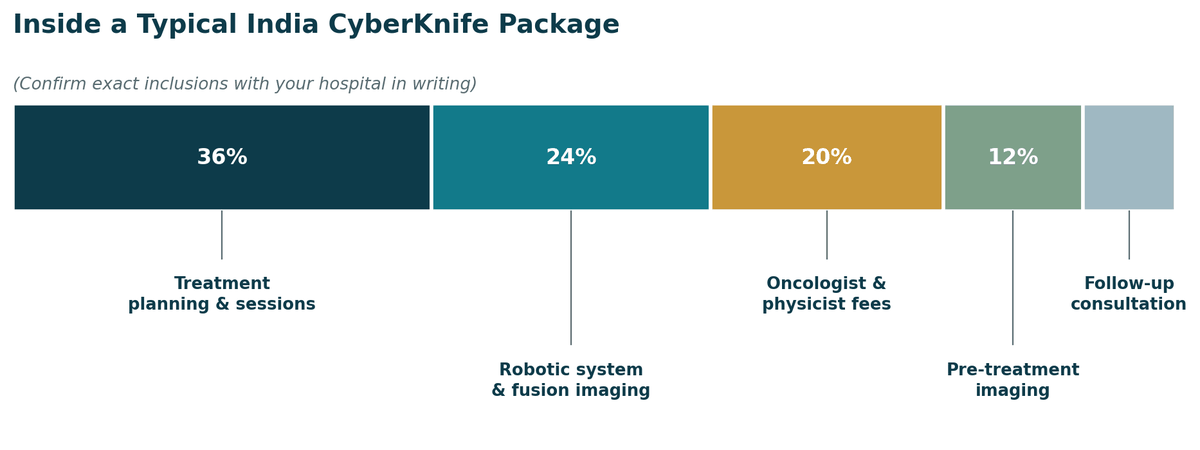
A few honest caveats. First, get a case-specific session count rather than a general range — a single-session brain lesion and a five-session lung tumour cost meaningfully different amounts, and this should be clear before you travel. Second, tumours in organs affected by breathing (lung, liver, pancreas) may require fiducial marker placement before treatment, which is typically a separate minor procedure and cost. Third, as with Gamma Knife, response is assessed over months via follow-up imaging, so plan for scans at intervals your treating team specifies, whether in India or arranged locally in Oman.
What a Typical Omani Patient Should Weigh Before Deciding CyberKnife Treatment in India
Having guided patients through this exact decision for 24 years, here is what I encourage every Omani family to work through before booking anything:
- Confirm you are a genuine candidate before travelling. Send your imaging to an independent oncology or radiosurgery team in India before booking travel. A responsible team will say plainly if surgery or conventional radiation is a better fit for your specific tumour.
- Ask how many sessions your specific case needs. One to five sessions is typical, but get a number based on your imaging, not a generic estimate.
- Get the full package itemised in writing. Planning, sessions, fusion imaging, fiducial marker placement if needed, and follow-up consultation should each be clear.
- Check your insurance and Ministry of Health position. Some Omani insurance plans and employer health schemes offer partial reimbursement for treatment abroad; others do not cover it at all. Clarify this before you travel, not after.
- Plan your follow-up imaging schedule in advance. Because CyberKnife's effect develops gradually, ask your team when and how often follow-up scans are needed, and whether these can reasonably be done in Oman with results shared back to India.
- Sort visa and travel logistics early. India's e-Medical Visa process is generally efficient, but it requires an invitation letter tied to your specific hospital and case, so this cannot be arranged at the last minute.
A Closing Thought
CyberKnife's real strength is its reach — treating tumours throughout the body with the same non-invasive precision that Gamma Knife brings to the brain alone. But like any advanced technology, its value depends entirely on whether it is genuinely the right tool for your specific tumour, delivered by a team with real experience across its full range of applications. Ask specific questions about candidacy and session planning before deciding where to be treated. If you are weighing this decision, an independent, no-obligation review of your imaging — by someone with no financial stake in which hospital you choose — is often the single most useful thing you can do before deciding anything else.
Sources & Further Reading
- RadiologyInfo.org (American College of Radiology & Radiological Society of North America, non-profit) — Stereotactic Radiosurgery (SRS) and Stereotactic Body Radiotherapy (SBRT) (radiologyinfo.org)
- National Cancer Institute (NCI), National Institutes of Health — External Beam Radiation Therapy for Cancer (cancer.gov)
- MedlinePlus, U.S. National Library of Medicine (NIH) — Stereotactic Radiosurgery (medlineplus.gov)
- American Association of Neurological Surgeons (AANS) — Stereotactic Radiosurgery, Patient Information (aans.org)
- PMC, National Library of Medicine (NIH) — Stereotactic Radiosurgery: A “Targeted” Therapy for Cancer (pmc.ncbi.nlm.nih.gov)
Frequently Asked Questions by Omani Patients about CyberKnife Treatment in India
Is CyberKnife treatment in India available for Omani patients?
Yes. The guide identifies Delhi, Mumbai, Chennai and Bengaluru as major Indian locations with oncology and radiosurgery centres offering CyberKnife treatment and international-patient pathways.
Which cancers or tumours can an Omani patient potentially treat with CyberKnife in India?
The guide discusses applications involving the brain, spine, lung, liver, pancreas and prostate. Suitability depends on tumour size, location, type and the patient's overall treatment plan.
How many CyberKnife sessions might an Omani patient need in India?
The guide states that one to five outpatient sessions are typical. However, Omani patients should obtain a case-specific session count after their imaging has been reviewed rather than relying on a generic range.
How much does CyberKnife treatment cost in India for Omani patients?
The guide gives an approximate full-course cost of US$6,000–9,000 in India. The number of sessions, imaging requirements and any fiducial-marker procedure can affect the final price.
How does CyberKnife cost in India compare with private Oman?
The source gives an approximate private Oman range of US$15,000–28,000 compared with US$6,000–9,000 in India. Actual prices vary according to the case and number of sessions.
Will an Omani patient need to stay in an Indian hospital during CyberKnife treatment?
Usually not. CyberKnife is generally delivered as an outpatient treatment without an overnight hospital stay, although the overall India visit includes imaging, planning, treatment sessions and follow-up review.
Why might an Omani patient need fiducial markers before CyberKnife?
Some tumours in the lung, liver or pancreas move with breathing. The guide explains that fiducial markers may be placed to help with tumour tracking and are generally a separate minor procedure and cost.
Can CyberKnife replace surgery for every Omani cancer patient?
No. The guide specifically warns that larger tumours, tumours requiring immediate decompression or cases where tissue diagnosis is needed may still require surgery first. A multidisciplinary assessment should determine the appropriate treatment.
Can an Omani patient complete CyberKnife follow-up imaging in Oman?
The guide encourages patients to plan their follow-up imaging schedule in advance and ask whether MRI or CT scans can reasonably be performed in Oman, with the results shared with the Indian treating team.
What should an Omani patient check before travelling to India for CyberKnife?
Confirm that CyberKnife is genuinely appropriate, obtain the exact number of sessions, request a complete written package, check insurance and Ministry of Health requirements, plan follow-up imaging and arrange the hospital-linked e-Medical Visa invitation before travel.
Page Summary
This six-page guide explains CyberKnife treatment for Omani patients considering advanced radiosurgery in India and focuses on determining when the technology is genuinely appropriate rather than promoting it as a universal alternative to surgery. It explains CyberKnife's real-time tumour tracking, non-invasive delivery and ability to treat selected tumours in the brain, spine, lung, liver, pancreas and prostate. The guide highlights Delhi, Mumbai, Chennai and Bengaluru as major Indian centres and emphasises application-specific radiation oncology and physics expertise, fusion imaging and multidisciplinary tumour-board review. The page 2 treatment diagram presents an illustrative six-to-eight-day journey from imaging review and planning through one to five treatment sessions, final review and clearance to travel. The page 3 cost chart and table compare full-course CyberKnife costs in India, Oman, the UK and US. Page 4 visually breaks down the typical India package, while also explaining additional fiducial-marker costs and the importance of case-specific session estimates. Page 5 provides six checks covering candidacy, session count, package costing, insurance and Ministry of Health requirements, follow-up imaging and visa/travel arrangements.
Citation Block
| Field | Details |
|---|---|
| Article / Topic | CyberKnife Treatment in India |
| Country / Patients | India / Omani Patients |
| Main Treatment | CyberKnife robotic radiosurgery |
| Key Specialist Team | Radiation Oncologist, Medical Physicist and Oncology Team |
| Main Applications | Brain, spine, lung, liver, pancreas and prostate |
| Treatment Type | Non-invasive, image-guided radiation |
| Typical Sessions | 1–5 outpatient sessions |
| Session Duration | Approximately 30–90 minutes |
| General Anaesthesia | Typically not required |
| Hospital Stay | Usually outpatient without overnight admission |
| Tumour Tracking | Real-time imaging can track selected moving tumours |
| Imaging | MRI, CT, PET-CT and fusion imaging |
| Fiducial Markers | May be needed for selected lung, liver or pancreatic tumours |
| Main India Cities | Delhi, Mumbai, Chennai and Bengaluru |
| India Cost | US$6,000–9,000 |
| Oman Private Cost | US$15,000–28,000 |
| UK Private Cost | US$25,000–45,000 |
| US Cost | US$30,000–60,000 |
| Typical Journey | Approximately 6–8 days in the illustrated pathway |
| Package Components | Planning, treatment sessions, fusion imaging and follow-up |
| Session Cost Check | Obtain a case-specific session count |
| Marker Cost Check | Confirm whether fiducial placement is required and separately charged |
| Tumour Board | Should confirm CyberKnife suitability before treatment |
| Follow-Up | Imaging over subsequent months is required to assess response |
| Insurance / MOH | Confirm overseas-treatment coverage before travel |
| Key Selection Criterion | Genuine experience with CyberKnife for the patient's specific tumour type and location |
| Important Warning | Do not assume CyberKnife is appropriate for every tumour; some cases still require surgery or conventional radiation |


Our Mission Statement
Our mission is to place patients at the centre of every healthcare decision by providing trustworthy, evidence-based, and unbiased medical information. We believe that informed patients make better decisions. Backed by personalised guidance from our experienced advisory team, we help patients understand their treatment options, compare them objectively, and confidently choose the path that best suits their medical needs and personal circumstances.
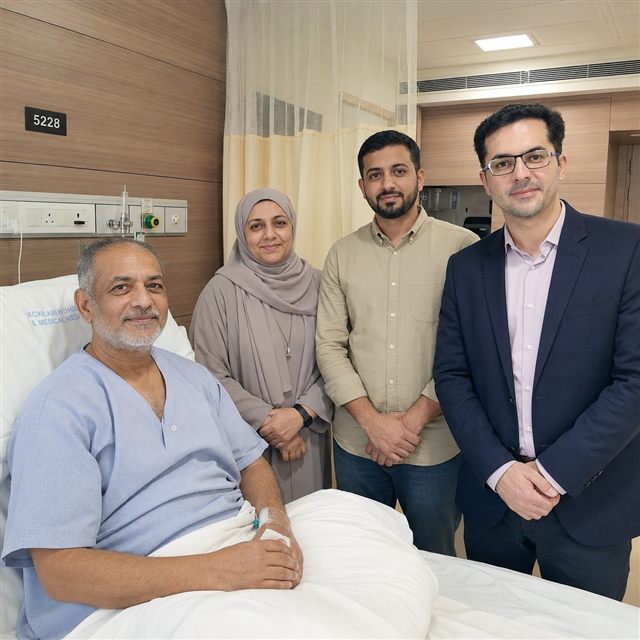
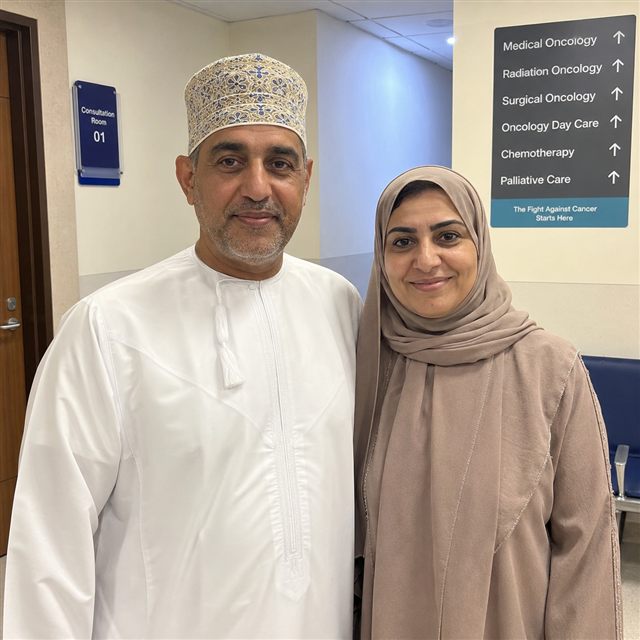
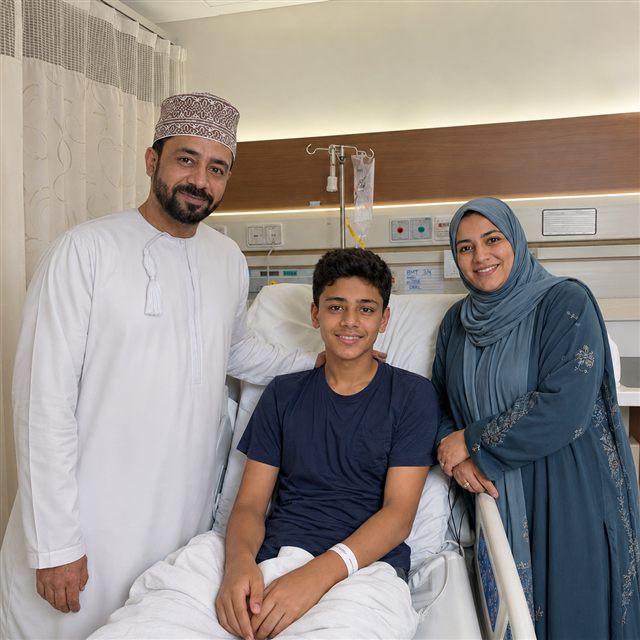
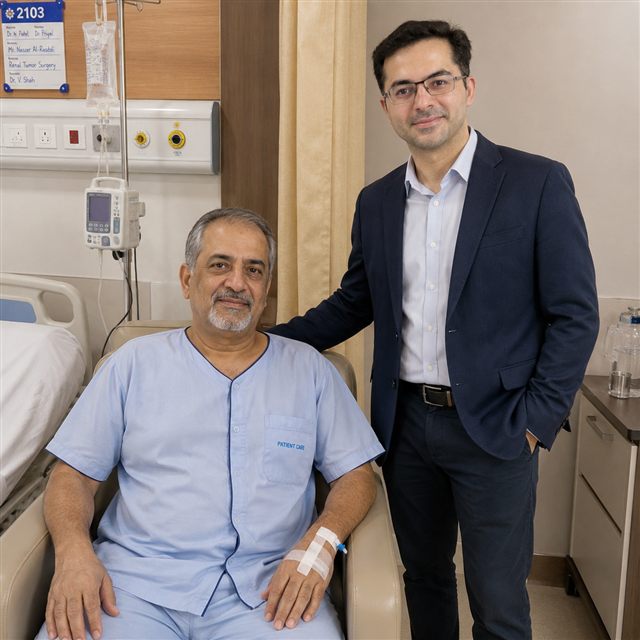
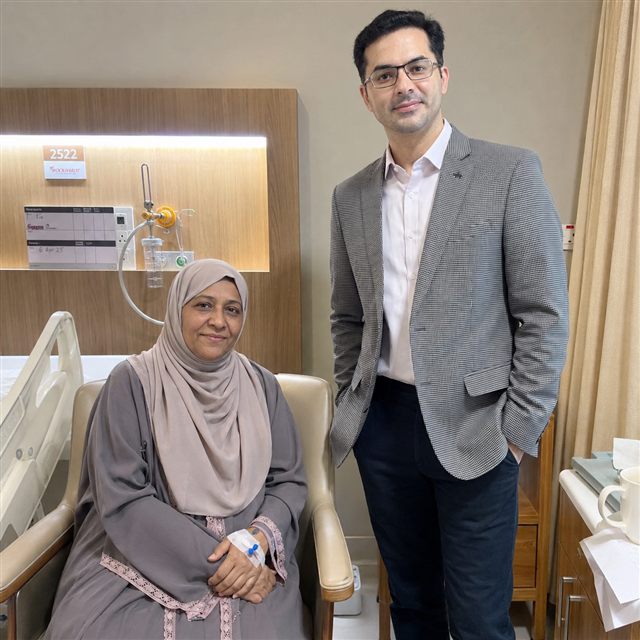
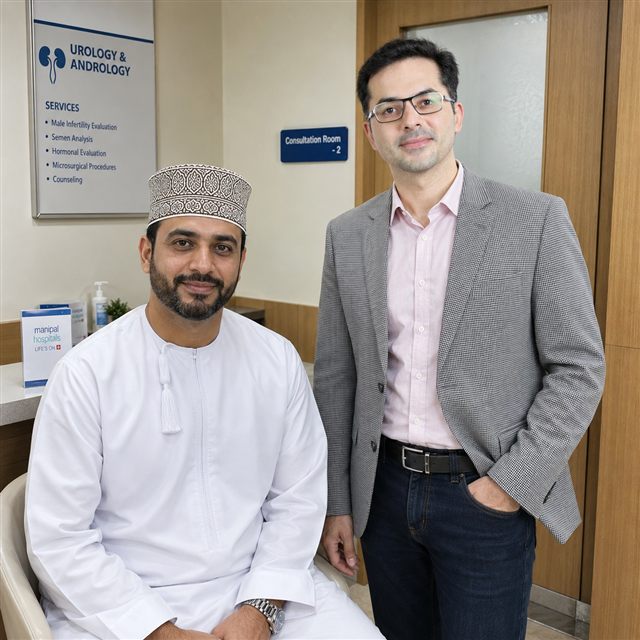
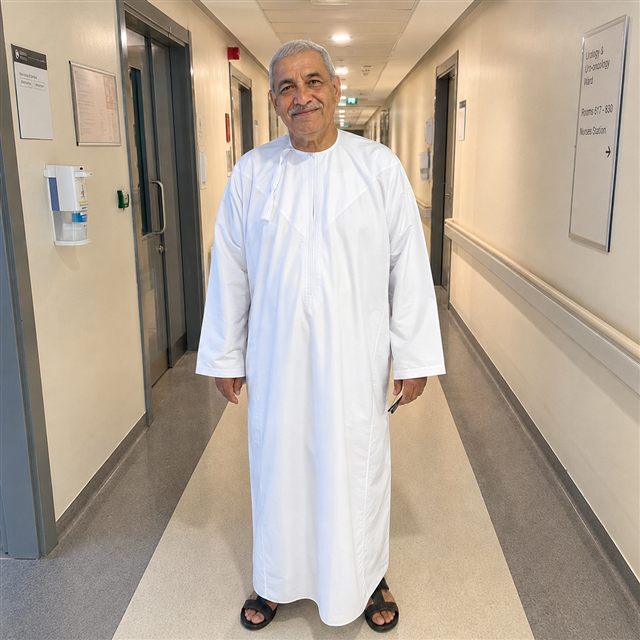
Patient Testimonials from Oman
Ready to Take the First Step?
Share your Medical Reports with our Healthcare Managers Today and Get a FREE CONSULTATION, a Personalized Treatment Plan, and Complete Support from Arrival to Recovery.
Get Your Free ConsultationAreas We Serve
Indian Health Guru Consultants proudly assists patients from Oman and surrounding Middle Eastern countries in accessing advanced, affordable and trusted medical treatment in India. Our team provides complete support for medical opinions, hospital selection, treatment planning, visa assistance, travel coordination, accommodation and post-treatment follow-up.
We regularly serve patients from:
- Oman
- Turkey
- Iran
- Kuwait
- Jordan
- Syria
- Qatar
- Bahrain
- Yemen
- Iraq
- Saudi Arabia
- United Arab Emirates
No matter where you are located, our experienced team is committed to making your medical journey to India safe, smooth, transparent and stress-free from the first enquiry to your return home.
From Oman to India: Your Complete Patient Guide
- Weight Loss and Bariatric Surgery in India for Omanis: Cost & Guide
- Brain Tumor Surgery in India for Omanis: Cost & Guide
- Cancer Treatment in India for Omanis: Cost & Guide
- Cardiac Surgery in India for Omanis: Cost & Guide
- Breast Cancer Treatment in India for Omanis: Cost & Guide
- Neurosurgery in India for Omanis: Cost & Guide
- Spine Surgery in India for Omanis: Cost & Guide
- Bone Marrow Transplant in India for Omanis: Cost & Guide
- Kidney Transplant in India for Omanis: Cost & Guide
- Best Dentists and Clinics for Dental Surgery in India for Omani Patients
- Best Doctors and Hospitals for Blood Cancer Treatment in India for Omani Patients
- Best Bone Marrow Transplant Doctors and Hospitals in India for Omani Patients
- Best IVF and Fertility Doctors and Hospitals in India for Omani Couples
- Best Bariatric Surgeons and Hospitals for Weight Loss Surgery in India for Omani Patients
- Best Brain Tumor Surgery Doctors and Hospitals in India for Omani Patients
- Best Cardiac Surgeons and Hospitals in India for Omani Patients
- Best Colorectal Cancer Surgeons and Hospitals in India for Omani Patients
- Best Surgeons and Hospitals for Complex Joint Revision Surgery in India for Omani Patients