

Cornea Transplant and Advanced Eye Surgery in India for Omanis: A Doctor’s Guide to Making the Right Decision
A practical guide for Omani patients covering modern cornea transplant techniques, donor tissue, treatment costs, recovery timelines and important checks before surgery in India.
The cornea does most of the eye’s focusing work, and when it becomes scarred, swollen, or misshapen from disease, infection, or a condition like keratoconus, vision can be affected profoundly even when the rest of the eye is entirely healthy. A cornea transplant, or keratoplasty, is one of the most successful transplant procedures in all of medicine, restoring sight for patients who might otherwise face permanent vision loss. Over 24 years of advising Gulf patients on advanced eye surgery, I want to walk Omani patients through what modern corneal transplantation actually involves. Oman’s hospitals, including Apollo Hospital Muscat, Badr Al Samaa, Aster Al Raffah, and Burjeel Medical Centre, provide ophthalmology consultation and can diagnose corneal conditions through detailed imaging. This guide is written to help Omani patients understand, honestly and without sales pressure, the modern techniques used in corneal transplantation, and what to check carefully before deciding where to have surgery.
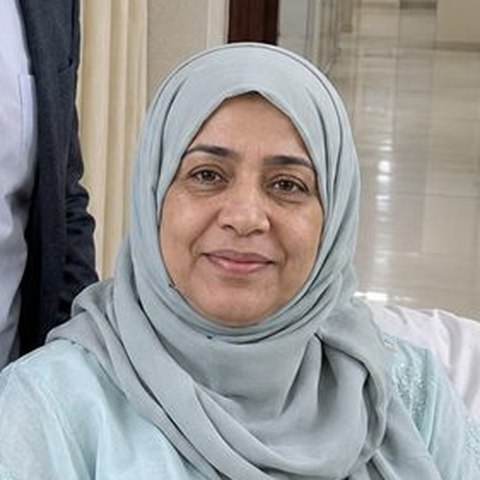
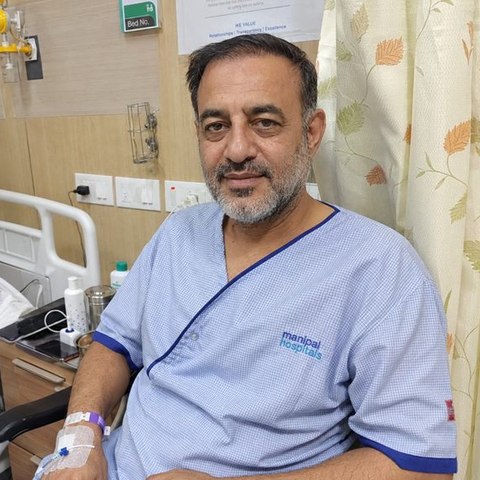
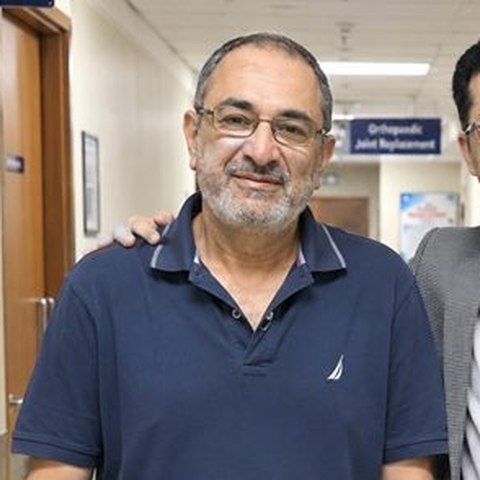
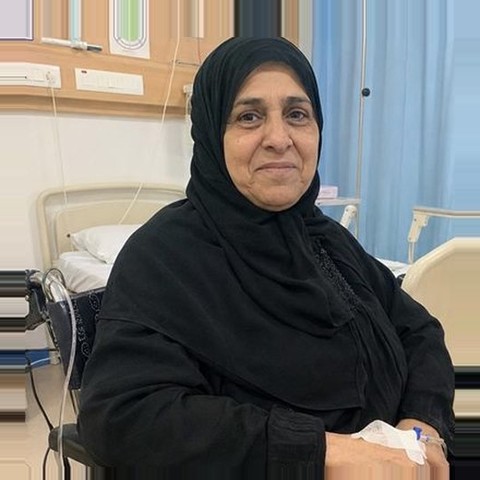
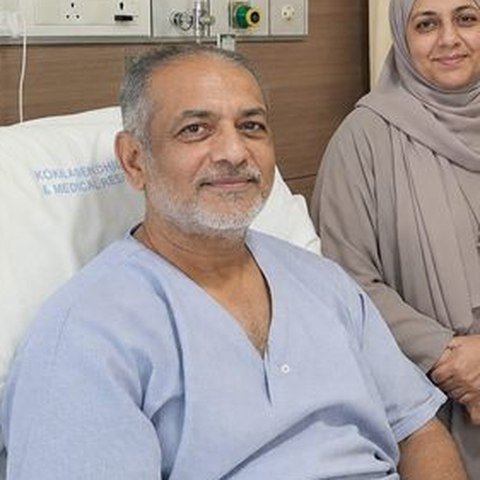
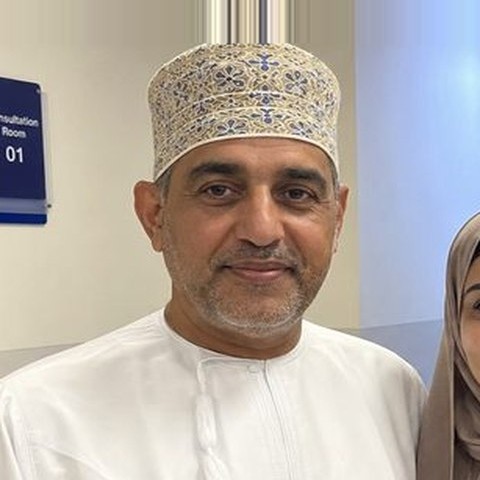
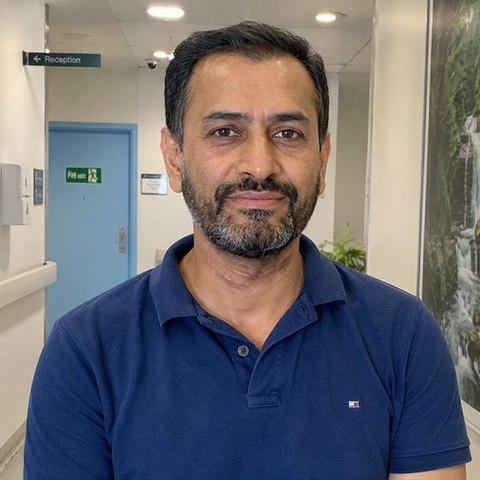
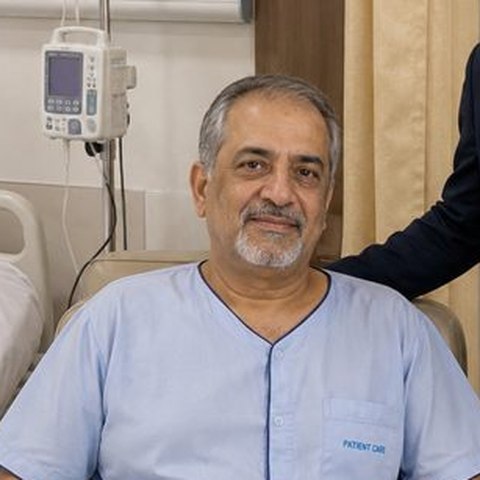
Healing Journeys of Omani Patients

Key Takeaways
- A cornea transplant, or keratoplasty, can restore vision when the cornea has become scarred, swollen or misshapen because of disease, infection or conditions such as keratoconus. The guide emphasises that modern corneal transplantation is not one single operation.
- Modern surgery increasingly replaces only the damaged corneal layers rather than automatically replacing the full thickness of the cornea. This includes DALK for selected anterior corneal disease and DSEK or DMEK when the innermost endothelial layer is affected.
- The choice between full-thickness and lamellar transplantation depends on which corneal layers are damaged. Detailed corneal imaging before surgery is therefore central to selecting the appropriate technique and establishing realistic recovery expectations.
- The guide notes that lamellar procedures such as DALK and DMEK can provide faster visual recovery and lower rejection risk than full-thickness transplantation when the patient's condition is suitable for these techniques.
- India's leading eye institutes in Delhi, Mumbai, Chennai and Hyderabad perform corneal transplantation across modern techniques and are supported by established eye-bank infrastructure with donor-tissue screening standards. The guide highlights both tissue quality and surgeon-specific technical experience as important considerations.
- Not every Omani patient with a corneal condition necessarily needs a transplant. The guide points out that some conditions may respond to less invasive options such as corneal cross-linking or ring implantation, making an accurate diagnosis important before committing to transplantation or overseas travel.
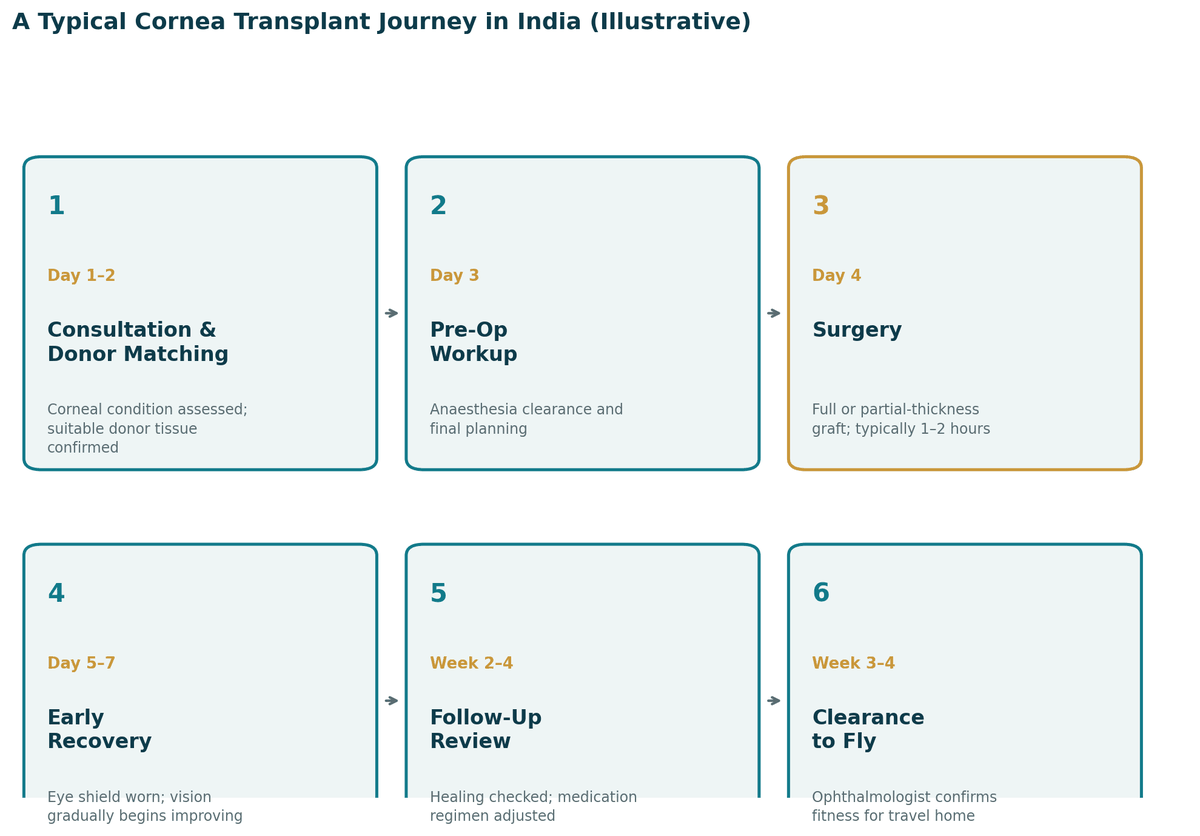
- The illustrated treatment pathway on page 2 shows an approximately three-to-four-week journey. It includes consultation and donor matching on days 1–2, pre-operative work-up on day 3, surgery on day 4, early recovery on days 5–7, follow-up during weeks 2–4 and ophthalmologist clearance to fly around weeks 3–4.
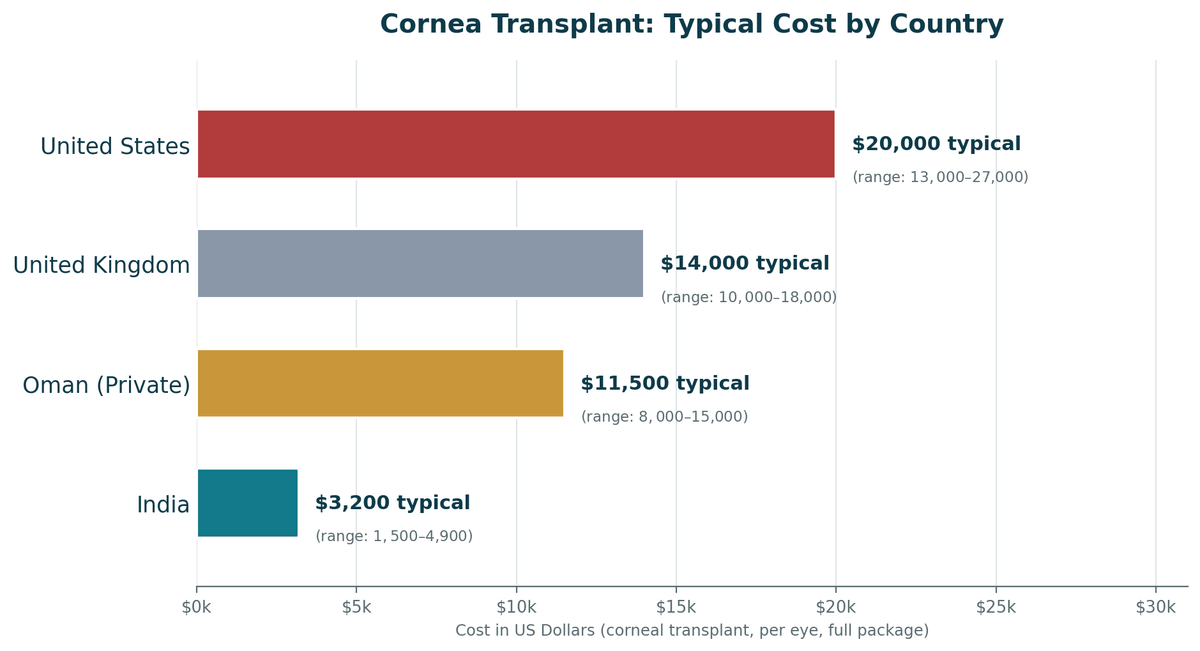
- The page 3 cost chart and table give a representative per-eye corneal transplant cost of US$1,500–4,900 in India, compared with US$8,000–15,000 in private Oman, US$10,000–18,000 in the UK and US$13,000–27,000 in the United States. Lamellar techniques may cost more than standard full-thickness surgery.
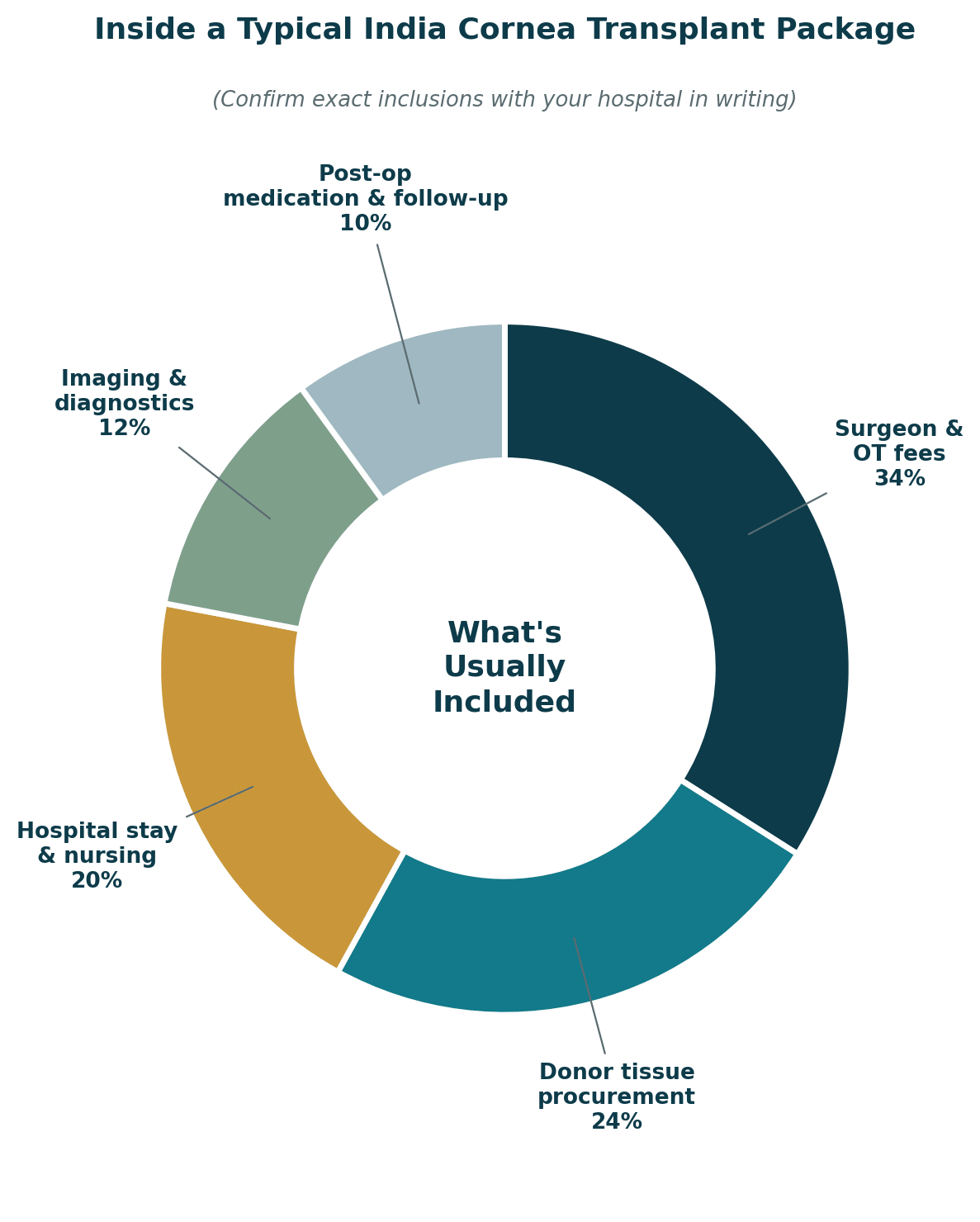
- The page 4 package graphic illustrates a typical India corneal transplant package with surgeon and OT fees at 34%, donor tissue procurement at 24%, hospital stay and nursing at 20%, imaging and diagnostics at 12%, and post-operative medication and follow-up at 10%. Actual hospital inclusions should be confirmed in writing.
- Healing time varies substantially according to the transplant technique. The guide states that full visual stabilisation may take around four to eight weeks for endothelial keratoplasty, while full-thickness penetrating keratoplasty may require approximately twelve to eighteen months.
- Donor tissue quality is a major consideration for Omani patients. The guide recommends asking the Indian eye bank about its donor-tissue screening and quality-assurance standards before selecting a hospital.
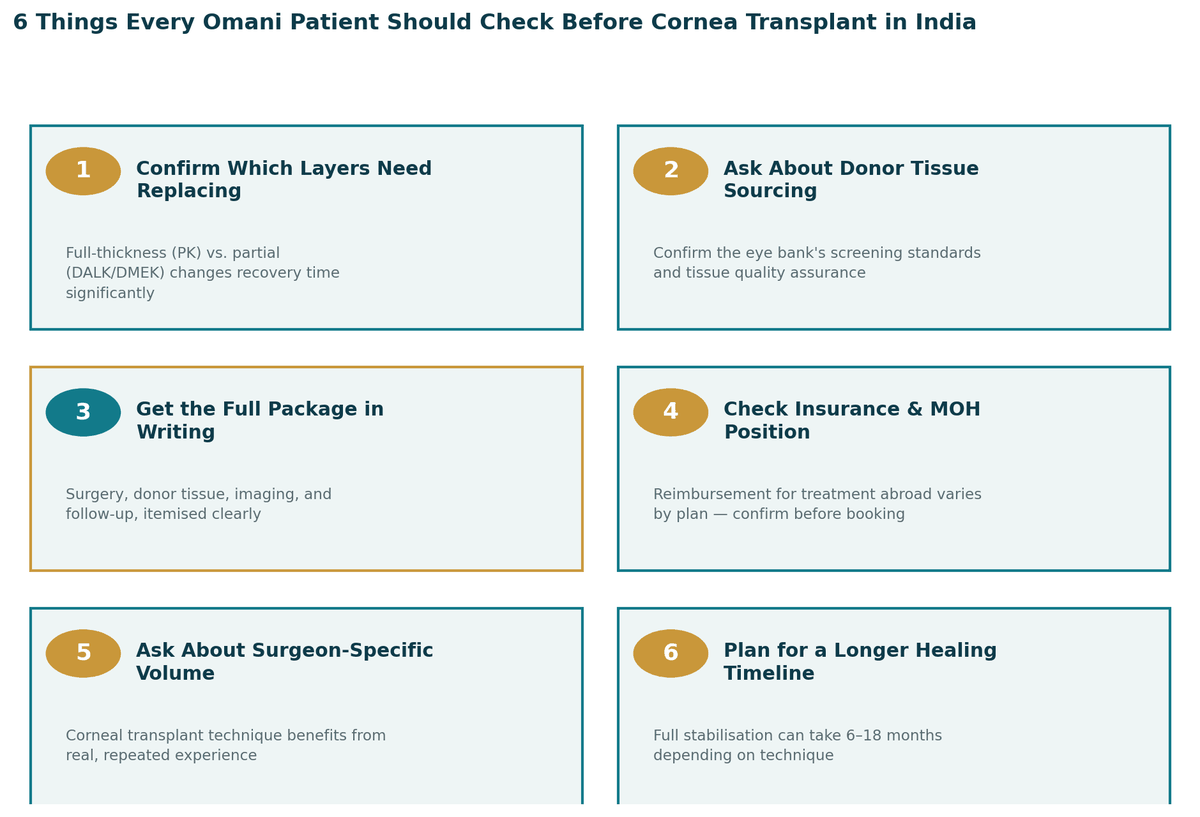
- The page 5 checklist highlights six practical issues: identifying the corneal layers requiring replacement, checking donor-tissue standards, obtaining an itemised package, reviewing insurance and Ministry of Health requirements, confirming technique-specific surgeon experience and planning for a realistic healing timeline.
Quick Facts
- Treatment
- Cornea transplant and advanced eye surgery
- Primary Patients
- Omani patients seeking advanced corneal care in India
- Medical Term
- Keratoplasty
- Main Techniques
- PK, DALK, DSEK and DMEK
- DALK
- Replaces damaged front corneal layers while preserving the patient's healthy inner layer
- DMEK
- Replaces the innermost endothelial layer for suitable conditions
- PK
- Full-thickness penetrating corneal transplant
- Common Conditions
- Keratoconus, corneal scarring, swelling and diseases affecting specific corneal layers
- Alternative Treatments
- Some patients may benefit from cross-linking or ring implantation instead of transplantation
- Main India Cities
- Delhi, Mumbai, Chennai and Hyderabad
- India Cost
- US$1,500–4,900 per eye
- Oman Private Cost
- US$8,000–15,000 per eye
- UK Private Cost
- US$10,000–18,000 per eye
- US Cost
- US$13,000–27,000 per eye
- Typical India Journey
- Approximately 3–4 weeks in the illustrated pathway
- Visual Recovery
- Depends strongly on the transplant technique
- Endothelial Stabilisation
- Approximately 4–8 weeks according to the guide
- Full-Thickness Stabilisation
- Approximately 12–18 months
- Donor Tissue
- Quality-assured donor tissue is an important selection consideration
- Eye Bank Check
- Ask about donor screening and tissue-quality standards
- Surgeon Check
- Confirm experience with the exact transplant technique required
- Package Components
- Surgeon/OT, donor tissue, hospital stay, diagnostics and follow-up
- Insurance
- Confirm Omani insurance or employer reimbursement before travel
- Ministry of Health
- Check the applicable Omani position on overseas treatment
- Follow-Up
- Plan technique-specific ophthalmic follow-up after returning to Oman
- Author
- Dr. Dheeraj Bojwani
- Experience
- 24+ Years
In Brief
Cornea transplant and advanced eye surgery in India may offer Omani patients access to modern techniques tailored to the specific layer of the cornea affected by disease. The guide discusses penetrating keratoplasty (PK), DALK and endothelial procedures such as DSEK and DMEK, with lamellar techniques potentially providing faster visual recovery and lower rejection risk when clinically appropriate. India’s major eye centres in Delhi, Mumbai, Chennai and Hyderabad are supported by established eye-bank infrastructure and experience in modern keratoplasty. For a representative transplant per eye, the guide gives an India cost range of US$1,500–4,900, while recovery can range from several weeks for some endothelial procedures to twelve to eighteen months for full visual stabilisation after penetrating keratoplasty.
Not All Corneal Transplants Are the Same Operation
The cornea has several distinct layers, and modern surgery increasingly replaces only the specific layers that are damaged, rather than the full thickness, as was standard in older penetrating keratoplasty (PK). Deep anterior lamellar keratoplasty (DALK) replaces only the front layers while preserving the patient’s own healthy inner layer, commonly used for keratoconus. Endothelial keratoplasty (DSEK or the more refined DMEK) replaces only the innermost layer, used when that specific layer has failed, as in Fuchs’ dystrophy. These lamellar, partial-thickness techniques generally offer faster visual recovery and lower rejection risk than full-thickness transplant, when the specific condition allows for them.
Which technique applies to you depends entirely on which corneal layers are actually damaged, determined through detailed imaging before surgery. This is worth understanding clearly, since “cornea transplant” is not one single operation, and the specific technique meaningfully affects both your recovery timeline and long-term visual outcome.
What Makes India a Strong Option for Corneal Transplant
India’s leading eye institutes, concentrated in Delhi, Mumbai, Chennai, and Hyderabad, perform a very high volume of corneal transplants each year across all modern techniques, supported by well-established eye banks with rigorous donor tissue screening standards. This volume matters because access to quality-matched donor tissue, and a surgeon’s specific technical experience with lamellar techniques like DALK and DMEK, both directly affect surgical success.
India also gives patients access to the full range of modern keratoplasty techniques, allowing your surgeon to match the technique to your specific corneal condition rather than defaulting to older, full-thickness surgery when a more targeted approach would serve you better. And because Indian hospitals have spent two decades building international ophthalmology pathways for Gulf and African patients, Omani patients arrive to Arabic-speaking coordinators and a well-tested process for reviewing corneal imaging before travel is even booked.
This does not mean every corneal condition needs transplant surgery, or travel for it. Some conditions respond to less invasive interventions like corneal cross-linking or ring implantation. It is genuine transplant candidates, particularly those needing the more technically demanding lamellar techniques, where a high-volume centre with real eye bank infrastructure makes the most difference.
Cost Comparison: India vs. Oman vs. Western Countries
The figures below represent a corneal transplant per eye, in approximate US dollars, for a full package at an accredited private hospital. Lamellar techniques like DALK and DMEK typically carry a premium over standard full-thickness surgery.
| Destination | Typical Cost (Per Eye) | What This Usually Includes |
|---|---|---|
| India | US $1,500 – $4,900 | Surgeon and OT fees, donor tissue, hospital stay, and standard follow-up |
| Oman (private) | US $8,000 – $15,000 | Surgeon fees, donor tissue, hospital stay; varies by technique and hospital tier |
| United Kingdom (private) | US $10,000 – $18,000 | Surgery and hospital stay; follow-up often billed separately |
| United States | US $13,000 – $27,000 | Highly variable by state and hospital; lamellar techniques cost more |
A few honest caveats specific to corneal transplant. First, get a technique-specific quote once your corneal imaging has been reviewed, since PK, DALK, and DMEK sit at different price points and involve genuinely different procedures. Second, ask specifically about the eye bank’s donor tissue screening and quality standards, since this directly affects transplant success. Third, understand honestly that full visual stabilisation varies considerably by technique, ranging from four to eight weeks for endothelial keratoplasty to twelve to eighteen months for full-thickness penetrating keratoplasty, so plan your follow-up expectations around your specific technique.
What a Typical Omani Patient Should Weigh Before Deciding Cornea Transplant in India
Having guided patients through this exact decision for 24 years, here is what I encourage every Omani patient to work through before committing to a hospital:
- Confirm which corneal layers actually need replacing. Send your corneal imaging to an independent ophthalmology team in India before committing. Understand whether full-thickness or a lamellar technique applies to your specific condition.
- Ask about the eye bank’s donor tissue screening standards. Quality-assured donor tissue is central to transplant success. Confirm this is a genuine priority for your treating hospital.
- Get the full package itemised in writing. Surgery, donor tissue, imaging, and follow-up should each be clear before you travel.
- Check your insurance and Ministry of Health position. Some Omani insurance plans and employer health schemes offer partial reimbursement for treatment abroad; others do not cover it at all. Clarify this before you travel, not after.
- Ask specifically about the surgeon’s technique-specific volume. Lamellar techniques like DALK and DMEK have a genuine technical learning curve. Ask how many of these specific procedures the surgeon performs each year.
- Plan for a realistic, technique-specific healing timeline. Full stabilisation ranges from weeks to well over a year depending on the specific procedure. Set expectations accordingly.
A Vision-Focused Closing Thought
Few surgeries offer as direct and life-changing a result as a well-performed cornea transplant — genuinely restoring sight where disease or injury had taken it away. The advances in lamellar technique over the past two decades mean many patients today recover faster and with lower rejection risk than earlier generations of this same surgery, but only when the right technique is properly matched to the specific corneal problem. That matching, done carefully, is what makes the difference between a good outcome and a truly excellent one. A detailed corneal imaging review with an independent specialist is the right first step, wherever you ultimately choose to be treated.
Sources & Further Reading
- National Eye Institute (NEI), National Institutes of Health — Corneal Transplant (nei.nih.gov)
- MedlinePlus, U.S. National Library of Medicine (NIH) — Corneal Transplantation (medlineplus.gov)
- American Academy of Ophthalmology (AAO), non-profit professional association — Corneal Transplant Patient Information (aao.org)
- Eye Bank Association of America (EBAA), non-profit organization — Corneal Transplantation (restoresight.org)
- NHS (UK National Health Service) — Corneal Transplant (nhs.uk)
Frequently Asked Questions by Omani Patients about Cornea Transplant and Advanced Eye Surgery in India
Is cornea transplant surgery in India available for Omani patients?
Yes. The guide describes established Indian eye centres in Delhi, Mumbai, Chennai and Hyderabad that perform modern corneal transplantation and provide international-patient pathways for Omani patients.
Which cornea transplant technique may be recommended for an Omani patient?
It depends on the damaged corneal layer. The guide discusses PK, DALK and endothelial techniques such as DSEK and DMEK, with the choice determined through detailed corneal imaging.
Does every Omani patient with a corneal problem need a transplant in India?
No. Some conditions may respond to less invasive treatments such as corneal cross-linking or ring implantation. A detailed assessment should establish whether transplantation is actually necessary.
How much does a cornea transplant cost in India for Omani patients?
The guide gives an approximate cost of US$1,500–4,900 per eye for a representative full package. Lamellar procedures such as DALK and DMEK may carry a higher cost.
How does cornea transplant cost in India compare with private Oman?
The source lists approximately US$8,000–15,000 per eye in private Oman compared with US$1,500–4,900 in India. The final cost depends on the technique, hospital and donor-tissue requirements.
How long should an Omani patient stay in India after a cornea transplant?
The illustrated pathway on page 2 runs for approximately three to four weeks, including surgery, early recovery, follow-up review and ophthalmologist clearance to fly. Individual healing can require longer follow-up.
How long does vision take to stabilise after cornea transplant surgery?
The guide gives approximately four to eight weeks for visual stabilisation after endothelial keratoplasty, while full-thickness penetrating keratoplasty may require twelve to eighteen months.
What should Omani patients ask about donor corneal tissue in India?
Patients should ask which eye bank supplies the tissue and what donor screening and quality-assurance standards are followed. The guide considers quality-assured donor tissue an important part of transplant success.
Will Omani insurance or the Ministry of Health cover a cornea transplant in India?
Coverage varies. Omani patients should confirm their insurance or employer health scheme and clarify the applicable Ministry of Health position before travelling because overseas treatment may not always be covered.
What should an Omani patient check before choosing a cornea transplant surgeon in India?
The guide recommends confirming experience with the specific technique required, particularly DALK or DMEK, because these procedures have a technical learning curve. Patients should also obtain an independent imaging review and a complete written treatment package before travelling.
Page Summary
This six-page guide explains modern cornea transplantation and advanced eye surgery options for Omani patients considering treatment in India. It begins by showing why corneal transplantation is not a single operation, distinguishing full-thickness PK from layer-specific procedures such as DALK and DMEK. The guide highlights India's eye institutes in Delhi, Mumbai, Chennai and Hyderabad, including access to established eye-bank infrastructure and modern keratoplasty techniques. The page 2 treatment diagram presents an illustrative three-to-four-week pathway from consultation and donor matching through surgery, early recovery, follow-up and clearance to fly. The page 3 cost chart and table compare per-eye transplant costs in India, Oman, the UK and US. Page 4 visually explains the typical India package and its major components, while page 5 provides six important checks covering corneal-layer assessment, donor tissue, written costing, insurance and Ministry of Health requirements, surgeon-specific expertise and realistic healing time.
Citation Block
| Field | Details |
|---|---|
| Article / Topic | Cornea Transplant and Advanced Eye Surgery in India |
| Country / Patients | India / Omani Patients |
| Main Treatment | Corneal transplantation / keratoplasty |
| Key Specialist | Corneal / Ophthalmic Surgeon |
| Main Techniques | PK, DALK, DSEK and DMEK |
| DALK | Replaces damaged anterior layers while preserving the healthy inner layer |
| DMEK | Replaces the damaged innermost endothelial layer |
| PK | Full-thickness corneal transplantation |
| Main Conditions | Keratoconus, corneal scarring, swelling and layer-specific corneal disease |
| Alternative Options | Cross-linking or ring implantation may suit selected patients |
| Main India Cities | Delhi, Mumbai, Chennai and Hyderabad |
| India Cost | US$1,500–4,900 per eye |
| Oman Private Cost | US$8,000–15,000 per eye |
| UK Private Cost | US$10,000–18,000 per eye |
| US Cost | US$13,000–27,000 per eye |
| Typical Journey | Approximately 3–4 weeks in the illustrated pathway |
| Package Components | Surgeon/OT, donor tissue, hospital stay, imaging/diagnostics and follow-up |
| Donor Tissue Check | Verify eye-bank screening and quality standards |
| Technique Check | Confirm the exact corneal layer and transplant technique required |
| Surgeon Check | Ask about annual experience with the specific technique |
| Healing Check | Visual stabilisation varies significantly by procedure |
| Insurance / MOH | Confirm overseas-treatment coverage before travel |
| Follow-Up | Arrange continued ophthalmic monitoring in Oman |
| Key Selection Criterion | Correct technique matched to the damaged corneal layer |
| Important Warning | Do not assume every corneal condition requires transplantation; obtain detailed imaging and an independent assessment |


Our Mission Statement
Our mission is to place patients at the centre of every healthcare decision by providing trustworthy, evidence-based, and unbiased medical information. We believe that informed patients make better decisions. Backed by personalised guidance from our experienced advisory team, we help patients understand their treatment options, compare them objectively, and confidently choose the path that best suits their medical needs and personal circumstances.
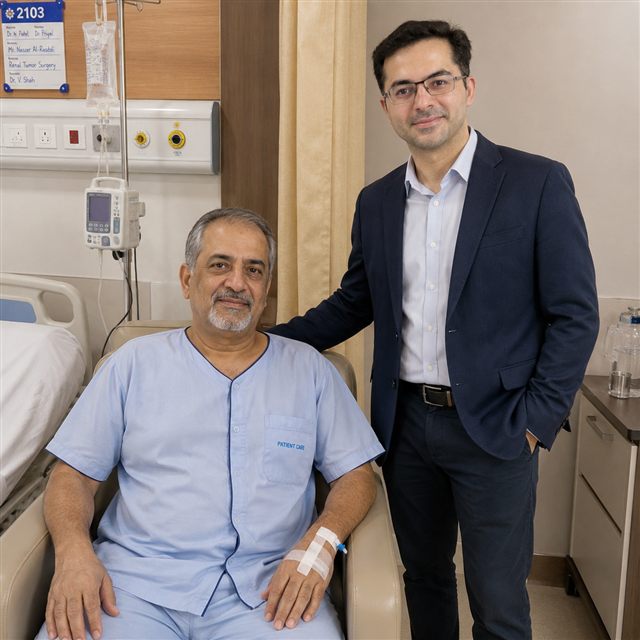
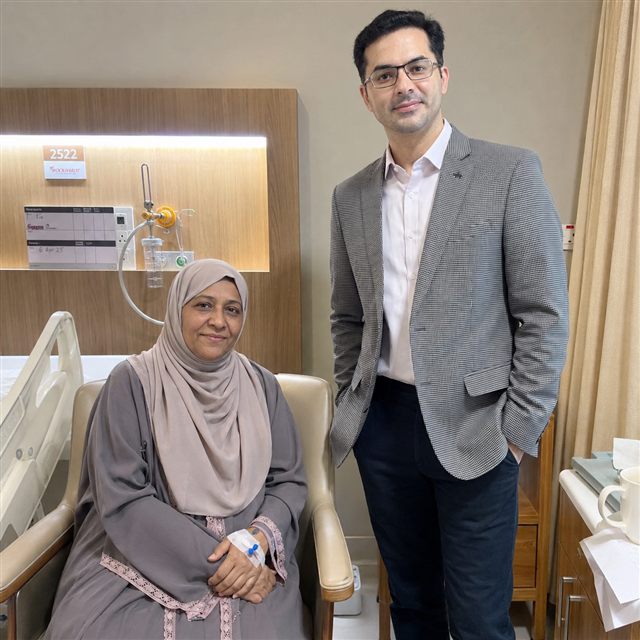
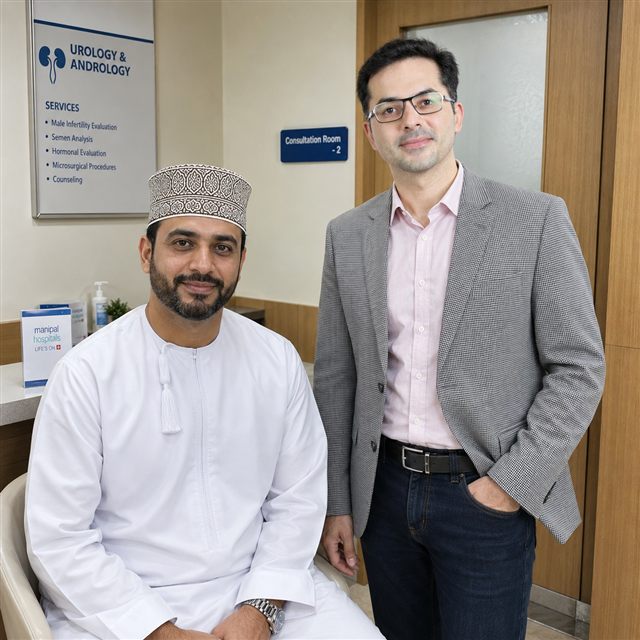
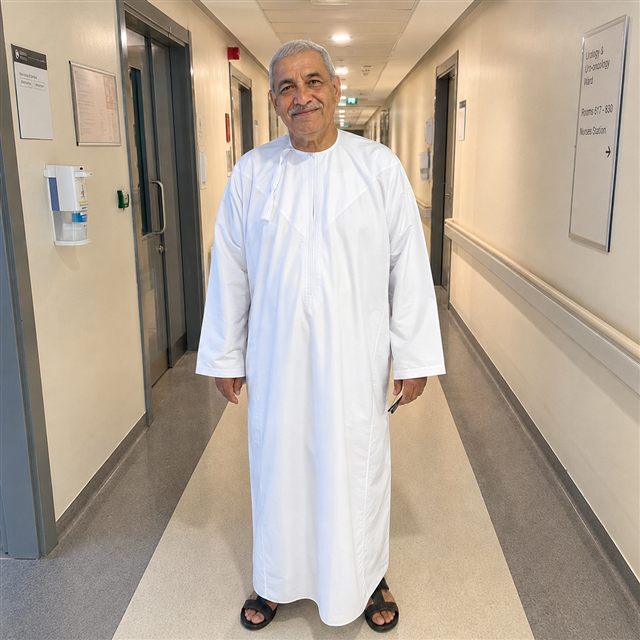
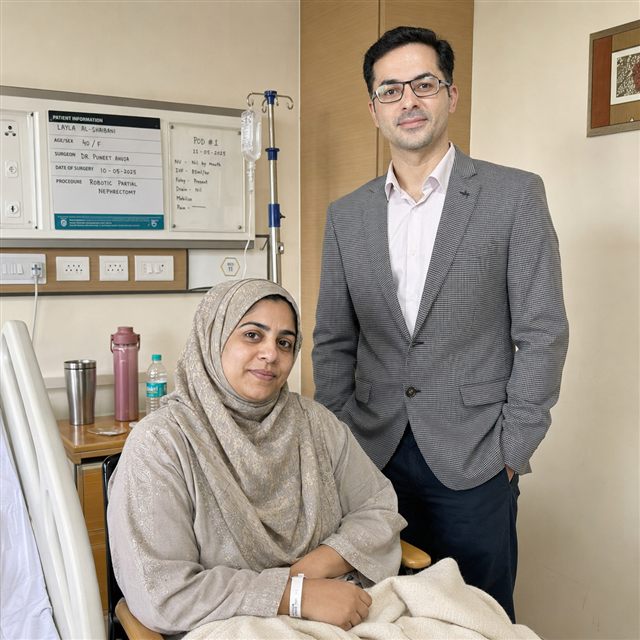
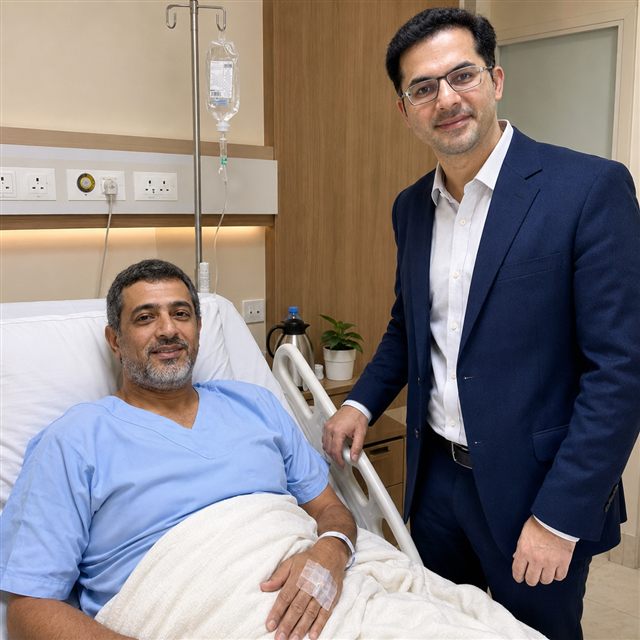
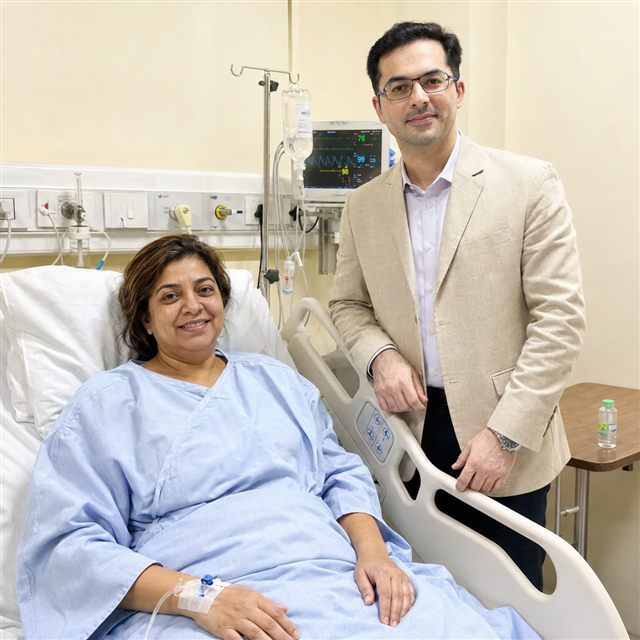
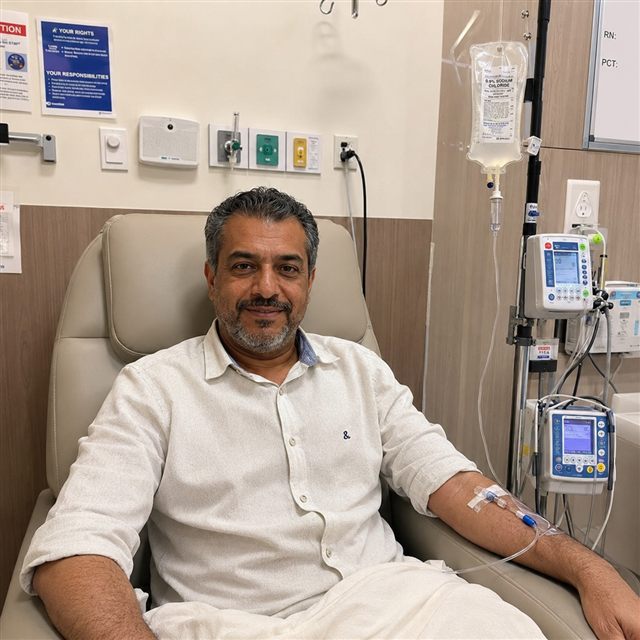
Patient Testimonials from Oman
Ready to Take the First Step?
Share your Medical Reports with our Healthcare Managers Today and Get a FREE CONSULTATION, a Personalized Treatment Plan, and Complete Support from Arrival to Recovery.
Get Your Free ConsultationAreas We Serve
Indian Health Guru Consultants proudly assists patients from Oman and surrounding Middle Eastern countries in accessing advanced, affordable and trusted medical treatment in India. Our team provides complete support for medical opinions, hospital selection, treatment planning, visa assistance, travel coordination, accommodation and post-treatment follow-up.
We regularly serve patients from:
- Oman
- Turkey
- Iran
- Kuwait
- Jordan
- Syria
- Qatar
- Bahrain
- Yemen
- Iraq
- Saudi Arabia
- United Arab Emirates
No matter where you are located, our experienced team is committed to making your medical journey to India safe, smooth, transparent and stress-free from the first enquiry to your return home.
From Oman to India: Your Complete Patient Guide
- Weight Loss and Bariatric Surgery in India for Omanis: Cost & Guide
- Brain Tumor Surgery in India for Omanis: Cost & Guide
- Cancer Treatment in India for Omanis: Cost & Guide
- Cardiac Surgery in India for Omanis: Cost & Guide
- Breast Cancer Treatment in India for Omanis: Cost & Guide
- Neurosurgery in India for Omanis: Cost & Guide
- Spine Surgery in India for Omanis: Cost & Guide
- Bone Marrow Transplant in India for Omanis: Cost & Guide
- Kidney Transplant in India for Omanis: Cost & Guide
- Best Dentists and Clinics for Dental Surgery in India for Omani Patients
- Best Doctors and Hospitals for Blood Cancer Treatment in India for Omani Patients
- Best Bone Marrow Transplant Doctors and Hospitals in India for Omani Patients
- Best IVF and Fertility Doctors and Hospitals in India for Omani Couples
- Best Bariatric Surgeons and Hospitals for Weight Loss Surgery in India for Omani Patients
- Best Brain Tumor Surgery Doctors and Hospitals in India for Omani Patients
- Best Cardiac Surgeons and Hospitals in India for Omani Patients
- Best Colorectal Cancer Surgeons and Hospitals in India for Omani Patients
- Best Surgeons and Hospitals for Complex Joint Revision Surgery in India for Omani Patients