

Colorectal Cancer Treatment and Surgery in India for Omanis: A Doctor’s Guide to Making the Right Decision
A practical guide for Omani patients covering colon and rectal cancer surgery, stoma considerations, surgical approaches, treatment costs, travel planning and coordinated follow-up.
Colorectal cancer often arrives with a set of questions patients did not expect to be asking — not just “will I need surgery,” but “will I need a stoma,” and “will it be permanent.” These are deeply personal concerns, and in my experience they are frequently the ones patients are most hesitant to raise directly with their doctor. Over 24 years of advising Gulf families through colorectal cancer treatment, I want to address these questions head-on, because clear answers matter enormously here. Oman’s hospitals, including Apollo Hospital Muscat, Badr Al Samaa, Aster Al Raffah, and Burjeel Medical Centre, provide gastroenterology and oncology consultation, and are the right starting point for colonoscopy, staging, and initial treatment planning. This guide is written to help Omani patients understand, honestly and without sales pressure, the real decisions involved in colorectal cancer surgery, and what to check carefully before deciding where to have it done.
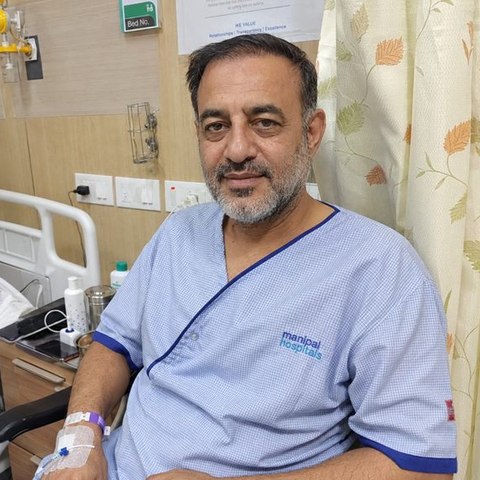
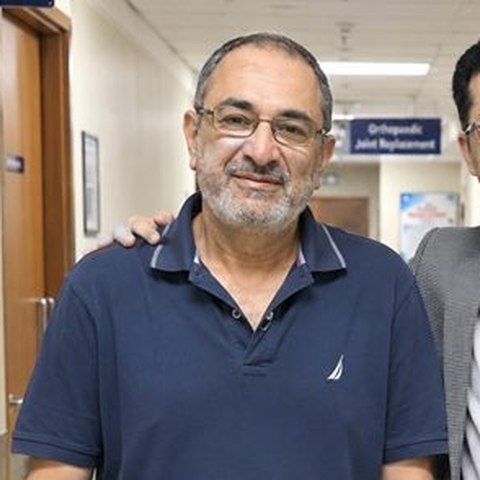
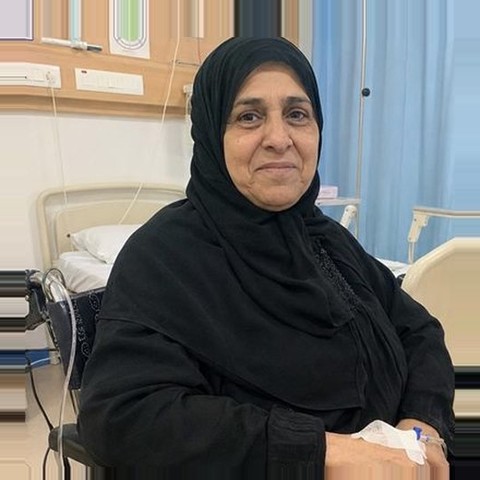
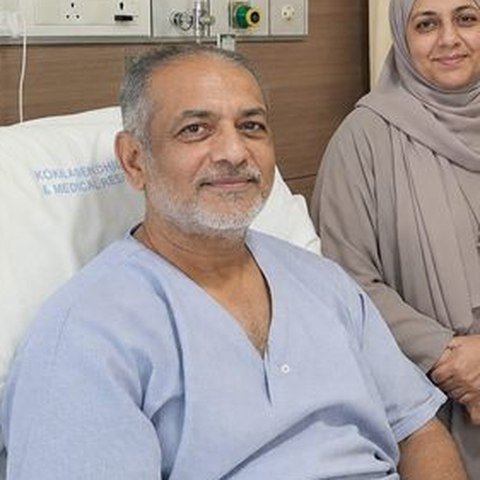
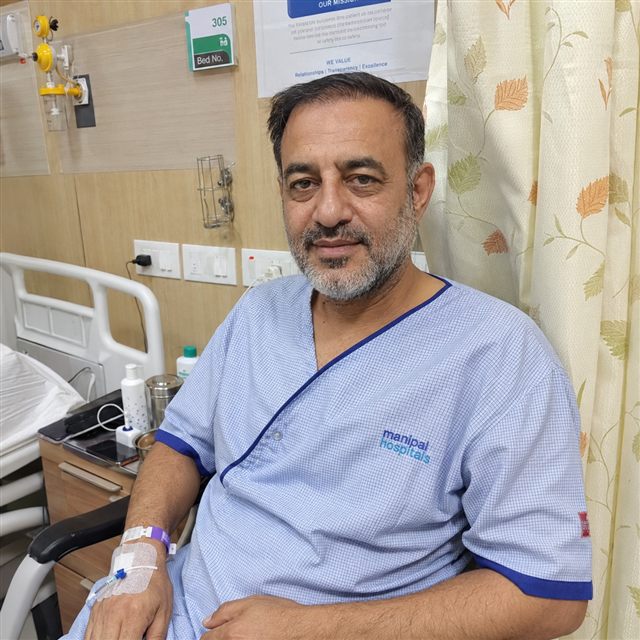
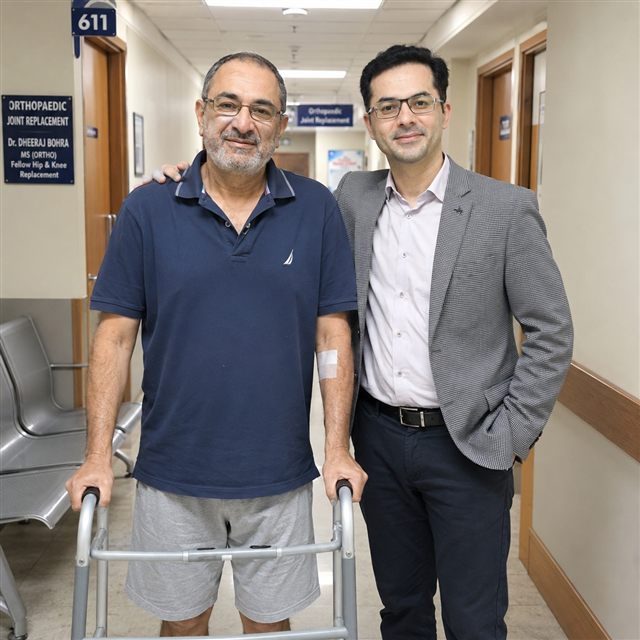
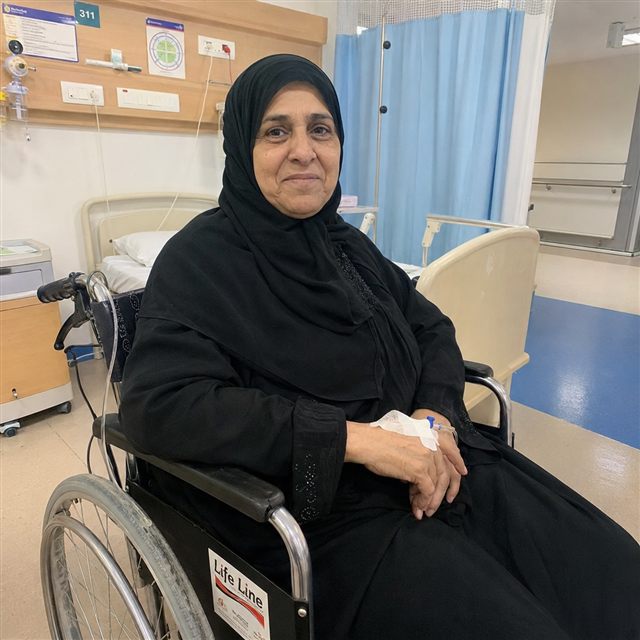
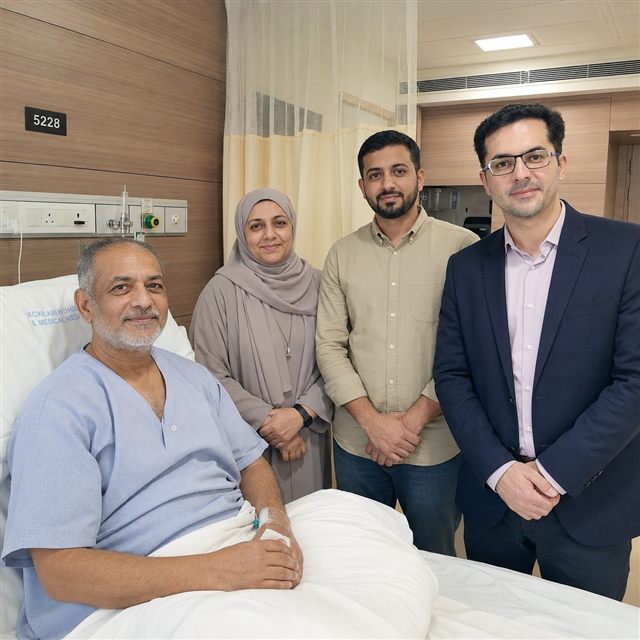
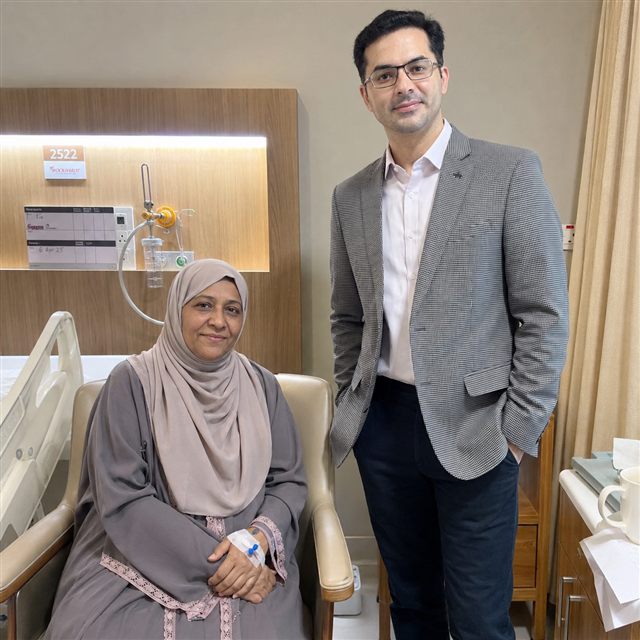
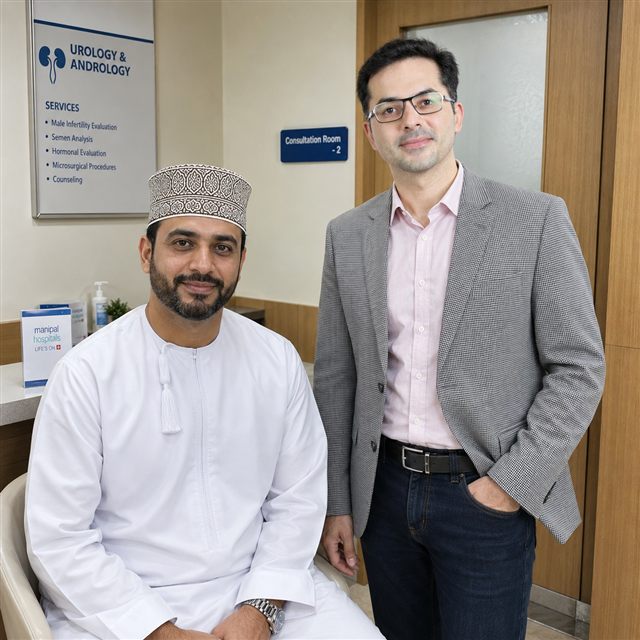
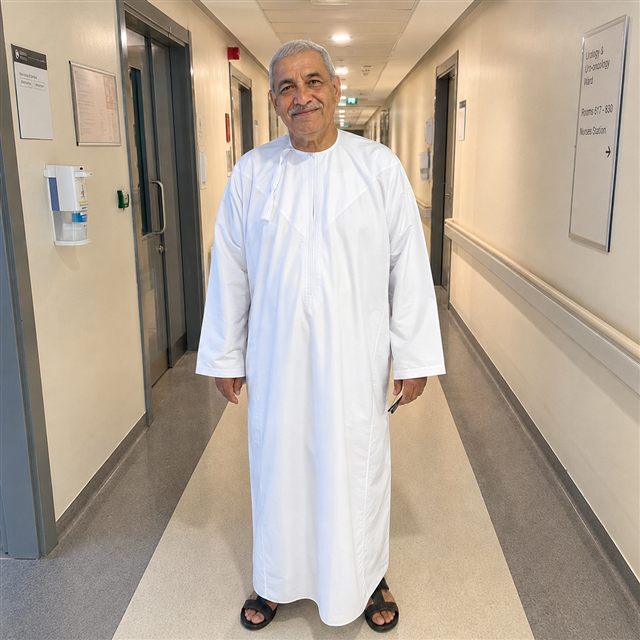
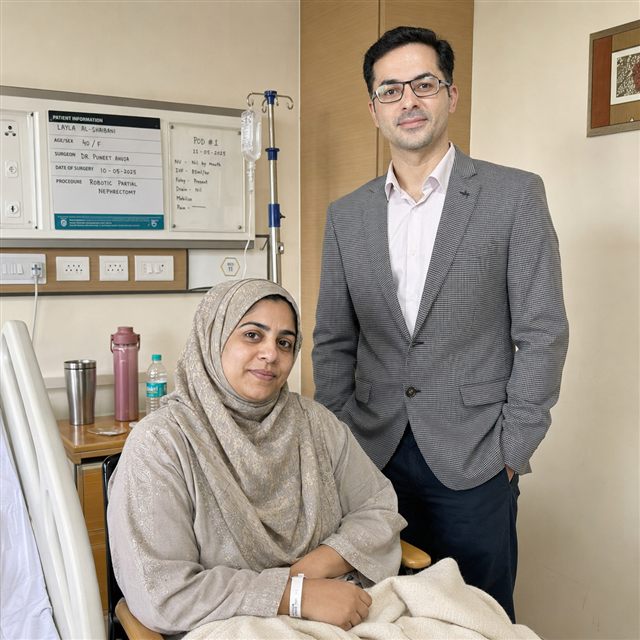
Healing Journeys of Omani Patients


Key Takeaways
- Colon and rectal cancer require different surgical planning. The guide explains that colon cancer surgery can often allow the bowel to be reconnected immediately, while low rectal cancers near the anal sphincter have a greater possibility of requiring a temporary or permanent stoma.
- The possibility of a stoma should be discussed before surgery. Omani patients are advised to ask whether a stoma is likely, whether it would be temporary or permanent, and what the realistic probability is based on the tumour's exact location.
- Sphincter-preserving expertise can be particularly important for low rectal cancer. The guide highlights that preserving the anal sphincter is technically demanding, making procedure-specific surgeon experience an important factor when evaluating treatment in India.
- India offers multiple surgical approaches. Leading centres can provide laparoscopic, robotic and open colorectal surgery, allowing the approach to be matched to the tumour rather than automatically using one technique. Multidisciplinary tumour boards can also coordinate surgery with chemotherapy or radiation when required.
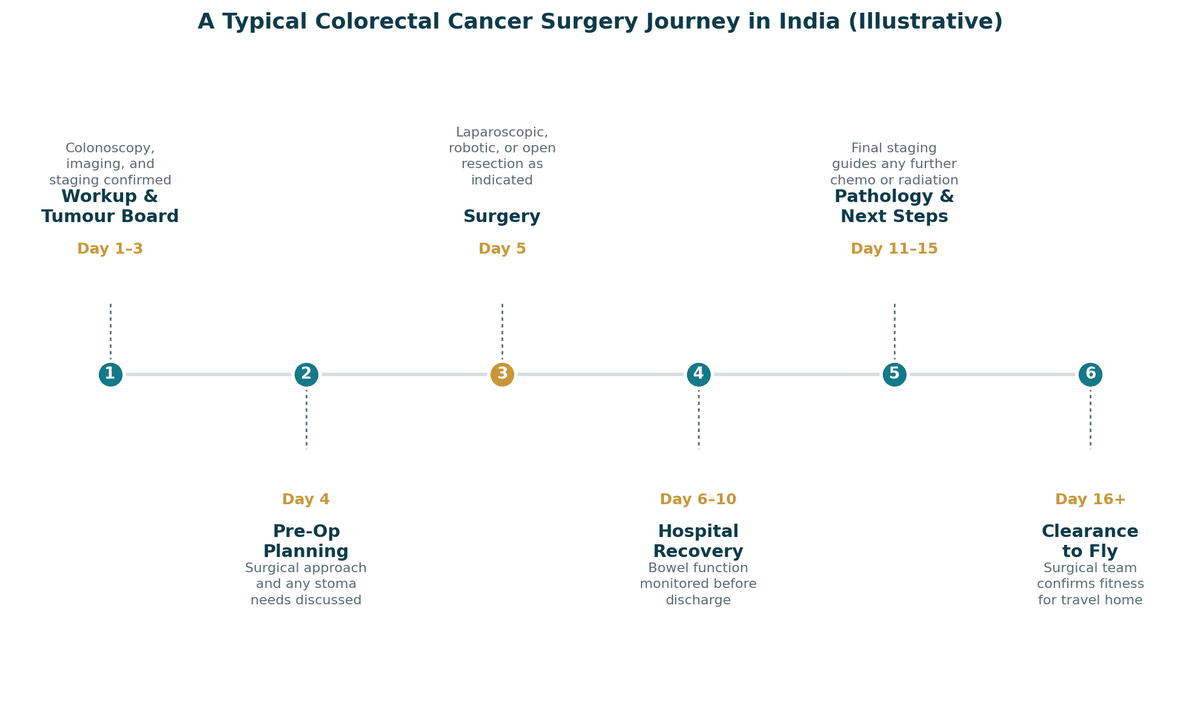
- The illustrated treatment pathway on page 2 runs from diagnosis review through clearance to fly. It shows work-up and tumour-board review on days 1–3, pre-operative planning on day 4, surgery on day 5, hospital recovery on days 6–10, pathology and planning for further treatment on days 11–15, and clearance to fly from day 16 onward.
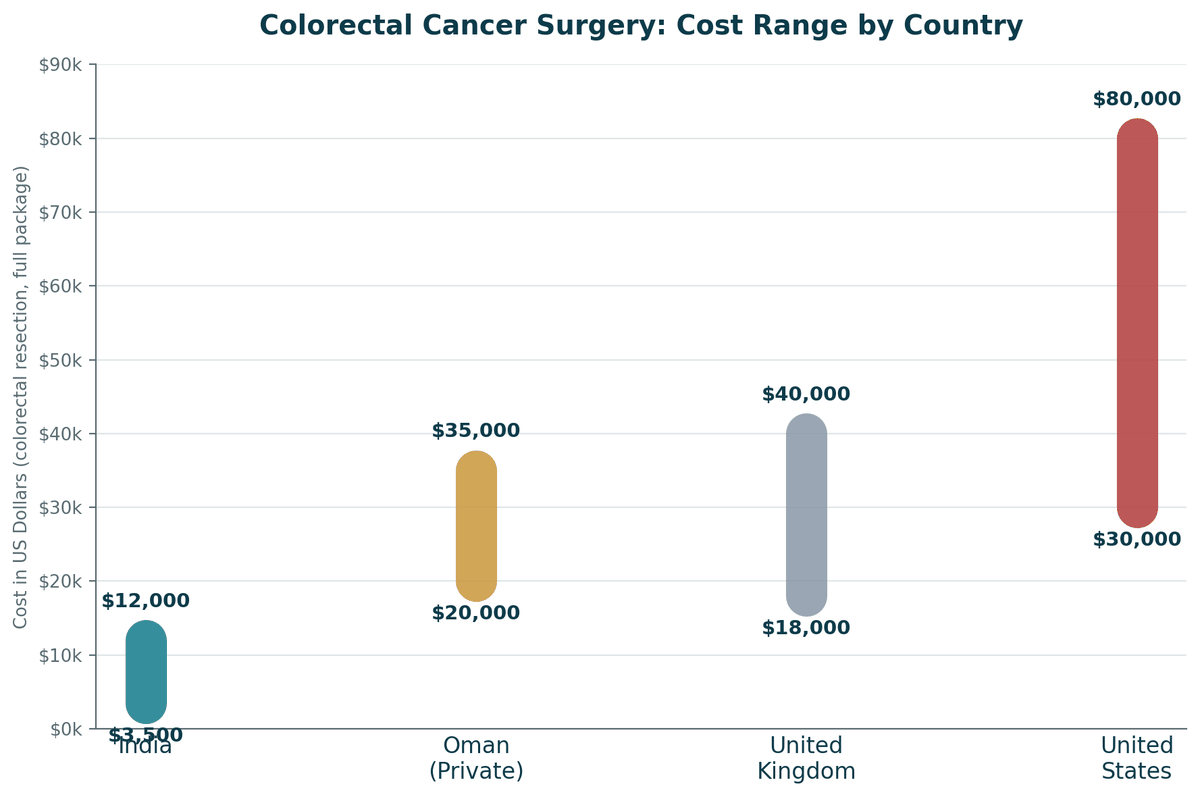
- India's colorectal resection cost is substantially lower than the comparison countries in the guide. The page 3 chart gives an approximate range of US$3,500–12,000 in India, compared with US$20,000–35,000 in private Oman, US$18,000–40,000 in the UK and US$30,000–80,000+ in the US.
- Tumour location is a major cost and complexity driver. A straightforward colon resection and a technically demanding low rectal cancer requiring sphincter-preserving surgery should not be treated as equivalent procedures. The guide recommends obtaining a location-specific quotation after imaging has been reviewed.
- A temporary stoma may require a separate future procedure. If reversal is planned, patients should ask when reversal is expected and what it will cost, because stoma reversal is generally a separate procedure performed months later.
- HIPEC may enter the discussion in selected advanced disease. The guide identifies HIPEC as a related but distinct procedure that may be considered when colorectal cancer has spread to the peritoneum, requiring a separate discussion with the surgical team.
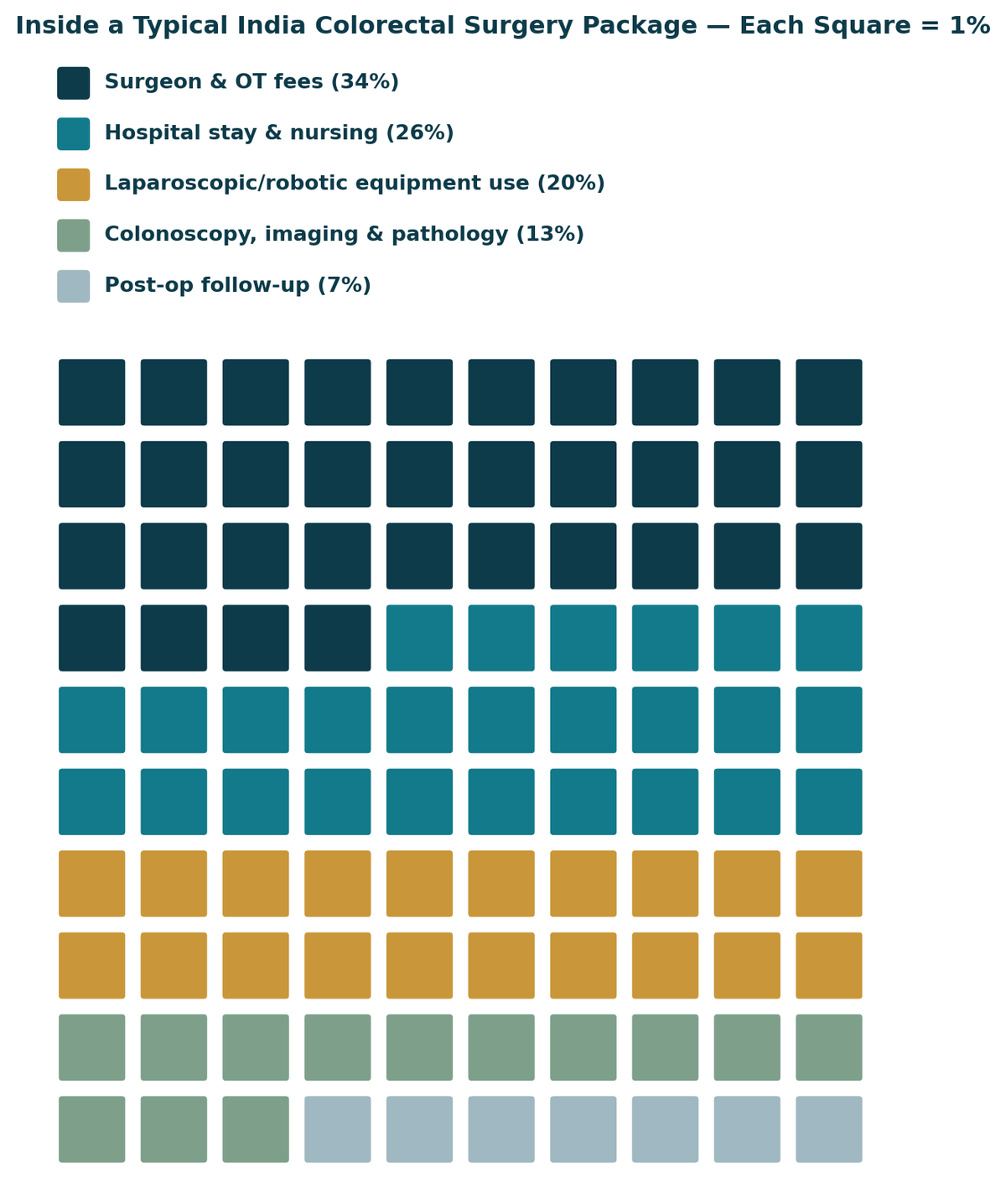
- The page 4 package graphic shows the main components of a typical India colorectal surgery package. It allocates approximately 34% to surgeon and OT fees, 26% to hospital stay and nursing, 20% to laparoscopic/robotic equipment use, 13% to colonoscopy, imaging and pathology, and 7% to post-operative follow-up.
- Chemotherapy and radiation are generally separate costs. The source notes that these treatments, when required, are typically priced separately by cycle or course rather than being automatically included in the colorectal resection package.
- Omani patients should plan the entire cancer pathway, not only the operation. If chemotherapy or radiation is needed before or after surgery, the Indian team should coordinate with the patient's oncology team in Oman so that treatment can continue after returning home.
Quick Facts
- Treatment
- Colorectal cancer treatment and surgery
- Primary Patients
- Omani patients seeking colorectal cancer care in India
- Main Cancer Types
- Colon cancer and rectal cancer
- Key Surgical Concern
- Whether a stoma will be required and whether it may be temporary or permanent
- Main Procedures
- Colon resection, rectal resection and sphincter-preserving surgery
- Surgical Approaches
- Laparoscopic, robotic and open surgery
- Advanced Procedure
- HIPEC may be discussed for selected peritoneal spread
- Main India Cities
- Delhi, Mumbai, Chennai and Bengaluru
- India Cost
- US$3,500–12,000 for colorectal resection
- Oman Private Cost
- US$20,000–35,000
- UK Private Cost
- US$18,000–40,000
- US Cost
- US$30,000–80,000+
- Typical Treatment Journey
- Work-up from days 1–3, surgery around day 5 and clearance from approximately day 16 onward
- Stoma Reversal
- Usually a separate procedure months later when reversal is appropriate
- Key Specialist
- Colorectal surgeon / surgical oncologist
- Tumour Board
- Helps coordinate surgery with chemotherapy or radiation when required
- Cost Driver
- Tumour location and surgical complexity
- Package Check
- Confirm surgery, imaging, pathology and follow-up in writing
- Approach Check
- Ask why laparoscopic, robotic or open surgery is recommended
- Insurance
- Confirm Omani insurance or employer reimbursement before travel
- Ministry of Health
- Check the applicable Omani position on overseas treatment
- Follow-Up
- Coordinate ongoing oncology care between India and Oman
- Author
- Dr. Dheeraj Bojwani
- Experience
- 24+ Years
In Brief
Colorectal cancer surgery in India for Omani patients requires careful attention to the distinction between colon and rectal cancer, particularly when a rectal tumour is located close to the anal sphincter. The guide explains that low rectal cancers may require temporary or permanent stoma formation, while colon resections can often be reconnected without a stoma. India's leading colorectal centres offer laparoscopic, robotic and open approaches, alongside multidisciplinary tumour boards that can coordinate surgery with chemotherapy and radiation. For colorectal resection, the guide gives an approximate India cost of US$3,500–12,000, although tumour location and complexity can significantly change the final price.
Colon Cancer and Rectal Cancer Are Not the Same Decision
Though often grouped together, cancer in the colon and cancer in the rectum involve meaningfully different surgical considerations. Colon cancer surgery, whether a right or left hemicolectomy or a total colectomy, generally allows the surgeon to reconnect the remaining bowel ends immediately, often without any need for a stoma. Rectal cancer, particularly when located low in the rectum near the anal sphincter, is more likely to require either a temporary stoma to protect a new surgical connection while it heals, or in some cases a permanent stoma if the tumour is too close to the sphincter to preserve normal function.
This distinction should shape every conversation you have about surgery. Ask your surgeon directly, and specifically, whether a stoma is likely for your case, whether it would be temporary or permanent, and what the realistic probability is either way based on your tumour’s exact location. A surgeon who addresses this plainly, rather than deflecting until after surgery, is giving you the information you need to prepare, both practically and emotionally.
What Makes India a Strong Option for Colorectal Cancer Surgery
India’s leading colorectal and surgical oncology centres, concentrated in Delhi, Mumbai, Chennai, and Bengaluru, perform a very high volume of colon and rectal cancer surgeries each year, spanning straightforward laparoscopic resections to complex, sphincter-preserving rectal surgery for low tumours. This volume matters because sphincter preservation in particular is a technically demanding skill where a surgeon’s specific experience directly affects both cancer clearance and long-term bowel function.
India also gives patients access to laparoscopic, robotic, and open surgical approaches, allowing the technique to be matched to the specific tumour rather than defaulting to whatever a single hospital happens to offer, alongside genuine multidisciplinary tumour boards that coordinate surgery with any chemotherapy or radiation the case requires. And because Indian hospitals have spent two decades building international oncology pathways for Gulf and African patients, Omani patients arrive to Arabic-speaking coordinators and a well-tested process for reviewing colonoscopy and imaging results before travel is even booked.
This does not mean every colorectal cancer case needs to travel. It means that for rectal cancers near the sphincter, or any case where a patient wants a genuinely independent opinion on whether a stoma is truly unavoidable, a centre with deep, specific experience in sphincter-preserving technique deserves serious consideration.
Cost Comparison: India vs. Oman vs. Western Countries
The figures below cover colorectal resection surgery, in approximate US dollars, for a full package at an accredited private hospital. Chemotherapy and radiation therapy, where needed, are typically priced separately by cycle or course, in every country.
| Destination | Typical Cost (Colorectal Resection) | What This Usually Includes |
|---|---|---|
| India | US $3,500 – $12,000 | Surgeon and OT fees, hospital stay, colonoscopy, and standard post-op care |
| Oman (private) | US $20,000 – $35,000 | Surgeon fees, hospital stay, diagnostics; varies by tumour location and complexity |
| United Kingdom (private) | US $18,000 – $40,000 | Surgery and hospital stay; further treatment often billed separately |
| United States | US $30,000 – $80,000+ | Highly variable by state and hospital; complex rectal cases can exceed this range considerably |
A few honest caveats specific to colorectal cancer surgery. First, tumour location, not just cancer type, is the biggest driver of both surgical complexity and cost — a straightforward colon resection and a low rectal cancer requiring sphincter-sparing technique are very different undertakings, so insist on a location-specific quote once imaging has been reviewed. Second, if a temporary stoma is anticipated, ask specifically about the timeline for reversal surgery, since this is typically a separate procedure months later, with its own cost. Third, for peritoneal spread from advanced colorectal cancer, HIPEC may be part of the discussion — a related but distinct procedure worth its own separate conversation with your surgical team.
What a Typical Omani Patient Should Weigh Before Deciding Colorectal Surgery in India
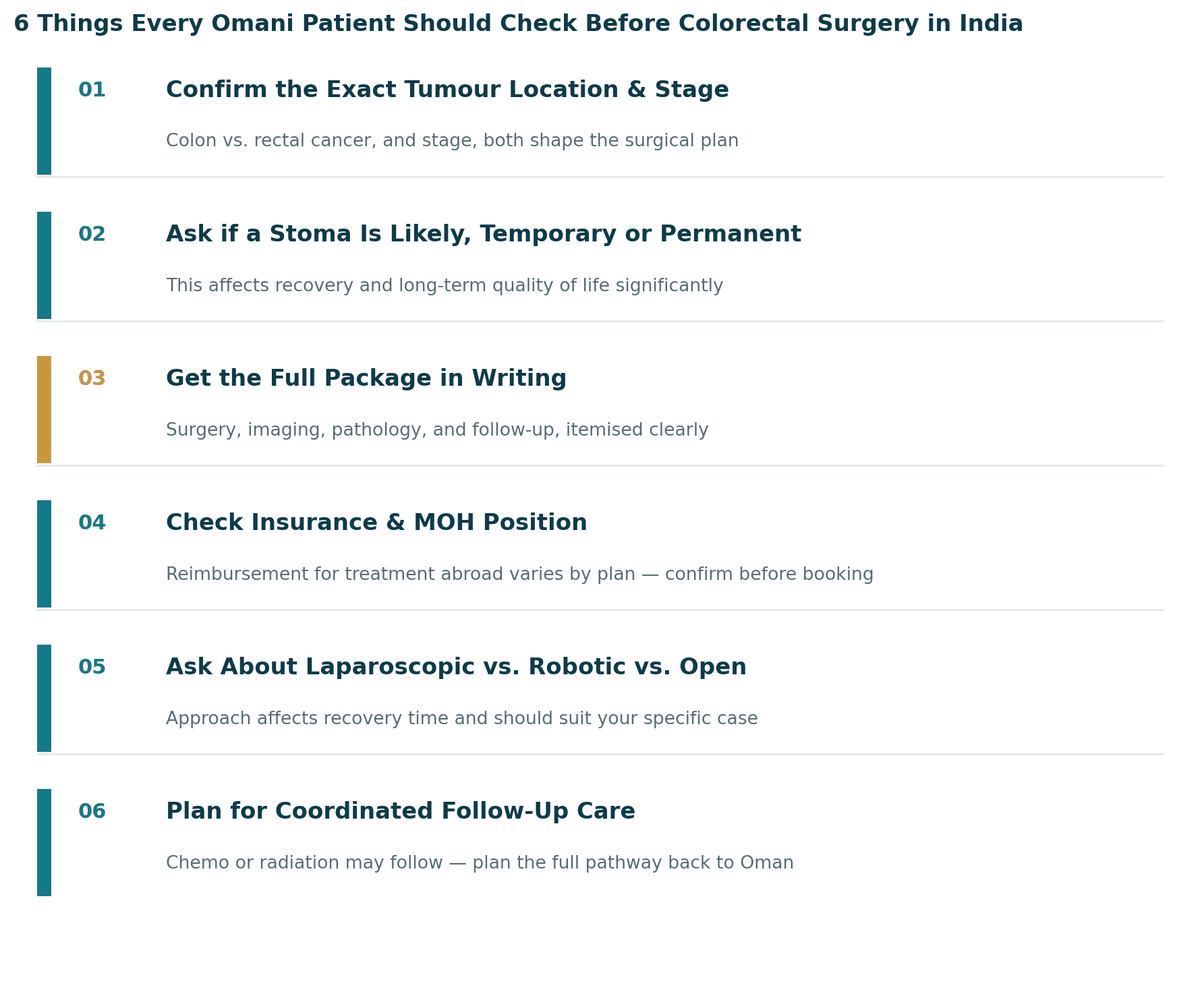
Having guided patients through this exact decision for 24 years, here is what I encourage every Omani family to work through before committing to a hospital:
- Confirm the exact tumour location and stage. Send your colonoscopy and imaging results to an independent colorectal surgical team in India before committing. Colon and rectal cancer are genuinely different surgical decisions.
- Ask directly whether a stoma is likely, and whether it would be temporary or permanent. Get a specific, honest answer based on your tumour’s exact location, not a general reassurance either way.
- Get the full package itemised in writing. Surgery, imaging, pathology, and follow-up should each be clear, along with what a stoma reversal procedure would cost separately if applicable.
- Check your insurance and Ministry of Health position. Some Omani insurance plans and employer health schemes offer partial reimbursement for treatment abroad; others do not cover it at all. Clarify this before you travel, not after.
- Ask which surgical approach is planned, and why. Laparoscopic, robotic, and open approaches each have different recovery profiles. Understand why a specific technique is being recommended for your case.
- Plan for the full treatment pathway, not just the surgery. Understand whether chemotherapy or radiation is likely before or after surgery, and confirm your Indian team will coordinate with an oncologist in Oman for ongoing care.
A Direct Closing Thought
The questions patients hesitate to ask — about stomas, about permanence, about what daily life looks like afterward — are exactly the ones worth asking plainly and early. A surgeon who answers them with the same directness deserves your trust more than one who offers only reassurance without specifics. Clarity, even when the answer is difficult, is what actually helps a family prepare. Bringing your imaging and colonoscopy results to an independent surgical opinion, and asking the direct questions, is worth doing before any decision is finalised.
Sources & Further Reading
- National Cancer Institute (NCI), National Institutes of Health — Colorectal Cancer Treatment (cancer.gov)
- MedlinePlus, U.S. National Library of Medicine (NIH) — Colorectal Cancer (medlineplus.gov)
- American Cancer Society (ACS), non-profit organization — Surgery for Colorectal Cancer (cancer.org)
- American Society of Colon and Rectal Surgeons (ASCRS), non-profit professional association — Patient Resources (fascrs.org)
- NHS (UK National Health Service) — Bowel Cancer Treatment (nhs.uk)
Frequently Asked Questions by Omani Patients about Colorectal Cancer Treatment and Surgery in India
Is colorectal cancer surgery in India suitable for Omani patients with both colon and rectal cancer?
Yes, but the surgical plan differs between the two. Omani patients should have their tumour location, stage and imaging reviewed because rectal cancers, particularly low tumours, can involve different surgical decisions and stoma considerations.
Will an Omani patient need a stoma after colorectal cancer surgery in India?
Not necessarily. Colon surgery often allows immediate reconnection, while low rectal cancer has a higher possibility of a temporary or permanent stoma. The exact risk depends on tumour location and the planned operation.
Can an Omani patient ask an Indian surgeon whether the stoma will be temporary or permanent?
Yes. The guide strongly recommends asking this before surgery and obtaining a specific explanation based on the tumour's exact location rather than relying on general reassurance.
How much does colorectal cancer surgery cost in India for Omanis?
The guide gives approximately US$3,500–12,000 for colorectal resection at an accredited private hospital. More complex rectal surgery, additional treatment or other procedures can increase the final cost.
How does colorectal surgery cost in India compare with private Oman?
The source gives approximately US$20,000–35,000 for colorectal resection in private Oman versus US$3,500–12,000 in India. The actual quotation depends on tumour location, complexity and hospital package.
Which surgical approaches are available to Omani colorectal cancer patients in India?
Indian centres may offer laparoscopic, robotic or open surgery. Omani patients should ask why a particular approach is appropriate for their tumour rather than selecting a technique simply because it is available.
How long might an Omani patient stay in India for colorectal cancer surgery?
The illustrative pathway shows work-up during days 1–3, surgery around day 5, hospital recovery through approximately day 10, pathology and further-treatment planning through days 11–15, and clearance to fly from day 16 onward.
Is chemotherapy included in the colorectal surgery package for Omani patients?
Usually not. The guide states that chemotherapy and radiation, when required, are typically priced separately by cycle or course, so the full cancer-treatment pathway should be discussed before travel.
What should Omani patients check with their insurance and Ministry of Health before travelling to India?
They should confirm whether their insurance or employer health scheme reimburses overseas treatment and clarify the applicable Ministry of Health position before booking travel, because coverage can vary.
How should an Omani patient plan follow-up after colorectal cancer surgery in India?
The Indian team should provide a clear plan for pathology review, further chemotherapy or radiation if needed, and post-operative care. The guide recommends coordinating ongoing oncology care with a team in Oman after returning home.
Page Summary
This six-page guide helps Omani patients understand the major decisions involved in colorectal cancer treatment and surgery in India. It begins by explaining why colon and rectal cancers cannot be treated as identical surgical problems, with particular emphasis on the possibility of a temporary or permanent stoma in low rectal cancer. It then outlines India's laparoscopic, robotic and open surgical capabilities and the role of multidisciplinary tumour boards. The page 2 treatment-pathway diagram presents an illustrative journey from work-up and tumour-board review through surgery, recovery, pathology and clearance to fly. The page 3 cost chart and table compare colorectal resection costs in India, Oman, the UK and US. Page 4 visually breaks down a typical India package and highlights tumour location, stoma reversal and possible HIPEC considerations. Page 5 presents six checks for Omani patients, including tumour location and stage, stoma planning, written costing, insurance and Ministry of Health requirements, surgical approach and coordinated follow-up.
Citation Block
| Field | Details |
|---|---|
| Article / Topic | Colorectal Cancer Treatment and Surgery in India |
| Country / Patients | India / Omani Patients |
| Main Cancer Types | Colon cancer and rectal cancer |
| Key Specialist | Colorectal Surgeon / Surgical Oncologist |
| Main Procedures | Colon resection, rectal resection and sphincter-preserving surgery |
| Key Surgical Difference | Colon and rectal cancers require different surgical planning |
| Stoma Consideration | May be temporary or permanent, particularly with low rectal cancer |
| Sphincter Preservation | Requires specialised experience for low rectal tumours |
| Surgical Approaches | Laparoscopic, robotic and open |
| Tumour Board | Coordinates surgery with chemotherapy or radiation when needed |
| HIPEC | May be discussed for selected peritoneal spread |
| India Cost | US$3,500–12,000 |
| Oman Private Cost | US$20,000–35,000 |
| UK Private Cost | US$18,000–40,000 |
| US Cost | US$30,000–80,000+ |
| Main Cost Driver | Tumour location and surgical complexity |
| Typical Journey | Work-up days 1–3; surgery around day 5; clearance from day 16+ |
| Package Components | Surgeon/OT, hospital stay, equipment, diagnostics and follow-up |
| Stoma Reversal | Separate procedure, generally months after initial surgery |
| Cost Check | Request a location-specific, itemised quotation |
| Insurance / MOH | Confirm overseas-treatment coverage before travel |
| Follow-Up | Coordinate further oncology care with the Oman team |
| Key Selection Criterion | Procedure-specific colorectal and sphincter-preserving expertise |
| Important Warning | Do not assume a stoma is unavoidable or avoidable without reviewing tumour location and stage |


Our Mission Statement
Our mission is to place patients at the centre of every healthcare decision by providing trustworthy, evidence-based, and unbiased medical information. We believe that informed patients make better decisions. Backed by personalised guidance from our experienced advisory team, we help patients understand their treatment options, compare them objectively, and confidently choose the path that best suits their medical needs and personal circumstances.
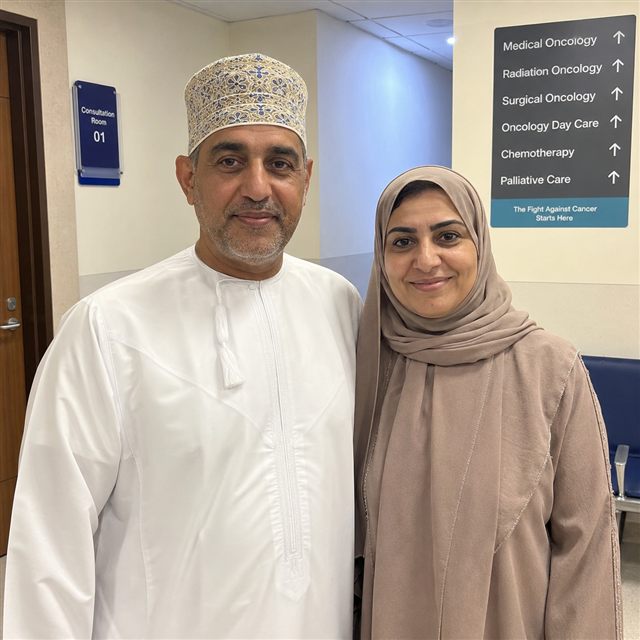
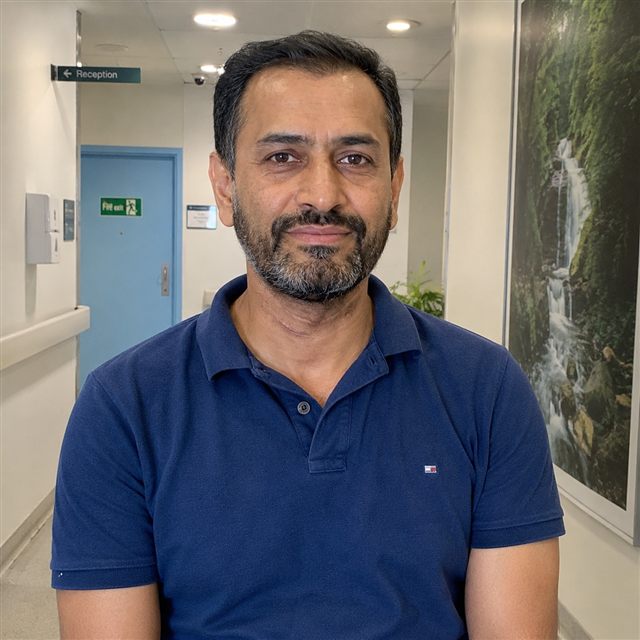
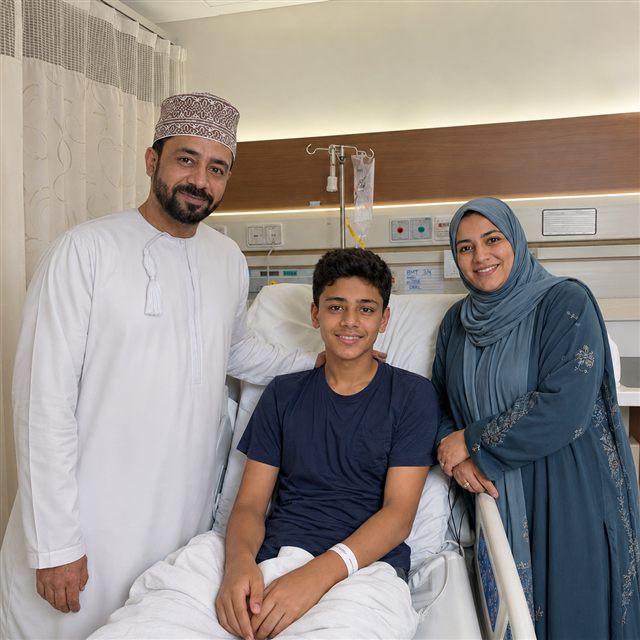
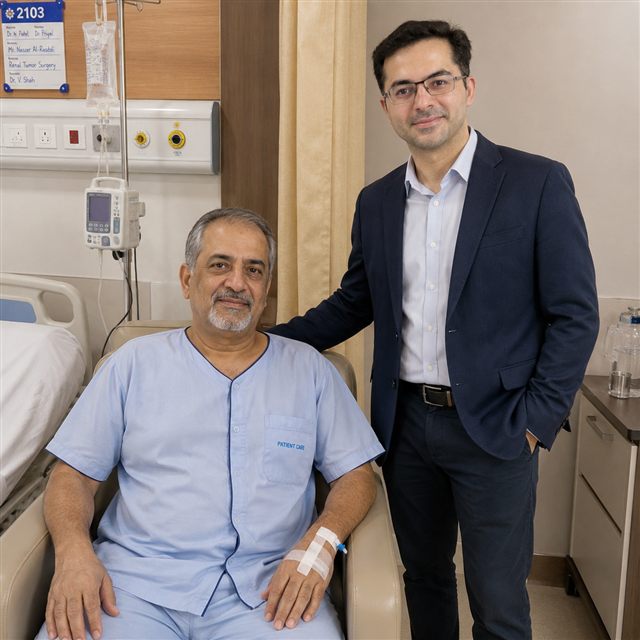
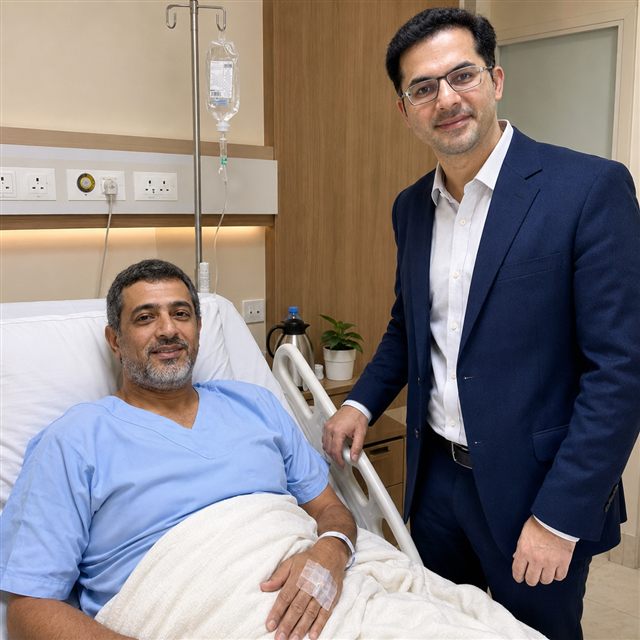
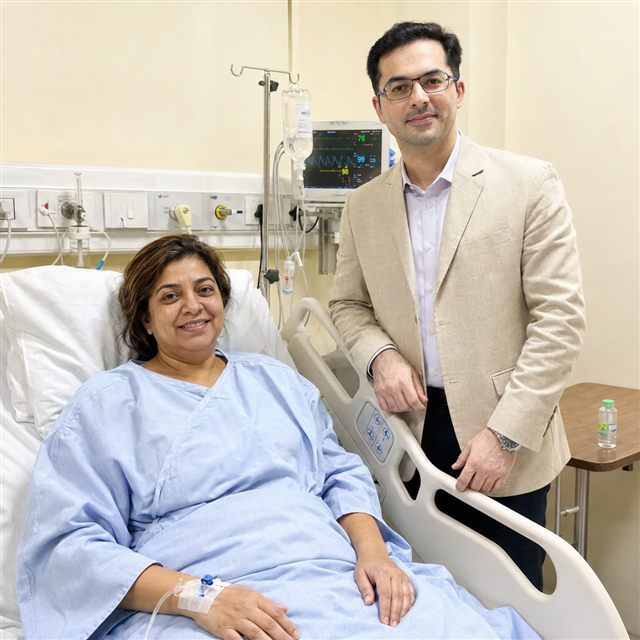
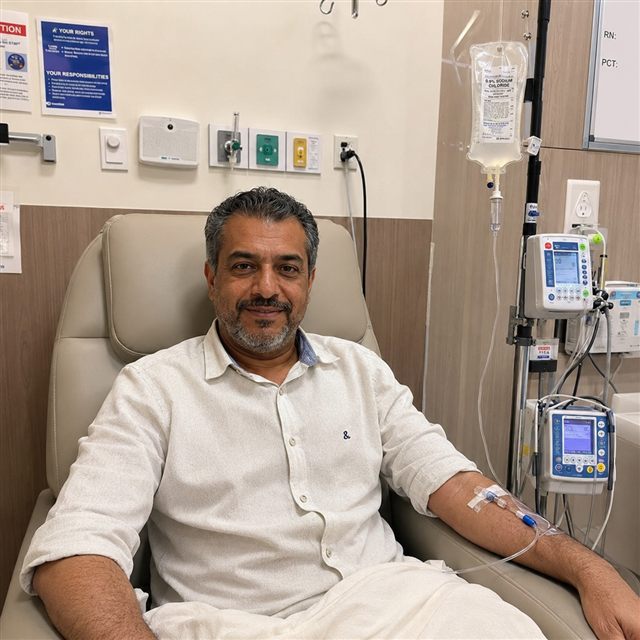
Patient Testimonials from Oman
Ready to Take the First Step?
Share your Medical Reports with our Healthcare Managers Today and Get a FREE CONSULTATION, a Personalized Treatment Plan, and Complete Support from Arrival to Recovery.
Get Your Free ConsultationAreas We Serve
Indian Health Guru Consultants proudly assists patients from Oman and surrounding Middle Eastern countries in accessing advanced, affordable and trusted medical treatment in India. Our team provides complete support for medical opinions, hospital selection, treatment planning, visa assistance, travel coordination, accommodation and post-treatment follow-up.
We regularly serve patients from:
- Oman
- Turkey
- Iran
- Kuwait
- Jordan
- Syria
- Qatar
- Bahrain
- Yemen
- Iraq
- Saudi Arabia
- United Arab Emirates
No matter where you are located, our experienced team is committed to making your medical journey to India safe, smooth, transparent and stress-free from the first enquiry to your return home.
From Oman to India: Your Complete Patient Guide
- Weight Loss and Bariatric Surgery in India for Omanis: Cost & Guide
- Brain Tumor Surgery in India for Omanis: Cost & Guide
- Cancer Treatment in India for Omanis: Cost & Guide
- Cardiac Surgery in India for Omanis: Cost & Guide
- Breast Cancer Treatment in India for Omanis: Cost & Guide
- Neurosurgery in India for Omanis: Cost & Guide
- Spine Surgery in India for Omanis: Cost & Guide
- Bone Marrow Transplant in India for Omanis: Cost & Guide
- Kidney Transplant in India for Omanis: Cost & Guide
- Best Dentists and Clinics for Dental Surgery in India for Omani Patients
- Best Doctors and Hospitals for Blood Cancer Treatment in India for Omani Patients
- Best Bone Marrow Transplant Doctors and Hospitals in India for Omani Patients
- Best IVF and Fertility Doctors and Hospitals in India for Omani Couples
- Best Bariatric Surgeons and Hospitals for Weight Loss Surgery in India for Omani Patients
- Best Brain Tumor Surgery Doctors and Hospitals in India for Omani Patients
- Best Cardiac Surgeons and Hospitals in India for Omani Patients
- Best Colorectal Cancer Surgeons and Hospitals in India for Omani Patients
- Best Surgeons and Hospitals for Complex Joint Revision Surgery in India for Omani Patients