

Cardiac Pacemaker Treatment in India for Omanis: A Doctor’s Guide to Making the Right Decision
A practical guide to cardiac pacemaker treatment in India for Omani patients, covering device selection, implantation, MRI compatibility, costs, battery life and long-term monitoring.
Of all the cardiac decisions I discuss with Omani patients, pacemaker implantation is often the one that generates the most relief once properly explained — it is a routine, well-understood procedure, not the major open-heart surgery many patients initially fear. Over 24 years of advising Gulf patients on cardiac care, I want to walk Omani patients through what a pacemaker actually does, the genuine choices involved in device selection, and what to check carefully before deciding where to have one implanted. Oman’s hospitals, including Apollo Hospital Muscat, Badr Al Samaa, Aster Al Raffah, and Burjeel Medical Centre, provide cardiology consultation and pacemaker implantation, and are a reasonable starting point for diagnosis and evaluation. This guide is written to help Omani patients understand, honestly and without sales pressure, the device choices genuinely worth discussing with a cardiologist, and what to verify before choosing where to have the procedure.
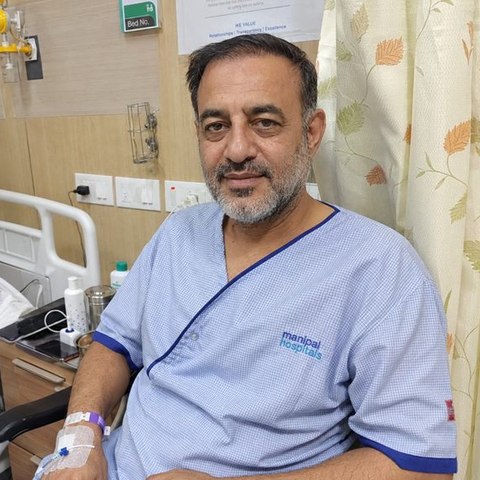
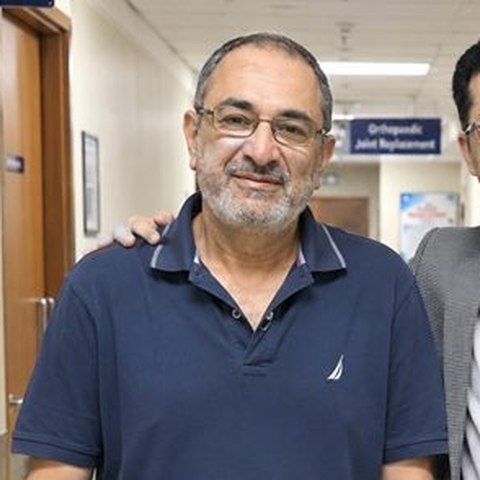
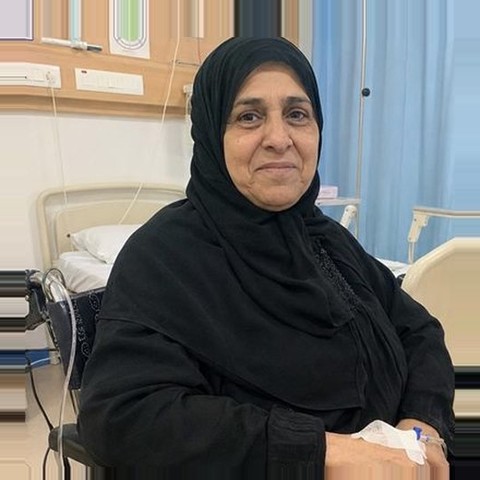
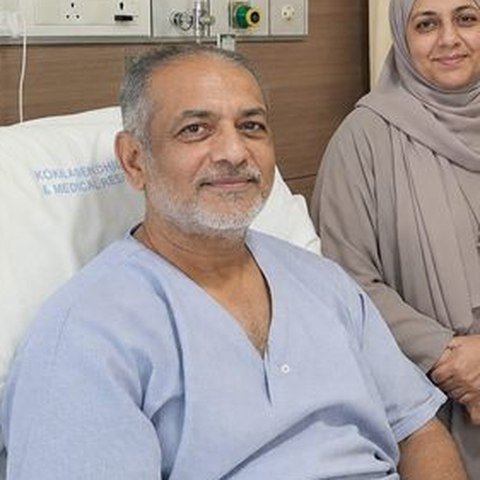
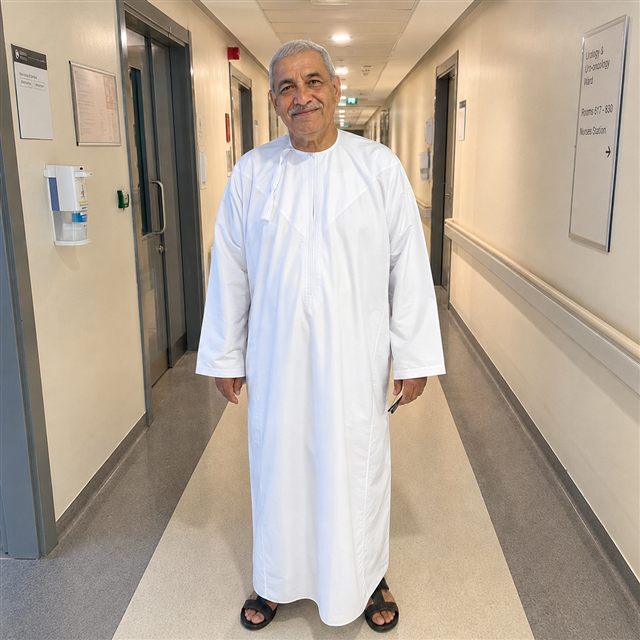
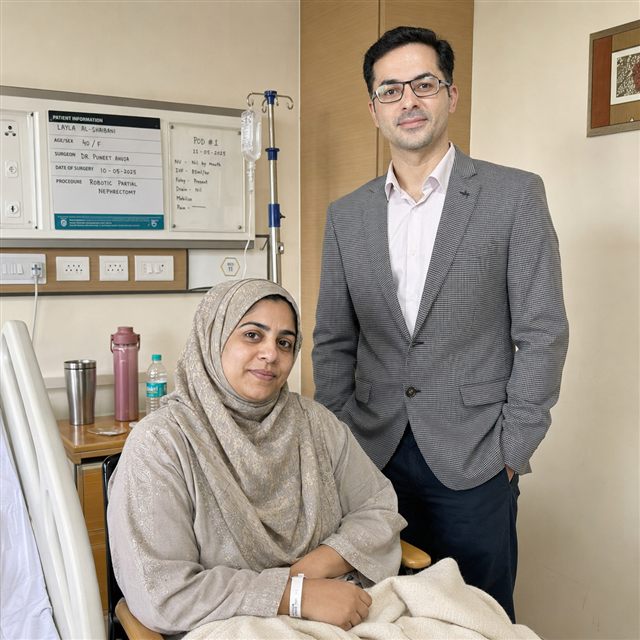
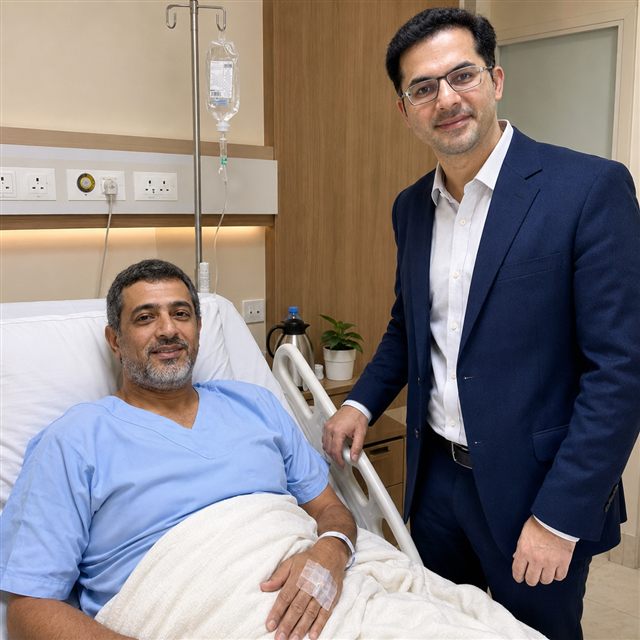
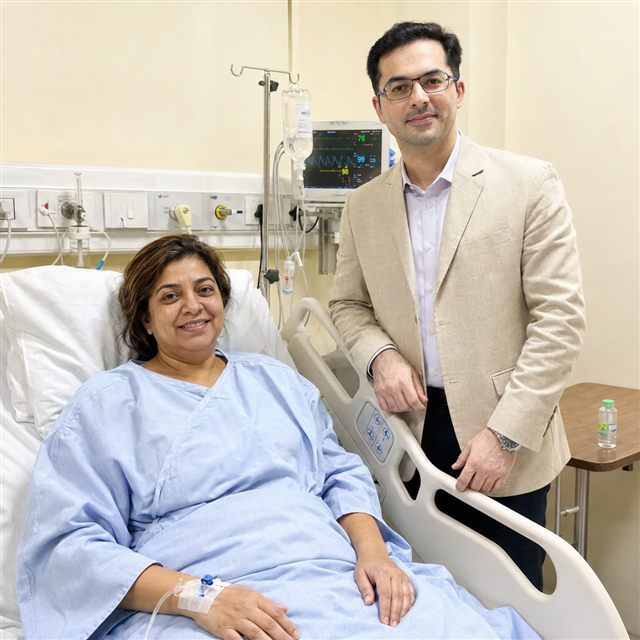
Healing Journeys of Omani Patients


Key Takeaways
- A pacemaker is a small implanted device that monitors the heart's electrical activity and delivers electrical impulses when needed. The guide explains that pacemakers are primarily used for bradycardia and related conduction problems, rather than every type of abnormal heart rhythm.
- Pacemaker implantation is generally a minimally invasive procedure, usually performed under local anaesthesia and taking around one to two hours. Many patients can leave the hospital the same day or after a short overnight stay, depending on their health and the procedure.
- The major decision is often which type of pacemaker is appropriate. The guide covers single-chamber, dual-chamber, biventricular/CRT and leadless devices, with the choice determined by the patient's specific rhythm disorder rather than by which device is newest or most expensive.
- India's cardiac centres in Delhi, Chennai, Mumbai and Bengaluru perform high volumes of pacemaker implantations and provide access to different device categories. The guide highlights MRI-compatible devices, leadless systems and products from major international manufacturers.
- The guide emphasises that the value of travelling to India is primarily device choice and procedure-specific expertise, rather than simply the location of treatment. Omani patients should choose a cardiologist experienced with the exact device recommended for their rhythm problem.
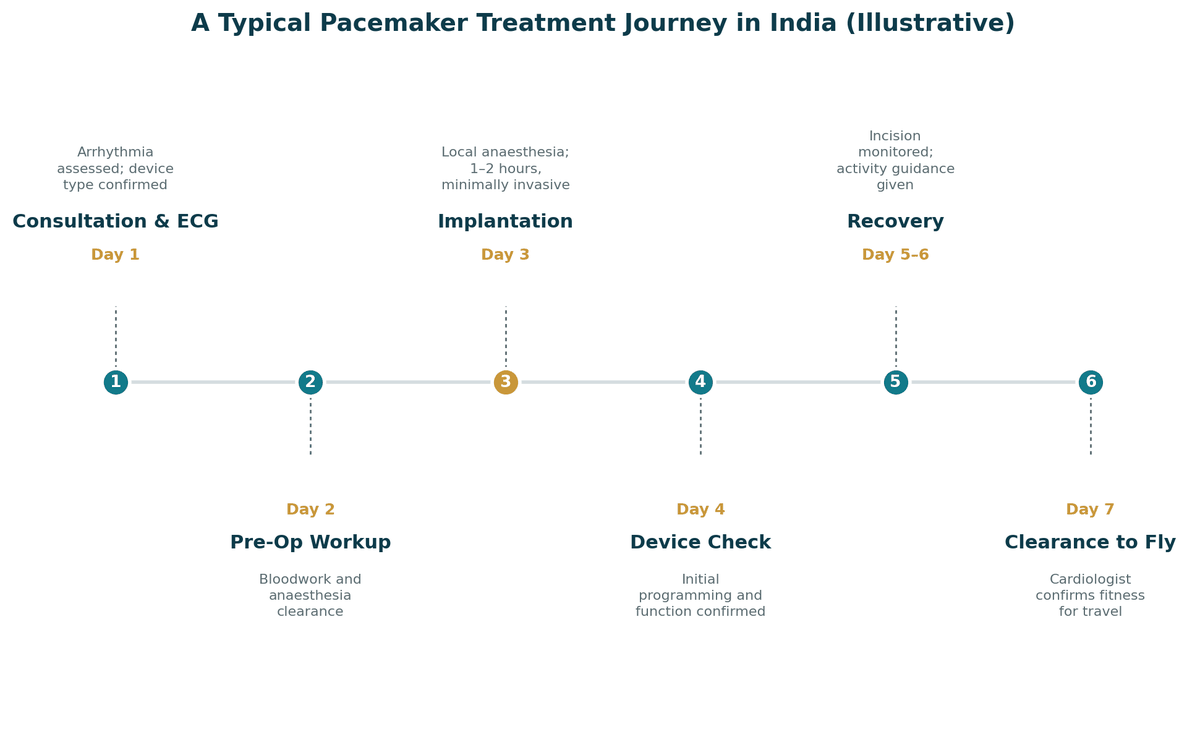
- The illustrative journey on page 2 shows consultation and ECG on day 1, pre-operative work-up on day 2, implantation on day 3, device checking on day 4, recovery on days 5–6 and cardiology clearance to fly around day 7.
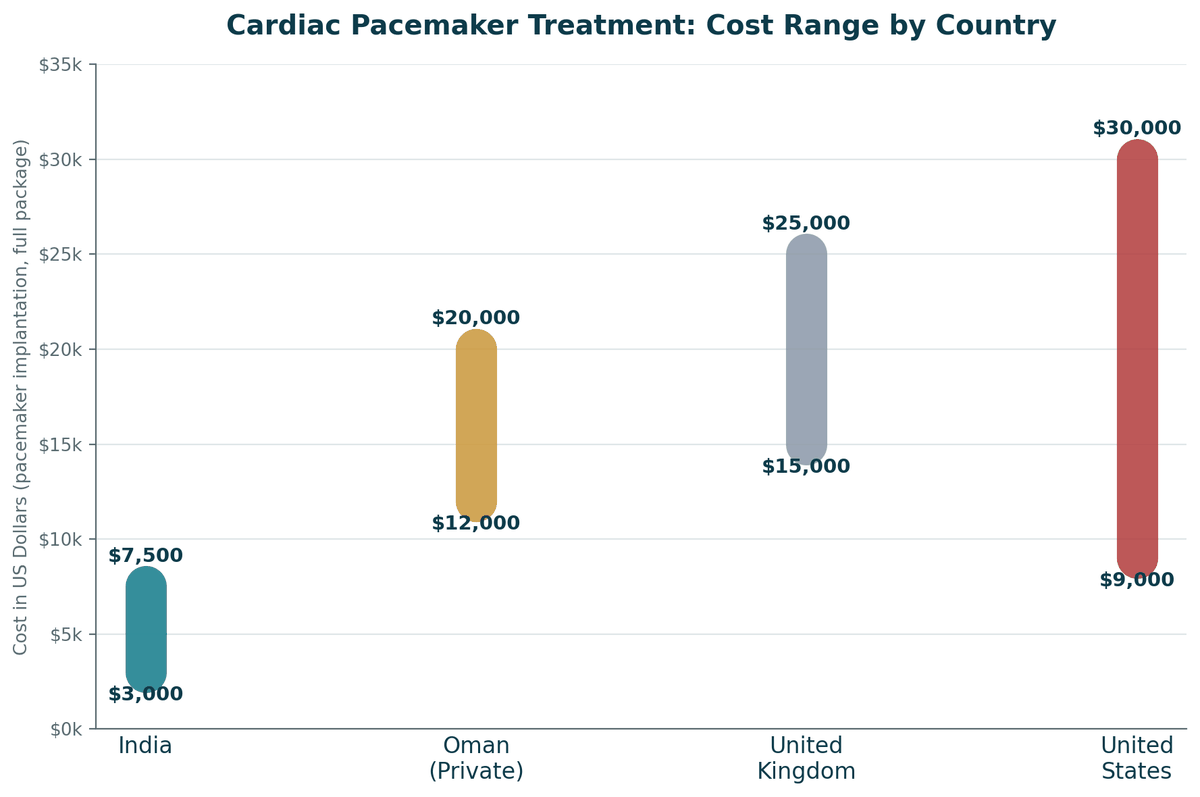
- The cost comparison on page 3 estimates a standard permanent pacemaker at US$3,000–7,500 in India, compared with US$12,000–20,000 in private Oman, US$15,000–25,000 in the UK private sector and US$9,000–30,000 in the United States. CRT and leadless devices generally cost more.
- The package breakdown shown on page 4 allocates 40% to the pacemaker device, 28% to surgeon and procedure fees, 18% to hospital stay and monitoring, 9% to diagnostics and 5% to the post-operative device check. The device itself is therefore the largest component of the illustrated package.
- Device selection should include discussion of MRI compatibility. The guide recommends confirming that the proposed device is MRI-conditional if the patient may require MRI scans in the future.
- Battery life is another long-term consideration. The source states that pacemaker batteries typically last approximately 8–17 years, depending on the device and how actively it paces, making eventual replacement an important part of long-term planning.
- Pacemaker care does not end when the patient leaves India. Omani patients should establish how periodic device checks and remote monitoring will be handled in Oman and identify the local cardiology team responsible for ongoing care.
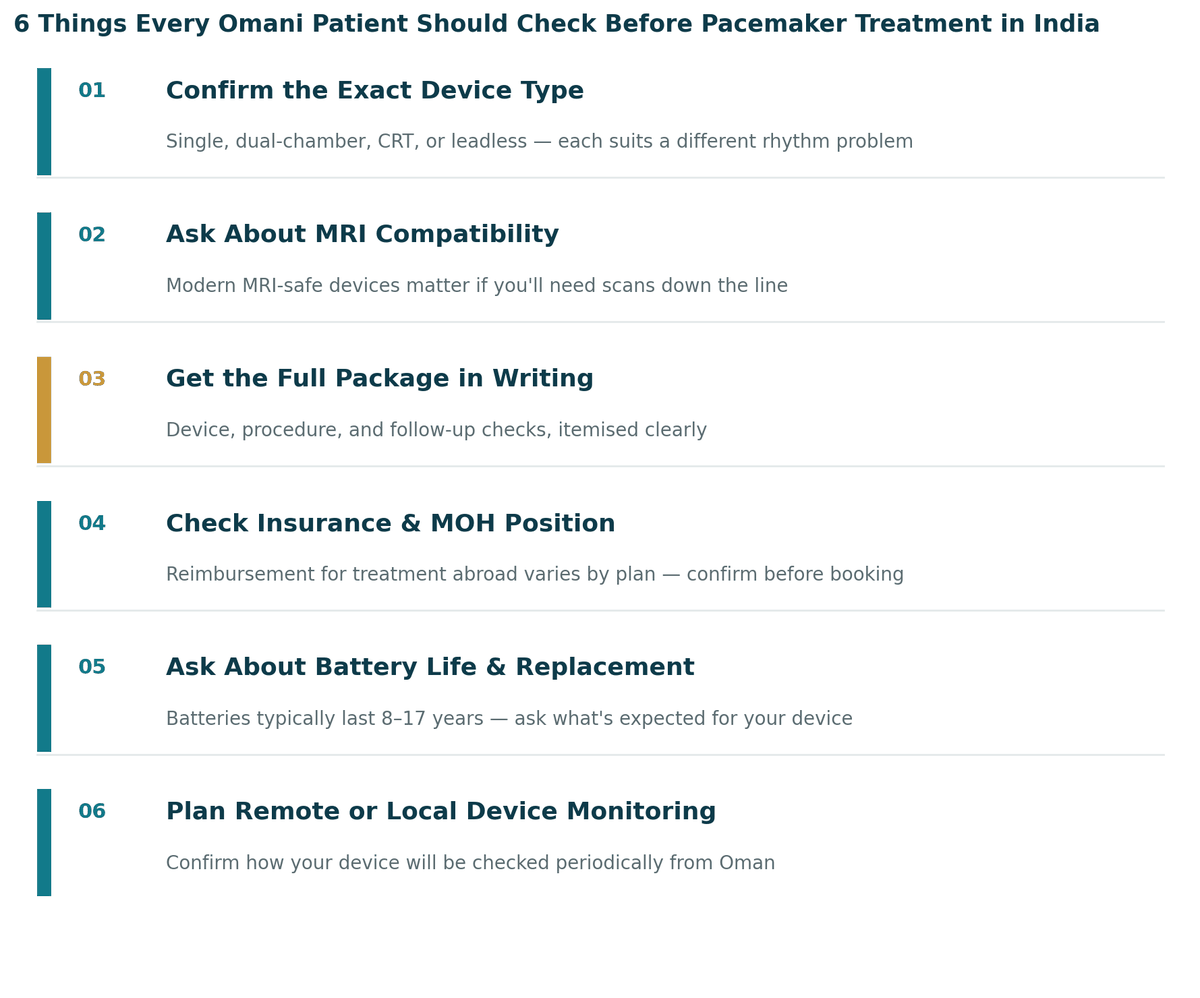
- The checklist on page 5 recommends confirming the exact device type, checking MRI compatibility, obtaining an itemised package, verifying Omani insurance and Ministry of Health arrangements, asking about expected battery life and planning local or remote monitoring after returning home.
Quick Facts
- Treatment
- Cardiac Pacemaker Treatment
- Primary Patients
- Omani patients requiring pacemaker implantation
- Main Indication
- Bradycardia and related cardiac conduction problems
- Main Device Types
- Single-chamber, dual-chamber, biventricular/CRT and leadless pacemakers
- Procedure
- Minimally invasive implantation, generally under local anaesthesia
- Typical Procedure Time
- Approximately 1–2 hours
- India Cost
- US$3,000–7,500 for a standard pacemaker
- Oman Private Cost
- US$12,000–20,000
- UK Private Cost
- US$15,000–25,000
- US Cost
- US$9,000–30,000
- Typical Journey
- Consultation day 1, implantation day 3 and clearance to fly around day 7
- Package Breakdown
- Device 40%, surgeon/procedure 28%, hospital/monitoring 18%, diagnostics 9%, device check 5%
- MRI Compatibility
- Confirm whether the proposed device is MRI-conditional
- Battery Life
- Approximately 8–17 years depending on device and pacing requirements
- Leadless Pacemaker
- An option for selected suitable patients
- CRT Device
- Used for selected heart failure patients requiring ventricular synchronisation
- Key Specialist
- Cardiologist / Electrophysiologist
- Main Cities
- Delhi, Chennai, Mumbai and Bengaluru
- Device Check
- Initial programming and functional assessment after implantation
- Long-Term Monitoring
- Periodic local or remote pacemaker checks are required
- Insurance Check
- Confirm Omani insurance and Ministry of Health support before travel
- Author
- Dr. Dheeraj Bojwani
- Experience
- 24+ Years
In Brief
Cardiac pacemaker treatment in India for Omani patients is presented as a well-established, minimally invasive cardiac procedure in which the most important decision is selecting the right device for the patient's specific rhythm disorder. The guide covers single-chamber, dual-chamber, biventricular/CRT and leadless pacemakers and highlights India's access to different device generations and international manufacturers. A standard pacemaker is benchmarked at US$3,000–7,500 in India compared with US$12,000–20,000 in private Oman. The illustrative treatment pathway places implantation around day 3 and clearance to fly around day 7. Omani patients should also consider MRI compatibility, expected 8–17-year battery life, itemised costs and how future device checks will be managed after returning to Oman.
Understanding What a Pacemaker Actually Treats
A pacemaker is a small device implanted just under the skin, usually near the collarbone, that monitors your heart’s electrical activity and delivers small electrical impulses when needed to correct a heart rate that beats too slowly or irregularly. It does not treat every heart rhythm problem — it is specifically for bradycardia and related conduction issues, not for a heart that beats too fast, which typically requires different treatment. Implantation itself is a minimally invasive procedure, usually done under local anaesthesia in one to two hours, with most patients going home the same day or after a short overnight stay.
Device selection is where the real decision-making happens. Single-chamber pacemakers pace one chamber of the heart, while dual-chamber devices coordinate both the upper and lower chambers for a more natural rhythm. Biventricular devices, also called cardiac resynchronisation therapy, are used specifically in certain heart failure patients to help both ventricles pump in sync. Newer leadless pacemakers, implanted directly into the heart without external wires, offer a less invasive option for suitable candidates. The right choice depends entirely on your specific rhythm problem, and this is a conversation worth having in real depth with your cardiologist.
What Makes India a Strong Option for Pacemaker Treatment
India’s leading cardiac centres, concentrated in Delhi, Chennai, Mumbai, and Bengaluru, perform a very high volume of pacemaker implantations each year across all device categories, giving cardiologists and electrophysiologists extensive experience matching device type to specific rhythm disorders. This volume also means access to the latest device generations, including MRI-compatible pacemakers and leadless systems, often before they achieve wide availability elsewhere in the region.
India also gives patients access to major international device manufacturers’ full product ranges, allowing your cardiologist to select the specific device best suited to your condition rather than being limited to whatever a single hospital stocks. And because Indian hospitals have spent two decades building international cardiac care pathways for Gulf and African patients, Omani patients arrive to Arabic-speaking coordinators and a well-tested process for reviewing ECG and Holter monitor results before travel is even booked.
This is a well-established, low-risk procedure in the hands of an experienced team, wherever that team is located. The genuine value India offers here is choice — access to the specific device generation and configuration that best matches your rhythm disorder, backed by a team that implants this device type routinely.
Cost Comparison: India vs. Oman vs. Western Countries
The figures below use a standard permanent pacemaker as a benchmark, in approximate US dollars, for a full package at an accredited private hospital. Biventricular (CRT) and leadless devices generally cost more than standard single- or dual-chamber pacemakers in every country.
| Destination | Typical Cost (Standard Pacemaker) | What This Usually Includes |
|---|---|---|
| India | US $3,000 – $7,500 | Device, procedure and surgeon fees, hospital stay, and initial device check |
| Oman (private) | US $12,000 – $20,000 | Device, procedure, hospital stay; varies by device type and hospital tier |
| United Kingdom (private) | US $15,000 – $25,000 | Device and procedure; follow-up checks often billed separately |
| United States | US $9,000 – $30,000 | Highly variable by state and hospital; CRT and leadless devices cost more |
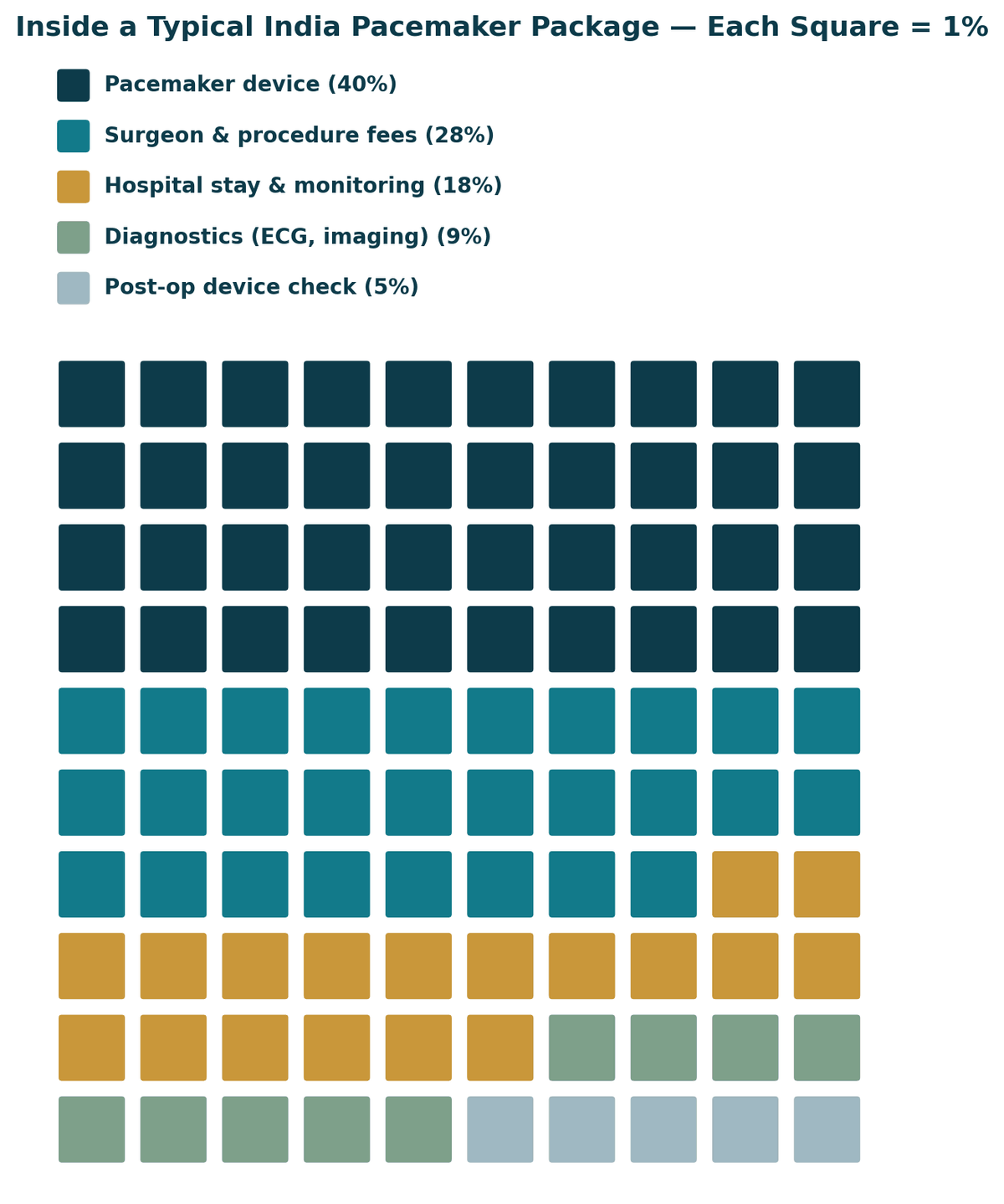
A few honest caveats specific to pacemaker treatment. First, the device itself is typically the single largest cost component, so ask specifically which model and manufacturer is being quoted, since premium features like MRI compatibility and remote monitoring capability add to the price. Second, pacemaker batteries typically last eight to seventeen years depending on the device and how actively it paces, so ask what battery life to expect for your specific model, since eventual replacement is a near-certainty, not a possibility. Third, confirm how post-implant device checks will work, since pacemakers need periodic monitoring, and many modern devices support remote monitoring that can reduce how often in-person visits are needed.
What a Typical Omani Patient Should Weigh Before Deciding Pacemaker Treatment in India
Having guided patients through this exact decision for 24 years, here is what I encourage every Omani family to work through before committing to a hospital:
- Confirm the exact device type being recommended. Send your ECG and Holter monitor results to an independent cardiology team in India before committing. Understand clearly why a single-chamber, dual-chamber, CRT, or leadless device is being proposed for your specific rhythm problem.
- Ask about MRI compatibility. If you may need MRI scans in the future for unrelated reasons, confirm your device is MRI-conditional before implantation.
- Get the full package itemised in writing. Device, procedure fees, hospital stay, and the initial device check should each be clear before you travel.
- Check your insurance and Ministry of Health position. Some Omani insurance plans and employer health schemes offer partial reimbursement for treatment abroad; others do not cover it at all. Clarify this before you travel, not after.
- Ask about expected battery life for your specific device. This ranges considerably by model and how actively the device paces. Understanding this now helps you plan for eventual replacement.
- Plan how ongoing device monitoring will work from Oman. Ask whether your device supports remote monitoring, and confirm which local cardiology team will handle periodic in-person checks going forward.
To Close
Pacemaker implantation is, genuinely, one of the more reassuring procedures in cardiology — well understood, low-risk in experienced hands, and often life-changing for symptoms that had quietly limited daily life for months or years. The decision that deserves real attention here is less about where the procedure happens and more about which specific device suits your particular rhythm disorder. Get that conversation right, and the rest tends to follow smoothly. A clear, specific discussion with a cardiologist about device options for your exact diagnosis is worth having before any procedure date is set.
Sources & Further Reading
- National Heart, Lung, and Blood Institute (NHLBI), National Institutes of Health — Pacemakers (nhlbi.nih.gov)
- MedlinePlus, U.S. National Library of Medicine (NIH) — Pacemakers and Implantable Defibrillators (medlineplus.gov)
- American Heart Association (AHA), non-profit organization — Pacemakers (heart.org)
- NHS (UK National Health Service) — Pacemaker Implantation (nhs.uk)
- Heart Rhythm Society (HRS), non-profit professional association — Patient Resources (hrsonline.org)
Frequently Asked Questions by Omani Patients about Cardiac Pacemaker Treatment in India
Is pacemaker treatment in India suitable for Omani patients?
The guide presents India as an option for Omani patients seeking access to experienced cardiac teams and a broad choice of pacemaker devices. It also notes that pacemaker implantation is well established and should be performed by an experienced team.
How much does a pacemaker cost in India for Omani patients?
The guide estimates US$3,000–7,500 for a standard permanent pacemaker package in India. More complex CRT and leadless devices generally cost more.
How does pacemaker treatment cost in India compare with private Oman?
The source estimates US$12,000–20,000 for a standard pacemaker in private Oman compared with US$3,000–7,500 in India. Omani patients should compare complete packages rather than device price alone.
Which pacemaker should an Omani patient choose in India?
The appropriate device depends on the specific rhythm disorder. The guide discusses single-chamber, dual-chamber, CRT and leadless devices and recommends a detailed discussion with the cardiologist before implantation.
Should an Omani patient ask for an MRI-compatible pacemaker?
If future MRI scans may be required, the guide recommends confirming that the proposed device is MRI-conditional before implantation. This should be discussed with the cardiologist when selecting the device.
How long does an Omani patient need to stay in India after pacemaker implantation?
The illustrative journey shows consultation on day 1, implantation on day 3, recovery during days 5–6 and cardiology clearance to fly around day 7. Individual recovery and travel timing may differ.
How long does a pacemaker battery last for an Omani patient?
The guide gives an approximate battery life of 8–17 years, depending on the device and how actively it is pacing. Patients should ask about expected battery life for their specific model and plan for eventual replacement.
What should Omani patients check before travelling to India for a pacemaker?
They should confirm the exact device type, MRI compatibility, itemised package cost, insurance and Ministry of Health position, expected battery life and how future monitoring will be handled in Oman.
Can an Omani patient have pacemaker monitoring after returning home?
Yes. The guide recommends planning ongoing device monitoring from Oman, including remote monitoring where supported and periodic in-person checks with a local cardiology team.
Which Indian cities are highlighted for pacemaker treatment for Omani patients?
The guide highlights Delhi, Chennai, Mumbai and Bengaluru as major cardiac centres with high pacemaker implantation volumes and access to different device categories.
Page Summary
Cardiac Pacemaker Treatment in India for Omanis: A Doctor's Guide to Making the Right Decision explains what pacemakers treat, how implantation is performed and how Omani patients should approach device selection. The guide covers single-chamber, dual-chamber, biventricular/CRT and leadless systems, stressing that the appropriate device depends on the patient's specific rhythm disorder. It compares standard pacemaker costs across India, Oman, the UK and the US, with India benchmarked at US$3,000–7,500. The page 2 treatment diagram illustrates a short pathway from consultation through implantation, recovery and clearance to fly, while the page 4 package graphic shows that the device represents the largest cost component at 40%. The guide also highlights MRI compatibility, 8–17-year battery life, insurance and Ministry of Health checks, and the need for ongoing device monitoring after returning to Oman.
Citation Block
| Field | Details |
|---|---|
| Article / Topic | Cardiac Pacemaker Treatment in India |
| Country / Patients | India / Omani Patients |
| Key Specialist | Cardiologist / Electrophysiologist |
| Main Indication | Bradycardia and related conduction problems |
| Device Types | Single-chamber, dual-chamber, CRT and leadless |
| Procedure | Minimally invasive implantation, usually under local anaesthesia |
| Procedure Duration | Approximately 1–2 hours |
| India Cost | US$3,000–7,500 |
| Oman Private Cost | US$12,000–20,000 |
| UK Private Cost | US$15,000–25,000 |
| US Cost | US$9,000–30,000 |
| Illustrative Journey | Implantation around day 3; clearance to fly around day 7 |
| Package Breakdown | Device 40%, surgeon/procedure 28%, hospital/monitoring 18%, diagnostics 9%, device check 5% |
| Device Selection | Match device type to the specific rhythm disorder |
| MRI Check | Confirm MRI-conditional status where future MRI may be needed |
| Battery Life | Approximately 8–17 years |
| Device Manufacturer | Confirm model and manufacturer being quoted |
| Hospital Check | Verify experienced cardiac/electrophysiology team and accredited hospital |
| Cost Check | Confirm device, procedure, hospital stay and initial device check separately |
| Insurance Check | Verify Omani insurance and Ministry of Health position |
| Main Cities | Delhi, Chennai, Mumbai and Bengaluru |
| Follow-Up | Arrange periodic local or remote device monitoring in Oman |
| Key Selection Criteria | Rhythm-specific expertise, appropriate device choice, monitoring support and transparent costing |
| Important Warning | Do not select a pacemaker solely on price; confirm the exact device required for the rhythm problem |


Our Mission Statement
Our mission is to place patients at the centre of every healthcare decision by providing trustworthy, evidence-based, and unbiased medical information. We believe that informed patients make better decisions. Backed by personalised guidance from our experienced advisory team, we help patients understand their treatment options, compare them objectively, and confidently choose the path that best suits their medical needs and personal circumstances.
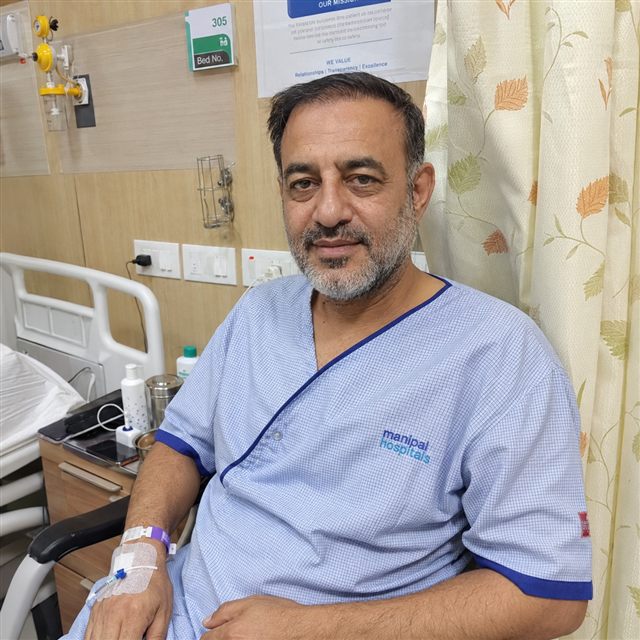
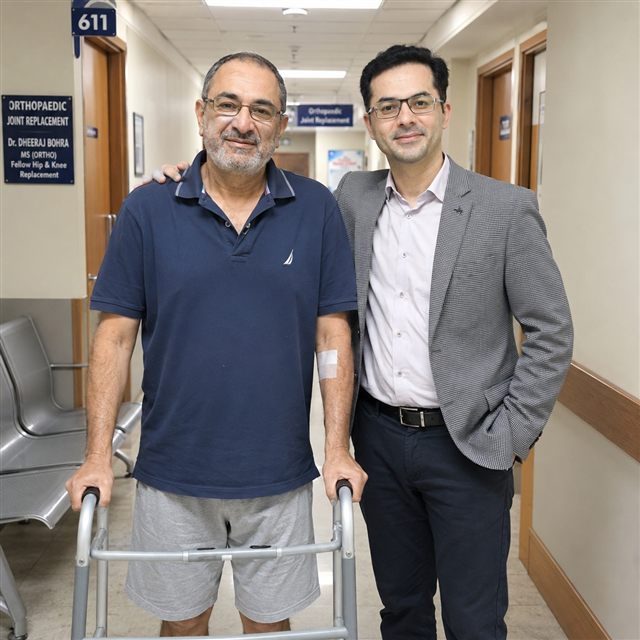
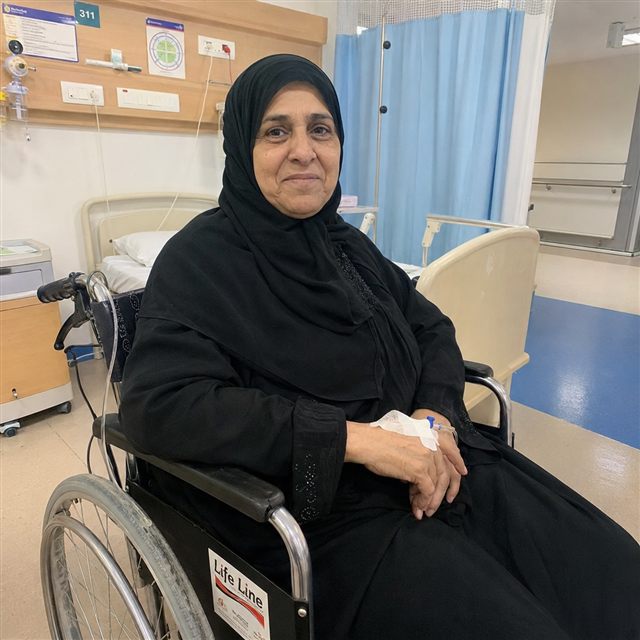
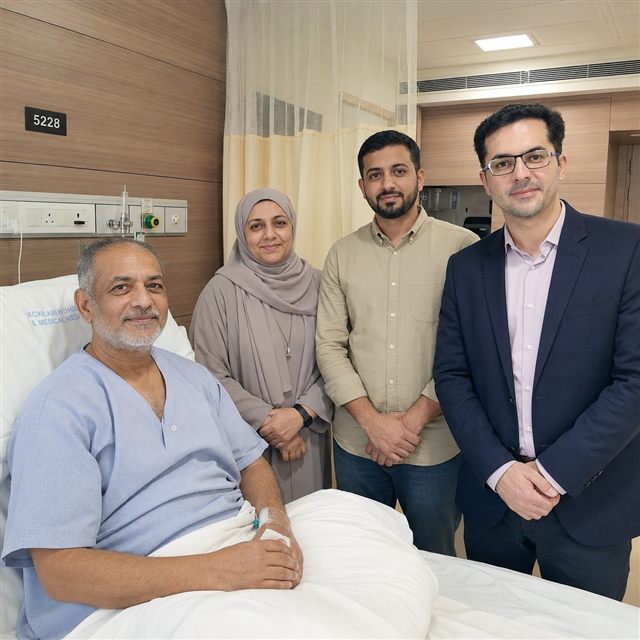
Patient Testimonials from Oman


Ready to Take the First Step?
Share your Medical Reports with our Healthcare Managers Today and Get a FREE CONSULTATION, a Personalized Treatment Plan, and Complete Support from Arrival to Recovery.
Get Your Free ConsultationAreas We Serve
Indian Health Guru Consultants proudly assists patients from Oman and surrounding Middle Eastern countries in accessing advanced, affordable and trusted medical treatment in India. Our team provides complete support for medical opinions, hospital selection, treatment planning, visa assistance, travel coordination, accommodation and post-treatment follow-up.
We regularly serve patients from:
- Oman
- Turkey
- Iran
- Kuwait
- Jordan
- Syria
- Qatar
- Bahrain
- Yemen
- Iraq
- Saudi Arabia
- United Arab Emirates
No matter where you are located, our experienced team is committed to making your medical journey to India safe, smooth, transparent and stress-free from the first enquiry to your return home.
From Oman to India: Your Complete Patient Guide
- Weight Loss and Bariatric Surgery in India for Omanis: Cost & Guide
- Brain Tumor Surgery in India for Omanis: Cost & Guide
- Cancer Treatment in India for Omanis: Cost & Guide
- Cardiac Surgery in India for Omanis: Cost & Guide
- Breast Cancer Treatment in India for Omanis: Cost & Guide
- Neurosurgery in India for Omanis: Cost & Guide
- Spine Surgery in India for Omanis: Cost & Guide
- Bone Marrow Transplant in India for Omanis: Cost & Guide
- Kidney Transplant in India for Omanis: Cost & Guide
- Best Dentists and Clinics for Dental Surgery in India for Omani Patients
- Best Doctors and Hospitals for Blood Cancer Treatment in India for Omani Patients
- Best Bone Marrow Transplant Doctors and Hospitals in India for Omani Patients
- Best IVF and Fertility Doctors and Hospitals in India for Omani Couples
- Best Bariatric Surgeons and Hospitals for Weight Loss Surgery in India for Omani Patients
- Best Brain Tumor Surgery Doctors and Hospitals in India for Omani Patients
- Best Cardiac Surgeons and Hospitals in India for Omani Patients
- Best Colorectal Cancer Surgeons and Hospitals in India for Omani Patients
- Best Surgeons and Hospitals for Complex Joint Revision Surgery in India for Omani Patients