

Selecting the Best Surgeons and Hospitals for Gamma Knife Treatment in India: A Guide for Omani Patients
A practical guide for Omani patients comparing Gamma Knife teams and centres in India based on multidisciplinary expertise, case volume, technology, treatment outcomes, accreditation and long-term follow-up.
Once an Omani patient has decided that Gamma Knife treatment in India is the right path, a second, equally important decision remains: which team, and which centre. Gamma Knife is genuinely different from open brain surgery in one important respect — it is never performed by a single surgeon alone, but always by a coordinated team. Over 24 years of advising Gulf patients through exactly this decision, I want to walk through what a genuinely qualified Gamma Knife programme looks like. Oman’s hospitals, including Apollo Hospital Muscat, Badr Al Samaa, Aster Al Raffah, and Burjeel Medical Centre, provide neurology consultation and can help confirm diagnosis and initial imaging before you ever begin comparing options abroad. This guide focuses specifically on how to evaluate the team and centre once Gamma Knife has been recommended.
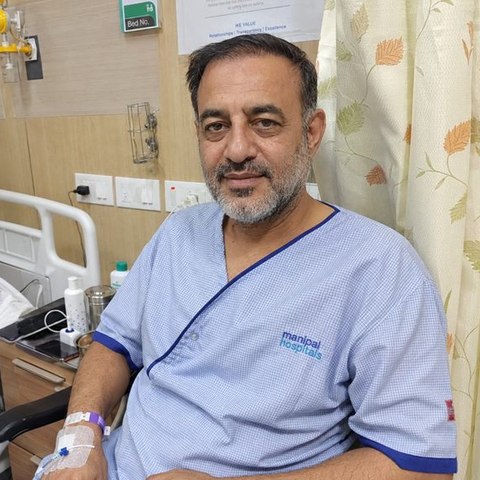
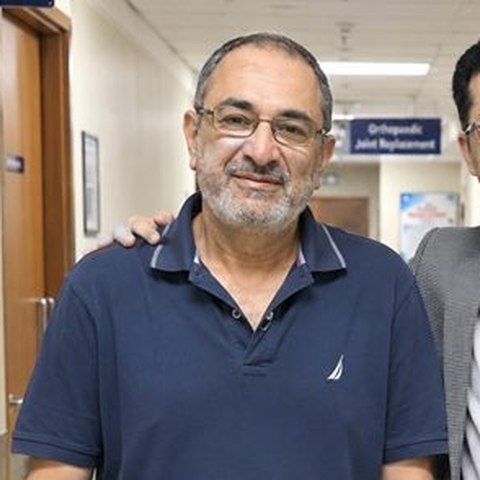
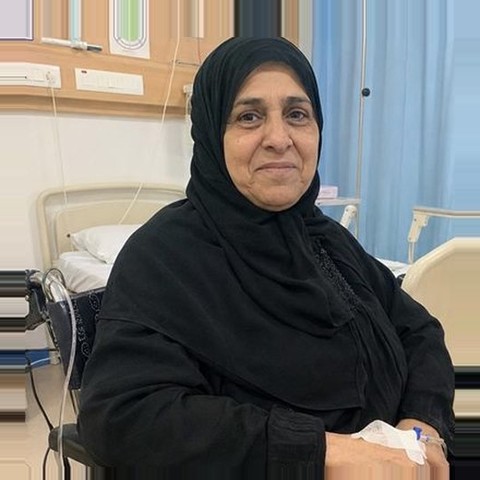
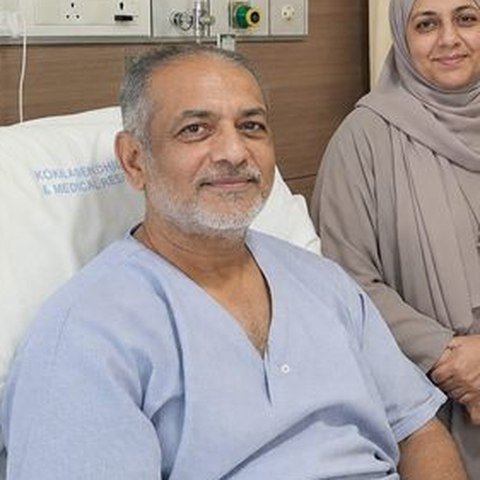
Healing Journeys of Omani Patients


Key Takeaways
- The guide explains that Gamma Knife treatment is delivered by a coordinated multidisciplinary team rather than a single surgeon. A properly evaluated case should involve a neurosurgeon, radiation oncologist and medical physicist, with each specialist contributing different expertise to treatment planning. The guide recommends confirming that all three professionals are genuinely involved in reviewing the patient’s individual case.
- Gamma Knife uses highly focused radiation and detailed imaging to target brain conditions without an incision, with stereotactic techniques designed for sub-millimetre treatment precision. Because of this, the guide advises patients to ask why Gamma Knife is more appropriate for their particular tumour or condition than open surgery, conventional radiation or another radiosurgery platform such as CyberKnife.
- The guide places considerable importance on the Gamma Knife system and its generation. It recommends asking which model the centre uses, how long it has been operational and how many cases the centre has treated cumulatively. The source explains that Gamma Knife technology has progressed across generations, with improvements in treatment speed, precision and the range of conditions that can be treated.
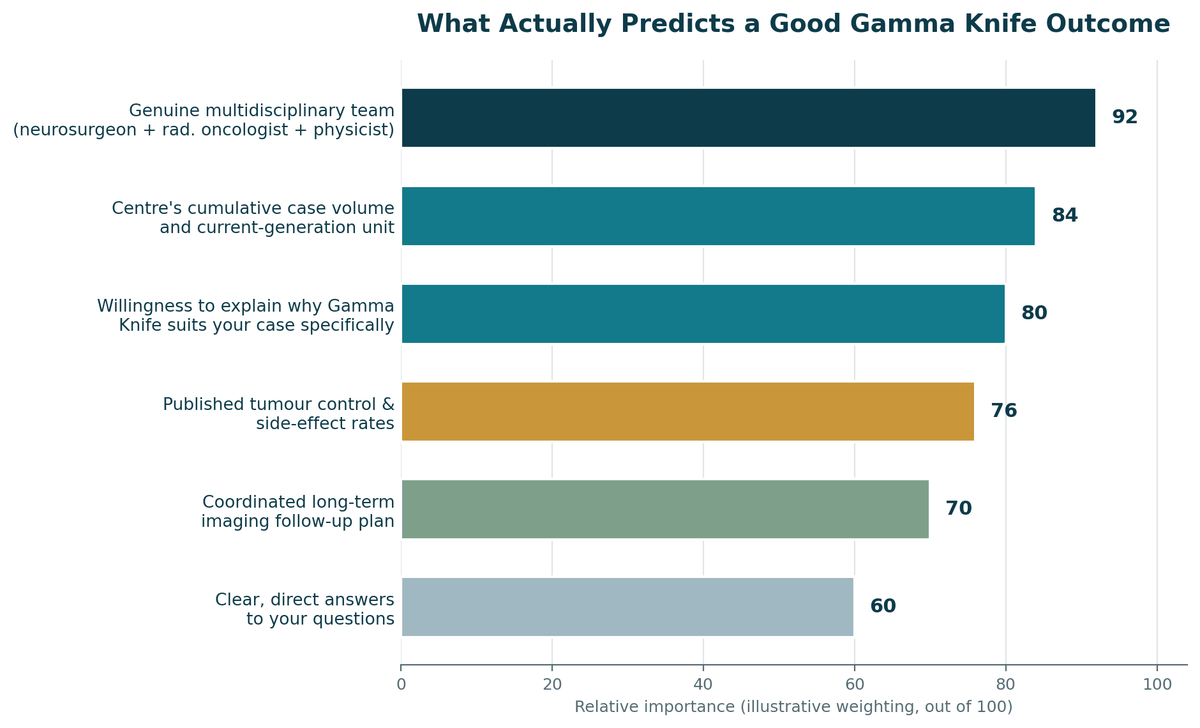
- The page 2 outcome chart assigns the highest illustrative importance score of 92/100 to a genuine multidisciplinary team, followed by 84/100 for the centre’s cumulative case volume and current-generation unit. Clear explanation of why Gamma Knife suits the patient’s condition scores 80/100, published tumour-control and side-effect rates 76/100, coordinated long-term imaging follow-up 70/100, and clear direct answers to patient questions 60/100.
- Hospital accreditation is presented as an important initial filter. The guide recommends looking for NABH accreditation at minimum and JCI accreditation where available. Patients should also ask for tumour-control rates specific to their condition rather than relying on a general outcome figure covering every type of Gamma Knife case treated at the centre.
- The verification checklist on page 3 identifies positive signs such as genuine multidisciplinary case review, involvement of the neurosurgeon, radiation oncologist and physicist, high cumulative case volume, clear explanation of treatment alternatives, disclosure of expected tumour-control and side-effect rates, a long-term imaging follow-up plan and genuine pre-travel imaging review. Warning signs include recommending Gamma Knife without discussing alternatives and being vague about the centre’s case volume.
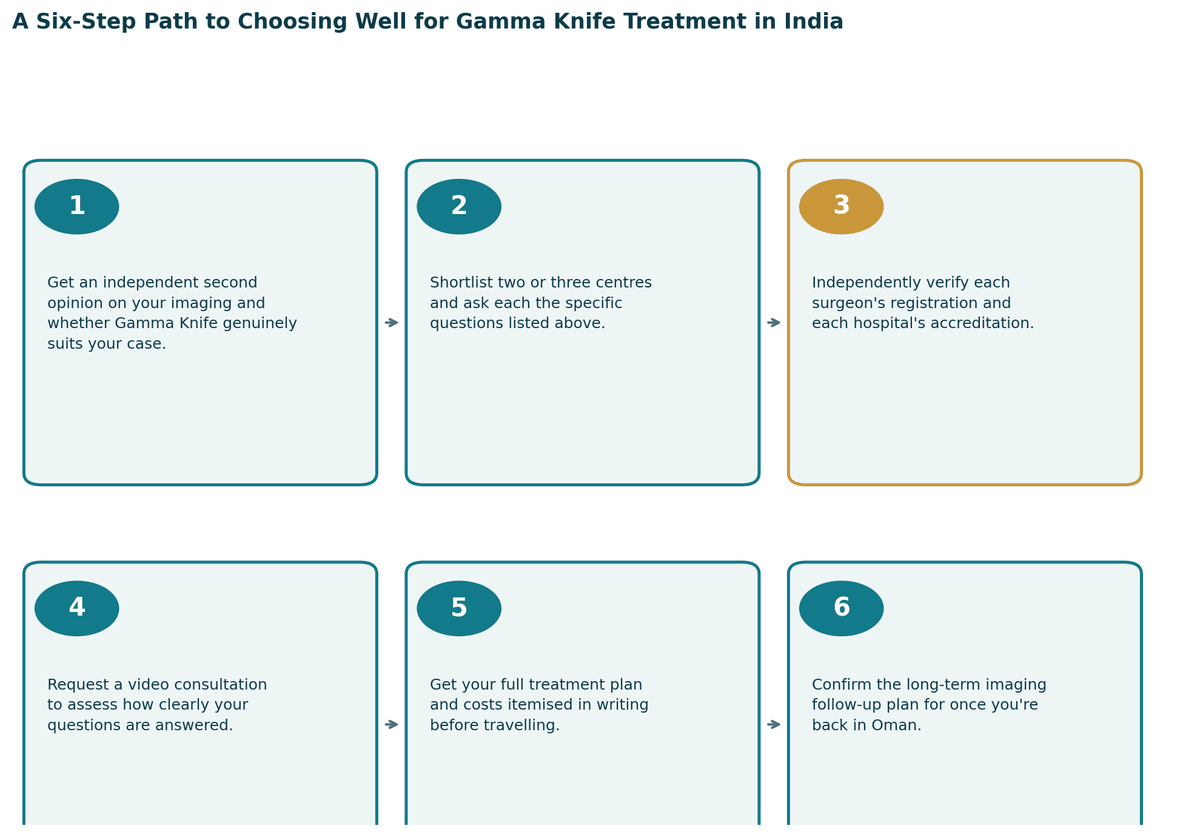
- The guide recommends a six-step pathway shown on page 4: obtain an independent second opinion, shortlist two or three centres, independently verify specialist registration and hospital accreditation, request a video consultation, obtain the complete treatment plan and costs in writing, and confirm the long-term imaging follow-up plan after returning to Oman. Its closing message is that Gamma Knife technology cannot replace careful multidisciplinary judgement about whether the treatment is genuinely suitable for a particular patient.
Quick Facts
- Author
- Dr. Dheeraj Bojwani
- Experience
- 24+ Years
- Treatment
- Gamma Knife radiosurgery
- Patients
- Omani Patients
- Key Specialists
- Neurosurgeon, radiation oncologist and medical physicist
- Treatment Type
- Stereotactic radiosurgery
- Key Selection Factor
- Genuine multidisciplinary team
- Highest Chart Factor
- Multidisciplinary team — 92/100
- Case Volume Factor
- Centre’s cumulative case volume and current-generation unit — 84/100
- Technology Check
- Confirm Gamma Knife model and operational history
- Outcome Check
- Condition-specific tumour-control and side-effect rates
- Hospital Requirement
- Established Gamma Knife treatment centre
- Accreditation
- NABH; JCI where available
- Pre-Travel Assessment
- Imaging review and video consultation
- Verification
- Independent specialist registration and hospital accreditation
- Follow-Up
- Long-term imaging follow-up after returning to Oman
- Key Alternative Check
- Compare Gamma Knife with CyberKnife, conventional radiation or surgery where relevant
- Key Warning
- Centre is vague about its Gamma Knife case volume
- Key Warning
- Gamma Knife recommended without discussing alternatives
- Decision Principle
- Prioritise multidisciplinary expertise, appropriate technology, case volume and long-term follow-up.
In Brief
For Omani patients considering Gamma Knife treatment in India, the guide recommends prioritising a genuine multidisciplinary radiosurgery team, appropriate technology and case volume, condition-specific outcome data, independent credential verification and a clear long-term imaging follow-up plan rather than selecting a centre based solely on the availability of Gamma Knife technology.
Part One: What to Look for in a Gamma Knife Team in India
Gamma Knife radiosurgery delivers precisely focused radiation to a target in the brain without any incision, using highly detailed imaging to plan the treatment and stereotactic techniques to aim the radiation with sub- millimetre accuracy. Because this precision depends on careful, multidisciplinary planning, candidates are properly evaluated by a team that includes a neurosurgeon, a radiation oncologist, and a medical physicist working together, not by a single specialist deciding alone. This is not a formality — each role contributes genuinely different expertise to planning a safe, effective treatment. Ask directly who will be involved in reviewing your specific case, and confirm this genuinely includes all three roles, not simply a neurosurgeon signing off on a plan prepared elsewhere. Ask how the team decided Gamma Knife, rather than open surgery, conventional radiation, or an alternative radiosurgery platform, is the right choice for your specific tumour or condition — a thoughtful team will explain this reasoning clearly rather than presenting Gamma Knife as the only option considered.
What to Ask a Prospective Team
- Who specifically reviews my case — is a neurosurgeon, radiation oncologist, and medical physicist all genuinely involved?
- Why is Gamma Knife the right choice for my specific condition, compared to the alternatives?
- How many cases like mine has this centre treated, and what were the outcomes?
- What side effects or swelling should I realistically expect, and how are they managed?
- Who manages my long-term imaging follow-up once I’ve returned to Oman?
Part Two: What to Look for in a Gamma Knife Hospital in India
The specific equipment generation matters here more than in most other procedures in this series, since Gamma Knife technology has genuinely advanced over successive generations, with improvements in treatment speed, precision, and the range of conditions that can be effectively treated. Ask specifically which model the centre uses and how long it has been in operation, alongside the centre’s cumulative case volume — centres that have treated many patients tend to have more refined planning protocols and a clearer sense of expected outcomes for specific conditions. Accreditation remains a useful starting filter. In India, look for NABH (National Accreditation Board for Hospitals) accreditation at minimum, and JCI (Joint Commission International) accreditation where available. Ask specifically about the centre’s published tumour control rates for your specific condition, not a generic figure covering every case type treated.
A Practical Verification Checklist for Gamma Knife Treatment in India
Before committing to any specific centre, work through this list. A team confident in its own quality will answer these questions plainly; one that deflects or grows evasive is telling you something too.
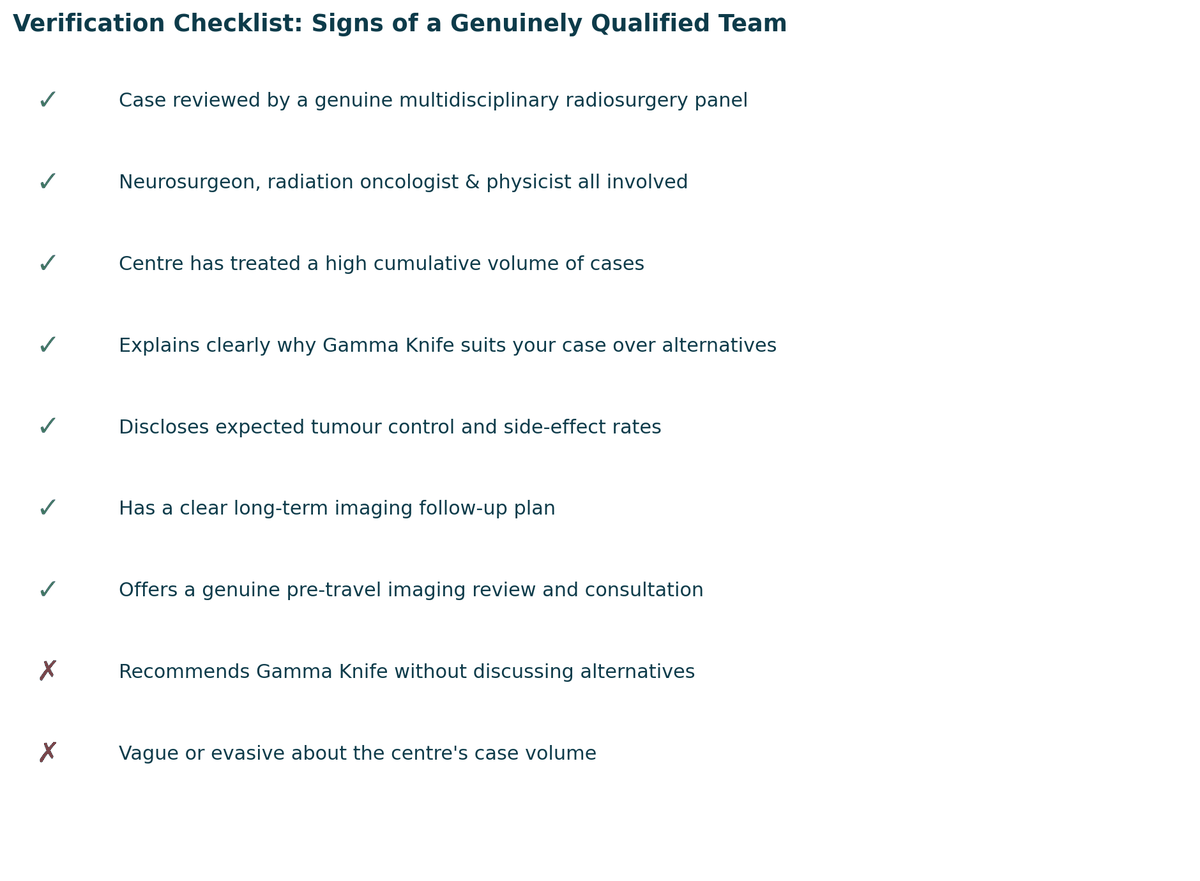
A note on independent verification: never rely solely on a hospital’s own marketing materials or a medical tourism facilitator’s recommendation. Cross-check each involved specialist’s registration directly with the Medical Council of India or the relevant State Medical Council, and verify hospital accreditation directly through the NABH or JCI public accreditation databases, both of which are searchable online. Since Gamma Knife is one option among several radiosurgery platforms, ask directly why it, rather than CyberKnife or conventional radiation, was recommended for your specific case.
What a Typical Omani Patient Should Weigh for Gamma Knife Treatment in India
Beyond the team and centre themselves, a few practical factors deserve real attention. Ask specifically whether the team who consults with you will be the one actually planning and delivering your treatment, since this is not always automatic in larger practices. Confirm whether pre-travel imaging review and video consultation are genuinely available, allowing you to get an informed opinion before committing to travel. And ask how long-term imaging follow-up, essential for monitoring treatment response over months and years, would be coordinated once you return to Oman.
A Six-Step Path to Choosing Well
A Closing Thought
Gamma Knife’s precision is only as good as the team and planning behind it — the technology itself does not replace careful, multidisciplinary judgment about whether it genuinely suits a specific case. Verifying that this judgment is real, not simply assumed, is the single most useful thing an Omani patient can do before committing to treatment. A properly verified, genuinely multidisciplinary team, chosen with the same rigour as any other major decision, is worth the extra week it takes to confirm.
Sources & Further Reading
- National Cancer Institute (NCI), National Institutes of Health — Stereotactic Radiosurgery (cancer.gov)
- American Association of Neurological Surgeons (AANS), non-profit professional association — Gamma Knife, Patient Information (aans.org)
- American Society for Radiation Oncology (ASTRO), non-profit professional association — Stereotactic Radiosurgery Patient Resources (astro.org)
- National Accreditation Board for Hospitals & Healthcare Providers (NABH), India — Accredited Hospital Directory (nabh.co)
- Medical Council of India / National Medical Commission — Registered Medical Practitioner Verification (nmc.org.in)
Frequently Asked Questions by Omani Patients about Gamma Knife Specialists and Centres in India
Why does Gamma Knife require a multidisciplinary team?
The guide explains that Gamma Knife planning involves different areas of expertise. A neurosurgeon, radiation oncologist and medical physicist should genuinely participate in reviewing the patient’s case.
What specialists should Omani patients expect on a Gamma Knife team?
The core team identified by the guide includes a neurosurgeon, radiation oncologist and medical physicist working together during treatment planning.
How important is the centre’s Gamma Knife experience?
It is a major selection factor. Patients should ask about the centre’s cumulative case volume and experience treating conditions similar to their own.
Does the Gamma Knife machine’s generation matter?
Yes. The guide recommends asking which Gamma Knife model the centre uses and how long it has been operating because the technology has advanced across successive generations.
Should I ask why Gamma Knife is better for my case?
Yes. A qualified team should explain why Gamma Knife is appropriate compared with alternatives such as open surgery, conventional radiation or CyberKnife.
What outcome information should Omani patients request?
Ask for condition-specific tumour-control and side-effect rates, rather than accepting a general outcome figure covering all Gamma Knife treatments performed at the centre.
What accreditation should I look for in an Indian Gamma Knife centre?
The guide recommends NABH accreditation at minimum and JCI accreditation where available. Patients should independently verify the accreditation rather than relying only on hospital marketing.
Can I have my brain scans reviewed before travelling from Oman?
Yes. The guide recommends confirming whether the centre offers pre-travel imaging review and video consultation, so patients can receive an informed assessment before travelling.
What are warning signs when choosing a Gamma Knife centre?
Two important warning signs are a centre that recommends Gamma Knife without discussing alternatives and one that is vague or evasive about its cumulative Gamma Knife case volume.
How should follow-up be managed after returning to Oman?
Before travelling, confirm how long-term imaging follow-up will be coordinated after returning to Oman. The guide considers a clear follow-up plan an important part of selecting the right centre.
Page Summary
This guide helps Omani patients evaluate Gamma Knife teams and hospitals in India after Gamma Knife treatment has been recommended. It explains that Gamma Knife requires coordinated involvement from a neurosurgeon, radiation oncologist and medical physicist, rather than relying on a single specialist. The guide emphasises multidisciplinary expertise, centre case volume, current-generation equipment, condition-specific tumour-control data, accreditation and long-term imaging follow-up. The page 2 chart gives the highest illustrative importance to a genuine multidisciplinary team at 92/100, followed by cumulative case volume and current-generation equipment at 84/100. The page 3 verification checklist highlights genuine multidisciplinary review, transparent outcome information, treatment-alternative discussions and pre-travel consultation as positive indicators, while vague case volume and failure to discuss alternatives are presented as warning signs. The page 4 six-step pathway provides Omani patients with a practical selection process: obtain a second opinion, shortlist centres, verify credentials, arrange video consultation, obtain written treatment plans and costs, and confirm long-term imaging follow-up in Oman.
Citation Block
| Field | Details |
|---|---|
| Information | Topic |
| Selecting the Best Surgeons and Hospitals for Gamma Knife Treatment in India for Omani Patients | Treatment |
| Gamma Knife radiosurgery | Patients |
| Omani Patients | Specialists |
| Neurosurgeon, radiation oncologist and medical physicist | Key Selection Criteria |
| Genuine multidisciplinary expertise and Gamma Knife case volume | Technology Check |
| Gamma Knife model, generation and operational history | Outcome Data |
| Condition-specific tumour-control and side-effect rates | Hospital Requirement |
| Established Gamma Knife treatment centre | Accreditation |
| NABH; JCI where available | Treatment Comparison |
| Gamma Knife should be evaluated against relevant alternatives such as surgery, conventional radiation or CyberKnife | Pre-Travel Assessment |
| Imaging review and video consultation | Verification |
| Independent specialist registration and hospital accreditation | Treatment Planning |
| Full treatment plan and costs provided in writing | Follow-Up |
| Coordinated long-term imaging follow-up after returning to Oman | Patient Pathway |
| Second opinion → shortlist centres → verify credentials → video consultation → written plan and costs → confirm follow-up | Key Decision |


Our Mission Statement
Our mission is to place patients at the centre of every healthcare decision by providing trustworthy, evidence-based, and unbiased medical information. We believe that informed patients make better decisions. Backed by personalised guidance from our experienced advisory team, we help patients understand their treatment options, compare them objectively, and confidently choose the path that best suits their medical needs and personal circumstances.
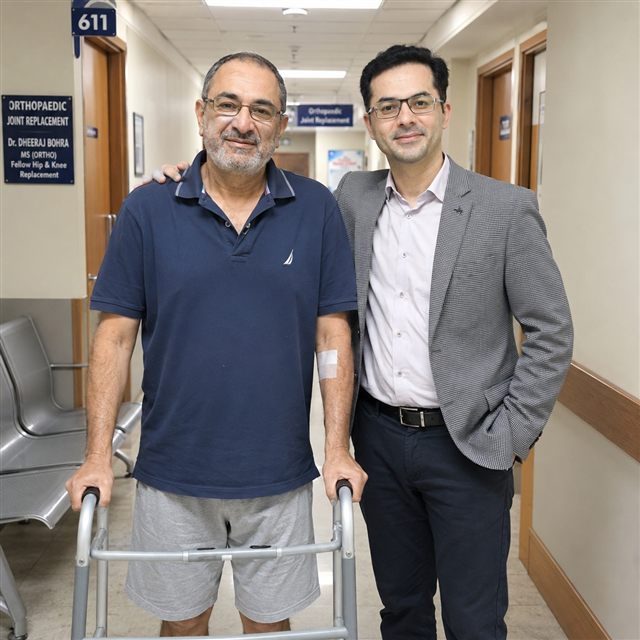
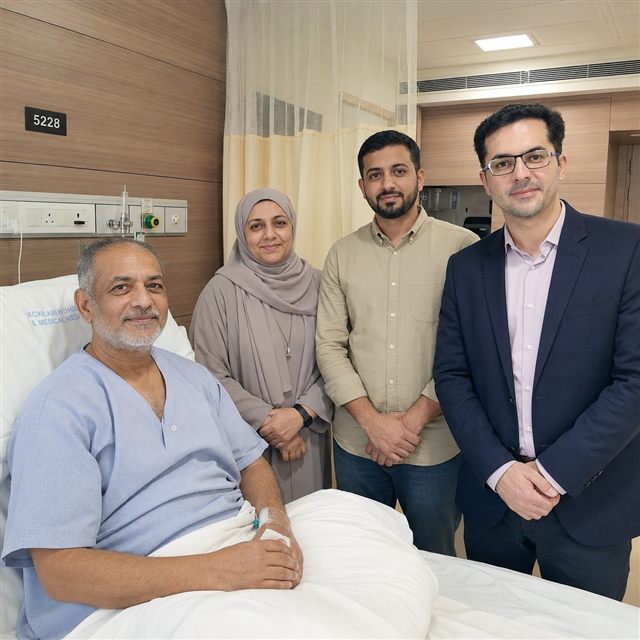
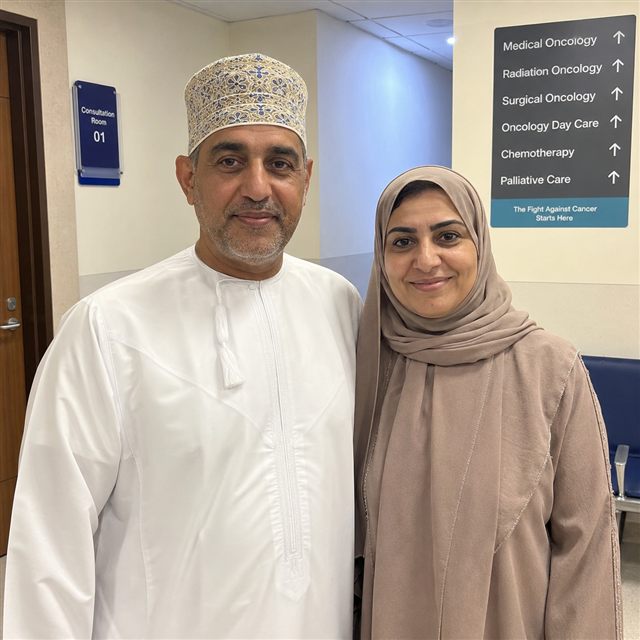
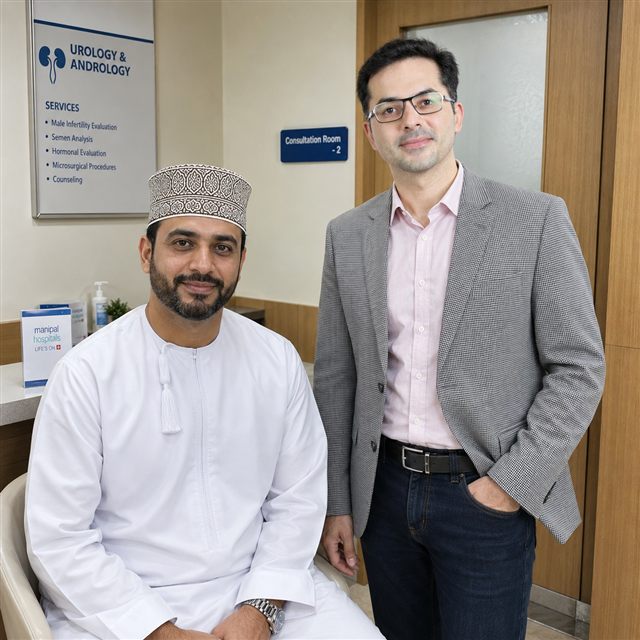
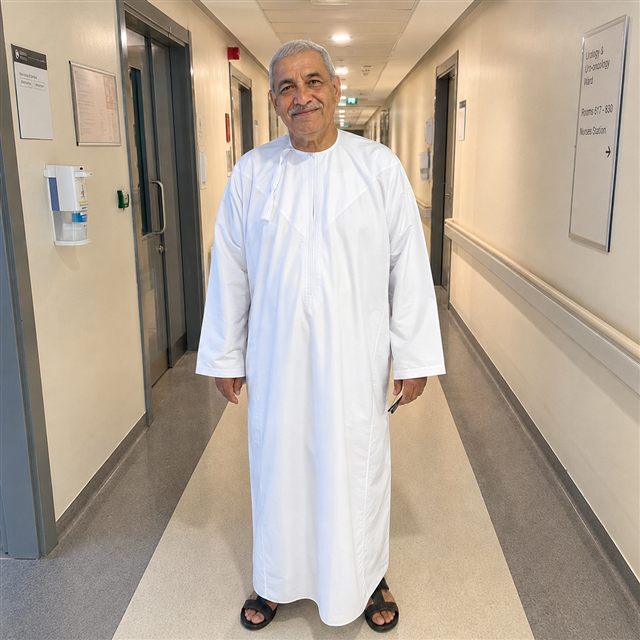
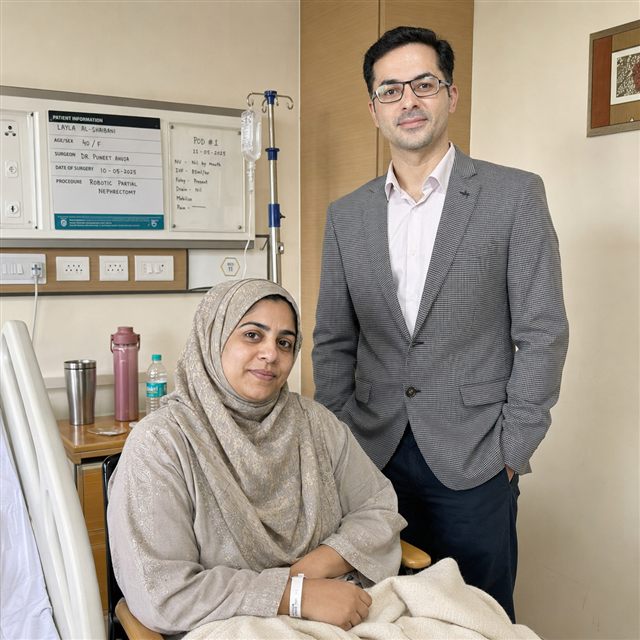
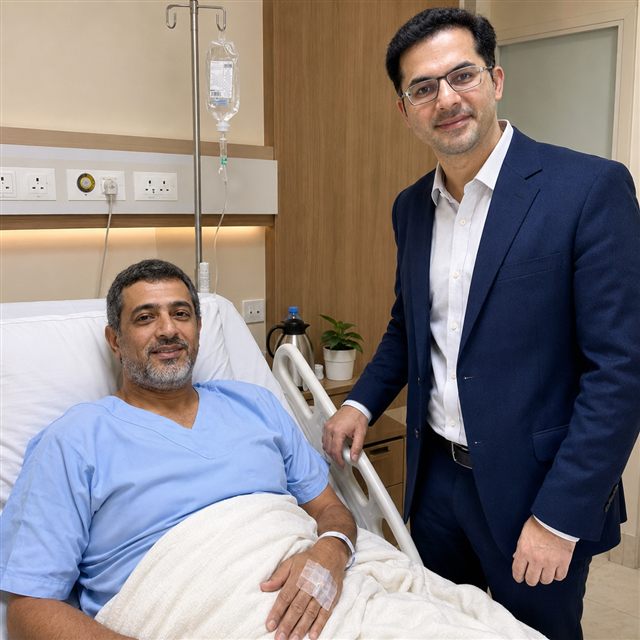
Patient Testimonials from Oman
Ready to Take the First Step?
Share your Medical Reports with our Healthcare Managers Today and Get a FREE CONSULTATION, a Personalized Treatment Plan, and Complete Support from Arrival to Recovery.
Get Your Free ConsultationAreas We Serve
Indian Health Guru Consultants proudly assists patients from Oman and surrounding Middle Eastern countries in accessing advanced, affordable and trusted medical treatment in India. Our team provides complete support for medical opinions, hospital selection, treatment planning, visa assistance, travel coordination, accommodation and post-treatment follow-up.
We regularly serve patients from:
- Oman
- Turkey
- Iran
- Kuwait
- Jordan
- Syria
- Qatar
- Bahrain
- Yemen
- Iraq
- Saudi Arabia
- United Arab Emirates
No matter where you are located, our experienced team is committed to making your medical journey to India safe, smooth, transparent and stress-free from the first enquiry to your return home.
From Oman to India: Your Complete Patient Guide
- Weight Loss and Bariatric Surgery in India for Omanis: Cost & Guide
- Brain Tumor Surgery in India for Omanis: Cost & Guide
- Cancer Treatment in India for Omanis: Cost & Guide
- Cardiac Surgery in India for Omanis: Cost & Guide
- Breast Cancer Treatment in India for Omanis: Cost & Guide
- Neurosurgery in India for Omanis: Cost & Guide
- Spine Surgery in India for Omanis: Cost & Guide
- Bone Marrow Transplant in India for Omanis: Cost & Guide
- Kidney Transplant in India for Omanis: Cost & Guide
- Best Dentists and Clinics for Dental Surgery in India for Omani Patients
- Best Doctors and Hospitals for Blood Cancer Treatment in India for Omani Patients
- Best Bone Marrow Transplant Doctors and Hospitals in India for Omani Patients
- Best IVF and Fertility Doctors and Hospitals in India for Omani Couples
- Best Bariatric Surgeons and Hospitals for Weight Loss Surgery in India for Omani Patients
- Best Brain Tumor Surgery Doctors and Hospitals in India for Omani Patients
- Best Cardiac Surgeons and Hospitals in India for Omani Patients
- Best Colorectal Cancer Surgeons and Hospitals in India for Omani Patients
- Best Surgeons and Hospitals for Complex Joint Revision Surgery in India for Omani Patients