

Kidney Transplant in India for Omanis: A Doctor’s Guide to Making the Right Decision
A practical guide for Omani patients covering living donor requirements, Indian transplant laws, blood-group compatibility, costs, recovery and lifelong follow-up.
For patients living with end-stage kidney disease, dialysis keeps life going, but a transplant is what genuinely gives it back — freedom from the dialysis schedule, more energy, and, the evidence consistently shows, better long-term survival than remaining on dialysis indefinitely. Over 24 years of advising Gulf families through kidney transplant decisions, I want to walk Omani patients and their families through exactly what this process involves, and one legal reality that shapes it more than almost any other factor. Oman's hospitals, including Apollo Hospital Muscat, Badr Al Samaa, Aster Al Raffah, and Burjeel Medical Centre, provide nephrology consultation and dialysis care, and are the right starting point for diagnosis and evaluation of kidney disease. This guide is written to help Omani families understand honestly what kidney transplant involves, and what to check carefully before pursuing it in India.
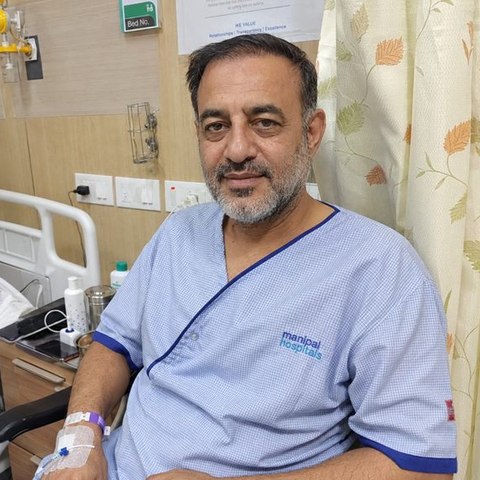
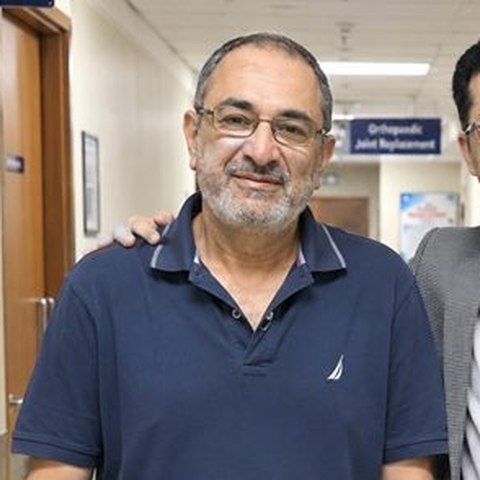
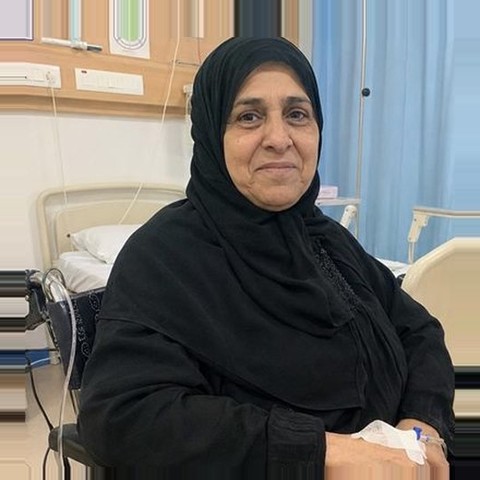
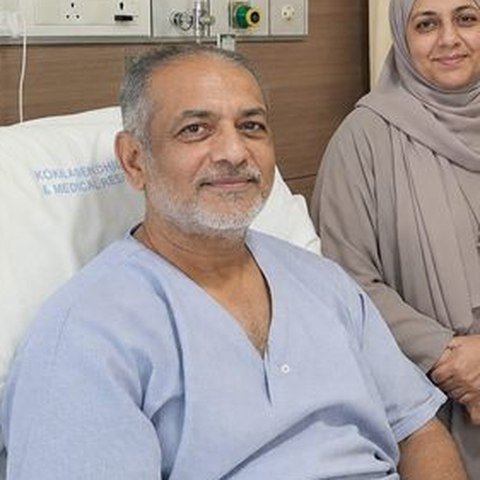
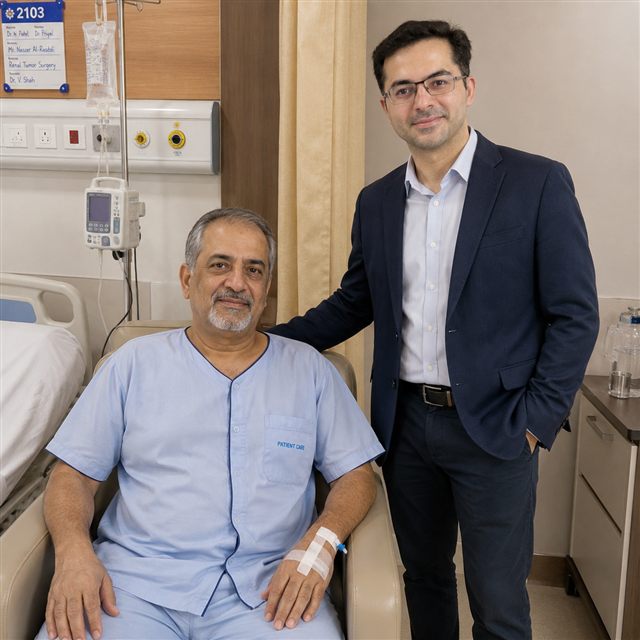
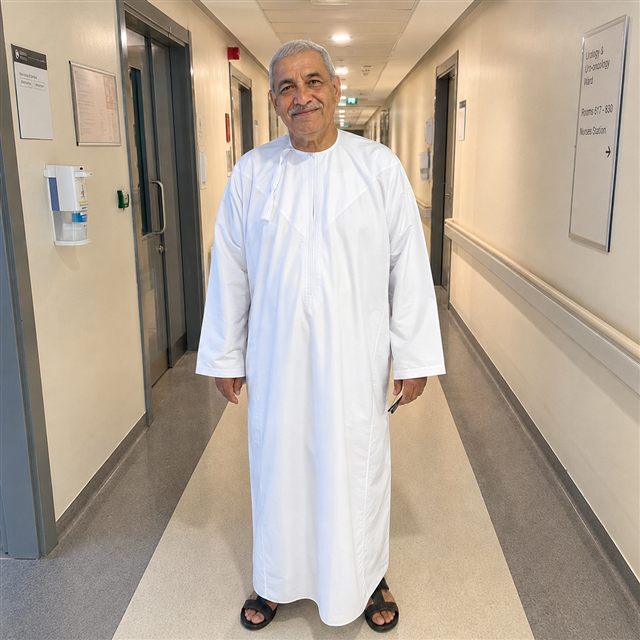
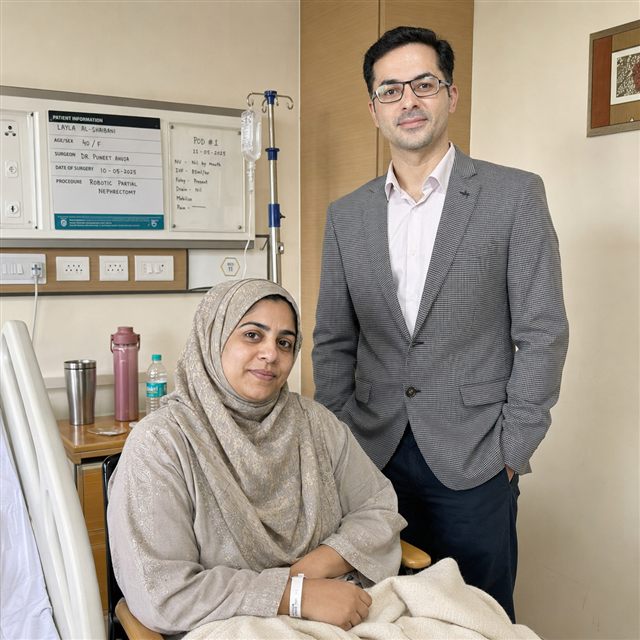
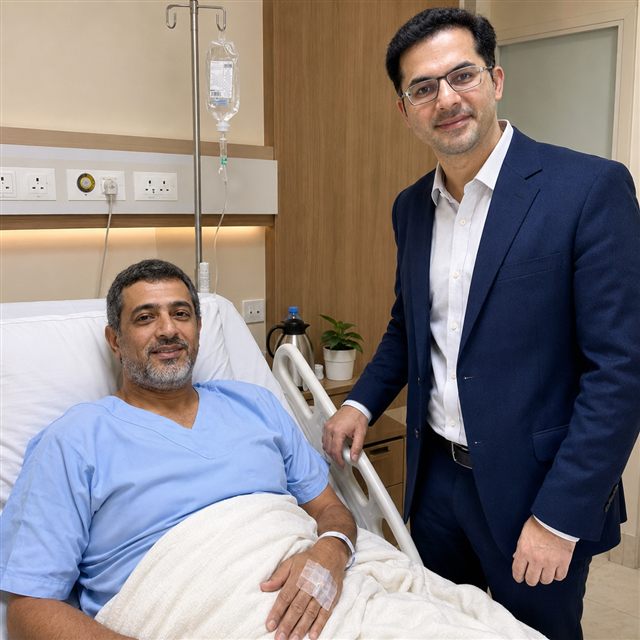
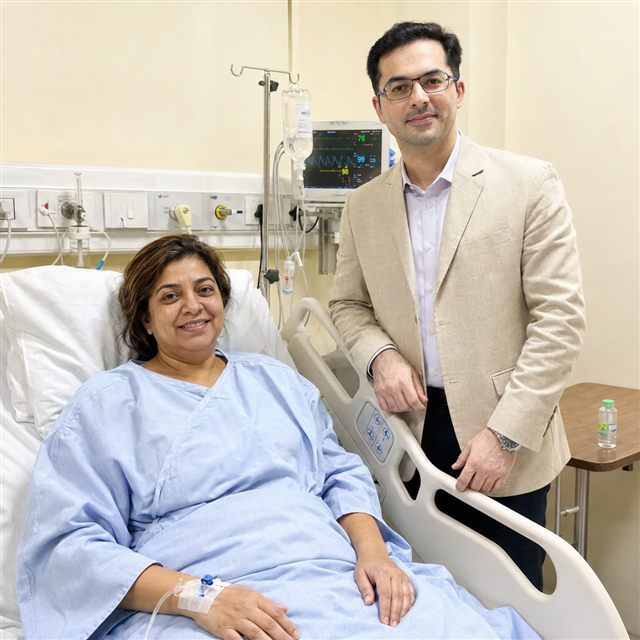
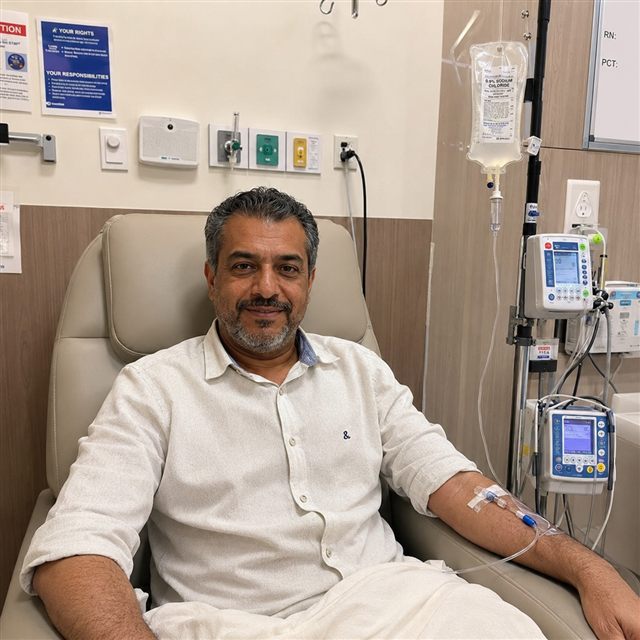
Healing Journeys of Omani Patients



Key Takeaways
- For patients with end-stage kidney disease, transplantation can offer freedom from regular dialysis and improved long-term prospects compared with remaining on dialysis indefinitely. The guide focuses specifically on the requirements Omani families need to understand before considering treatment in India.
- India's legal framework is a critical part of the transplant process. For international patients, the living kidney donor must be a close relative, with the relationship requiring verification and approval through the appropriate hospital ethics process before transplantation.
- Blood-group compatibility should be established early. An incompatible donor-recipient pair may require additional testing and, in some cases, desensitisation treatment, increasing both treatment complexity and cost.
- India is presented as a strong option because of its high volume of living-donor kidney transplantation, dedicated transplant teams and established pathways for international patients, including Arabic-speaking coordinators for Omani families.
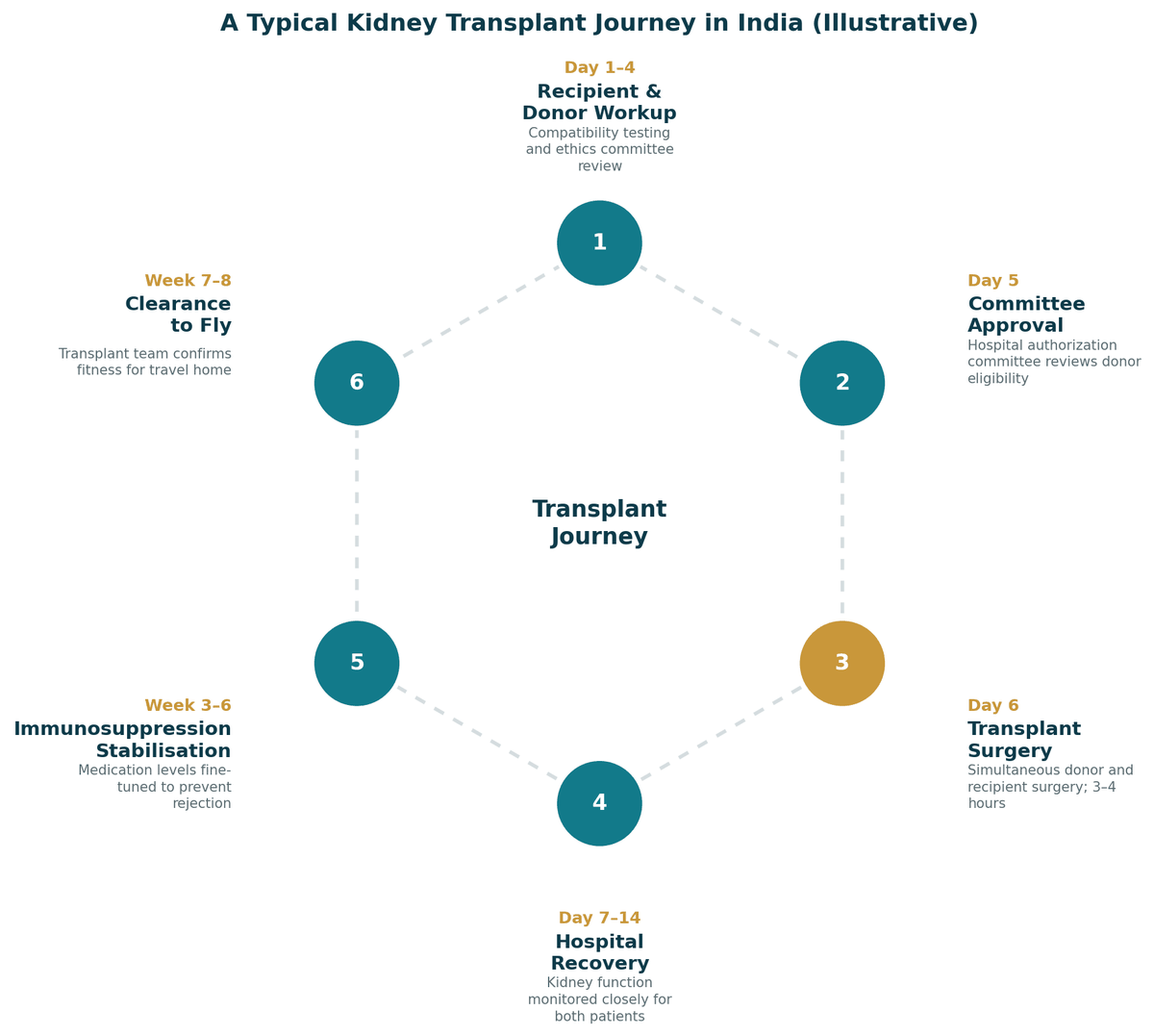
- The transplant journey diagram on page 2 illustrates donor and recipient work-up during days 1–4, committee approval around day 5, transplant surgery on day 6, hospital recovery during days 7–14, immunosuppression stabilisation during weeks 3–6 and clearance to fly around weeks 7–8.
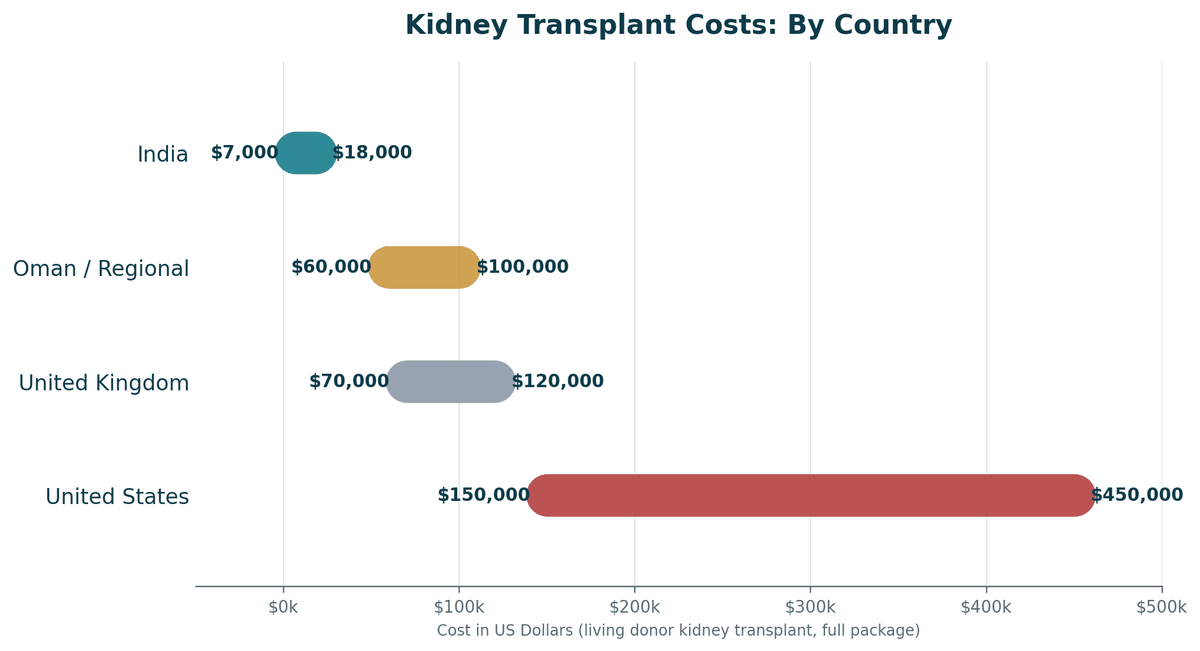
- The page 3 cost chart and comparison table gives a representative living-donor kidney transplant package of US$7,000–18,000 in India, compared with US$60,000–100,000 through Oman/regional pathways, US$70,000–120,000 in the private UK and US$150,000–450,000+ in the United States.
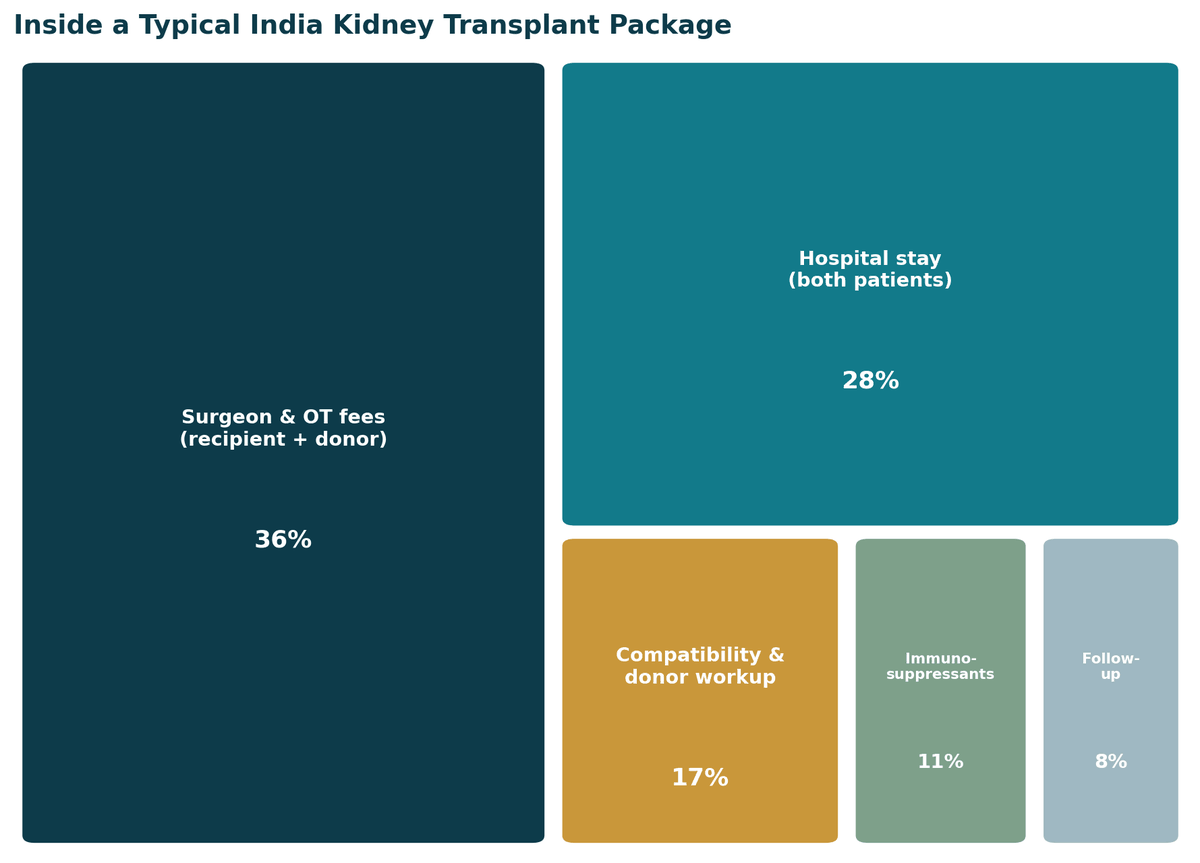
- The page 4 package graphic illustrates surgeon and OT fees at 36%, hospital stay for donor and recipient at 28%, compatibility and donor work-up at 17%, immunosuppressants at 11% and follow-up at 8%.
- Long-term planning remains essential after transplantation. Lifelong immunosuppressant medication and monitoring continue after the patient returns to Oman, so coordination with a local nephrology team should be established before travelling.
- The guide emphasises that the donor process should begin before travelling to India. Omani families should provide the recipient's and potential donor's relationship details to the transplant team early because close-relative verification and the required documentation take time and cannot simply be completed after arrival.
- Donor and recipient evaluation is an important part of the overall transplant pathway. Compatibility testing, medical assessment and ethics committee review must be completed before surgery is authorised, making early preparation particularly important for families travelling from Oman.
- The guide reports living-donor transplant success rates of approximately 85–90% at leading Indian centres and highlights the importance of asking about the specific centre's annual transplant volume and published survival outcomes rather than relying only on general hospital reputation.
- The guide stresses that transplantation does not end when the patient leaves India. Lifelong immunosuppressant medication, kidney-function monitoring and medication-level checks are required, so Omani patients should establish coordination with a nephrology team in Oman before returning home.
Quick Facts
- Treatment
- Living-donor kidney transplant
- Primary Patients
- Omani patients with end-stage kidney disease
- Key Donor Requirement
- Donor must meet India's close-relative requirement for international patients
- Legal Process
- Donor relationship requires verification and ethics committee approval
- Compatibility Check
- Blood-group compatibility should be assessed early
- Possible Incompatible Pair
- Additional testing and desensitisation may be required
- Key Specialist
- Transplant Surgeon and Nephrology Team
- Main India Advantage
- High living-donor transplant volume and established international patient pathways
- Main India Support
- Arabic-speaking coordinators are highlighted for Omani patients
- Main India Cost
- US$7,000–18,000
- Oman / Regional Cost
- US$60,000–100,000
- UK Private Cost
- US$70,000–120,000
- US Cost
- US$150,000–450,000+
- Typical Transplant Surgery
- Approximately 3–4 hours
- Illustrated Journey
- Approximately 7–8 weeks
- Hospital Recovery
- Days 7–14 in the illustrated pathway
- Immunosuppression Stabilisation
- Weeks 3–6
- Package Breakdown
- Surgeon/OT 36%, hospital stay for donor and recipient 28%, compatibility and donor work-up 17%, immunosuppressants 11%, follow-up 8%
- Insurance
- Check Omani insurance or employer reimbursement before travel
- Ministry of Health
- Clarify the applicable overseas-treatment position
- Follow-Up
- Lifelong kidney-function and immunosuppressant monitoring
- Home Care
- Coordinate with a nephrology team in Oman before returning
- Author
- Dr. Dheeraj Bojwani
- Experience
- 24+ Years
In Brief
Kidney transplant surgery in India can be considered by Omani patients with end-stage kidney disease when an appropriate living donor is available and the legal and medical requirements are satisfied. The guide highlights India's close-relative donor requirement for international patients, the importance of early blood-group compatibility testing and the need for hospital ethics approval. A representative living-donor transplant package is estimated at US$7,000–18,000 in India compared with US$60,000–100,000 through Oman/regional pathways. The transplant journey may extend to seven or eight weeks, including donor-recipient evaluation, surgery, recovery and immunosuppression stabilisation, with lifelong nephrology follow-up required after returning to Oman.
The Legal Reality That Shapes Every Kidney Transplant Decision
India's Transplantation of Human Organs and Tissues Act permits living donor kidney transplants for international patients, but with an important condition: the donor must be a close relative of the recipient, and this relationship must be verified and approved by a hospital ethics committee before surgery is authorised. This is not a bureaucratic formality — it exists specifically to prevent organ trafficking and ensure donation is genuinely voluntary, and it means that Omani families need to identify and prepare a family member donor before travel, rather than expecting to source one after arrival.
Blood group compatibility between donor and recipient also meaningfully affects both the process and the cost. When donor and recipient share a compatible blood type, the pathway is comparatively straightforward. When they do not, additional specialised testing and, in some cases, desensitisation treatment before surgery becomes necessary, which extends both the timeline and the cost. Understanding your specific donor's compatibility early in the process helps set realistic expectations from the outset.
What Makes India a Strong Option for Kidney Transplantation
India performs an extremely high volume of living donor kidney transplants each year, with success rates at leading centres reported between 85 and 90 percent for living donor procedures, comparable to outcomes at major Western transplant programmes. This volume gives surgical and nephrology teams deep, specific experience managing the full range of donor-recipient compatibility scenarios, including blood-group-incompatible cases that require more specialised management.
India also gives families access to a well-established legal and ethical framework specifically designed for living donor transplantation, dedicated transplant units experienced in managing both recipient and donor recovery, and long-term nephrology follow-up for lifelong immunosuppression management. And because Indian hospitals have spent two decades building international transplant pathways for Gulf and African families, Omani patients arrive to Arabic-speaking coordinators and a well-tested process for the documentation requirements specific to organ transplantation.
Given how significantly the ongoing cost of dialysis, and the very high cost of transplantation in Western countries, compares to India's combination of high volume, strong outcomes, and a clear legal pathway for family donors, this is a serious option worth understanding fully for Omani families facing kidney failure.
Cost Comparison: India vs. Oman/Regional vs. Western Countries
The figures below represent a full living donor kidney transplant package, in approximate US dollars, at an accredited private hospital, covering both recipient and donor surgery.
| Destination | Typical Cost (Living Donor Transplant) | What This Usually Includes |
|---|---|---|
| India | US $7,000 – $18,000 | Recipient and donor surgery, hospital stay for both, and standard follow-up (blood-group-incompatible cases cost more) |
| Oman / Regional | US $60,000 – $100,000 | Where accessible via other regional referral pathways; varies by hospital and case complexity |
| United Kingdom (private) | US $70,000 – $120,000 | Surgery and hospital stay; specialist aftercare often billed separately |
| United States | US $150,000 – $450,000+ | Highly variable by state and hospital; surgery and hospitalisation alone often exceed $150,000 |
A few honest caveats specific to kidney transplant. First, confirm your potential donor meets India's close-relative requirement and begin the relationship documentation process early, since this verification takes real time and cannot be rushed once you are already in India. Second, ask specifically whether blood group compatibility testing has been completed, since an incompatible pair changes both the cost and the process meaningfully. Third, remember that long-term immunosuppressant medication is a lifelong, ongoing cost separate from the transplant itself, and sourcing these medications affordably over the following years is worth planning for as part of your overall decision.
What a Typical Omani Family Should Weigh Before Deciding Kidney Transplant in India
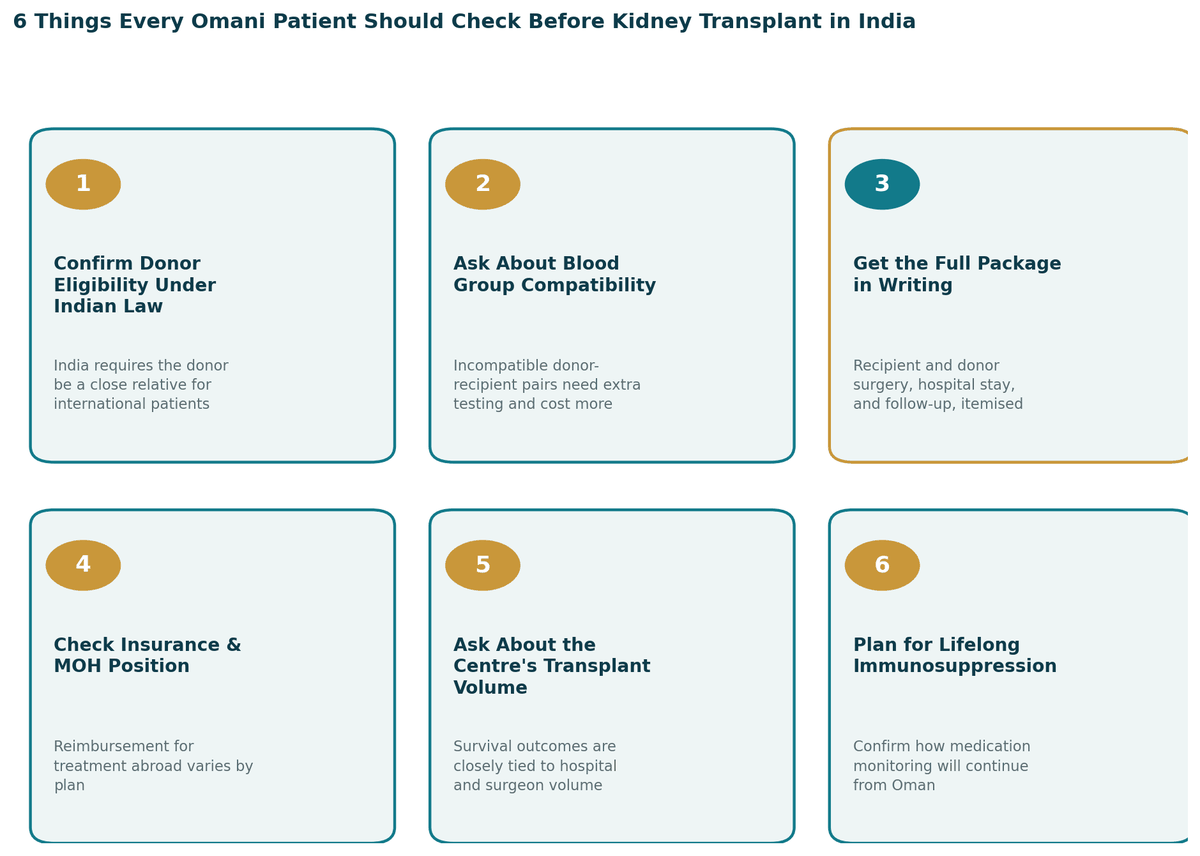
Having guided families through this exact decision for 24 years, here is what I encourage every Omani family to work through before committing to a hospital:
- Confirm your potential donor qualifies under Indian law. Send the recipient's and potential donor's relationship details to an independent transplant team in India before committing. Understand the documentation required to verify a close-relative relationship.
- Ask about blood group compatibility early. This affects both the process and the cost meaningfully. Understand what additional testing or treatment would be needed for an incompatible pair.
- Get the full package itemised in writing. Recipient surgery, donor surgery, both hospital stays, and follow-up should each be clear before you travel.
- Check your insurance and Ministry of Health position. Some Omani insurance plans and employer health schemes offer partial reimbursement for treatment abroad; others do not cover it at all. Clarify this before you travel, not after.
- Ask about the centre's specific transplant volume and survival outcomes. Ask how many living donor kidney transplants the specific centre and surgical team perform each year, and what their published survival rates are.
- Plan for lifelong immunosuppression monitoring after you return. Confirm how kidney function and medication levels will be monitored once you are back in Oman, and that your local nephrology team is willing to coordinate with the Indian transplant centre.
A Direct Final Thought
A kidney transplant offers something dialysis cannot — a genuine return to a fuller life, not just management of a chronic condition. But the path there runs through real legal and medical requirements that deserve early, honest attention, particularly the close-relative donor rule that shapes the entire process from the very first conversation. Address that reality directly and early, and the rest of the journey becomes considerably more manageable. Confirming your donor situation and getting an honest, specific transplant assessment is the right place to begin, before any other decision is made.
Sources & Further Reading
- National Institute of Diabetes and Digestive and Kidney Diseases (NIDDK), National Institutes of Health — Kidney Transplant (niddk.nih.gov)
- MedlinePlus, U.S. National Library of Medicine (NIH) — Kidney Transplantation (medlineplus.gov)
- National Kidney Foundation, non-profit organization — Transplantation (kidney.org)
- American Society of Transplantation (AST), non-profit professional association — Patient Resources (myast.org)
- NHS (UK National Health Service) — Kidney Transplant (nhs.uk)
Frequently Asked Questions by Omani Patients about Kidney Transplant Surgery in India
Can Omani patients undergo a living-donor kidney transplant in India?
Yes, but the guide states that international patients must meet India's donor requirements. The living donor must be a qualifying close relative and the relationship must undergo the required verification and ethics approval.
Who can donate a kidney to an Omani patient in India?
The guide states that the donor must be a close relative of the recipient under the applicable Indian framework. Omani families should submit relationship details for review before making travel arrangements.
How much does a kidney transplant cost in India for Omani patients?
The guide gives a representative full living-donor transplant package of US$7,000–18,000, covering recipient and donor surgery, hospital stays and standard follow-up. Blood-group-incompatible cases can cost more.
How does kidney transplant cost in India compare with Oman or regional pathways?
The guide gives approximately US$60,000–100,000 for Oman/regional pathways compared with US$7,000–18,000 in India for the representative living-donor package.
Why is blood-group compatibility important for an Omani kidney transplant patient?
A compatible donor-recipient pair generally follows a more straightforward pathway. An incompatible pair may require additional testing and desensitisation, which can increase both cost and treatment time.
How long might an Omani family need to stay in India for kidney transplantation?
The illustrated pathway extends approximately seven to eight weeks, including donor and recipient evaluation, ethics approval, surgery, hospital recovery and stabilisation of immunosuppressive medication.
What happens to the Omani patient after kidney transplant surgery in India?
The patient requires close monitoring and adjustment of immunosuppressive medication before returning home. The guide recommends ensuring that long-term kidney and medication monitoring can continue with a nephrology team in Oman.
What should an Omani patient ask about the Indian transplant centre?
Ask how many living-donor kidney transplants the specific centre and surgical team perform each year and request information about their published transplant outcomes. Experience specific to kidney transplantation is important.
Does the kidney transplant package in India include both donor and recipient treatment?
The representative package described in the guide covers recipient and donor surgery and hospital stays, together with standard follow-up. Omani families should still obtain a fully itemised quotation before travelling.
What should an Omani family check before travelling to India for kidney transplant surgery?
Confirm the donor's legal eligibility, complete relationship documentation, establish blood-group compatibility, obtain the full package in writing, check insurance and Ministry of Health requirements, verify transplant-centre experience and arrange lifelong nephrology follow-up in Oman.
Page Summary
This six-page guide explains kidney transplant surgery in India for Omani patients, focusing on donor eligibility, Indian legal requirements, blood-group compatibility, costs and long-term follow-up. The page 2 transplant journey diagram shows donor-recipient work-up, ethics approval, surgery, hospital recovery, immunosuppression stabilisation and clearance to fly over approximately seven to eight weeks. The page 3 cost chart compares India at US$7,000–18,000 with Oman/regional pathways at US$60,000–100,000, while page 4 illustrates the main components of a typical transplant package. Page 5 provides six important checks covering donor eligibility, compatibility, written costing, insurance and Ministry of Health requirements, transplant-centre volume and lifelong follow-up in Oman.
Citation Block
| Field | Details |
|---|---|
| Article / Topic | Kidney Transplant Surgery in India |
| Country / Patients | India / Omani Patients |
| Main Treatment | Living-donor kidney transplant |
| Key Specialist | Transplant Surgeon and Nephrology Team |
| Donor Requirement | Close relative for international patients under the guide's stated Indian legal framework |
| Legal Check | Relationship verification and hospital ethics committee approval |
| Compatibility Check | Blood-group compatibility |
| Incompatible Pair | May require additional testing or desensitisation |
| Main India Advantage | High living-donor transplant volume |
| International Support | Arabic-speaking coordinators |
| India Cost | US$7,000–18,000 |
| Oman / Regional Cost | US$60,000–100,000 |
| UK Private Cost | US$70,000–120,000 |
| US Cost | US$150,000–450,000+ |
| Surgery Duration | Approximately 3–4 hours |
| Illustrated Journey | Approximately 7–8 weeks |
| Hospital Recovery | Days 7–14 |
| Immunosuppression Stabilisation | Weeks 3–6 |
| Package Breakdown | Surgeon/OT 36%, hospital stay for donor and recipient 28%, compatibility and donor work-up 17%, immunosuppressants 11%, follow-up 8% |
| Donor Check | Confirm eligibility and relationship documentation before travel |
| Cost Check | Obtain a complete package covering both donor and recipient |
| Insurance / MOH | Confirm overseas-treatment reimbursement before travel |
| Centre Check | Ask about living-donor transplant volume and published outcomes |
| Follow-Up | Arrange lifelong nephrology monitoring in Oman |
| Medication Check | Plan ongoing immunosuppressant supply and affordability |
| Key Selection Criterion | Legal donor eligibility, transplant-centre experience and long-term follow-up |
| Important Warning | Donor eligibility and relationship documentation must be addressed before travelling to India |


Our Mission Statement
Our mission is to place patients at the centre of every healthcare decision by providing trustworthy, evidence-based, and unbiased medical information. We believe that informed patients make better decisions. Backed by personalised guidance from our experienced advisory team, we help patients understand their treatment options, compare them objectively, and confidently choose the path that best suits their medical needs and personal circumstances.
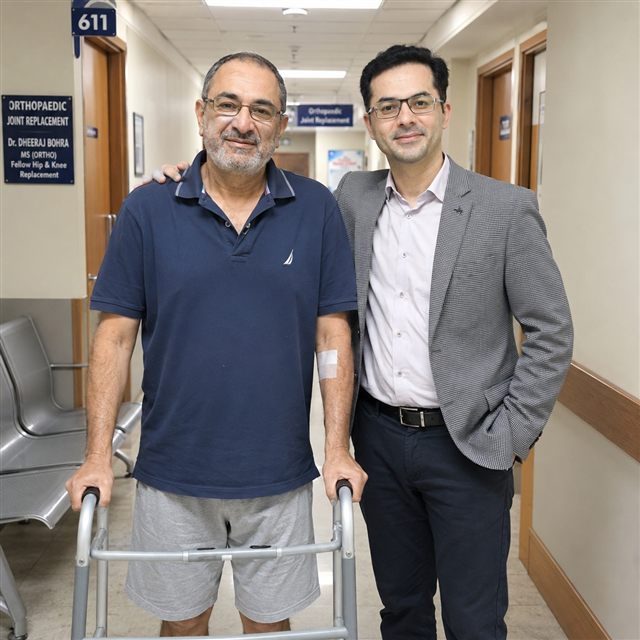
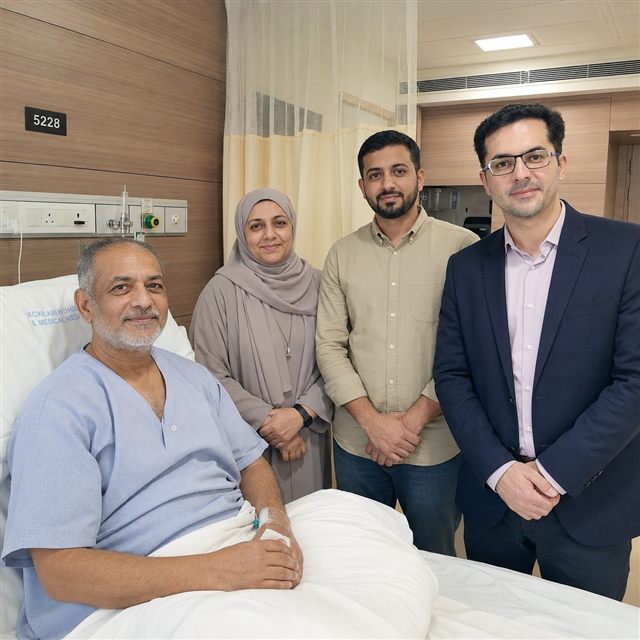
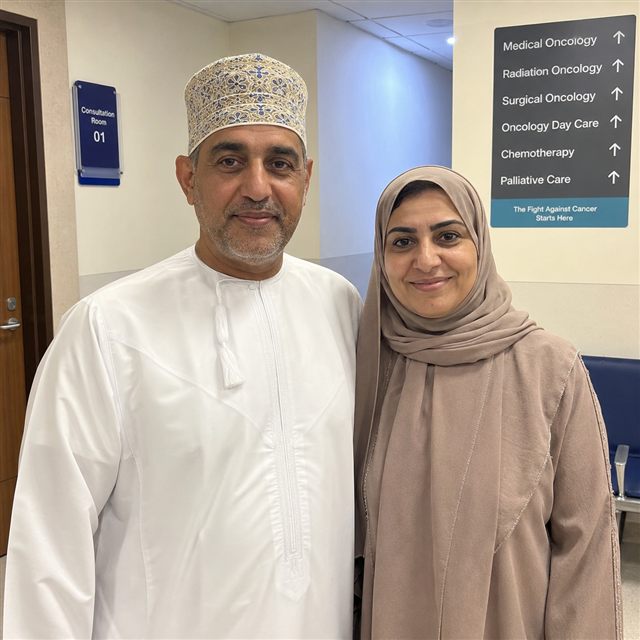
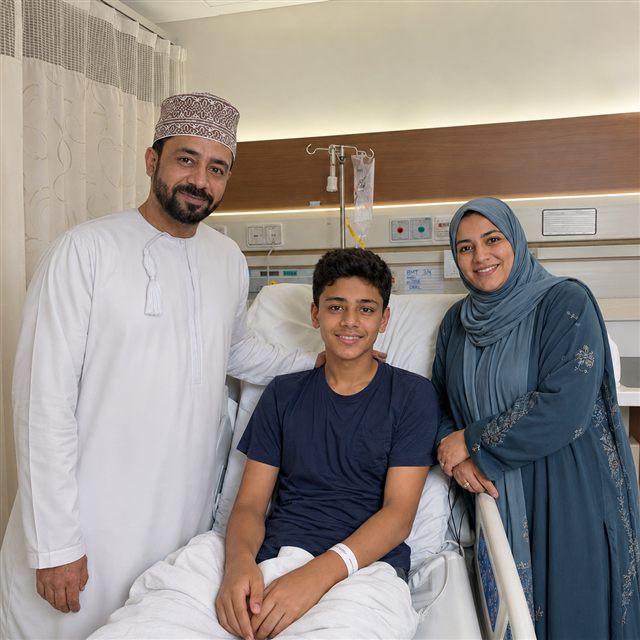
Patient Testimonials from Oman




Ready to Take the First Step?
Share your Medical Reports with our Healthcare Managers Today and Get a FREE CONSULTATION, a Personalized Treatment Plan, and Complete Support from Arrival to Recovery.
Get Your Free ConsultationAreas We Serve
Indian Health Guru Consultants proudly assists patients from Oman and surrounding Middle Eastern countries in accessing advanced, affordable and trusted medical treatment in India. Our team provides complete support for medical opinions, hospital selection, treatment planning, visa assistance, travel coordination, accommodation and post-treatment follow-up.
We regularly serve patients from:
- Oman
- Turkey
- Iran
- Kuwait
- Jordan
- Syria
- Qatar
- Bahrain
- Yemen
- Iraq
- Saudi Arabia
- United Arab Emirates
No matter where you are located, our experienced team is committed to making your medical journey to India safe, smooth, transparent and stress-free from the first enquiry to your return home.
From Oman to India: Your Complete Patient Guide
- Weight Loss and Bariatric Surgery in India for Omanis: Cost & Guide
- Brain Tumor Surgery in India for Omanis: Cost & Guide
- Cancer Treatment in India for Omanis: Cost & Guide
- Cardiac Surgery in India for Omanis: Cost & Guide
- Breast Cancer Treatment in India for Omanis: Cost & Guide
- Neurosurgery in India for Omanis: Cost & Guide
- Spine Surgery in India for Omanis: Cost & Guide
- Bone Marrow Transplant in India for Omanis: Cost & Guide
- Best Dentists and Clinics for Dental Surgery in India for Omani Patients
- Best Doctors and Hospitals for Blood Cancer Treatment in India for Omani Patients
- Best Bone Marrow Transplant Doctors and Hospitals in India for Omani Patients
- Best IVF and Fertility Doctors and Hospitals in India for Omani Couples
- Best Bariatric Surgeons and Hospitals for Weight Loss Surgery in India for Omani Patients
- Best Brain Tumor Surgery Doctors and Hospitals in India for Omani Patients
- Best Cardiac Surgeons and Hospitals in India for Omani Patients
- Best Colorectal Cancer Surgeons and Hospitals in India for Omani Patients
- Best Surgeons and Hospitals for Complex Joint Revision Surgery in India for Omani Patients
- Hip Surgery in India for Omanis: Cost & Guide