

Selecting the Best Doctors and Hospitals for IVF and Fertility Treatment in India: A Guide for Omani Couples
A practical guide for Omani couples evaluating IVF specialists and fertility clinics in India, with a focus on embryology laboratory quality, age-specific success rates, specialist expertise, accreditation and treatment planning.
Once an Omani couple has decided that IVF in India is the right path, a second, equally important decision remains: which specialist, and which clinic. Reproductive medicine experts are consistently direct about one thing patients rarely think to ask — the embryology laboratory, not simply the doctor, is genuinely the engine of IVF success, since it is where your eggs, sperm, and embryos are actually cared for. Over 24 years of advising Gulf couples through exactly this decision, I want to walk through what genuinely matters. Oman’s hospitals, including Apollo Hospital Muscat, Badr Al Samaa, Aster Al Raffah, and Burjeel Medical Centre, provide fertility consultation and initial diagnostic workup, and are the right starting point for understanding the underlying cause of difficulty conceiving. This guide focuses specifically on how to evaluate the specialist and clinic once IVF has been recommended.
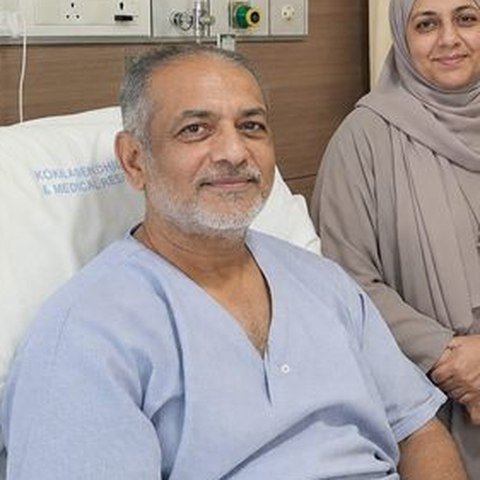
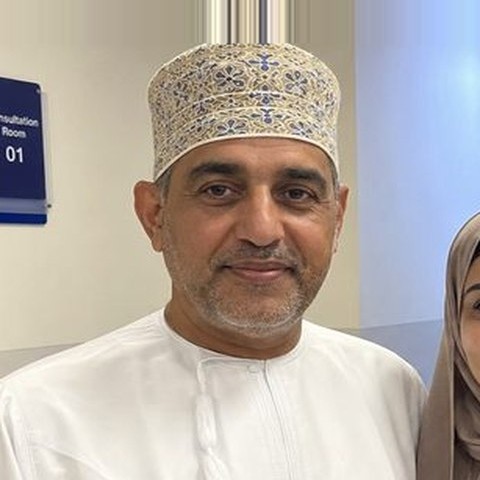
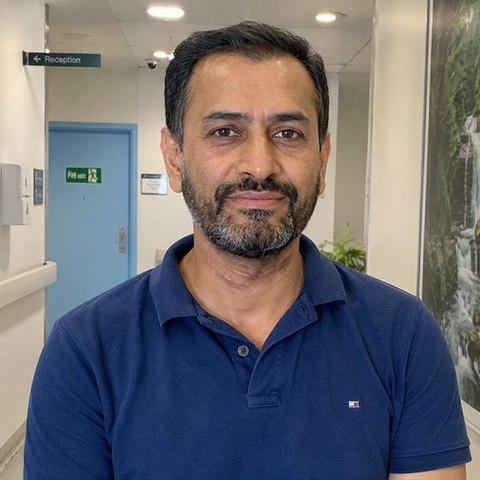
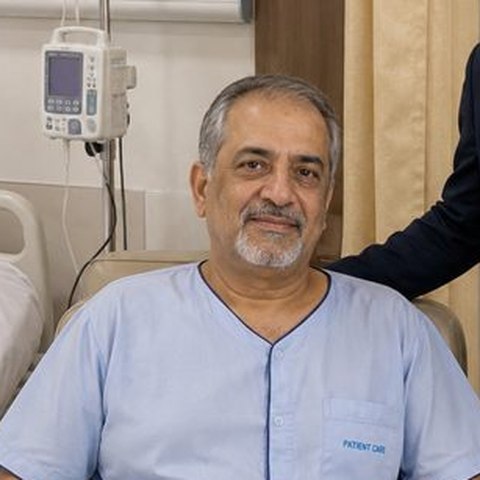
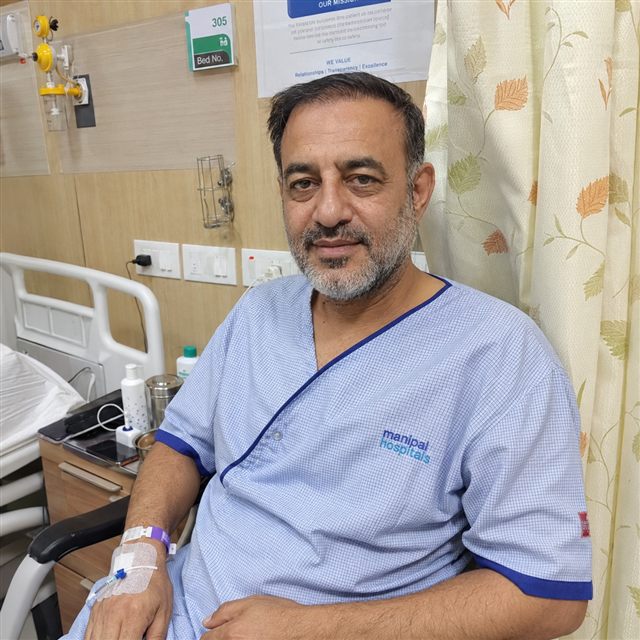
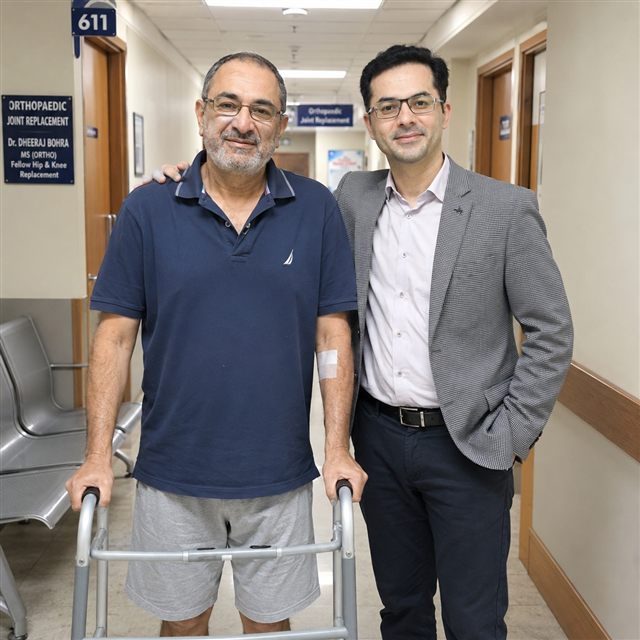
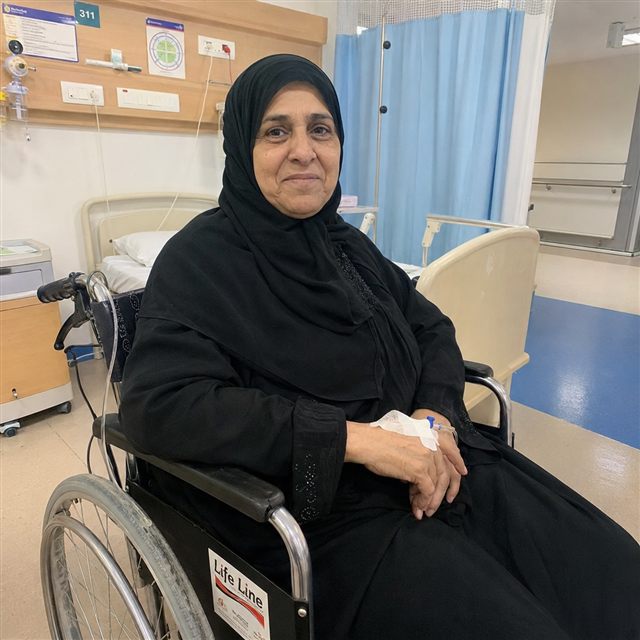
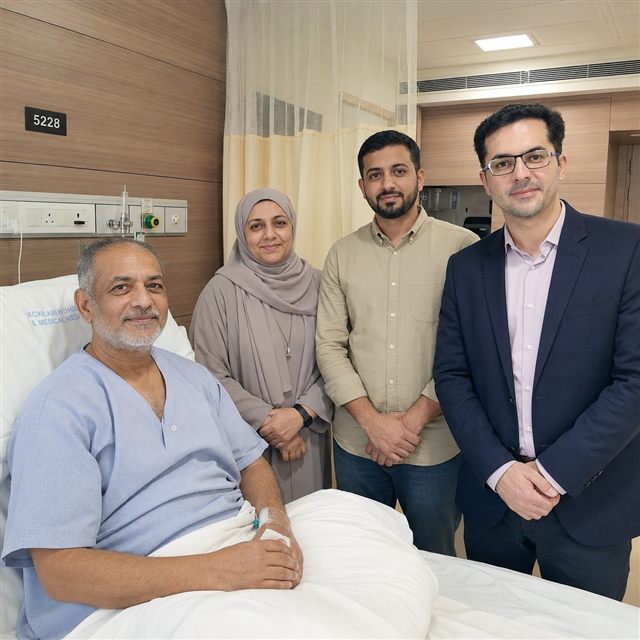
Healing Journeys of Omani Patients

Key Takeaways
- The guide emphasises that choosing an IVF clinic involves much more than selecting a well-known fertility doctor. The embryology laboratory is described as the "engine" of IVF success because eggs, sperm and embryos are handled there. Omani couples should therefore evaluate laboratory performance and the depth of the embryology team alongside the reproductive specialist.
- Specific laboratory metrics should be requested instead of relying on a clinic’s headline overall success percentage. The guide identifies fertilisation rate, blastocyst conversion rate and freeze-thaw survival rate as particularly useful measures. It notes that a genuinely strong laboratory typically achieves around 70% fertilisation, roughly 60% conversion of fertilised eggs into viable day 5–7 embryos and more than 85% egg and embryo survival after freezing and thawing.
- The depth and stability of the embryology team are also important. The guide warns against dependence on a single "star" embryologist because this creates a vulnerability if that person is unavailable. A stronger programme has multiple senior embryologists and relatively low staff turnover, demonstrating institutional stability rather than dependence on one individual.
- Success rates should be examined according to the couple’s age group rather than accepting a blended overall figure. The guide explains that clinics treating predominantly younger or lower-risk patients can report impressive overall figures that may not represent another couple’s realistic chances. Omani couples should therefore request age-specific live birth rates and understand how those figures apply to their own circumstances.
- The clinic should also demonstrate that IVF is being recommended appropriately. The guide encourages couples to ask whether less invasive fertility options have genuinely been considered before IVF is recommended. A reproductive endocrinologist with appropriate certification should lead care, while the treatment programme should provide access to the full range of fertility options rather than defaulting to IVF in every situation.
- Clinic volume and embryo-transfer practices provide additional selection factors. The guide recommends looking for a genuinely high-volume IVF clinic and asking how many embryos are typically transferred per cycle. A practice closer to single-embryo transfer may indicate confidence in embryo quality and supports a safer approach because singleton pregnancies generally carry lower risks than twin or triplet pregnancies.
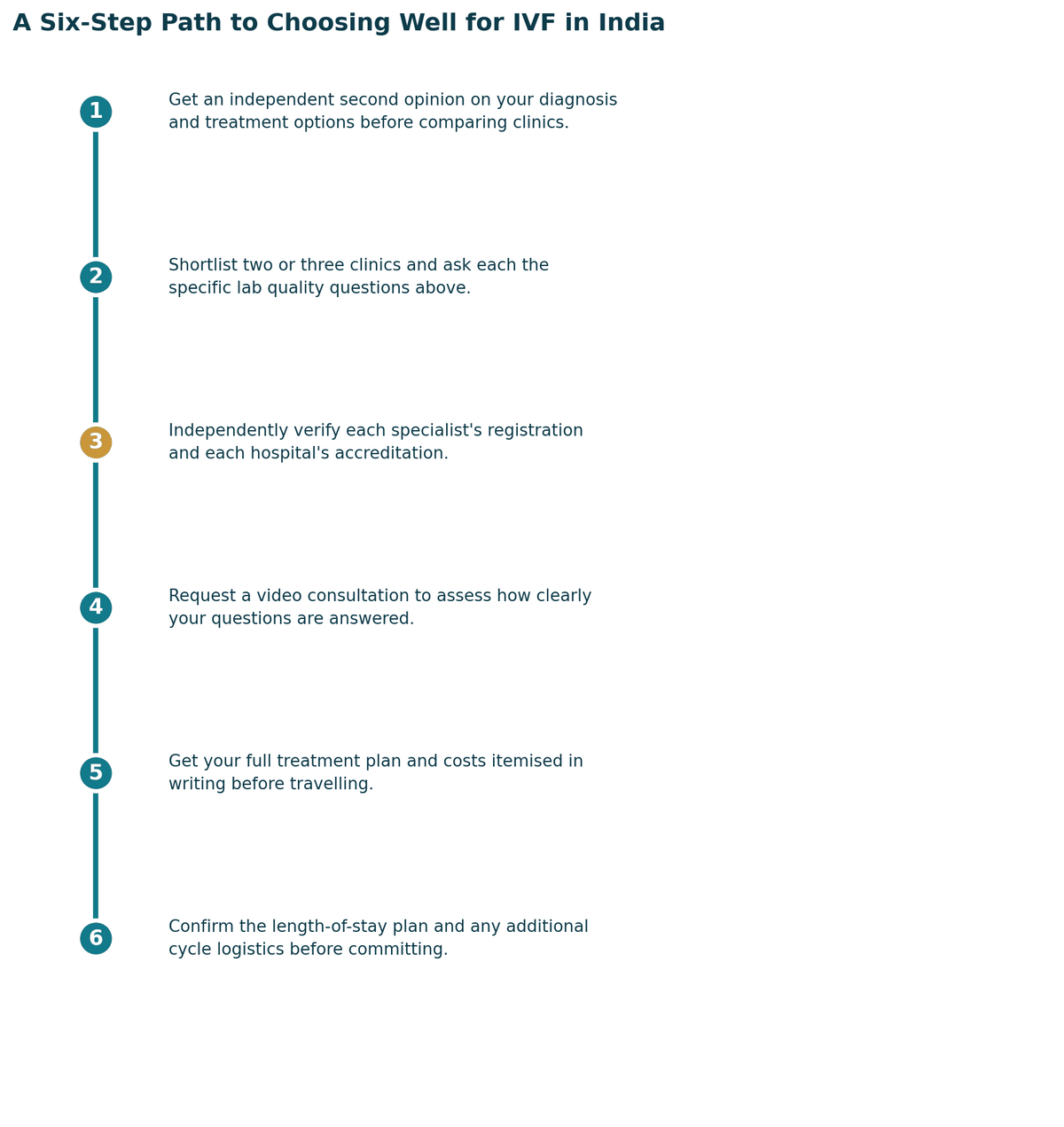
- Independent verification is essential before an Omani couple commits to treatment in India. The guide recommends independently checking specialist registration with the Medical Council of India or relevant State Medical Council and verifying hospital accreditation through public NABH or JCI databases. Couples should also confirm whether the embryology laboratory has additional quality accreditation, whether pre-travel diagnostic review and video consultation are available, and how emotional, nutritional and long-term follow-up support will be managed. The six-step pathway on page 4 covers second opinion, clinic shortlisting, independent verification, video consultation, written treatment costs and confirmation of length of stay and additional cycle logistics.
Quick Facts
- Treatment
- IVF and fertility treatment
- Primary Patients
- Omani couples travelling to India
- Main Procedures
- IVF, embryo culture, blastocyst development and embryo freezing
- Key Specialist
- Reproductive Endocrinologist / IVF Specialist
- Laboratory Check
- Ask for specific fertilisation, blastocyst conversion and freeze-thaw survival rates
- Fertilisation Benchmark
- Strong laboratories may achieve around 70% fertilisation
- Blastocyst Benchmark
- Roughly 60% of fertilised eggs may develop into viable day 5–7 embryos in a strong laboratory
- Freeze-Thaw Survival
- Strong programmes may maintain egg and embryo survival above 85%
- Embryology Team
- Prefer multiple senior embryologists rather than dependence on one individual
- Success Rate Check
- Ask for live birth rates specific to the patient’s age group
- Treatment Assessment
- Confirm whether less invasive fertility options have been considered
- Clinic Volume
- Prefer a genuinely high-volume IVF programme
- Embryo Transfer
- Ask how many embryos are typically transferred per cycle
- Accreditation Check
- Verify NABH or JCI accreditation independently
- Laboratory Quality
- Ask whether the embryology laboratory has additional quality accreditation
- Registration Check
- Independently verify specialist registration
- Consultation
- Video consultation recommended before travelling
- Support Services
- Ask about emotional and nutritional support during fertility treatment
- Cost Documentation
- Full treatment plan and costs should be provided in writing
- Travel Planning
- Confirm length of stay and additional cycle logistics before commitment
- Red Flags
- Vague laboratory metrics, blended success rates, dependence on one embryologist or pressure to proceed with IVF
- Decision Factor
- Strong embryology laboratory combined with age-specific outcomes, qualified reproductive care and transparent treatment planning
- Author
- Dr. Dheeraj Bojwani
- Experience
- 24+ Years
In Brief
For Omani couples seeking IVF and fertility treatment in India, the guide recommends evaluating the embryology laboratory as carefully as the fertility specialist. Important checks include specific fertilisation, blastocyst conversion and freeze-thaw survival rates, multiple senior embryologists, age-specific live birth rates, appropriate consideration of less invasive options, reproductive endocrinologist certification and high annual IVF volume. Couples should also verify NABH or JCI accreditation, ask about laboratory quality accreditation, confirm embryo-transfer practices, independently verify specialist registration, obtain a video consultation and written treatment plan, and clarify length of stay and follow-up arrangements before travelling.
Part One: What to Look for in an IVF Specialist in India
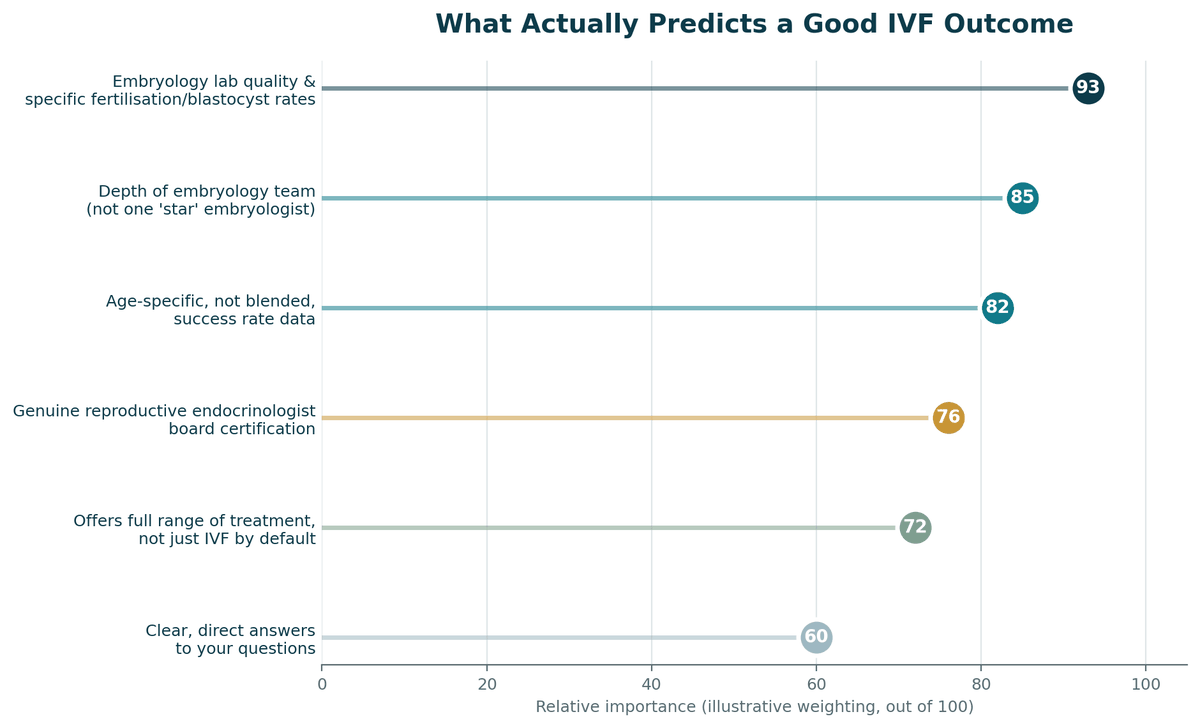
Ask directly for the clinic’s own specific laboratory metrics — fertilisation rate, blastocyst conversion rate, and freeze-thaw survival rate — rather than accepting only a headline overall success percentage. A genuinely strong lab typically achieves a fertilisation rate around 70 percent, grows roughly 60 percent of fertilised eggs into viable day 5 to 7 embryos, and maintains egg and embryo survival above 85 percent after freezing and thawing. These specific numbers tell you far more than a general marketing claim. Ask about the depth of the embryology team, not just the lead specialist. Reproductive laboratory experts specifically flag reliance on a single "star" embryologist as a genuine vulnerability, since it creates real risk whenever that person is unavailable. A well-run programme has multiple senior embryologists and low staff turnover, reflecting genuine institutional stability rather than dependence on one individual.
What to Ask a Prospective Specialist
- What are your lab’s specific fertilisation rate, blastocyst conversion rate, and freeze-thaw survival rate?
- How many senior embryologists work in your lab, and what is staff turnover like?
- What is your live birth rate specifically for my age group, not a blended overall figure?
- Have less invasive options genuinely been considered before recommending IVF?
- Who manages my long-term follow-up once I’ve returned to Oman?
Part Two: What to Look for in an IVF Hospital in India
Look for a clinic performing a genuinely high volume of IVF cycles annually, since research consistently associates higher-volume clinics with better success rates. Ask specifically about the number of embryos typically transferred per cycle — the closer to one, the more it suggests genuine confidence in embryo quality and reflects a safer approach, since singleton pregnancies carry meaningfully lower risk than twin or triplet pregnancies. Accreditation remains a useful starting filter. In India, look for NABH (National Accreditation Board for Hospitals) accreditation at minimum, and JCI (Joint Commission International) accreditation where available. Ask specifically whether the embryology laboratory itself holds any additional quality accreditation beyond the hospital’s general certification.
A Practical Verification Checklist for IVF in India
Before committing to any specific specialist or clinic, work through this list. A team confident in its own quality will answer these questions plainly; one that deflects or grows evasive is telling you something too.
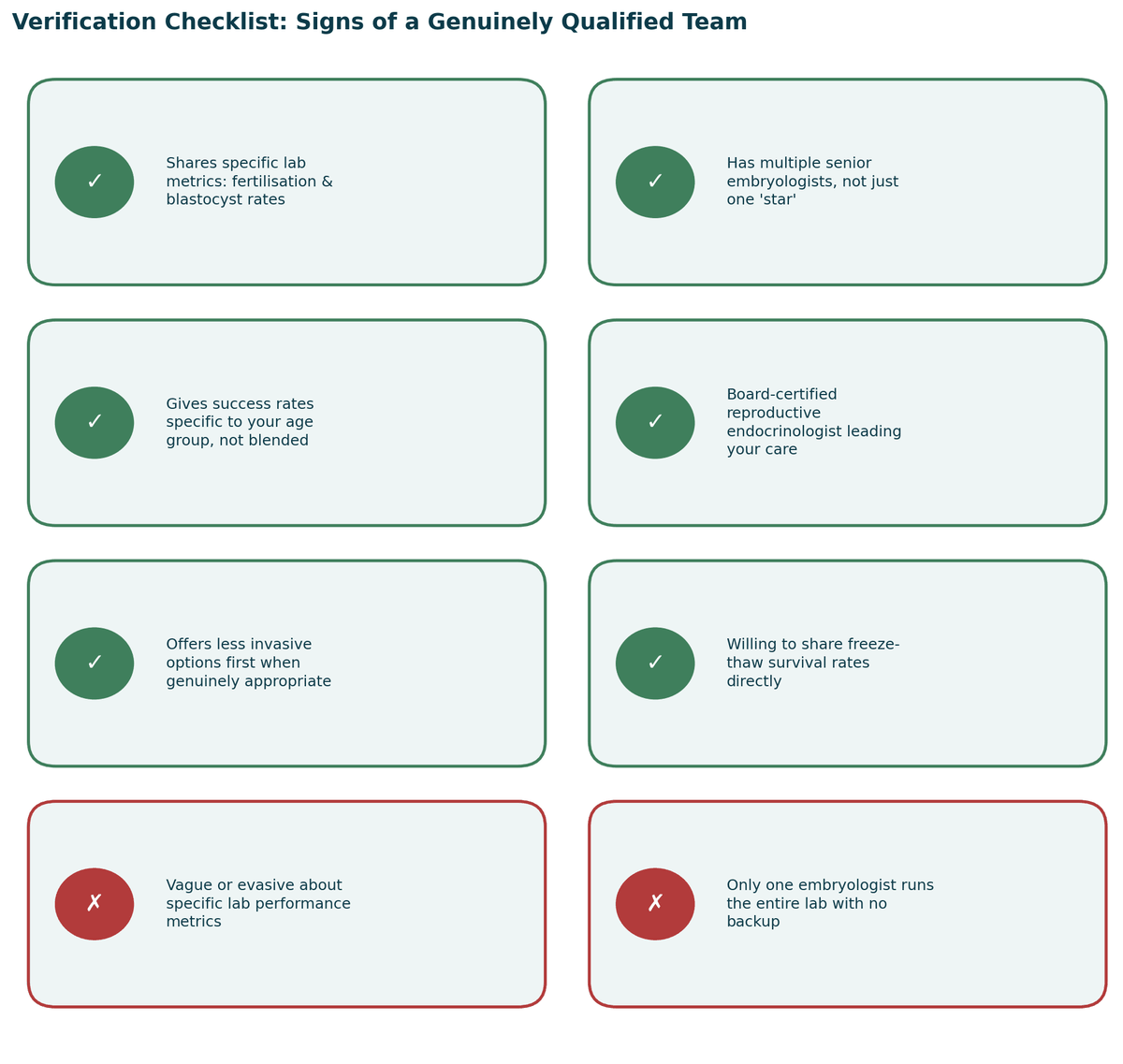
A note on independent verification: never rely solely on a hospital’s own marketing materials or a medical tourism facilitator’s recommendation. Cross-check your specialist’s registration directly with the Medical Council of India or the relevant State Medical Council, and verify hospital accreditation directly through the NABH or JCI public accreditation databases, both of which are searchable online. Ask for age-specific success rates, since a clinic serving mostly younger, lower-risk patients can report inflated overall figures that don’t reflect your own realistic odds.
What a Typical Omani Couple Should Weigh for IVF in India
Beyond the specialist and clinic themselves, a few practical factors deserve real attention. Ask specifically whether the specialist who consults with you will remain your primary point of contact throughout the cycle, since continuity genuinely matters for a process this demanding. Confirm whether pre-travel diagnostic review and video consultation are genuinely available, allowing you to get an informed opinion before committing to travel. And ask about genuine emotional and nutritional support services, since fertility treatment asks a great deal of a couple beyond the clinical process alone.
A Six-Step Path to Choosing Well
A Hopeful, Honest Closing Word
The embryology laboratory behind your specialist matters genuinely as much as the specialist themselves, yet it is the piece of this decision patients most often overlook entirely. Asking directly for specific lab metrics, and understanding the depth and stability of the embryology team, is the single most useful thing an Omani couple can do before committing to treatment. An honest, specific conversation about both your realistic odds and your prospective clinic’s actual laboratory performance is worth having before any treatment commitment is made.
Sources & Further Reading
- National Institute of Child Health and Human Development (NICHD), National Institutes of Health — Infertility and Fertility (nichd.nih.gov)
- American Society for Reproductive Medicine (ASRM), non-profit professional association — Patient Resources (reproductivefacts.org)
- Centers for Disease Control and Prevention (CDC) — Assisted Reproductive Technology (ART) Success Rates (cdc.gov)
- National Accreditation Board for Hospitals & Healthcare Providers (NABH), India — Accredited Hospital Directory (nabh.co)
- Medical Council of India / National Medical Commission — Registered Medical Practitioner Verification (nmc.org.in)
Frequently Asked Questions by Omani Patients about IVF and Fertility Doctors and Clinics in India
How can Omani couples choose the right IVF clinic in India?
They should evaluate both the fertility specialist and the embryology laboratory. Specific laboratory metrics, age-specific live birth rates, embryology-team depth, specialist qualifications and transparent treatment planning should all be reviewed.
Why is the embryology laboratory so important in IVF?
The laboratory is where eggs, sperm and embryos are handled and developed. The guide therefore considers laboratory quality and specific performance metrics among the most important factors in evaluating an IVF programme.
What IVF laboratory metrics should Omani couples ask for?
They should ask for the clinic’s fertilisation rate, blastocyst conversion rate and freeze-thaw survival rate. The guide notes approximate strong-laboratory benchmarks of 70% fertilisation, 60% blastocyst conversion and more than 85% freeze-thaw survival.
Why should couples ask about the number of senior embryologists?
Dependence on a single "star" embryologist can create a vulnerability if that person becomes unavailable. Multiple senior embryologists and stable staffing indicate greater institutional depth.
Should Omani couples rely on a clinic’s overall IVF success rate?
No. The guide recommends requesting live birth rates specific to the couple’s age group because blended figures can be influenced by younger and lower-risk patients and may not represent their realistic chances.
Should less invasive fertility treatments be considered before IVF?
The guide recommends asking whether less invasive options have genuinely been considered before IVF is recommended. Couples should understand why IVF is appropriate for their individual situation.
How important is the number of embryos transferred during IVF?
It is an important question because the guide notes that transfer practices closer to one embryo can reflect confidence in embryo quality and support a safer approach by reducing the risks associated with multiple pregnancies.
What should Omani couples check about an IVF clinic in India?
They should verify NABH or JCI accreditation, ask about any additional embryology-laboratory quality accreditation, confirm IVF volume and laboratory performance and independently verify the specialist’s registration.
Can Omani couples have an IVF consultation before travelling to India?
Yes. The guide recommends pre-travel diagnostic review and video consultation so couples can obtain an informed opinion and assess how clearly the specialist answers their questions before committing to travel.
What should Omani couples confirm before travelling to India for IVF?
They should obtain an independent opinion, shortlist suitable clinics, verify specialist registration and accreditation, review laboratory metrics and age-specific success rates, complete a video consultation, obtain the full treatment plan and costs in writing and confirm the expected length of stay and additional cycle logistics before travelling.
Page Summary
This five-page guide helps Omani couples evaluate IVF specialists and fertility clinics in India before travelling for treatment. Its central message is that the embryology laboratory deserves as much attention as the fertility doctor because it is where eggs, sperm and embryos are handled. The guide recommends asking for specific laboratory performance measures such as fertilisation rate, blastocyst conversion and freeze-thaw survival, while also assessing the depth and stability of the embryology team. Couples should request age-specific live birth rates rather than relying on blended success figures and should confirm that less invasive fertility options have genuinely been considered before IVF. The later pages provide a practical six-step selection pathway covering an independent second opinion, shortlisting two or three clinics, independent verification of specialist registration and hospital accreditation, video consultation, written treatment costs and confirmation of length of stay and cycle logistics. The page 2 chart ranks embryology laboratory quality and specific fertilisation/blastocyst rates as the most important factor, followed by embryology-team depth, age-specific success data, reproductive endocrinologist certification and access to a full range of treatment. The guide’s closing message reinforces that an honest discussion about realistic chances and actual laboratory performance should happen before any treatment commitment.
Citation Block
| Field | Details |
|---|---|
| Article / Topic | Best IVF and Fertility Doctors and Hospitals in India |
| Country / Patients | India / Omani Couples |
| Main Treatment | IVF and fertility treatment |
| Key Specialist | Reproductive Endocrinologist / IVF Specialist |
| Main Procedures | IVF, embryo culture, blastocyst development and embryo freezing |
| Laboratory Quality | Ask for fertilisation, blastocyst conversion and freeze-thaw survival rates |
| Embryology Team | Prefer multiple senior embryologists with stable staffing |
| Age-Specific Outcomes | Request live birth rates specific to the couple’s age group |
| Treatment Options | Confirm less invasive fertility options have been considered |
| Clinic Volume | Confirm genuinely high annual IVF cycle volume |
| Embryo Transfer | Ask how many embryos are typically transferred per cycle |
| Specialist Qualification | Confirm reproductive endocrinologist certification and relevant credentials |
| Hospital Accreditation | NABH should be verified, with JCI checked where available |
| Laboratory Accreditation | Ask whether the embryology laboratory has additional quality accreditation |
| Registration Verification | Independently verify specialist registration |
| Video Consultation | Recommended before committing to travel |
| Written Treatment Plan | Full treatment plan and costs should be provided in writing |
| Support Services | Confirm emotional and nutritional support availability |
| Travel Planning | Confirm length of stay and additional cycle logistics |
| Key Patient Questions | Lab metrics, embryology team, age-specific success, treatment alternatives, embryo transfer and follow-up |
| Red Flags | Vague lab performance, blended success rates, single-embryologist dependence or pressure to proceed |
| Key Selection Criterion | Strong embryology laboratory with transparent metrics, qualified specialist care and realistic age-specific outcomes |
| Important Warning | Do not choose solely on headline IVF success rates or doctor reputation; independently verify laboratory performance, specialist credentials, accreditation, treatment options and realistic outcomes |


Our Mission Statement
Our mission is to place patients at the centre of every healthcare decision by providing trustworthy, evidence-based, and unbiased medical information. We believe that informed patients make better decisions. Backed by personalised guidance from our experienced advisory team, we help patients understand their treatment options, compare them objectively, and confidently choose the path that best suits their medical needs and personal circumstances.
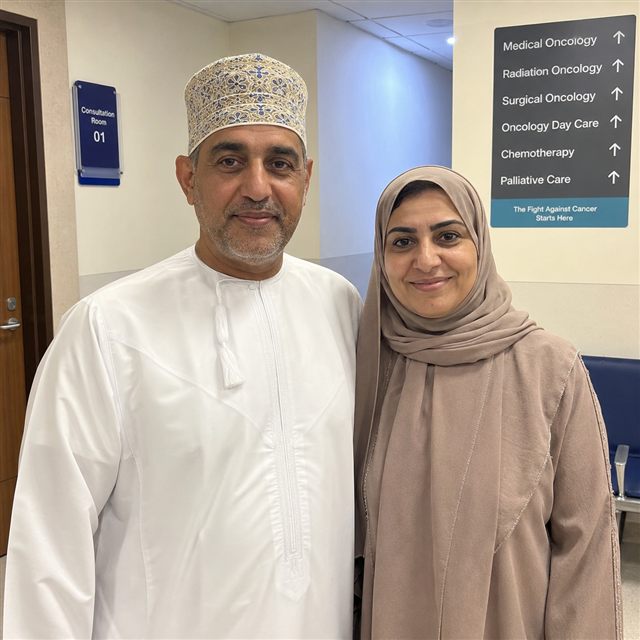
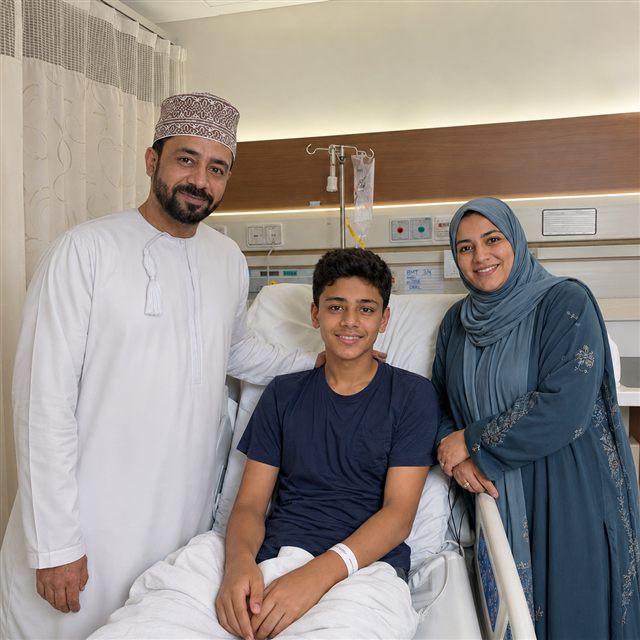
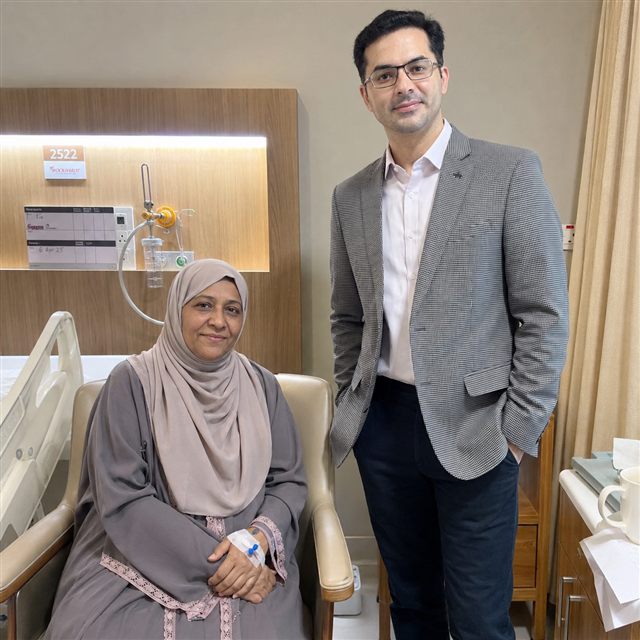
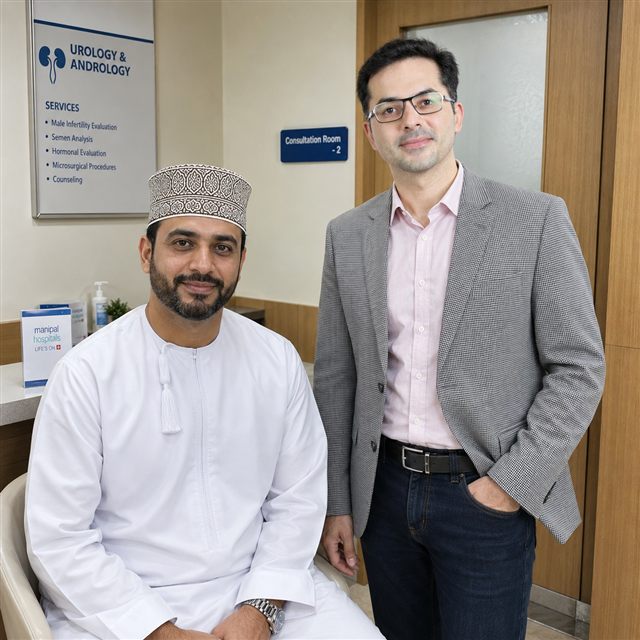
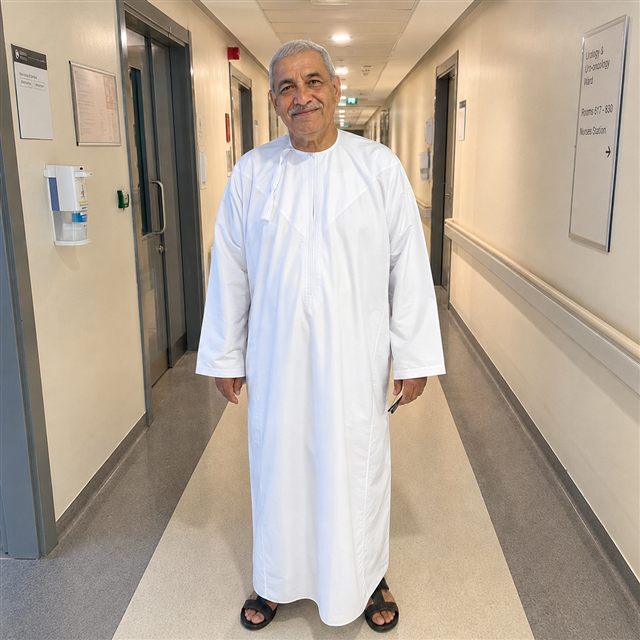
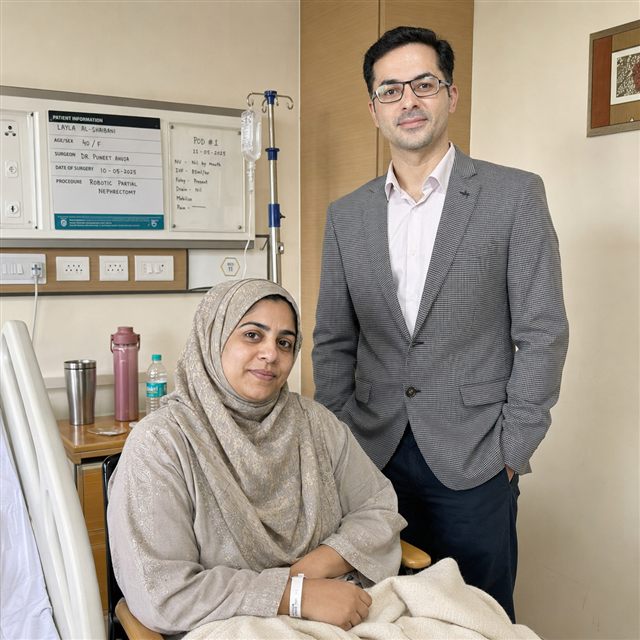
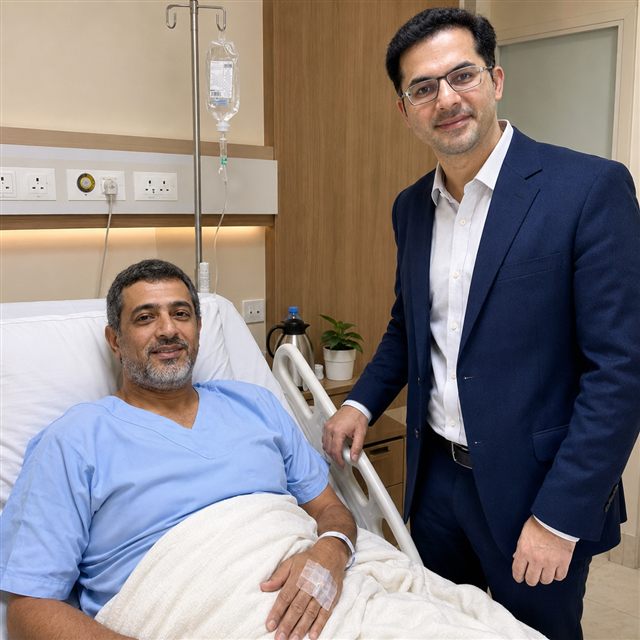
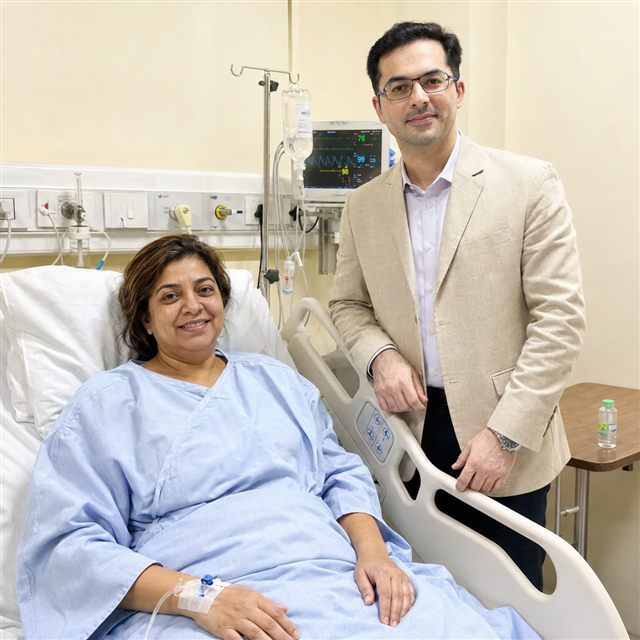
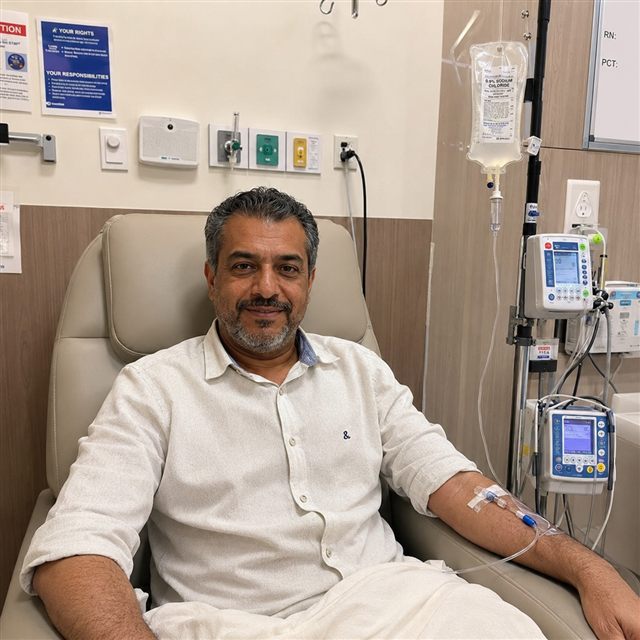
Patient Testimonials from Oman
Ready to Take the First Step?
Share your Medical Reports with our Healthcare Managers Today and Get a FREE CONSULTATION, a Personalized Treatment Plan, and Complete Support from Arrival to Recovery.
Get Your Free ConsultationAreas We Serve
Indian Health Guru Consultants proudly assists patients from Oman and surrounding Middle Eastern countries in accessing advanced, affordable and trusted medical treatment in India. Our team provides complete support for medical opinions, hospital selection, treatment planning, visa assistance, travel coordination, accommodation and post-treatment follow-up.
We regularly serve patients from:
- Oman
- Turkey
- Iran
- Kuwait
- Jordan
- Syria
- Qatar
- Bahrain
- Yemen
- Iraq
- Saudi Arabia
- United Arab Emirates
No matter where you are located, our experienced team is committed to making your medical journey to India safe, smooth, transparent and stress-free from the first enquiry to your return home.
From Oman to India: Your Complete Patient Guide
- Weight Loss and Bariatric Surgery in India for Omanis: Cost & Guide
- Brain Tumor Surgery in India for Omanis: Cost & Guide
- Cancer Treatment in India for Omanis: Cost & Guide
- Cardiac Surgery in India for Omanis: Cost & Guide
- Breast Cancer Treatment in India for Omanis: Cost & Guide
- Neurosurgery in India for Omanis: Cost & Guide
- Spine Surgery in India for Omanis: Cost & Guide
- Bone Marrow Transplant in India for Omanis: Cost & Guide
- Kidney Transplant in India for Omanis: Cost & Guide
- Best Dentists and Clinics for Dental Surgery in India for Omani Patients
- Best Doctors and Hospitals for Blood Cancer Treatment in India for Omani Patients
- Best Bone Marrow Transplant Doctors and Hospitals in India for Omani Patients
- Best Bariatric Surgeons and Hospitals for Weight Loss Surgery in India for Omani Patients
- Best Brain Tumor Surgery Doctors and Hospitals in India for Omani Patients
- Best Cardiac Surgeons and Hospitals in India for Omani Patients
- Best Colorectal Cancer Surgeons and Hospitals in India for Omani Patients
- Best Surgeons and Hospitals for Complex Joint Revision Surgery in India for Omani Patients
- Hip Surgery in India for Omanis: Cost & Guide